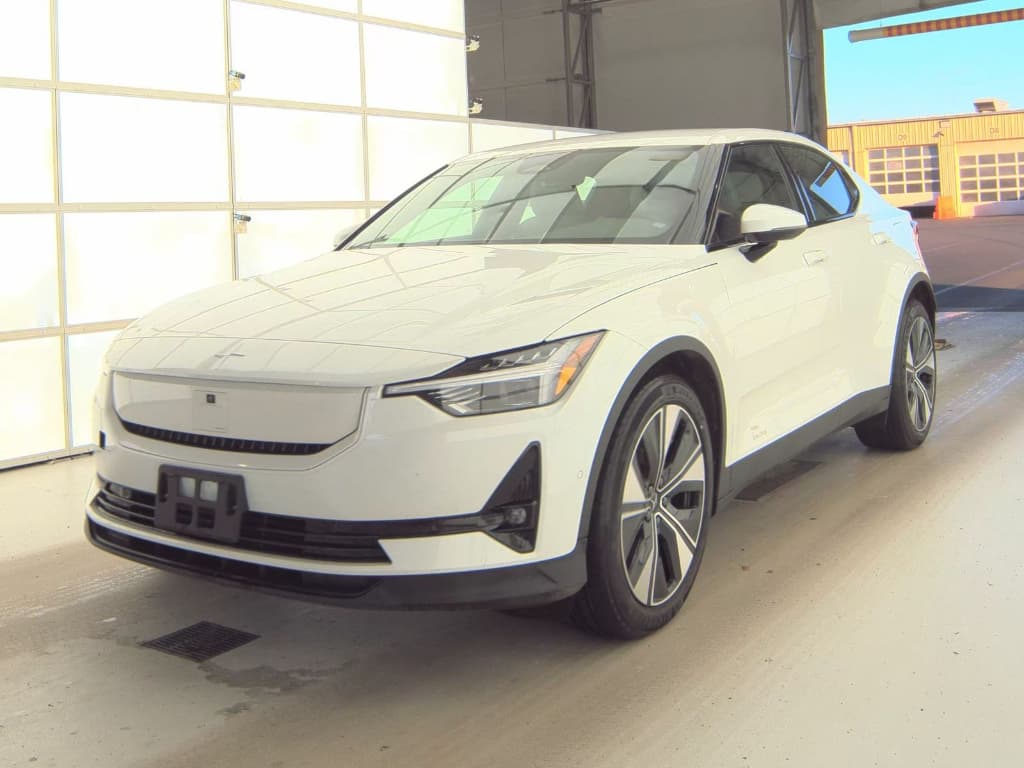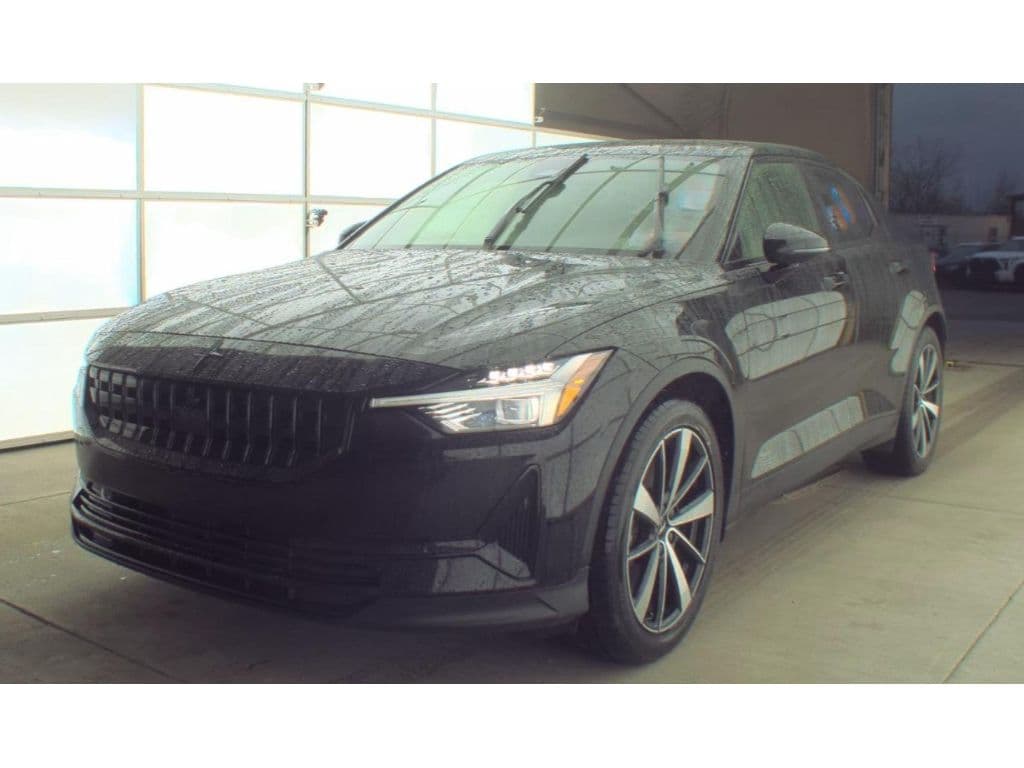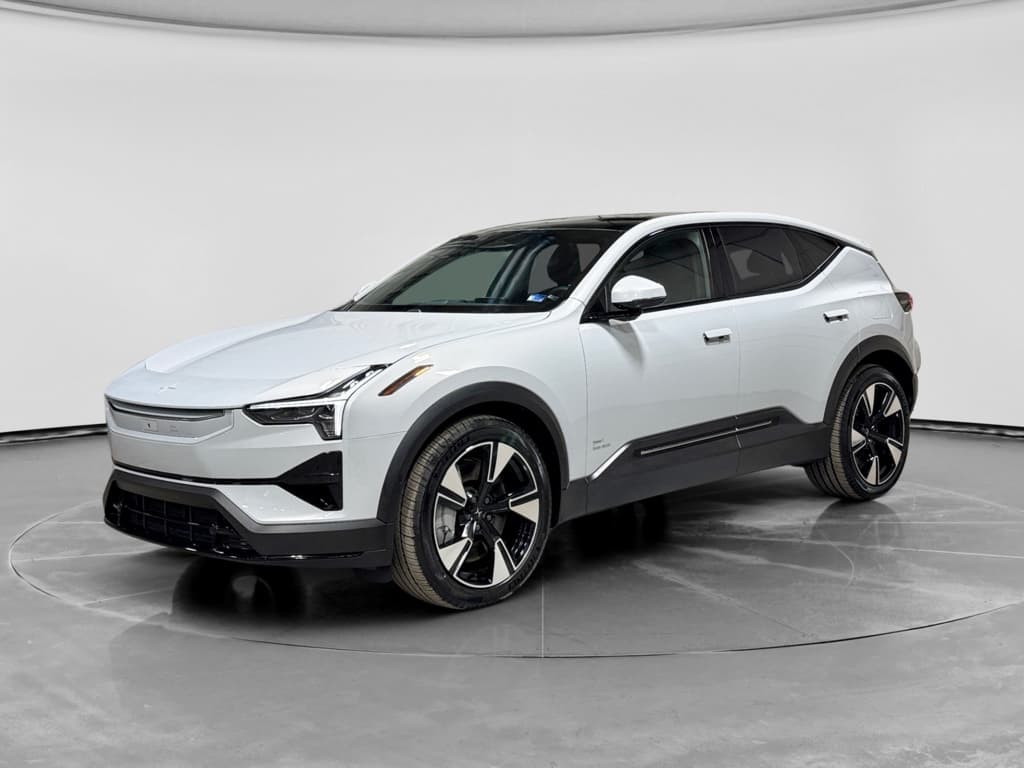
If you’re drawn to the Polestar 2 for its Scandinavian design and Google-based tech, the next logical question is what a Polestar 2 long term ownership cost actually looks like. Sticker price is only one piece of the puzzle; depreciation, charging, maintenance, insurance and financing are what determine whether the car fits your budget over 3–5 years.
Quick takeaway
Why Polestar 2 ownership costs matter
The Polestar 2 sits in a tricky spot. It’s a premium compact EV priced like a luxury car, but it doesn’t yet have the brand recognition of Audi or Tesla. That combination means running costs are fairly low, it’s an efficient EV with modest maintenance needs, but depreciation is relatively high compared with some direct rivals. If you understand where the money goes, you can decide whether to buy new, buy used, or perhaps shop a different EV entirely.
Polestar 2 cost-to-own snapshot (new, 5 years, U.S.)
Polestar 2 5‑year cost to own at a glance
Kelley Blue Book’s 5‑year cost-to-own modeling for a 2025 Polestar 2 pegs the total at about $90,887 over 5 years, assuming average U.S. driving and financing. That breaks down roughly as:
New 2025 Polestar 2 – estimated 5‑year cost breakdown
Approximate cost-to-own components for a new Polestar 2 over 5 years in the U.S.
| Category | 5‑Year Estimate (New) | Notes |
|---|---|---|
| Depreciation | $46,781 | Drop in market value from new over 5 years. |
| Electricity ("fuel") | $3,020 | Assumes mostly home charging and average U.S. rates. |
| Maintenance | $6,700 | Inspections, wipers, fluids, tires, out‑of‑warranty items. |
| Repairs | $2,500 | Unexpected fixes outside warranty period. |
| Insurance | ≈$17,600 | Typical U.S. driver; can swing widely by driver and ZIP. |
| Financing | ≈$9,100 | Interest paid on a typical 60‑month loan. |
| Taxes & fees | ≈$5,100 | Sales tax, registration and other state fees. |
| Total 5‑yr cost to own | ≈$90,000–$95,000 | Combining out‑of‑pocket costs plus depreciation. |
Your exact numbers will vary by mileage, state, trim and credit profile, but this gives a realistic baseline.
New vs. used context
Purchase price: new vs. used Polestar 2
MSRPs for a new Polestar 2 hover in the mid‑$40,000s to low‑$60,000s depending on motor configuration and option packages. On the used market, especially in the 2021–2023 model years, transaction prices can be surprisingly attractive because the car has depreciated quickly from new.
Typical Polestar 2 price ranges (U.S.)
Where most buyers land before incentives or taxes
New Polestar 2 pricing
- Single motor RWD: typically mid‑$40,000s.
- Dual motor: high‑$40,000s to mid‑$50,000s.
- Performance / optioned cars: low‑$60,000s.
Regional incentives, dealer discounts and EV tax credits can push your effective cost down, but the car will still take its biggest value hit in the first 3 years.
Used Polestar 2 pricing
- 3‑year‑old examples: often in the low‑ to mid‑$30,000s.
- Higher‑mileage or earlier builds: can dip into the high‑$20,000s.
- Well‑optioned, low‑miles cars: commonly mid‑$30,000s.
That 35–45% discount from original MSRP is where used buyers can capture most of the value with less downside risk.
Used EV buying tip
Depreciation: the biggest Polestar 2 expense
For most Polestar 2 owners, depreciation, not electricity or maintenance, is the biggest line item. Independent resale analyses show the Polestar 2 losing roughly 60% of its value over five years, leaving a residual value around 40% of its original price. That’s slightly worse than the luxury EV compact average and steeper than the most value‑resilient EVs.
Approximate 3‑ and 5‑year depreciation: Polestar 2 vs. key rivals
Illustrative comparison based on recent U.S. resale data for comparable trims.
| Model | 3‑Year Depreciation | 5‑Year Depreciation | 5‑Year Residual Value |
|---|---|---|---|
| Polestar 2 | ≈53% | ≈61% | ≈39% of original price |
| Tesla Model 3 | ≈50–55% | ≈56–61% | ≈39–44% of original price |
| Audi Q4 e‑tron / similar luxury EV | ≈45–50% | ≈57–60% | ≈40–43% of original price |
Depreciation percentages are rounded; your result will depend on mileage, condition and market cycles.
What this means for you
Electricity costs: how much you’ll spend on charging
The Polestar 2 is reasonably efficient for a luxury EV, typically delivering around 3.5–4.0 miles per kWh in mixed driving, depending on wheel size, climate and your right foot. For a U.S. driver covering about 12,000 miles per year, that translates into roughly 3,000–3,400 kWh annually.
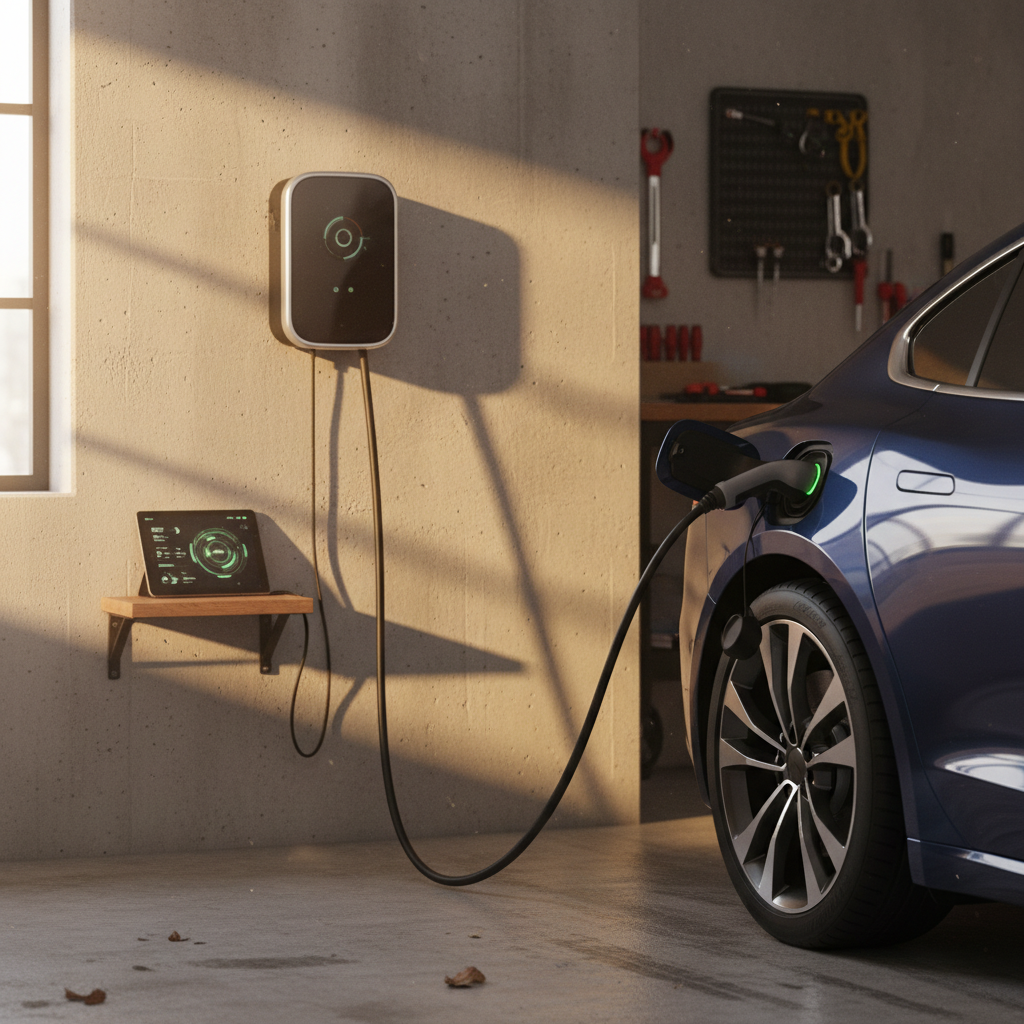
Home charging estimate
If you do most of your charging at home and pay around the U.S. average of $0.15 per kWh, your electricity cost looks like this:
- 3,200 kWh/year × $0.15 ≈ $480/year.
- Over 5 years, roughly $2,400–$2,600.
Time‑of‑use plans and overnight rates can lower this further, especially in regions with strong EV incentives.
Public fast charging estimate
If you rely heavily on DC fast charging at $0.30–$0.40 per kWh, the math changes:
- 3,200 kWh/year × $0.35 ≈ $1,120/year.
- Over 5 years, that’s $5,000+ in electricity.
Most owners end up with a mix of home, workplace and public charging, which is why 5‑year fuel estimates around $3,000 are very realistic.
Fuel savings vs. gas
Maintenance and repairs on a Polestar 2
One of the Polestar 2’s strong suits is simple routine maintenance. There’s no engine oil, spark plugs, timing belts or transmission fluid to worry about. Instead, the factory schedule focuses on inspections, wear items and a few key fluids.
What you’ll actually service on a Polestar 2
Typical costs with a mix of dealer and independent shops
Scheduled services
- Polestar’s core visits every 20,000 miles are light: wiper blades, cabin air filter, cleaning and inspections.
- First visit is often included on new cars; subsequent visits are typically around $250–$300 at a dealer.
Wear items
- Tires: Performance EV tires can run $700–$1,000 a set, often lasting 25,000–40,000 miles depending on your driving.
- Brakes: Thanks to regenerative braking, pads and rotors often last far longer than in a gas car.
Fluids & misc.
- Brake fluid: commonly every 2 years, roughly $100–$180.
- Coolant / thermal system: occasional, generally a few hundred dollars when required.
Approximate Polestar 2 maintenance costs
Typical ranges for U.S. owners with mixed city/highway use.
| Item | Low (DIY / independent) | Average | High (dealer / heavy use) |
|---|---|---|---|
| Annual basic service | $120 | $250 | $450 |
| Brake fluid every 2 years | $80 | $120 | $180 |
| Cabin filter & wipers | $20 | $40 | $70 |
| Battery coolant / thermal service | $100 | $180 | $260 |
| 3‑year maintenance total | $360 | $730 | $1,120 |
Does not include major accident repairs or extreme‑use scenarios.
Service network reality
Insurance, tires and other running costs
Apart from depreciation and electricity, the Polestar 2’s major recurring expenses are insurance, tires, registration and financing. These can vary more than anything else, because they depend heavily on you, your location, driving record, credit and how you use the car.
Key ongoing cost buckets to budget for
1. Insurance premiums
For many U.S. drivers, insuring a new Polestar 2 lands in the <strong>$1,400–$1,700 per year</strong> range, squarely in luxury‑EV territory. High‑cost urban markets and younger drivers can see higher quotes, while older, rural drivers with clean records can do better.
2. Tires and alignment
The Polestar 2’s weight and torque are hard on tires, especially 20‑inch performance rubber. Budget <strong>$700–$1,000 every 25,000–40,000 miles</strong> for a quality set, plus $100–$200 for mounting, balancing and occasional alignments.
3. Taxes, registration and fees
Expect a sizable up‑front hit from sales tax and doc fees when you buy, then recurring registration costs that can be higher in some EV‑friendly states. Over 5 years, these easily add up to <strong>several thousand dollars</strong>.
4. Financing costs
With typical EV transaction prices and interest rates, many Polestar 2 buyers pay somewhere around <strong>$9,000 in interest</strong> over a 60‑month loan. Strong credit, shorter terms and larger down payments can cut this significantly.
Battery health, warranty and long‑term risk
Long‑term ownership of any EV hinges on battery health. The good news for Polestar 2 owners is that early data from thousands of cars show slower‑than‑average battery degradation and robust warranty support.
Polestar 2 battery: what owners are seeing
Why battery risk is lower than many shoppers fear
Real‑world degradation
- Large owner‑reported data sets point to median capacity near 92% after ~40,000 miles and around 88% after ~80,000 miles.
- That performance is competitive with, and in some samples slightly better than, several high‑volume EV rivals.
Battery warranty basics
- 8 years / 100,000 miles on the high‑voltage battery.
- Guarantee that usable capacity will remain at or above 70% in that window.
- Separate warranties cover the rest of the vehicle, so most big‑ticket failures in the first years are shielded.
Out‑of‑warranty battery replacement
New vs. used Polestar 2: which is cheaper to own?
If you’re purely focused on long‑term ownership cost, a used Polestar 2 that’s still under warranty will almost always beat a new one. The savings come down to depreciation: the car’s biggest cost drops sharply once it’s a few years old.
Scenario A: Buy new, keep 5 years
- Pay full new‑car price plus taxes and fees.
- Absorb 60%+ depreciation from years 0–5.
- Enjoy full warranty coverage and the latest tech.
- Total 5‑year cost often in the $90k+ range when you factor everything in.
Scenario B: Buy 3‑year‑old, keep 5 more years
- Pay perhaps 40%–45% less than original MSRP.
- Five more years of ownership only see another 15–25 percentage points of depreciation.
- Still under battery warranty for most of your time with the car.
- Electricity and maintenance costs are similar, so your total cost to own is dramatically lower.
Where Recharged fits in
How Polestar 2 ownership costs compare to other EVs
If you’re cross‑shopping, it helps to know whether the Polestar 2 is a bargain, a splurge or somewhere in between. Across the major cost buckets, it tends to land middle‑of‑the‑pack among premium EVs.
Polestar 2 vs. popular alternatives: ownership cost tendencies
High‑level comparison of 3–5‑year ownership tendencies, not exact dollar figures.
| Factor | Polestar 2 | Tesla Model 3 | Hyundai Ioniq 5 / Kia EV6 |
|---|---|---|---|
| Purchase price (new) | Similar to or slightly higher than Model 3; above Korean rivals in many trims. | Often lower than Polestar 2 with frequent price changes and incentives. | Generally competitive and sometimes lower than Polestar 2. |
| Depreciation | Steeper than class average; around 60%+ over 5 years. | Strong in some years, but recent price cuts have hurt resale; similar 5‑year drops. | Moderate; Korean EVs have held value relatively well so far. |
| Electricity cost | Efficient but not class‑leading; mid‑pack energy use. | Very efficient, slightly cheaper to run on electricity. | Varies by trim; efficiency similar to or slightly behind Polestar 2. |
| Maintenance | Low; simple schedule, but smaller service network. | Low; large service ecosystem and mobile service in many areas. | Low; broad dealer network, but some EV‑specific parts still pricey. |
| Insurance | Luxury‑EV territory; typically a bit higher than mainstream brands. | Can be similar or slightly lower, but rates vary widely. | Often a bit lower than Polestar 2 with comparable coverage. |
Assumes similar trims, mileage and buyer profiles.
“When you look beyond the sticker, the Polestar 2 behaves like most premium EVs: depreciation does the heavy lifting on cost, while running expenses stay surprisingly reasonable.”
How to save on Polestar 2 ownership with Recharged
If you’ve decided the Polestar 2 fits your lifestyle but you’re wary of overpaying long‑term, your best tool is information. That’s where a transparent used‑EV marketplace like Recharged can tilt the math in your favor.
Ways Recharged helps lower your Polestar 2 cost to own
From selection to financing, the focus is on total cost, not just price.
Recharged Score battery health report
Fair pricing & expert guidance
Financing, trade‑in and delivery
Ready to find your next EV?
Browse VehiclesFAQ: Polestar 2 long-term ownership costs
Frequently asked questions
Bottom line: is a Polestar 2 worth it long‑term?
If you’re after a distinctive, tech‑forward EV and you understand how depreciation shapes the numbers, the Polestar 2 can be a satisfying long‑term companion. It’s efficient enough to keep charging costs under control, its maintenance demands are modest, and early battery‑health data is reassuring. The main caveat is resale value: new examples tend to shed a lot of their price tag in the first few years.
From a purely financial standpoint, the sweet spot is a lightly used Polestar 2 with strong battery health, remaining warranty coverage and a realistic purchase price. That’s exactly the niche Recharged is built to serve, with Recharged Score battery diagnostics, fair market pricing and EV‑savvy guidance from first click to delivery. Go in with clear numbers, and you can enjoy the Polestar 2’s design and driving experience without losing sight of the long‑term cost to own.