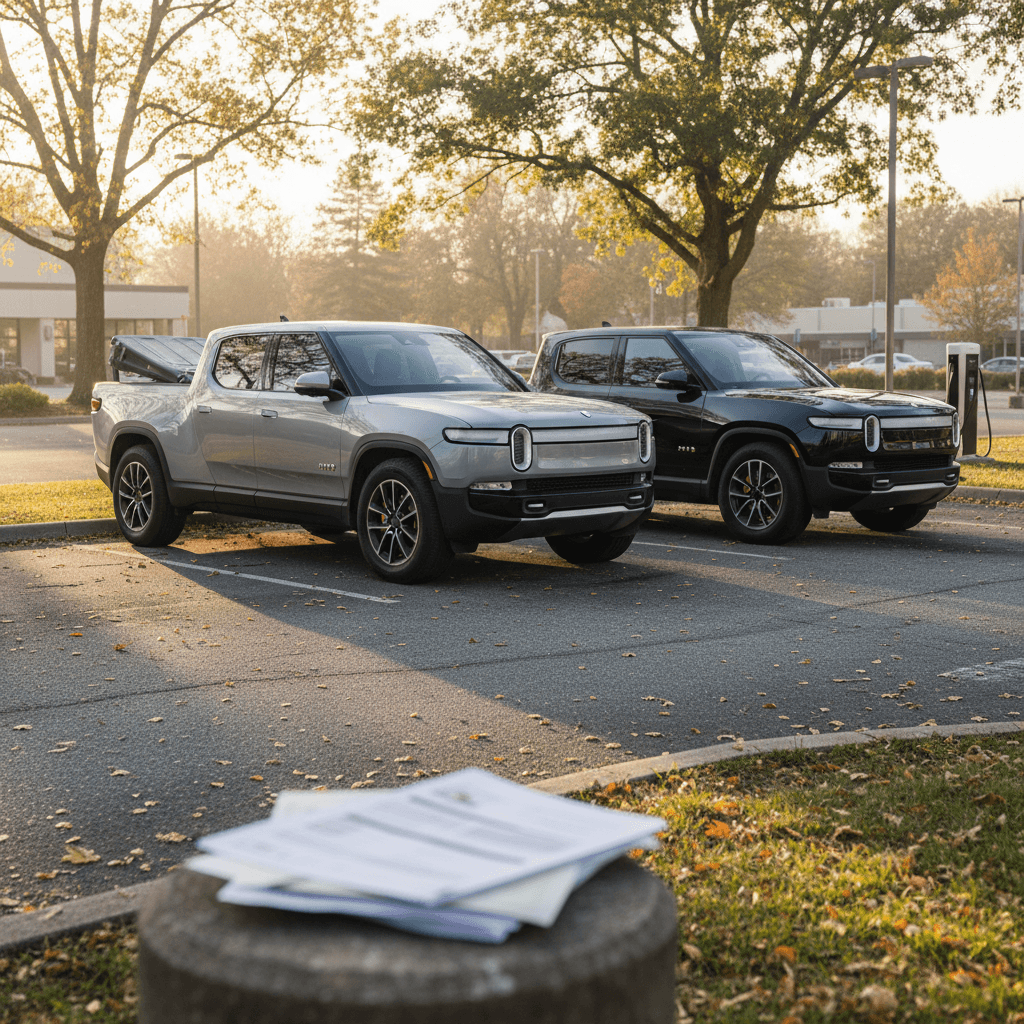
Search for “Rivian R1T things I wish I knew” and you’ll find one recurring theme: this truck is brilliant, but it doesn’t behave like the gas pickups you grew up with, or even like most other EVs. If you’re shopping new or used, especially on a marketplace like Recharged, a little owner-style truth serum will save you from expensive surprises and range‑anxiety-induced roadside philosophy sessions.
Who this guide is for
Why the Rivian R1T Feels Different Once You Own It
On paper the R1T is easy to fall for: supercar acceleration, outdoorsy virtue, over-the-air updates, camp kitchen lore. Living with one is different. The truck is heavy, software-driven, and deeply dependent on the quality of your charging setup. Owners tend to go through three phases, honeymoon, recalibration, then ruthless optimization. This guide is written from that third phase: what you’d tell your past self if you could.
Rivian R1T Ownership: Expectations vs Reality
1. Real-World Range vs The Window Sticker
The brochure numbers, over 300 miles of range for many R1T trims, are like EPA fuel economy ratings: useful for comparisons, misleading for planning. Owners routinely report that daily reality clusters much lower once you factor in highway speeds, climate control, elevation, and big all-terrain tires.
- Expect ~200–260 miles from a comfortable 10–80% state of charge if you mostly do 70–75 mph highway and suburban driving.
- Large Pack trucks on 21-inch road tires tend to fare noticeably better than 20- or 22‑inch all‑terrains.
- Cold weather, headwinds, and roof boxes can stack; it’s easy to watch 10–20% of your range evaporate on a bad day.
Think in usable range, not headline range
2. DC Fast Charging Curve, and Why 80% Is Your Friend
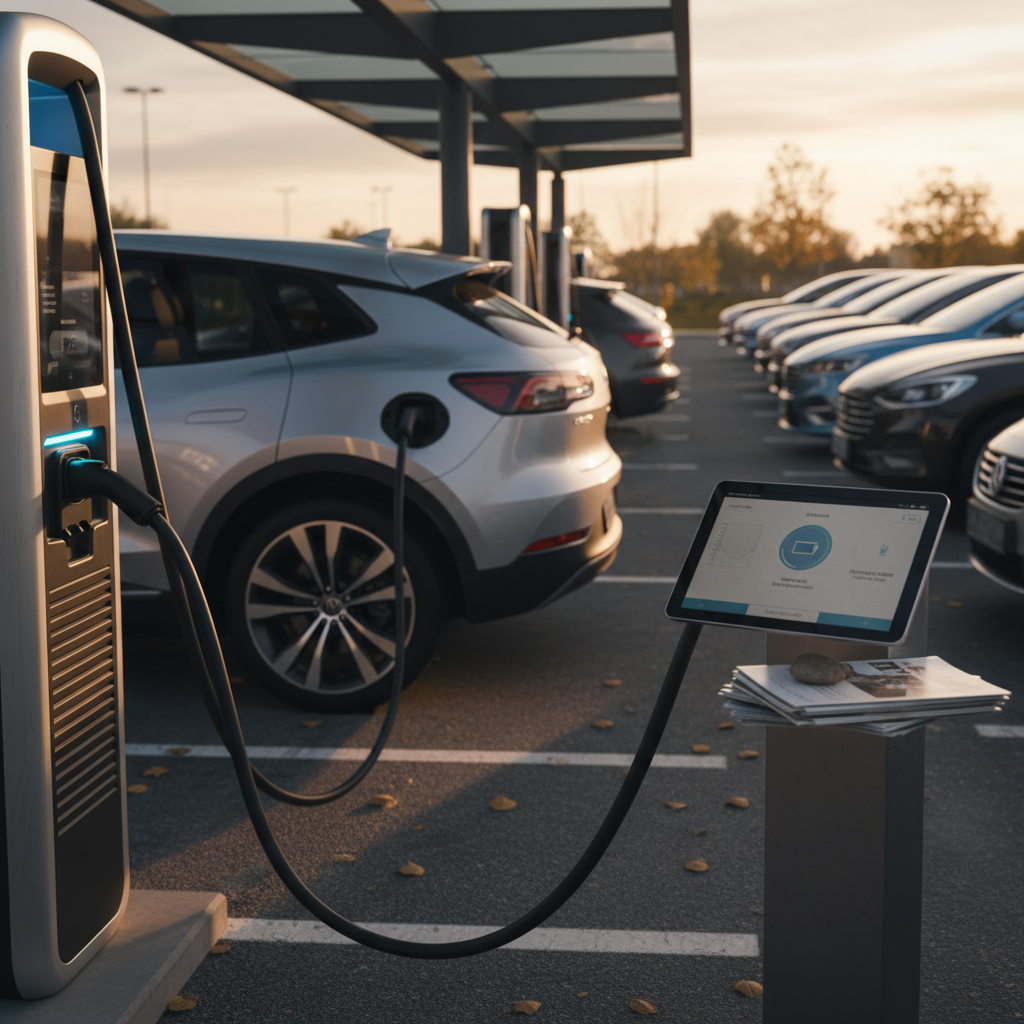
Rivian’s charging hardware is genuinely strong. Recent software updates have pushed peak DC rates into the ~215 kW realm on compatible stations, and the trucks can add well over 100 miles of range in 15–20 minutes under good conditions. But the charging curve, how quickly speed falls as the battery fills, is where many first‑time owners get surprised.
- Charging is very quick from roughly 10–50% state of charge, then starts to taper.
- Some owners see a first big step‑down around the mid‑40s, then another as they approach 70–80%.
- Above 80%, speeds can fall below 60 kW and eventually into Level 2 territory near 90–100%.
Road‑trip rookie mistake
3. Tesla Superchargers Aren’t a Magic Bullet
Access to the Tesla Supercharger network is a big reason people are newly interested in Rivian. It adds thousands of well‑maintained, generally reliable DC stalls to your world. But two realities often surprise first‑time users in an R1T.
R1T at Tesla Superchargers: The Upside and the Catch
The good news
- Coverage is excellent along major U.S. corridors.
- Plugs and payment are integrated and usually more seamless than third‑party CCS networks.
- Many owners report more consistent speeds and fewer dead stalls vs some legacy networks.
The fine print
- Some sites share power between stalls; you may see speeds fall mid‑session even below 50%.
- "Charging limited by station" messages are common when the site is busy or power‑limited.
- Not every Supercharger is Rivian‑enabled yet, so you still need to check the map carefully.
Road‑trip strategy with Superchargers
4. Home Charging Matters More Than Horsepower
Everyone obsesses over quad‑motor vs dual‑motor, Max Pack vs Large Pack. The thing that quietly makes or breaks R1T happiness is your home charging situation. At 7,000+ pounds with a big pack, this truck is unforgiving if you’re trying to run your life on public chargers alone.
Minimum Charging Setup Most R1T Owners End Up Wanting
1. A real 240V circuit
A dedicated 40–60A 240‑volt circuit (NEMA 14‑50 or hardwired) turns overnight into a full recharge, not a suggestion. With the right Level 2 setup you can add roughly 18–28 miles of range per hour.
2. Parking that matches cable length
The R1T’s charge port is on the driver’s side front fender. Make sure your wall charger or outlet and parking layout don’t force awkward cable stretches or tight turns around the front bumper.
3. Time‑of‑use rate plan
Many utilities offer cheaper overnight electricity. Pairing a time‑of‑use plan with scheduled charging in the truck’s app can make your “fuel” cost feel almost comically low versus a gas truck.
4. Backup plan if you move
If you’re in a rental or might move soon, budget for another installation, or favor a home with existing EV infrastructure. Pulling 300+ miles from scattered public Level 2 stations gets old fast.
If you can’t install Level 2 at home
5. Towing Range Can Be Brutal, Plan Accordingly
Rivian’s marketing leans hard into the adventure lifestyle: dirt bikes, Airstreams, four kayaks, and a golden retriever named Moose. The truck can absolutely tow, up to 11,000 pounds in some trims, but owners quickly learn that aero drag is your real enemy, not the weight rating printed in the manual.
- A tall travel trailer at 65–70 mph can easily cut your effective range by 40–50%.
- Boxy cargo at roof‑rack height can hurt efficiency almost as much as towing something small and sleek.
- Route planners that assume gas‑truck behavior will lie to you; you need more margin and more stops.
How to tow without hating your life
6. Ride Quality, Air Suspension, and Tires
Air suspension is one of the R1T’s party tricks. You can hunker down on the highway, then pogo‑stick your way up a rutted trail. But the combination of air springs, heavy curb weight, and aggressive tires can make the truck feel completely different depending on spec and mode.
What surprises new owners
- On 20‑inch all‑terrains, the truck can feel busy or jittery on broken pavement.
- In the highest ride heights, body control over undulations can feel slightly floaty.
- Switching to the softest suspension mode doesn’t always equal “luxury car”, you’re still moving a small condo.
What to know if you’re buying used
- Check for uneven tire wear, especially on trucks that lived in sportier drive modes.
- Ask when tires were last replaced; this truck eats soft compounds faster than many owners expect.
- Listen for clunks or knocks over speed bumps that could hint at worn dampers or bushings.
7. Software Magic, and Software Mood Swings
Rivian is a software‑first car company. That’s thrilling and occasionally exhausting. Over‑the‑air updates bring new features, faster charging, new drive modes, energy prediction tweaks, but they also sometimes introduce new gremlins for a subset of owners.
Living With a Software‑Defined Truck
Big upside
- Charging speeds and curves have materially improved via updates.
- Range prediction, trip planning, and UI refinements arrive without a dealer visit.
- Minor bugs often get quietly fixed on the back end.
The quirks
- Occasional phantom warning lights or UI glitches after major releases.
- Features shifting or menus moving, your muscle memory gets broken overnight.
- Rare, but real, cases of range estimates behaving oddly until the BMS recalibrates.
Buying used?
- Check what software version the truck is on and whether major recalls or updates have been applied.
- During a test drive, restart the truck once, watch for odd behavior during reboot.
- Ask the seller how often they’ve seen error messages and how service handled them.
Why Recharged checks software history
8. Driver Assistance Is Good, Not Telepathic
Rivian’s Hands‑Free Highway Assist and other driver‑assist tech slot somewhere between legacy automakers’ lane‑keeping and Tesla’s Autopilot spectrum. It’s competent, it’s improving, and it’s still very much driver‑in‑the‑loop technology, recent recalls have underlined that point.
If you’re coming from a modern luxury car, you may find Rivian’s systems perfectly adequate but not miraculous. Treat them as comfort features, not autonomy. On a used truck, verify that any driver‑assist‑related recalls and software updates have been completed before you rely on them.
9. Battery Health Is Better Than You Fear
The internet loves a degradation horror story. In daily life, R1T packs have been aging more gracefully than many people expected. High‑mileage owners, 70,000 to 80,000 miles and beyond, often report only a few percent loss of usable capacity, provided they didn’t abuse DC fast charging or live their life at 100% state of charge.
- The truck’s thermal management is aggressive; it will burn energy to keep the pack happy, which helps longevity.
- Degradation isn’t linear: a couple of percent early on, then a long, slow plateau is common in modern EVs.
- Occasional BMS calibration oddities can make range look worse than it is for a few days; that’s not the same as actual loss of capacity.
How Recharged derisks used battery health
10. Recalls and Quirks: What to Actually Worry About
By 2026, the R1T has lived a full life in the hands of early adopters. That means a trail of recalls and service campaigns, ranging from minor software fixes to more serious hardware issues such as suspension fasteners and 12‑volt battery components on certain generations.
- Some early trucks had suspension hardware that needed re‑torquing or replacement after a recall.
- Gen 2 models have seen a large‑scale 12‑volt battery bracket issue that Rivian is addressing with replacements on affected VINs.
- Driver‑assist software has been patched via over‑the‑air updates after regulators flagged specific edge‑case behaviors.
If you’re buying used
11. Storage Is Genius, but Not Infinite
The R1T’s storage is famously clever: big frunk, gear tunnel you can crawl through, under‑bed bin for muddy things you don’t want to see for a month. But traditional full‑size pickup owners sometimes find the bed itself feels short, and the party tricks don’t fully replace old‑school cubic yards of steel box.
- The frunk is great for groceries and valuables, you’ll quickly wonder why other trucks don’t have one.
- The gear tunnel is perfect for skis, tools, and the camping detritus of modern life.
- The bed can feel tight if you routinely haul long lumber, quads, or building materials; be honest about how often you do that.
12. Size, Weight, and Where This Truck Really Fits
On Instagram the R1T looks like a scaled‑down adventure toy. In person it’s a wide, heavy, serious truck. Threading through old city parking structures or narrow mountain town streets can feel noticeably more stressful than in a compact crossover.
Urban and suburban life
- Measure your garage. Seriously. The combination of length, width, and swing of the doors catches some new owners off guard.
- Check the turning circle in a tight parking lot during your test drive.
- Pay attention to visibility; the cameras help, but you’ll want to be comfortable with the physical footprint.
Off‑road and adventure
- The truck’s off‑road ability is genuinely impressive, especially with air suspension and appropriate tires.
- But mass is mass, think about recovery plans and where you’ll actually wheel a 3.5‑ton EV.
- Range drops quickly in deep sand, snow, or technical low‑speed trails; plan extra buffer.
13. Insurance and Running Costs Aren’t Truck‑Traditional
Electric trucks scramble the usual cost math. Your monthly “fuel” bill plummets if you charge at home, but insurance and repair costs can be higher than a comparable gas pickup because of parts prices and limited body‑shop experience.
- Get real insurance quotes on the specific VIN before you buy; trim, location, and driver history swing the number wildly.
- Factor tire cost into your budget, heavy EVs plus performance‑oriented rubber equals more frequent replacements.
- If you can reliably charge off‑peak at home, the savings on energy vs gasoline can meaningfully offset higher insurance over a few years.
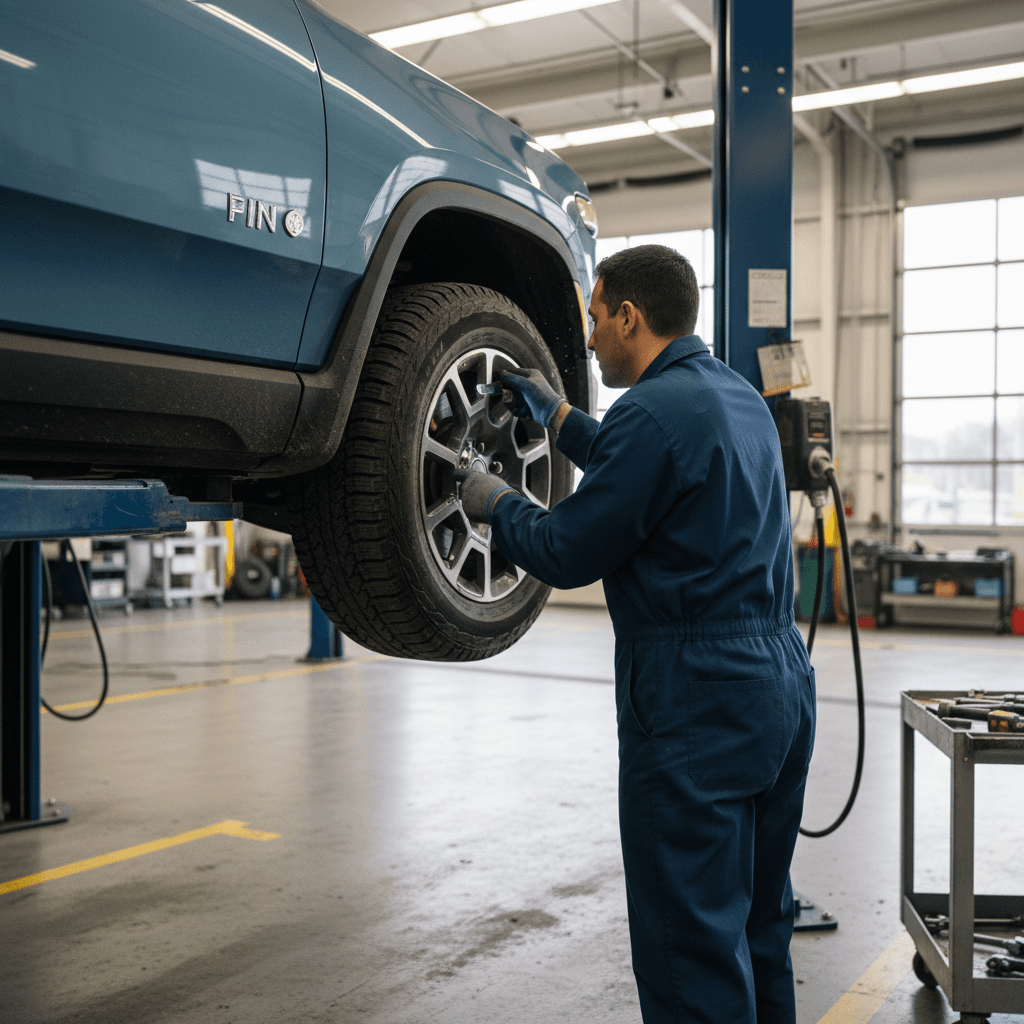
14. Service Experience: Mobile vs Service Centers
Rivian’s service model is a hybrid: mobile technicians for smaller jobs, brick‑and‑mortar centers for bigger ones. Many owners rave about responsive, concierge‑like treatment; others have stories of parts delays and long waits. As a young automaker, Rivian’s consistency varies more than Toyota’s, say.
Service questions to ask when buying used
15. Resale Value and Buying a Used R1T
The EV market has been on a roller coaster, and Rivian hasn’t been exempt. New‑truck pricing, incentives, and interest rates have all moved quickly, which means the used market is where a lot of the value now lives, if you know what you’re looking at.
Why Many Shoppers Are Pivoting to Used R1Ts
Depreciation already hit
Battery data exists
Warranty runway
16. How the R1T Compares to Other EV Trucks
If you’re cross‑shopping, you’ve probably looked at the Ford F‑150 Lightning, maybe a Silverado EV, perhaps even a Cybertruck if you like your sheet metal spiky. The R1T sits in an interesting spot: more premium and design‑driven than the Ford, less polarizing than the Tesla, sized between traditional full‑size and midsize pickups.
Rivian R1T vs Popular EV Trucks (High‑Level Feel, Not Spec Sheet Wars)
A simplified, experience‑focused comparison for shoppers who care about how these trucks live day‑to‑day.
| Truck | Where it shines | Where it frustrates |
|---|---|---|
| Rivian R1T | Design, interior quality, off‑road capability, clever storage, OTA improvements | Charging planning needed for towing; size can be awkward in tight cities; service network still growing |
| Ford F‑150 Lightning | Familiar F‑150 cabin and bed, dealer network depth, strong work‑truck ecosystem | Less range in many trims, especially when towing; fewer clever storage tricks |
| Chevy Silverado EV | Big battery options, traditional truck presence, GM dealer coverage | Sheer size and weight; early availability and pricing still in flux in many regions |
| Tesla Cybertruck | Fast charging network integration, efficiency at highway speeds, tech‑heavy cabin | Polarizing styling, build‑quality perception, bed and storage layout are love‑it‑or‑hate‑it |
Always confirm exact specs and incentives for the specific model year and trim you’re considering.
17. What to Check Before You Buy a Used Rivian R1T
Let’s put all of this into a practical lens. Whether you’re buying from a private party, a dealer, or a curated marketplace like Recharged, these are the things seasoned owners wish they had scrutinized harder on day one.
Used Rivian R1T Pre‑Purchase Checklist
1. Battery health and charging behavior
Check recent 10–80% DC fast‑charge speeds and how quickly the truck tapers. Look at daily consumption (Wh/mi) on the owner’s usual routes. If you’re shopping on Recharged, this is summarized in the Recharged Score so you don’t have to reverse‑engineer it yourself.
2. Software version and recall status
Confirm the truck is on a current software release and that major recalls, suspension, 12‑volt hardware, driver‑assist updates, have been completed. Ask for screenshots or documentation if you’re buying remotely.
3. Service history and repairs
Look for patterns: repeated visits for the same issue, major component replacements (drive units, battery pack, dampers) and how recently they were done. A one‑and‑done repair with a good paper trail is often fine; chronic mystery problems are not.
4. Tires, brakes, and suspension noise
During a test drive, listen over speed bumps and rough pavement. Watch for uneven tire wear and feel for any vibration at highway speeds. Heavy EVs work their tires and suspension hard; fresh, correctly‑spec’d rubber is worth real money.
5. Charging reality with your lifestyle
Plan a hypothetical week of your driving and overlay the truck’s range and your available charging. If you don’t have home Level 2, be brutally honest about workplace chargers and public infrastructure near you.
6. Fit in your physical world
Measure your garage, driveway, or usual parking space. Try parallel parking during your test drive. Make sure the turning radius, camera views, and sightlines feel manageable where you actually live.
Rivian R1T FAQ: Things Owners Wish They’d Known
Frequently Asked Questions About Real‑World R1T Ownership
Is a Rivian R1T Right for You?
If you’ve made it this far, you already understand the most important truth about the Rivian R1T: it’s not just a pickup with a battery. It’s a fast, beautifully built, deeply digital machine that rewards a little planning and punishes wishful thinking. Owners who thrive with it tend to be the ones who set up robust home charging, learn how the charging curve behaves, and buy a truck with a clean service and recall history rather than just the right paint color.
If that sounds like you, a well‑chosen R1T, especially a carefully vetted used one, can be a spectacular daily driver and adventure rig. And if you’d prefer some help separating great trucks from merely pretty ones, Recharged was built for exactly this moment. From battery‑health diagnostics and transparent pricing to financing, trade‑ins, and nationwide delivery, we make it much easier to say yes to the right Rivian, not just the nearest one.