If you’re eyeing a Rivian R1T, you’ve probably heard two things: owners love driving it, and they also complain… a lot. Understanding the Rivian R1T’s biggest complaints, from reliability and recalls to software bugs and service delays, is the difference between buying a dream truck and inheriting someone else’s beta test.
Quick take
Why the Rivian R1T’s biggest complaints matter if you’re shopping
Every new automaker goes through a painful launch curve. Rivian is no exception, and the R1T has accumulated a long list of owner complaints, NHTSA recalls, and forum horror stories. That doesn’t automatically make it a bad truck, but it does change how you should shop one, particularly on the used market, where you don’t control its early life or software history.
This guide pulls together the most common Rivian R1T complaints reported by owners, recall filings, and reliability surveys, then translates them into practical advice: what’s a dealbreaker, what’s manageable, and what’s just the price of being an early adopter.
Rivian R1T ownership, at a glance
High-level ownership snapshot: love the truck, tolerate the flaws
What owners love
- Performance: Instant torque, serious off‑road capability, and confident highway manners.
- Design and utility: Gear tunnel, clever storage, accessory ecosystem, and adventure‑oriented branding.
- Tech-forward experience: Modern UI, OTA updates, integrated trip planning, and frequent feature additions.
- Community: Enthusiastic owner base and generally strong support experiences once you’re in the service pipeline.
What owners complain about
- Early reliability: Too many small things go wrong for a $70k–$100k truck.
- Software bugs: Screen freezes, camera glitches, audio issues, and quirky driver‑assist behavior.
- Service logistics: Limited service centers, mobile coverage gaps, and parts delays.
- Real‑world range: Towing, big tires, and roof boxes can slash range much more than first‑time EV owners expect.
How to read the complaints
Complaint #1: Early reliability issues and frequent recalls
The single biggest structural complaint about the Rivian R1T is reliability over the first few years. Being an early‑stage EV startup means a lot of fast iteration, and that shows up as both niggling defects and formal recalls.
- Multiple NHTSA recalls covering steering, suspension, seat belts, lighting, and driver‑assist behavior on R1T and R1S models built from 2022 onward.
- Recent recall campaigns focused on rear suspension toe link hardware that can be incorrectly reassembled during service, potentially letting a joint separate and affecting vehicle control.
- Separate campaigns have targeted driver‑assist software behavior on limited‑access highways and issues like exterior lighting performance and turn signal operation.
- On owner forums, many R1T drivers catalog long punch lists of minor defects, panel alignment, rattles, trim, steering wheel vibration, or suspension noises, especially on early build years and first‑year powertrains.
Why the recall story matters
For shoppers, the nuance is important. When recalls are handled properly and paired with meaningful over‑the‑air updates, they do improve the fleet. But when you see the same themes, suspension, driver‑assist, lighting, come up repeatedly, that’s a sign to budget more time and attention for quality follow‑up.
Complaint #2: Software glitches, screen freezes, and phantom bugs
The Rivian R1T’s user experience is dominated by its two displays, and like any software‑heavy EV, that cuts both ways. Over‑the‑air updates add features quickly, but they also introduce new bugs, freezes, and regressions that owners are quick to document.
- Center display freezing or partially locking up, often while using navigation, sometimes requiring a reboot or a full “sleep cycle” to clear.
- Audio glitches: laggy Bluetooth, intermittent dropouts, or out‑of‑sync audio after an update.
- Camera behavior problems, like the front camera going offline intermittently or backup camera lagging.
- Random warning messages or error pop‑ups that resolve on their own but undermine trust on long trips.
- Occasional driver‑assist weirdness, such as over‑cautious or inconsistent lane‑centering on certain road types after a particular software build.
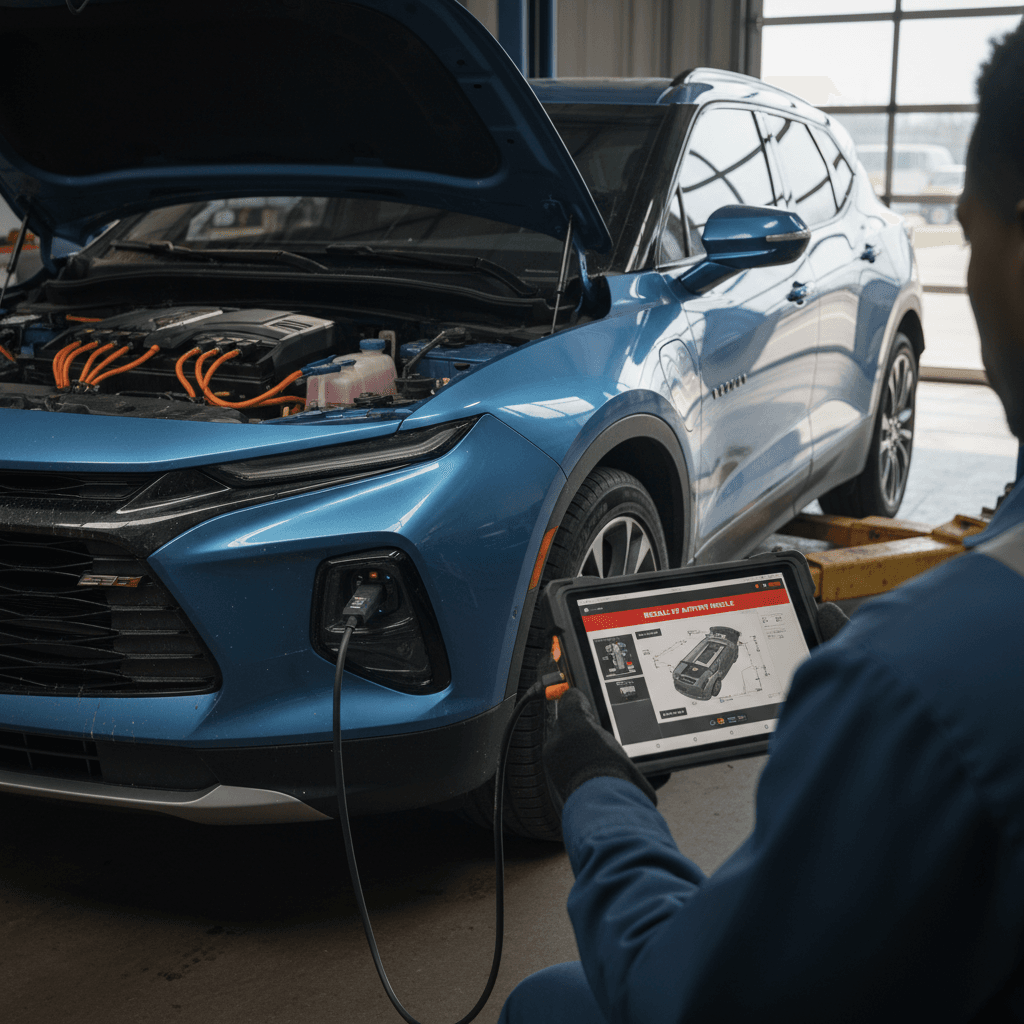
Living with a fast‑moving software stack
If you’re evaluating a used R1T, plan to spend extra time in the UI during a test drive. Put navigation, audio, cameras, and basic driver‑assist through their paces. If the system feels laggy, crashes, or throws repeated errors, that’s a yellow flag, especially if the seller can’t show that it’s on a current software version.
Complaint #3: Service delays, communication, and parts availability
Another common R1T owner complaint is the service experience itself. When trucks are in spec and up to date, day‑to‑day ownership can be great. But if something breaks, you’re dealing with a young network that’s still scaling up.
Typical R1T service complaints
Not every owner experiences all of these, but they come up often enough to matter if you don’t live next to a service center.
Limited footprint
Rivian has far fewer service centers than legacy brands. If you’re not near a metro area, you may be relying heavily on mobile technicians or long flatbed tows.
Scheduling delays
Owners sometimes report wait times of days or weeks for non‑critical issues when service backlogs spike or parts are constrained.
Communication gaps
Some service centers get high marks, others draw criticism for slow updates before a visit or while a vehicle sits in the shop.
Service risk to budget for
From a used‑EV standpoint, the risk isn’t that Rivian won’t stand behind the product, they’ve shown willingness to fix issues, but that you may endure more downtime and logistical hassle than with a mature, dealer‑dense brand. That’s fine if you have a backup car or flexible schedule; it’s a real problem if you don’t.
Complaint #4: Ride quality, wind noise, and build-quality nitpicks
The R1T is a serious truck with air suspension, big wheels, and off‑road aspirations. Unsurprisingly, many of the most persistent complaints once obvious mechanical issues are sorted are about refinement rather than catastrophic failures.
- Steering wheel shake or vibration at certain speeds, sometimes traced to alignment, wheel balance, or suspension setup and requiring multiple trips to fully resolve.
- Rattles and squeaks in doors, dash, or bed area that show up on rough roads or over time, more than buyers expect in a premium‑priced vehicle.
- Wind noise from the side mirrors, windshield, or roof area at highway speeds, which can vary by build and wheel/tire combo.
- Paint or trim imperfections on some trucks, especially early builds, that should have been caught before delivery and instead become service items.
The good news on ride and build
Complaint #5: Real-world range and efficiency, especially with gear
On paper, the Rivian R1T’s range numbers look competitive with other large EV pickups. In the wild, owners often discover that real‑world range can be far lower than the EPA sticker, especially when you lean into the truck’s mission: off‑road, loaded up, or towing.
- Big all‑terrain tires and roof racks or crossbars can noticeably reduce highway efficiency even at moderate speeds.
- Towing a mid‑size camper or enclosed trailer can easily cut rated range in half, and sometimes more in winter conditions or at higher speeds.
- Cold weather has the usual EV impact, but heavy curb weight and aero drag can make the R1T feel particularly thirsty in sub‑freezing highway driving.
- Some owners new to EVs simply underestimate the impact of elevation, headwinds, and speed on a blunt, high‑riding truck, leading to trip‑planning anxiety.
How to sanity‑check range on a test drive
For most buyers, the key isn’t chasing the last few miles of efficiency. It’s making sure the configuration you’re buying, battery size, wheel/tire package, and your typical load, comfortably supports your real life, from commutes to weekend trips and towing.
Complaint #6: Charging experience away from home
Rivian has done a respectable job building its own Adventure Network and integrating third‑party charging into the in‑truck nav, but R1T owners still complain about the public DC fast‑charging experience, especially compared to the best Tesla Supercharger sites.
Where R1T charging complaints show up
Most of these apply to the broader non‑Tesla EV ecosystem, but they hit harder in a large, long‑range truck.
Station reliability
As with most non‑Tesla EVs, owners report a mix of flawless stops and visits to sites where 1–2 stalls are down or derated, forcing longer waits or slower sessions.
Session speed & consistency
Charging curves can be sensitive to battery temperature and state of charge, so some drivers are frustrated when they see real‑world charging speeds below the advertised peak, especially on road trips.
Coverage gaps
Depending on your region, the nearest high‑power DC fast charger may still require a detour off the ideal route, annoying in a truck built for long‑distance adventures.
App and payment friction
Juggling multiple network apps or cards remains a sore spot for some owners, even as more stations move toward plug‑and‑charge style authentication.
If you’re coming from a Tesla, this can feel like a step backwards, though the gap has been slowly narrowing as networks add stations, and as more non‑Tesla vehicles gain better integration with major public chargers.
Complaint #7: Depreciation and total ownership costs
The final “complaint” doesn’t show up in a service ticket; it shows up in resale values. Like many early‑cycle EVs, the Rivian R1T has experienced steep depreciation from its original transaction prices, especially on high‑spec, low‑mileage trucks.
- Early adopters who paid near‑MSRP for launch‑era trucks have watched used values drop quickly as production scaled and incentives changed.
- As more inventory hits the used market, buyers have leverage, but sellers sometimes struggle to reconcile their payoff amount with current market pricing.
- Insurance premiums can be higher than a comparable gas truck, reflecting repair costs, parts pricing, and limited body‑shop familiarity.
Why depreciation can be your friend
How much do these complaints vary by year and configuration?
Not every Rivian R1T is created equal. Complaints cluster by build year, hardware generation, and even option set. While broad generalizations are risky, a few patterns have emerged from owner reports and recall history:
Broad trends in Rivian R1T complaints by build period
Use this as a directional guide, not a hard rule, for what to scrutinize on a used R1T.
| Build period | What to watch | Typical upside |
|---|---|---|
| Early 2022 builds | More reports of paint/trim issues, rattles, early suspension and alignment quirks, and initial software instability. | Often the cheapest used R1Ts; many early issues may have already been addressed under warranty. |
| Late 2022–2023 | Ongoing OTA churn, several major recall campaigns; build quality generally improving but still hit‑or‑miss unit to unit. | Better spec availability, more owner data online to benchmark your specific configuration. |
| 2024–2025 and newer | Refined hardware and software, but still seeing software‑related complaints and some new‑generation quirks. | Younger trucks with more remaining warranty and the benefit of several rounds of recall fixes baked in. |
Always verify individual VIN recall history and software state rather than relying solely on model‑year stereotypes.
Why individual inspection beats model‑year stereotypes
Shopping a used Rivian R1T: how to protect yourself
If this all sounds like a lot of risk, remember: properly managed risk is exactly why the used‑EV opportunity exists. The key is to filter out problem trucks and price in Rivian’s known weak spots before you commit.
Used Rivian R1T due‑diligence checklist
1. Pull VIN-specific recall and service history
Before anything else, run the VIN through NHTSA’s recall lookup and ask for service documentation. You want written proof that all open campaigns are completed and that recurring issues, like suspension or door rattles, have been resolved, not just temporarily patched.
2. Inspect for build-quality and cosmetic issues
Walk the truck slowly. Look for panel gaps, paint mismatches, door alignment, and bed or tailgate fit. Inside, listen for rattles while tapping trim pieces. None of this is unique to Rivian, but the brand’s early build variability makes it non‑negotiable.
3. Test the software like you live with it
On the test drive, run navigation, switch audio sources, toggle cameras, and use driver‑assist on a divided highway. Watch for freezes, lags, or error messages. If the system feels fragile in a 30‑minute drive, expect more of the same in real life.
4. Evaluate ride, noise, and steering feel
Drive at 70–75 mph on a coarse highway surface. Listen for wind noise and rattles, feel for steering shimmy, and cycle suspension modes if equipped. Any issues here could mean future time in service, even if they’re fixable under warranty.
5. Sanity-check range for your use case
Look at the battery size, wheel/tire package, and your typical routes. If you’ll tow or haul often, mentally cut the brochure range roughly in half and see if that still works with your local charging landscape.
6. Confirm remaining warranty and support options
Understand how much factory warranty is left and what it covers. If you’re buying through a platform like <strong>Recharged</strong>, review what additional protection, inspection data, and support you’re getting on top of Rivian’s backing.
How Recharged helps de‑risk a used R1T
Recharged’s EV‑specialist team can also walk you through how a particular R1T’s configuration, battery pack, wheels, tires, and options, will affect your usage, from off‑roading to commuting or towing. If you’re trading out of a gas truck, they’ll help you translate your current habits into EV terms so you’re not surprised by range or charging realities.
FAQ: Rivian R1T biggest complaints, answered
Frequently asked questions about Rivian R1T complaints
Bottom line: Who should (and shouldn’t) buy a Rivian R1T?
The Rivian R1T is one of the most compelling electric trucks on sale: quick, capable, and genuinely different from legacy pickups. Its biggest complaints, early reliability, frequent recalls, software quirks, and service friction, are less about fundamental engineering failure and more about a young automaker sprinting to scale.
If you have zero tolerance for downtime, live far from a Rivian service hub, or just want something utterly drama‑free, you’re probably better served by a more mature brand. But if you’re comfortable trading some rough edges for a uniquely capable EV truck, and you’re willing to do your homework, a well‑vetted used R1T can be a fantastic value.
Platforms like Recharged exist precisely to reduce that homework: battery‑health diagnostics, fair‑market pricing, and expert guidance on model‑specific complaints. Do that work up front, and you can enjoy the R1T’s strengths with far fewer surprises along the way.