If you’re eyeing a Rivian R1S, or already have one in your driveway, the big question is simple: what will a Rivian R1S be worth after 5 years? With a new, tech‑heavy EV brand like Rivian, you’re weighing not just style and performance, but long‑term value, battery health, and how easy it will be to sell or trade in down the road.
Quick Take
Why Rivian R1S 5‑Year Value Matters
With a starting price that can easily crest into six‑figure territory when new, the Rivian R1S is not an impulse buy. Understanding how it holds value over 5 years helps you make smarter decisions whether you’re buying new, shopping used, or deciding when to sell. Five years is also where several things converge: the early years of battery degradation, the meat of the basic warranty, and your first major decisions about keeping, refinancing, or trading the vehicle.
- You’re comparing a used Rivian R1S to a new mainstream SUV and wondering which will cost less over 5 years.
- You’re a current R1S owner trying to decide if it’s better to sell in year 3, 5, or 7.
- You want to know whether EV battery health will tank your resale value, or quietly help it.
Tip for Budget‑Minded Buyers
How EV Depreciation Works Compared With Gas SUVs
The Rivian R1S doesn’t follow the exact same depreciation curve as a gas‑powered luxury SUV. EVs are still a relatively young market, and that shows up in how quickly they lose value in the first few years, then stabilize as buyers gain confidence in long‑term battery life.
EV vs. Gas SUV Depreciation Patterns
Where the Rivian R1S fits in
Electric SUV Pattern
- Steep early drop in years 1–3 as tax credits, incentives, and early‑adopter hype normalize.
- Stabilizing years 4–7 once battery health proves itself and the market understands real‑world range.
- Software updates can add value back with new features over time.
Gas Luxury SUV Pattern
- Predictable but relentless depreciation of 50–65% by year 5.
- Ongoing expenses (fuel, maintenance) creep up as the vehicle ages.
- Added tech tends to age poorly, with no meaningful software improvements after launch.
Watch the Tech Curve
Rivian R1S 5‑Year Value: Big‑Picture Estimates
Rivian R1S Value After 5 Years: What to Expect
Because Rivian is a newer brand and the oldest customer R1S vehicles are only a few years into the real world, any 5‑year value forecast is a blend of early resale listings, EV market behavior, and luxury SUV history. Think of these as informed guardrails, not guarantees.
Illustrative Rivian R1S 5‑Year Value Scenarios
Approximate retained value assuming normal market conditions and no major accidents or title issues.
| Original MSRP | Condition & Mileage After 5 Years | Likely Retained Value | Comments |
|---|---|---|---|
| $90,000 | Excellent, ~60,000 miles | $50,000–$55,000 | Well‑maintained, clean history, desirable color and wheels. |
| $100,000 | Good, ~75,000 miles | $48,000–$54,000 | Higher mileage softens value but still attractive vs. new pricing. |
| $110,000 | Excellent, ~45,000 miles | $60,000–$66,000 | Low miles, strong spec (Quad‑Motor, desirable interior) keeps value up. |
| $90,000 | Fair, ~80,000 miles | $40,000–$46,000 | High mileage, cosmetic wear or incomplete service history pulls price down. |
These are directional examples to help you frame expectations, not precise predictions.
How This Compares to Other Luxury SUVs
9 Factors That Help or Hurt Rivian R1S Resale
Key Drivers of Rivian R1S Value
1. Brand Strength and Confidence
Rivian has built a loyal early following and strong off‑road, adventure‑EV image. If the brand continues to deliver and support vehicles well, that bodes well for 5‑year values.
2. Battery Health & Range
A Rivian R1S with a healthy battery and range close to original spec will command a premium. Documented charging habits and a third‑party battery report can calm buyer nerves.
3. Mileage and Use Pattern
An R1S with 40,000 gentle highway miles will be worth more than one with 80,000 urban miles, towing history, or heavy off‑road use. Buyers can see that in tire wear, brakes, underbody condition, and Carfax‑style reports.
4. Trim, Motor, and Pack
Desirable configurations, like larger battery packs, dual‑ or quad‑motor setups, and well‑equipped interiors, tend to hold value better. Sparse builds or quirky color combos may be harder to move.
5. Software Updates and Features
Rivian pushes over‑the‑air (OTA) updates that can improve efficiency, add features, and refine driving dynamics. A used R1S that’s been kept current feels more modern than its model year suggests.
6. Charging Experience
Access to fast, reliable charging (including future NACS compatibility) matters to second owners. Vehicles with documented road‑trip use and no fast‑charging drama will hold more appeal.
7. Exterior & Interior Condition
Adventure‑ready doesn’t mean beat‑up. Rock chips, wheel rash, stains, and pet damage all subtract from value. Clean, non‑smoker interiors and straight bodywork are worth real money on resale.
8. Accident and Title History
Frame damage, airbag deployment, or a branded title (salvage, rebuilt, lemon) can knock <strong>20–40%</strong> off what an otherwise similar R1S would bring. Even minor repairs demand good documentation.
9. Interest Rates and Incentives
High interest rates or aggressive discounts on new EVs can temporarily soften used values. When money is cheap or new supply is tight, clean used R1S models look especially attractive.
Battery Health and Range After 5 Years
Battery health is the ghost at the banquet for many used‑EV shoppers: invisible, critical, and misunderstood. The good news is that modern EV packs, when properly managed, typically age more gracefully than headline‑grabbing horror stories suggest, and the Rivian R1S is designed with that in mind.
What “Normal” Degradation Looks Like
Most healthy EVs lose roughly 5–10% of usable capacity in the first 5 years under typical use. That’s influenced by:
- Climate (extreme heat is harder on batteries).
- Charging habits (living on DC fast charging vs. mostly home Level 2).
- Driving patterns (lots of short trips vs. steady highway miles).
How That Feels in Daily Driving
A small drop in usable capacity may look like a 10–30 mile loss of range on the display compared with new. For most owners, that’s the difference between charging every three days and every two and a half, not a dealbreaker, but something buyers will factor into value.
Battery Report = Real Money
What’s Still Under Warranty in Years 4 and 5?
Warranty coverage is a huge part of the value story for any 4‑ or 5‑year‑old EV. While exact terms depend on model year and market, Rivian, like most manufacturers, splits coverage into a bumper‑to‑bumper warranty and a longer battery and electric‑drive warranty.
Typical Warranty Coverage Window for an R1S
Always verify actual coverage for a specific VIN and model year. This is a general guide only.
| Component | Typical Coverage | Years 1–3 | Years 4–5 | Value Impact |
|---|---|---|---|---|
| Bumper‑to‑Bumper | ~4 years / 50,000 miles | Fully covered | May be expiring or just expired | A still‑active comprehensive warranty is a strong selling point. |
| Battery Pack | ~8 years / 100,000+ miles | Covered | Covered (usually to 70% capacity or similar) | Reassures buyers that major battery issues are not their problem. |
| Electric Drive Units | ~8 years / 100,000+ miles | Covered | Covered | Major component protection supports higher resale values. |
| Corrosion / Perforation | Varies | Covered | Covered | Less of a concern on a relatively new R1S but still part of the story. |
Warranty coverage can significantly influence what a buyer is willing to pay for a 4‑ or 5‑year‑old Rivian R1S.
Don’t Assume, Verify
Buying a Used Rivian R1S That’s 3–6 Years Old
This 3–6‑year window is where many shoppers find the real sweet spot: a Rivian R1S that’s taken its biggest depreciation hit but still feels thoroughly modern. Here’s how to separate the good ones from the adventurous‑but‑rough ones.
Used Rivian R1S Buyer Checklist (Years 3–6)
Confirm Software and Service History
Ask for records of OTA updates and in‑person service visits. A car that’s been updated regularly is more likely to have bug fixes, feature improvements, and a cared‑for owner.
Review Charging Habits
If possible, learn whether the R1S was primarily home‑charged on Level 2 or lived on DC fast charging. Occasional fast charging is fine; exclusive fast charging with heavy mileage deserves a closer look at battery health.
Inspect for Off‑Road Wear
The R1S is built for trails, but rocks, mud, and water crossings leave clues. Check underbody protection, suspension components, and evidence of impacts or corrosion in less‑obvious spots.
Check Tires, Brakes, and Suspension
Premium all‑terrain tires and air‑suspension bits aren’t cheap. Uneven tire wear, groaning suspension, or spongy brakes can hint at hard use or deferred maintenance, and give you negotiation leverage.
Look for Build‑Quality Fixes
Early‑run vehicles sometimes get factory or service‑center fixes for minor rattles, seals, or trim. Properly documented repairs are a plus, not a minus, they show the issues were addressed.
Get a Battery & High‑Voltage Inspection
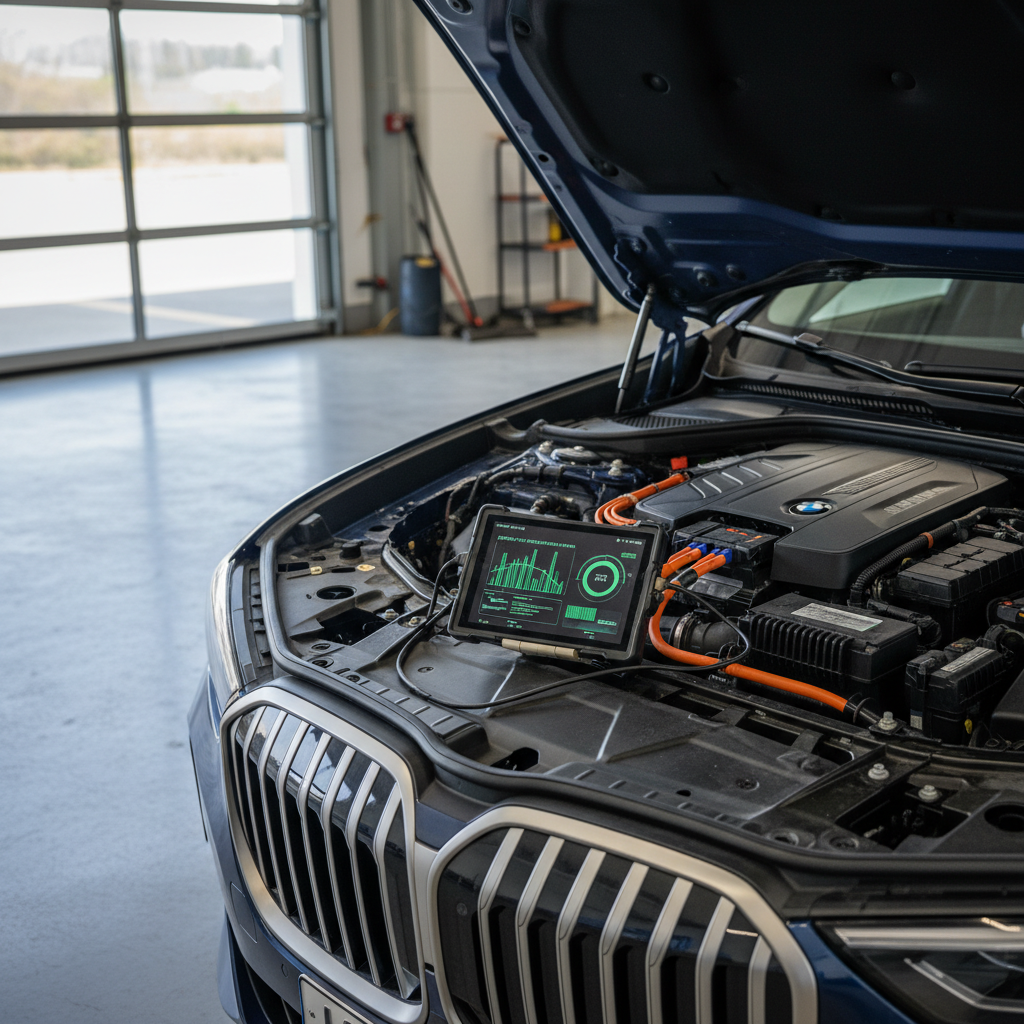
Traditional pre‑purchase inspections don’t go deep enough on EVs. You want someone, or a platform, who can read pack health, charging logs, and high‑voltage system performance.
Where Recharged Fits In
Ready to find your next EV?
Browse Vehicles
Selling or Trading Your Rivian R1S
If you’re on the other side of the equation, thinking about selling or trading your Rivian R1S, 5‑year value is where preparation pays. The cleaner and more transparent your SUV looks on paper and in person, the closer you’ll land to the top of the value range.
Three Smart Paths to Unlock R1S Value
Pick the route that matches your time and hassle tolerance
1. Private Sale
Best for squeezing every last dollar if you’re willing to handle listings, test drives, and paperwork.
- Detail the car, gather records, fix minor flaws.
- Highlight battery health, warranty, and software updates.
- Expect more time and effort, but often the highest sale price.
2. Instant Offer / Trade‑In
Best for speed and simplicity. You may give up some dollars vs. private sale, but you gain time and peace of mind.
- Great if you’re rolling equity into another vehicle.
- Clean, well‑documented EVs tend to appraise better.
3. Consignment or Marketplace
Middle ground that lets pros market your R1S to the right buyers.
- You get expert pricing and exposure.
- They handle test drives, questions, and negotiation.
Detailing That Pays for Itself
How Recharged Helps You Shop Smart for a Used R1S
Buying or selling a used EV isn’t the same as swapping out a 3‑year‑old crossover. You’re judging battery health, software life, and future‑proof charging just as much as paint and leather. That’s exactly the gap Recharged is built to close.
- Recharged Score Battery Diagnostics: Every vehicle on the Recharged platform gets a battery‑health assessment, so you can compare one Rivian R1S to another with confidence.
- Fair‑Market Pricing: Recharged analyzes market data for used EVs, including depreciation curves and equipment, to help ensure the price you see makes sense for a 3‑, 4‑, or 5‑year‑old R1S.
- EV‑Specialist Support: If you’re not sure how an R1S compares to a Model X, EQE SUV, or an I‑Pace over 5 years, Recharged’s EV specialists can walk you through charging, range, and ownership costs.
- Financing, Trade‑In, and Nationwide Delivery: Recharged can help you finance a used R1S, get an instant offer or consignment help on your current vehicle, and arrange delivery, even if you’re hundreds of miles from the nearest Rivian Service Center.
Want to See an EV in Person?
Rivian R1S 5‑Year Value: Frequently Asked Questions
Your Rivian R1S Value Questions, Answered
Bottom Line: Is a 5‑Year‑Old Rivian R1S a Smart Bet?
If you care about long‑term value, the Rivian R1S looks less like a risky experiment and more like a credible premium electric SUV with solid 5‑year prospects. You’re likely to see depreciation in line with other high‑end SUVs, with battery health, software support, and brand execution doing most of the heavy lifting. For buyers, that means a 4‑ to 6‑year‑old R1S can be an incredibly compelling package if you pick carefully; for owners, it means that caring for your battery, keeping software up to date, and documenting service will pay you back when it’s time to move on.
Whether you’re comparing a used R1S to a new gas SUV or deciding if now is the moment to sell yours, start with the facts: what it’s worth today, what the battery looks like, and how you’ll actually use it. Recharged was built to make that process simpler and more transparent, so your next step into (or out of) Rivian ownership feels less like a leap of faith and more like a well‑planned adventure.