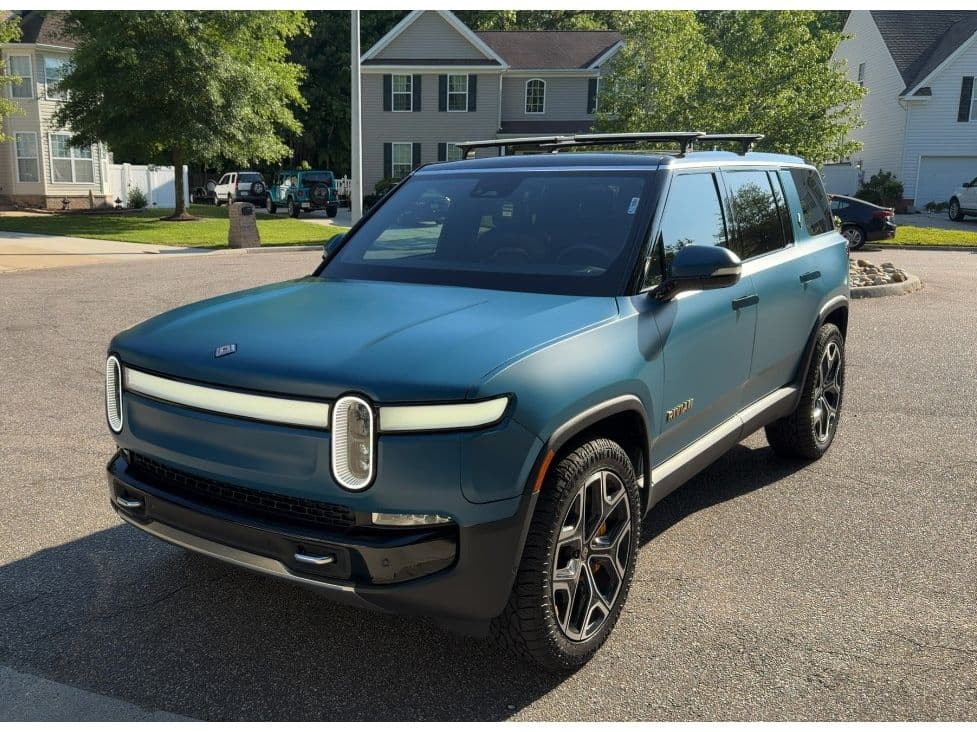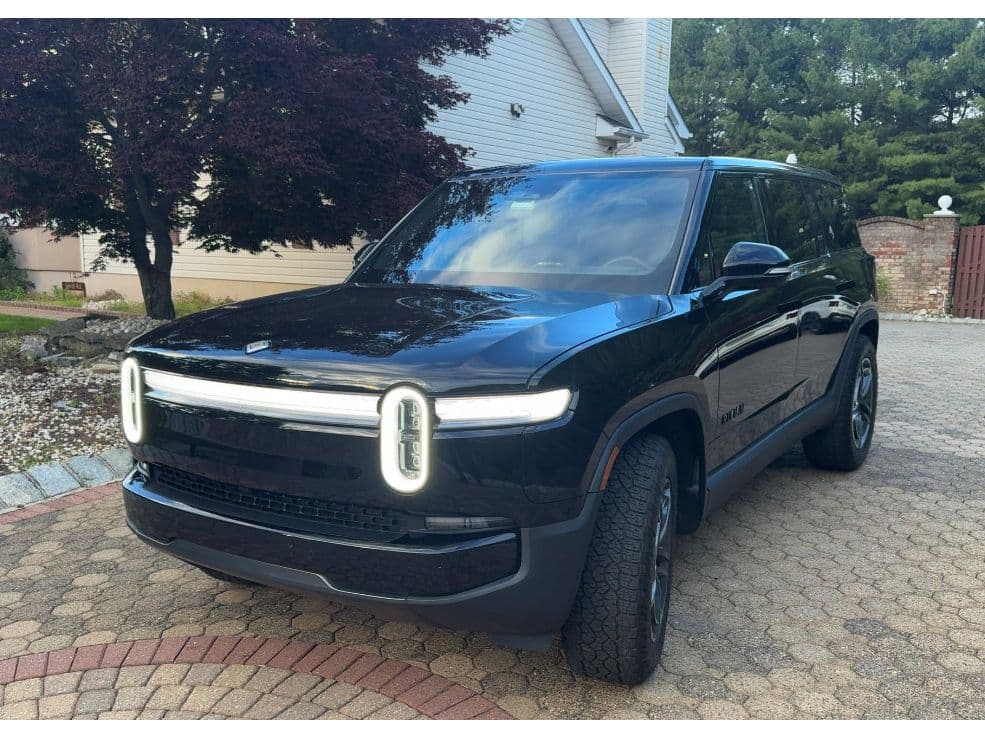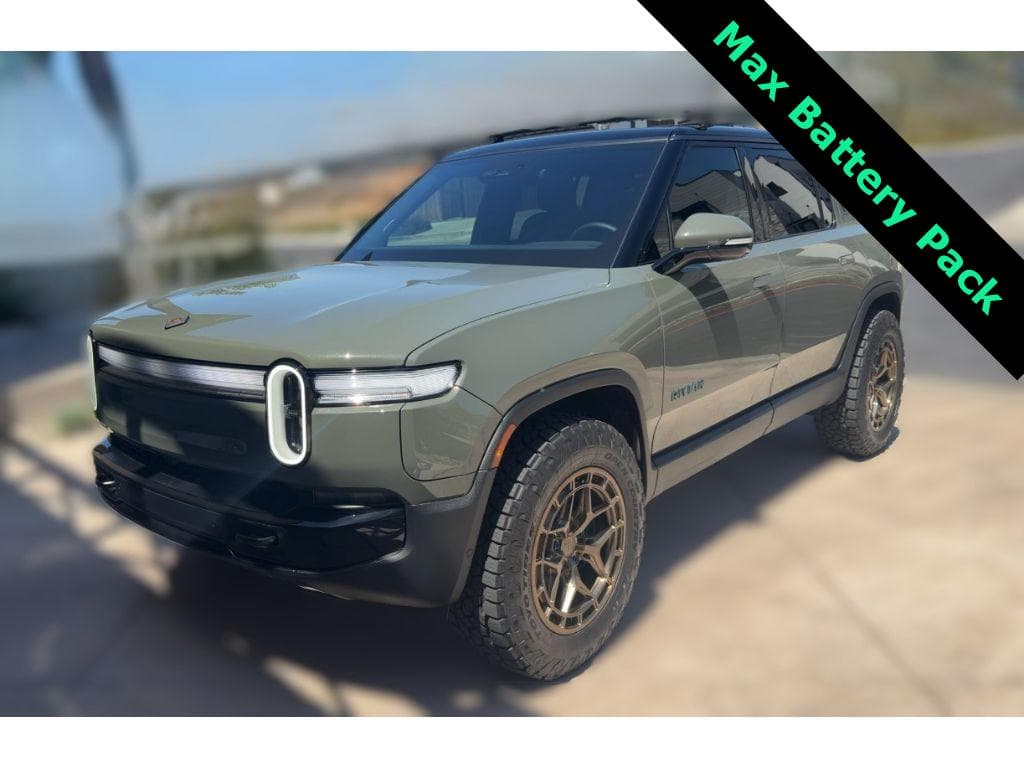
If you’re looking at a Rivian R1S, you’re probably picturing family road trips, trailheads, and Costco runs, not crash barriers and high‑speed sleds. But when you’re shopping a three‑row electric SUV that can sprint like a sports car, understanding the Rivian R1S safety rating and crash test results is non‑negotiable, especially if you’re buying used.
Short answer
Rivian R1S safety overview
Rivian R1S safety highlights at a glance
From the beginning, Rivian positioned the R1 platform as a safety‑first architecture: a rigid passenger cell, a skateboard battery pack isolated from the cabin, and generous crumple zones front and rear. The R1S is a heavy vehicle, well over three tons when loaded, but that mass is managed by a stiff structure, big brakes, and a very low center of gravity thanks to the under‑floor battery.
Model year matters
Crash test results: IIHS & NHTSA explained
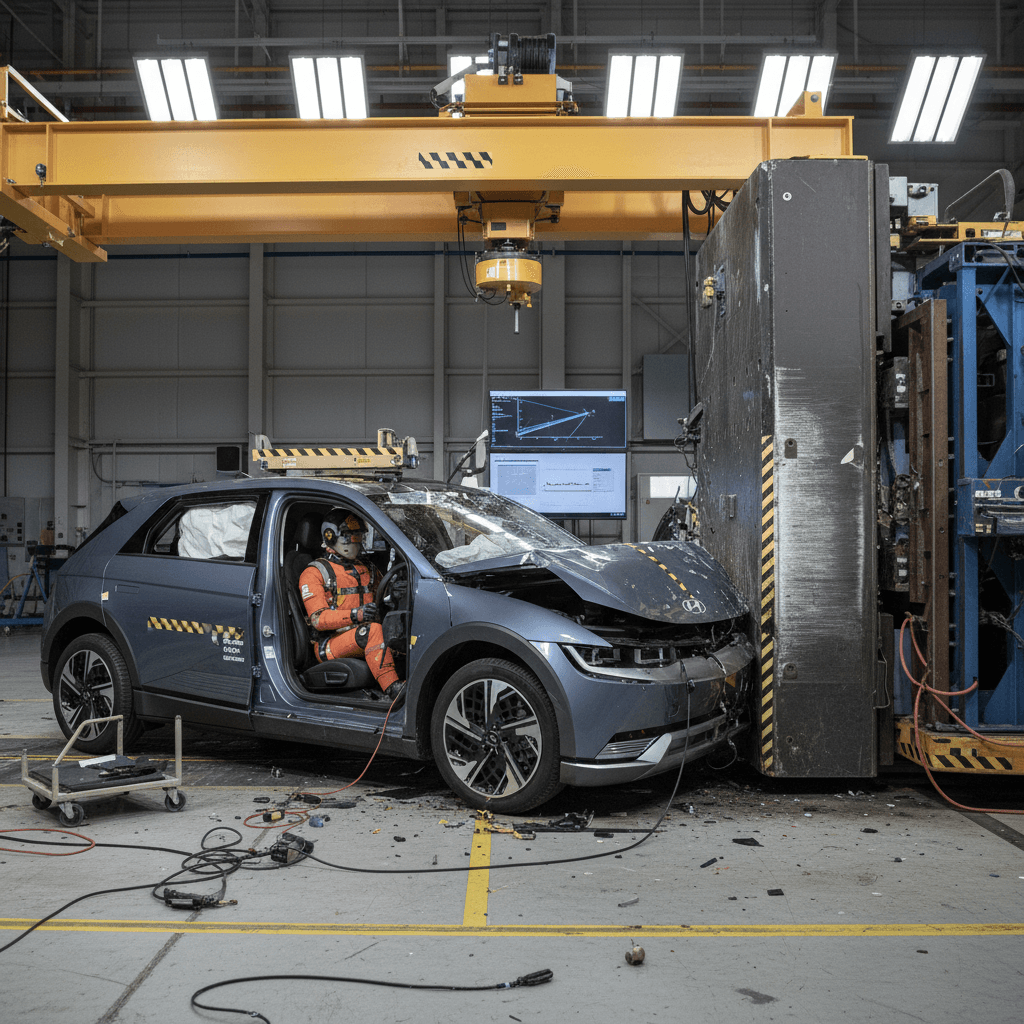
Two main U.S. organizations define the official safety story for the Rivian R1S: IIHS (Insurance Institute for Highway Safety) and NHTSA (National Highway Traffic Safety Administration). IIHS focuses on a wide battery of crashworthiness and crash‑avoidance tests and hands out the well‑known Top Safety Pick and Top Safety Pick+ awards. NHTSA runs the 5‑star frontal, side, and rollover tests you see on window stickers.
Who’s measuring R1S safety?
IIHS vs. NHTSA in plain English
IIHS: Top Safety Pick+
IIHS runs a demanding suite of tests:
- Small‑overlap and moderate‑overlap front crashes
- Updated side‑impact test with a heavier barrier
- Headlight performance and glare
- Vehicle‑to‑pedestrian automatic emergency braking
- Child seat anchors (LATCH) ease of use
The R1S has earned Top Safety Pick+ for multiple model years when built after key structural updates.
NHTSA: Star ratings
NHTSA focuses on:
- Frontal crash (driver & passenger)
- Side crash (barrier & pole)
- Static and dynamic rollover risk
At the time of writing, detailed NHTSA scores for every R1S configuration are not as prominently published as IIHS data, so most shoppers lean on the IIHS results and Rivian’s own disclosures.
2023–2025: a key era for R1S safety
How the Rivian R1S performs in specific crash tests
Crash test ratings can feel like alphabet soup, G for Good, A for Acceptable, M for Marginal, P for Poor. Here’s what those letters actually mean for you in a real‑world crash, and how the Rivian R1S crash test data stacks up.
IIHS crashworthiness ratings for Rivian R1S (recent models)
High‑level overview of how the R1S performs in major IIHS categories. Exact ratings vary slightly by model year and build date, but this captures the recent pattern for vehicles built after Rivian’s structural update.
| IIHS test | R1S rating (recent builds) | What it means for you |
|---|---|---|
| Small overlap front (driver & passenger) | Good | Strong protection in the kind of off‑center frontal crash common in head‑on collisions or hitting a pole or tree. |
| Moderate overlap front – original test | Good | Cabin holds its shape well; low risk of serious injury for front‑seat occupants in the older moderate test. |
| Moderate overlap front – updated test | Marginal to Good (by build) | Early updated tests showed some elevated forces on rear passengers; later builds improve this, but it’s a reminder to always belt the second row. |
| Side impact – updated test | Good | Excellent protection in modern, higher‑energy side impacts, good news if you’re T‑boned at an intersection. |
| Head restraints & seats | Good | Reduces whiplash risk in rear‑end crashes. |
| Headlights | Good or Acceptable | All trims get LED headlights; some years score Good, others Acceptable, but there are no Poor ratings. |
| Front crash prevention (pedestrian) | Advanced or Superior (day); Advanced (night) | Automatic emergency braking does a solid job of preventing or mitigating pedestrian impacts, including at night. |
| LATCH ease of use | Good | Family‑friendly, intuitive car‑seat anchors in the second row. |
“G” is the highest score (Good), followed by Acceptable, Marginal, and Poor.
Watch the build date
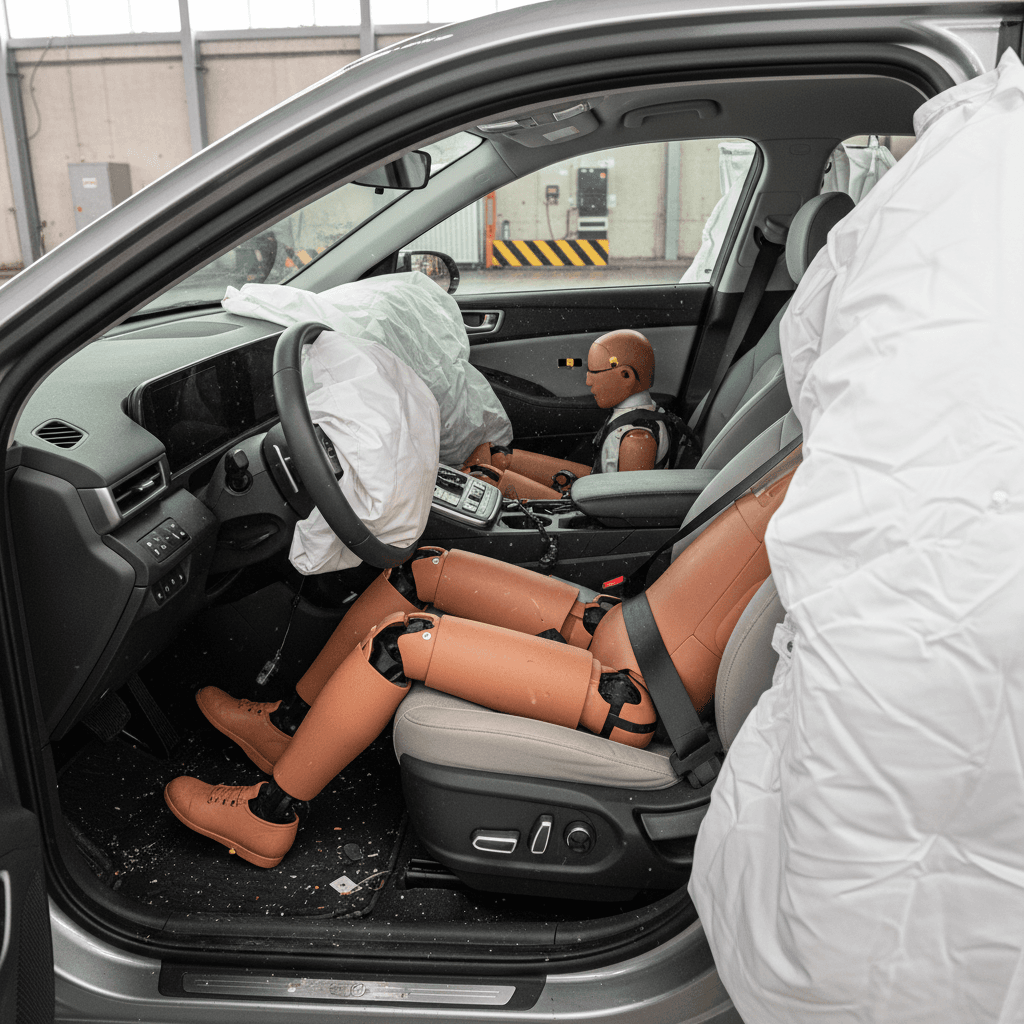
Structurally, the R1S behaves like what it is: a great big battery brick with a house dropped on top. The battery pack stiffens the floor, the A‑, B‑, and C‑pillars are heavily reinforced, and the front subframe is designed to sacrifice itself to protect the cabin and the battery. In small‑overlap and side crashes, intrusion into the footwell and occupant space is minimal, exactly what you want to see in a heavy EV SUV.
Child safety, car seats, and family use
Most R1S shoppers aren’t just thinking about themselves; they’re thinking about kids, grandparents, and a dog the size of a loveseat. The good news is that the Rivian R1S was clearly designed with families in mind, and its formal ratings back that up.
Family‑focused safety in the R1S
Why parents tend to like this SUV
LATCH anchors rated Good
IIHS rates the R1S LATCH system as Good, meaning:
- Clearly marked lower anchors
- Easy access between cushions
- Minimal interference from seatbelts or trim
That translates to faster, less frustrating car‑seat installs.
Real 3‑row space
With three rows, you can:
- Put little kids in the second row
- Reserve the third row for bigger kids or adults
- Keep everyone inside the stronger central structure
All seating positions get three‑point belts and side‑curtain airbags.
Crash‑energy management
The R1S’s long wheelbase and wide track create room for crumple zones front and rear without shoving occupants up against the axles. Combined with the low‑slung battery, it’s a stable, predictable platform in emergency maneuvers.
Don’t treat weight as invincibility
Driver-assistance tech and EV-specific safety
Beyond the passive safety baked into its structure, the Rivian R1S leans hard on active safety, software and sensors that help you avoid a crash in the first place. Think of these as the digital side of the seat belt.
Standard driver-assistance and safety tech on Rivian R1S
Automatic emergency braking
The R1S includes forward collision warning and automatic emergency braking with pedestrian detection. In IIHS testing, the system often avoids crashes entirely at lower speeds or substantially reduces impact speed at higher ones.
Lane keeping and lane departure prevention
Lane departure warning and lane keeping assist gently nudge the SUV back between the lines if you start to drift. On long highway drives, that’s a meaningful fatigue reducer, just don’t confuse it with full self‑driving.
Blind‑spot monitoring & rear cross‑traffic alert
Standard blind‑spot monitoring and rear cross‑traffic alert help cover the R1S’s sizable rear pillars, particularly when changing lanes or backing out of a crowded parking lot.
Rear automatic braking
If the R1S detects an obstacle behind you while reversing, say, a trash can or a wandering toddler, it can apply the brakes automatically to prevent or soften a collision.
Hands‑free / enhanced highway assist (newer models)
Later‑generation R1S models add a hands‑free highway system on mapped roads. It can steer, accelerate, and brake on compatible highways, but drivers must stay attentive; it’s a convenience system, not autopilot magic.
Battery and high‑voltage safety systems
In a severe impact, the R1S is designed to <strong>isolate and shut down the high‑voltage system</strong>, reducing fire risk. The battery pack sits between reinforced frame rails, away from primary impact zones.
Use tech, don’t worship it
Recalls, software fixes, and real-world concerns
No modern EV gets through its early years without a stack of recall campaigns, and the Rivian R1S is no exception. That doesn’t automatically make the vehicle unsafe, but if you’re buying used, you need to know which campaigns were completed and how they affect day‑to‑day safety.
Notable Rivian R1S safety-related recalls & issues
This isn’t an exhaustive list, but it highlights patterns used shoppers should understand. Always run the VIN through official recall tools for the latest data.
| Issue type | What was affected | Why it matters | How Rivian addressed it |
|---|---|---|---|
| Driver-assistance software misidentifying lead vehicles | Tens of thousands of R1S/R1T vehicles in certain model years | Hands‑free or highway assist systems could fail to detect a vehicle ahead under specific conditions, increasing crash risk. | Rivian pushed an over‑the‑air software update and coordinated an official recall notice; owners didn’t need to visit a service center for the fix. |
| Rear suspension service / toe link reassembly issue | R1 models serviced within a specific 2022–2025 window | Improperly reassembled rear toe links could, in rare cases, separate and affect stability, increasing risk in evasive maneuvers or bumps. | Rivian initiated a recall to inspect and, if necessary, replace components using updated procedures. |
| Seat‑belt misuse and detection (delivery vans) | Primarily commercial vans, but instructive for safety philosophy | Drivers sitting on buckled belts defeated the chime and could damage cables, compromising protection in a crash. | Rivian added software logic to detect this misuse and alert drivers; while focused on vans, it shows how seriously the company treats belt usage. |
Software recalls are often fixed over‑the‑air, while hardware recalls require service visits.
What you should do as a used buyer
It’s also worth scanning owner forums for anecdotal issues, things like occasional complaints about passenger airbag sensors being finicky with lighter occupants or sporadic bugs in early driver‑assist behavior. Most of these get smoothed out in over‑the‑air updates, but they’re a reminder that modern safety is as much code as it is steel.
Used Rivian R1S safety checklist
If you’re shopping a used R1S, the safety question isn’t just “Is this model safe?” It’s “Is this particular vehicle up to spec?” Here’s a focused checklist you can work through in a driveway or during a virtual walk‑through.
Pre-purchase safety checklist for a used R1S
1. Confirm build date vs. crash-test cutoffs
Open the driver’s door and find the certification label on the jamb or B‑pillar. Compare the month and year to IIHS notes about when structural improvements took effect. Favor vehicles built <strong>after</strong> key updates where possible.
2. Verify recall completion
Ask for a printout or screenshot showing all recall campaigns completed. If you’re buying through <strong>Recharged</strong>, our team verifies open safety recalls as part of the <strong>Recharged Score Report</strong> and flags anything outstanding.
3. Inspect seat belts and airbags
Buckle and unbuckle every belt. Make sure the airbag warning light turns on with the ignition and turns off shortly afterward. In the passenger seat, confirm the airbag status indicator behaves as expected for an adult‑sized occupant.
4. Test driver-assistance features
On a test drive, gently exercise automatic emergency braking (by approaching an obstacle slowly), lane keeping, and blind‑spot warnings in safe, controlled ways. You’re not trying to provoke a crash, just confirming basic functionality and calibrations.
5. Check for crash repairs
Look for mismatched paint, gaps in body panels, or fresh welds around front frame rails and floorpan. An R1S that’s been properly repaired can still be safe, but you’ll want documentation from a quality shop.
6. Review software version
From the center screen, open settings and note the software version. Ask the seller for update history. Newer builds should show the latest safety and driver‑assist patches already applied.
How Recharged helps
Ready to find your next EV?
Browse VehiclesHow the R1S compares to other electric SUVs on safety
The large electric SUV field is getting crowded, Tesla Model X, Mercedes EQS SUV, Kia EV9, and more. On safety, the Rivian R1S belongs comfortably in the top tier, rubbing elbows with the best of them.
Versus other large EV SUVs
- Structural performance: R1S crash structures and safety cage are competitive with or better than most large EV SUVs tested to date.
- Side-impact protection: Top marks in the updated side test put it right alongside the safest competitors.
- Headlights and visibility: Good or Acceptable LED headlights and big glass areas give it a leg up over vehicles saddled with Poor headlight ratings.
Versus smaller EV crossovers
- Mass advantage: In a multi‑vehicle crash with a smaller crossover, physics tend to favor the heavier R1S.
- Stopping power: Huge brakes and strong regenerative braking help offset that mass, as long as drivers respect following distances.
- Family flexibility: Three rows and strong LATCH ratings make the R1S more versatile for families than many 2‑row EVs.
Safety vs. practicality
Frequently asked questions about Rivian R1S safety
Rivian R1S safety FAQs
Bottom line: Is the Rivian R1S a safe SUV?
On paper and in the crash lab, the answer is yes: the Rivian R1S safety ratings and crash test results place it among the safest large SUVs you can buy, electric or otherwise. A strong safety cage, thoughtful battery protection, serious side‑impact performance, and a wall of airbags form the passive backbone. Modern driver‑assistance and constant over‑the‑air updates build the active safety layer on top.
The remaining homework is yours: choose a build date that benefits from Rivian’s structural revisions, verify recall completion, and make sure the driver‑assistance features behave the way you expect. If you’d like a guide in that process, Recharged can help you compare used R1S listings, interpret crash‑test nuances, and understand how each vehicle’s Recharged Score reflects its real‑world safety story.