If you’re driving a Rivian R1S in 2026, you’re in rare air: this is one of the most desirable electric SUVs on the road, but it’s also a vehicle that’s seen sharper‑than‑expected depreciation as the EV market has cooled off. This Rivian R1S resale value guide for 2026 walks you through how much your SUV is likely worth right now, how fast it’s dropping, and what you can do to squeeze the most value out of a sale or trade.
2026 market context
Why Rivian R1S resale value matters in 2026
The R1S is a relatively new player, volume customer deliveries didn’t really ramp until 2023, so by 2026 we’re just getting the first wave of 3–4‑year‑old SUVs into the used market. That’s when depreciation gets real. Add in Rivian’s rapid software updates, new trim mixes, and the upcoming R2 SUV, and you have an ownership story where resale strategy can easily swing your total cost of ownership by five figures.
If you bought early at a high MSRP or over sticker, you’ve already felt some of that hit. The good news: buyers have finally discovered the R1S, and transaction prices on clean, well‑optioned trucks are firmer than they were in late 2023–2024. This guide helps you understand where you sit in that curve and how to use tools like Recharged’s Recharged Score battery health report to defend your price.
Rivian R1S value snapshot in early 2026
Quick Rivian R1S value snapshot for 2026
Approximate Rivian R1S value bands in early 2026
These are broad retail asking‑price ranges before negotiation, assuming clean history and normal equipment. Your specific truck may fall above or below based on options, mileage, and condition.
| Model year | Typical mileage (2026) | Rough retail range | Comments |
|---|---|---|---|
| 2022 R1S | 25,000–45,000 miles | $60,000–$70,000 | Earliest builds; buyers scrutinize warranty time and software/hardware revisions. |
| 2023 R1S | 15,000–35,000 miles | $65,000–$75,000 | Bread‑and‑butter used stock; condition and color/options have big impact. |
| 2024 R1S | 5,000–25,000 miles | $70,000–$80,000 | Feels nearly new; many still under most of their bumper‑to‑bumper warranty. |
| 2025 R1S | Under 15,000 miles | $75,000–$85,000 | Essentially current‑model inventory; big spread based on spec and whether it’s a distress sale. |
Use this as a starting point, then refine with real listings and a battery health report.
Don’t over‑interpret any single number
How the Rivian R1S is depreciating so far
Because the R1S only reached meaningful volumes in 2023, we don’t have a decade of history to lean on. But by early 2026 we can make some reasonable observations from guidebooks, auction data, and retail listings:
- First‑year hit: Most new R1S examples lose around 8–12% of MSRP in the first year, assuming typical 10,000–15,000 miles. That’s similar to other luxury EV SUVs.
- Three‑year point: Early 2022 builds that sold in the mid‑$70k range when new can easily be trading in the low‑$60k range by 2026, a roughly 30–35% haircut from original MSRP once you factor in options and taxes.
- Five‑year forecasts: Based on broader EV trends and what we’re seeing on R1T trucks and R1S SUVs, the R1S is likely to land in the mid‑40% depreciation range by year five for an average‑mileage truck, assuming Rivian avoids any high‑profile battery or reliability scandal.
- Market mood matters: When interest rates are high and new‑EV incentives are shifting, used EV shoppers demand a discount. When money is cheap and new‑vehicle supply is tight, used values rise. The R1S is not immune.
Resale vs. total cost of ownership
Typical used Rivian R1S price ranges in early 2026
Let’s translate depreciation into dollars. These are illustrative examples built around common ownership scenarios we see in 2026. Real‑world results will depend heavily on color, configuration, history, and timing.
Real‑world Rivian R1S resale scenarios
How your specific use case might price out in 2026
2022 R1S, road‑trip warrior
Example: 2022 R1S Adventure, 40,000 miles, clean history.
- Original MSRP: around mid‑$70k (depending on options).
- Typical asking prices: low‑to‑mid‑$60k.
- Trade‑in offers: often several thousand below that.
High but normal mileage for the age pushes this into value‑buy territory for shoppers.
2023 R1S, low‑miles garage queen
Example: 2023 R1S with 15,000 miles, highly optioned.
- Original MSRP: mid‑to‑high‑$70k.
- Typical asking prices: upper‑$60k to low‑$70k.
- Exceptional condition and popular colors can justify a premium.
Buyers love clean, well‑specced 2023s, they still feel brand‑new.
2024–2025 R1S, nearly new
Example: 2024 or 2025 R1S with under 10,000 miles.
- Often listed within 10–15% of current new‑vehicle transaction prices.
- Motivated sellers (job changes, moves) may price aggressively to move quickly.
- Dealers lean hard on condition and battery reports to justify higher pricing.
Here, a clean Carfax and documented charging habits are especially valuable.
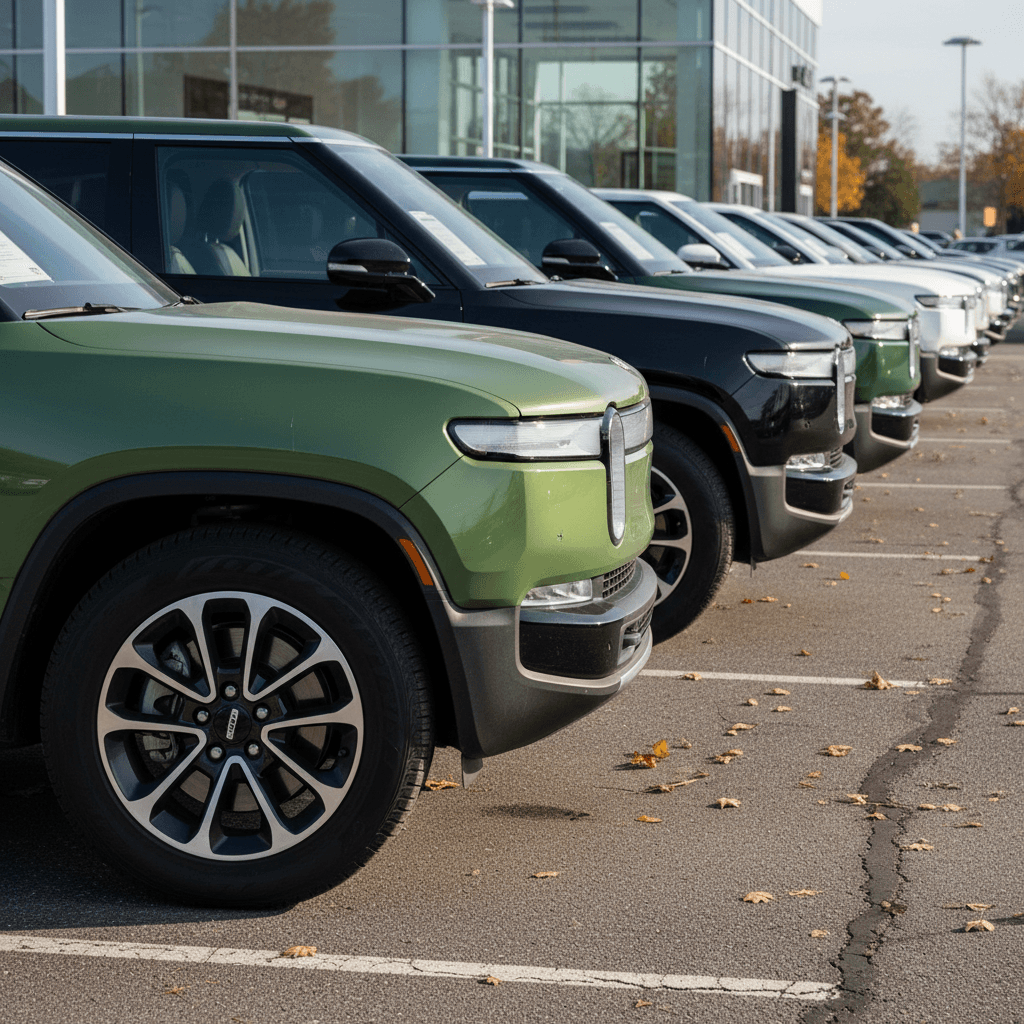
Key factors that move R1S resale up or down
Every used R1S is a story. Two trucks that look identical on paper can be thousands of dollars apart in the real world. Here are the levers that matter most in 2026.
What drives Rivian R1S resale value
1. Mileage and usage pattern
An R1S with 15,000 gentle highway miles will almost always outperform a 40,000‑mile example that’s spent its life towing and off‑roading. Stay under key mileage breakpoints, 25k, 40k, 60k, if you’re trying to preserve value.
2. Battery health and fast‑charging habits
Heavy DC fast‑charging use and frequent 100% charges can accelerate degradation. A documented history of mostly home Level 2 charging and a strong battery health report is a major resale asset.
3. Accident and repair history
Even high‑quality repairs can spook buyers on newer EVs. A clean vehicle history report and documented, professional repairs keep you closer to the top of the market.
4. Color, wheels, and options
Popular colors, larger wheel upgrades, and desirable packs (like off‑road or premium audio) support stronger resale. Oddball colors or stripped‑down specs narrow your buyer pool.
5. Software and hardware revisions
Rivian has iterated quickly. Shoppers in 2026 know that later builds often benefit from updated drive units, infotainment tweaks, and improved driver‑assist behavior. Later VINs can sometimes command a subtle premium.
6. Market timing and region
Selling in a cold‑weather state just before winter can help an all‑terrain, all‑wheel‑drive SUV like the R1S. Listing during a flood of off‑lease EVs or when rates spike can depress offers.
Leverage your strengths
How Rivian R1S resale compares to Tesla and others
Rivian doesn’t operate in a vacuum. Shoppers cross‑shop the R1S against the Tesla Model X, Mercedes EQS SUV, BMW iX, and big‑battery gas SUVs like the BMW X7 and Land Cruiser. In 2026, the R1S sits near the middle of that pack on resale performance.
Tesla Model X vs. Rivian R1S
- Brand recognition: Tesla still has the edge, which used to translate into stronger resale.
- Price cuts: Multiple new‑price reductions on Tesla’s side in 2023–2024 dragged used Model X values down, shrinking the gap.
- Buyer perception: Many 2026 shoppers see the R1S as the fresher, more outdoors‑oriented choice, which supports demand on the used side.
Net result: the R1S no longer clearly trails the Model X on resale, especially in enthusiast corners of the market.
Gas luxury SUVs vs. Rivian R1S
- Fuel vs. electricity: High fuel prices and more public charging have improved the math for EV ownership.
- Depreciation curves: Well‑known gas SUVs can still hold value extremely well, but their maintenance costs climb with age.
- Future‑proofing: For buyers worried about regulations and long‑term fuel costs, the R1S looks like a safer long‑term bet.
When you factor in lower running costs, the R1S’s slightly steeper early depreciation can even out over a 5–7‑year window.
A solid performer in a volatile segment
Best time to sell or trade a Rivian R1S in 2026
Resale value isn’t just about what you drive, it’s about when you exit. With Rivian planning the smaller R2 SUV and continuing to iterate on the R1S, 2026–2027 is a strategic window for many current owners.
- Before year 3–4: Luxury EVs, including the R1S, typically take their biggest hit in the first 3–4 years. Selling just before you cross that 3‑year or 40,000‑mile mark can preserve thousands.
- Ahead of major product news: If Rivian announces a significantly updated R1S powertrain or a drastically cheaper R2 with similar range and space, used values will feel it. Selling into strength, before that news fully hits the market, can be smart.
- Seasonal timing: In snowbelt states, demand for adventure‑ready, three‑row SUVs tends to spike in fall and early winter. In sunbelt markets, tax‑refund season and back‑to‑school periods can be strong.
- Personal life events: If you know a move, new job, or family change is coming, plan a few months ahead so you can list your R1S into a favorable market rather than being forced to take the first offer.
Waiting can cost you
Maximizing your Rivian R1S value: step‑by‑step
Think of selling an R1S the way you’d think about selling a house: presentation, documentation, and distribution all matter. Here’s a practical playbook you can follow in 2026.
Pre‑sale checklist for top‑dollar R1S offers
1. Get a battery and health report
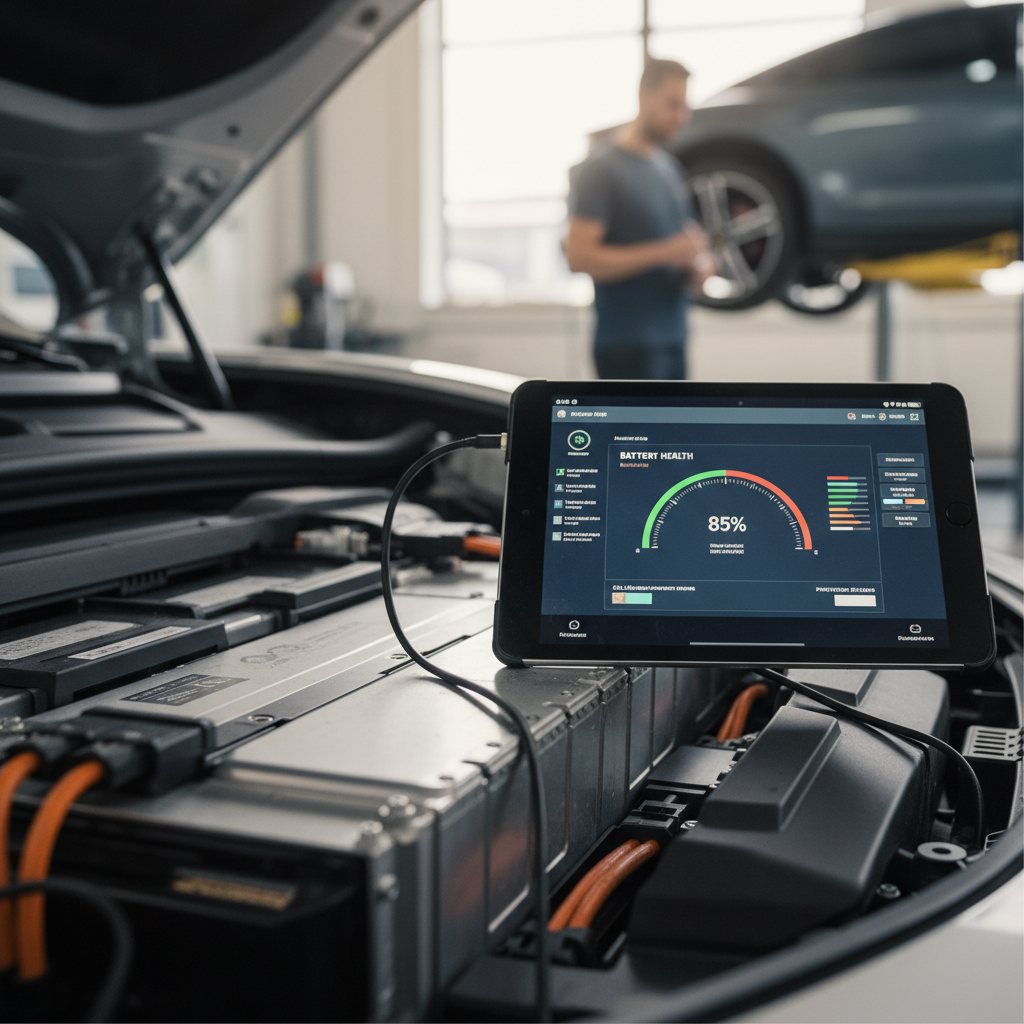
Buyers are laser‑focused on battery life. A third‑party health report, like Recharged’s <strong>Recharged Score</strong>, quantifies remaining capacity, charging habits, and any red flags. This turns anxiety into data and justifies stronger pricing.
2. Catch up on service and recalls
Make sure your R1S is current on software updates, TSBs, and recalls. A fresh inspection and documented service visit signal to buyers that you’ve been proactive.
3. Detail inside and out
Professional detailing, paint decontamination, interior steam cleaning, plastic reconditioning, does more than photos ever could. It supports the idea that your SUV has been cherished, not abused.
4. Gather documents and accessories
Have both key fobs, all charging cables, manuals, and any roof racks or accessories ready. Missing pieces give buyers easy excuses to grind your price down.
5. Photograph like a pro
Shoot in soft daylight, from multiple angles, and include close‑ups of wheels, tires, seats, and the touchscreen. Show the odometer and any recent service receipts in the listing photos.
6. Price realistically, but not timidly
Start toward the upper half of fair‑market value, then adjust based on interest in the first 7–10 days. If you’re getting lots of views but no messages, you may be 2–3% too high.
Use multiple exit options
Battery health, warranties, and the Recharged Score
For gasoline SUVs, buyers talk about engine compression and transmission shifts. For an R1S, the crucial question is, “How’s the battery?” In 2026, that conversation has matured: shoppers expect data, not hand‑waving.
What 2026 buyers want to see on your R1S
Turn unknowns into selling points
Transparent battery health
Tools like the Recharged Score tap into your R1S’s battery diagnostics to estimate remaining capacity and flag abnormal wear patterns. Instead of arguing over anecdotes about range, you can show a quantified snapshot.
That transparency builds trust and helps distinguish your SUV from less‑documented listings.
Warranty status and coverage
The R1S carries an EV‑typical split warranty: one set of limits for the battery and drive units, another for the rest of the vehicle. In 2026, many early trucks still have substantial high‑voltage coverage left.
Spell out those dates and mileages in your listing so buyers understand how protected they’ll be.
How Recharged helps on both sides of the sale
Ready to find your next EV?
Browse VehiclesShould you buy a used Rivian R1S instead of selling?
There’s another angle to this conversation: if you’re driving something else today, 2026 might be a very attractive moment to buy a used R1S instead of trading yours away.
Why a used R1S can be a smart buy in 2026
- Depreciation already baked in: On a 2–3‑year‑old truck, someone else has absorbed the brutal early years of EV depreciation.
- Mature software and hardware: Many early teething issues have been addressed via updates and running changes.
- Adventure capability at a discount: Compared with ordering new, a used R1S can deliver the same off‑road chops and on‑road comfort for tens of thousands less.
How to shop smart for a used R1S
- Focus on 2023–2024 trucks with full documentation.
- Prioritize examples with a recent battery‑health report and clean accident history.
- Work with EV‑savvy retailers like Recharged that understand the nuances of Rivian hardware and software.
- Consider financing options and total cost of ownership, not just sticker price.
Where Recharged fits in if you’re buying
Rivian R1S resale value FAQ for 2026
Frequently asked questions about Rivian R1S resale in 2026
Bottom line: the 2026 Rivian R1S resale outlook
By 2026, the Rivian R1S has settled into its role as a serious, desirable electric adventure SUV with respectable, but not invincible, resale value. If you bought early at a premium, you’ve felt more pain than latecomers. If you’re shopping used, that same depreciation has turned the R1S into a compelling value proposition compared with new.
Your job now is to treat your R1S like the high‑end asset it is: keep the battery happy, stay ahead on service, document everything, and choose your exit moment carefully. Whether you ultimately sell, trade, or upgrade through Recharged, going into the 2026 market with clear expectations and good data is the surest way to come out the other side satisfied with the deal you made.