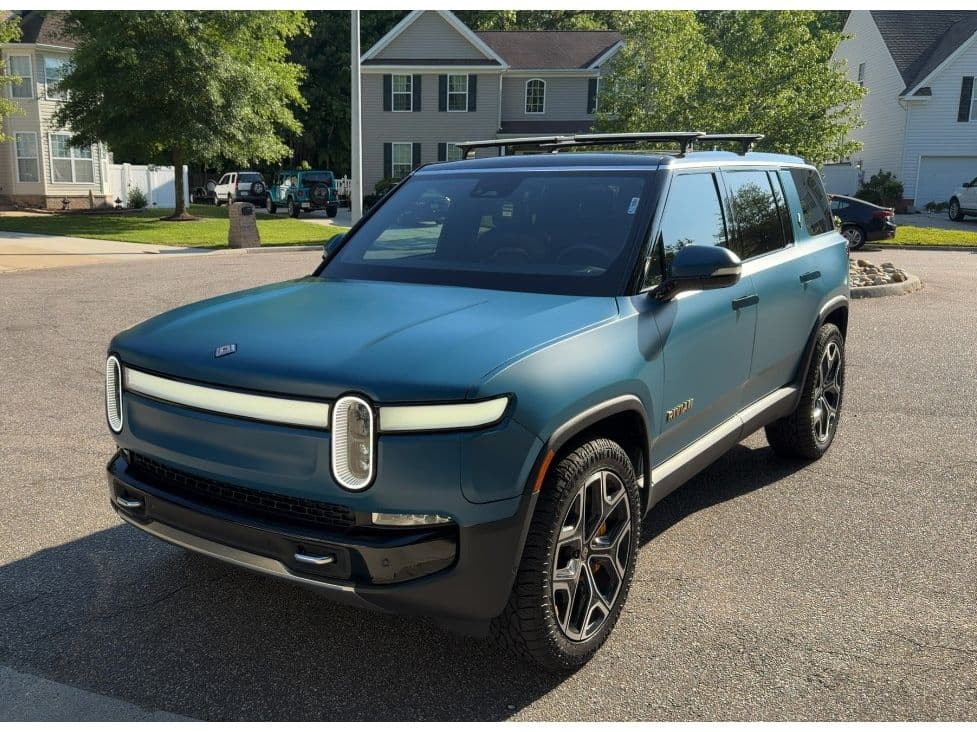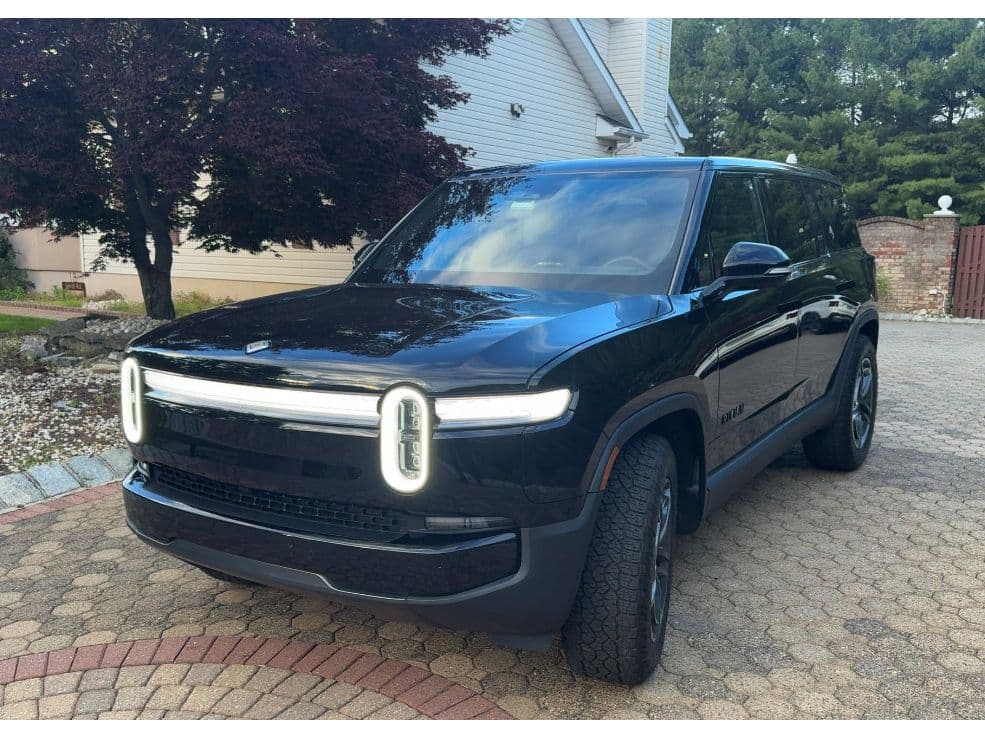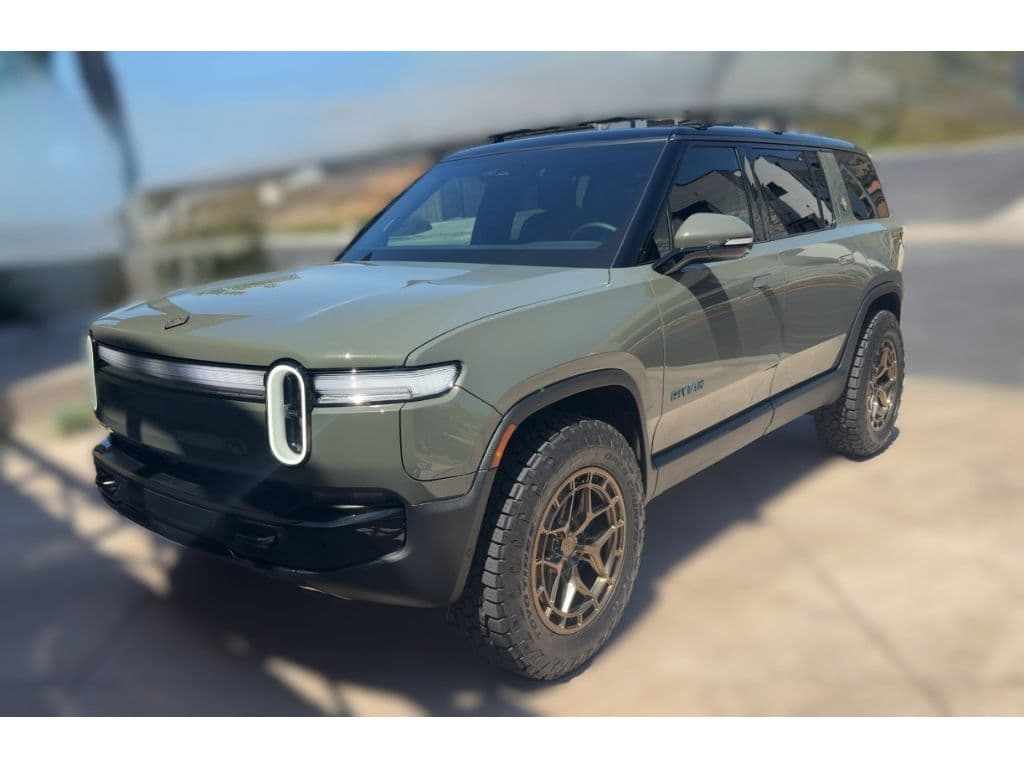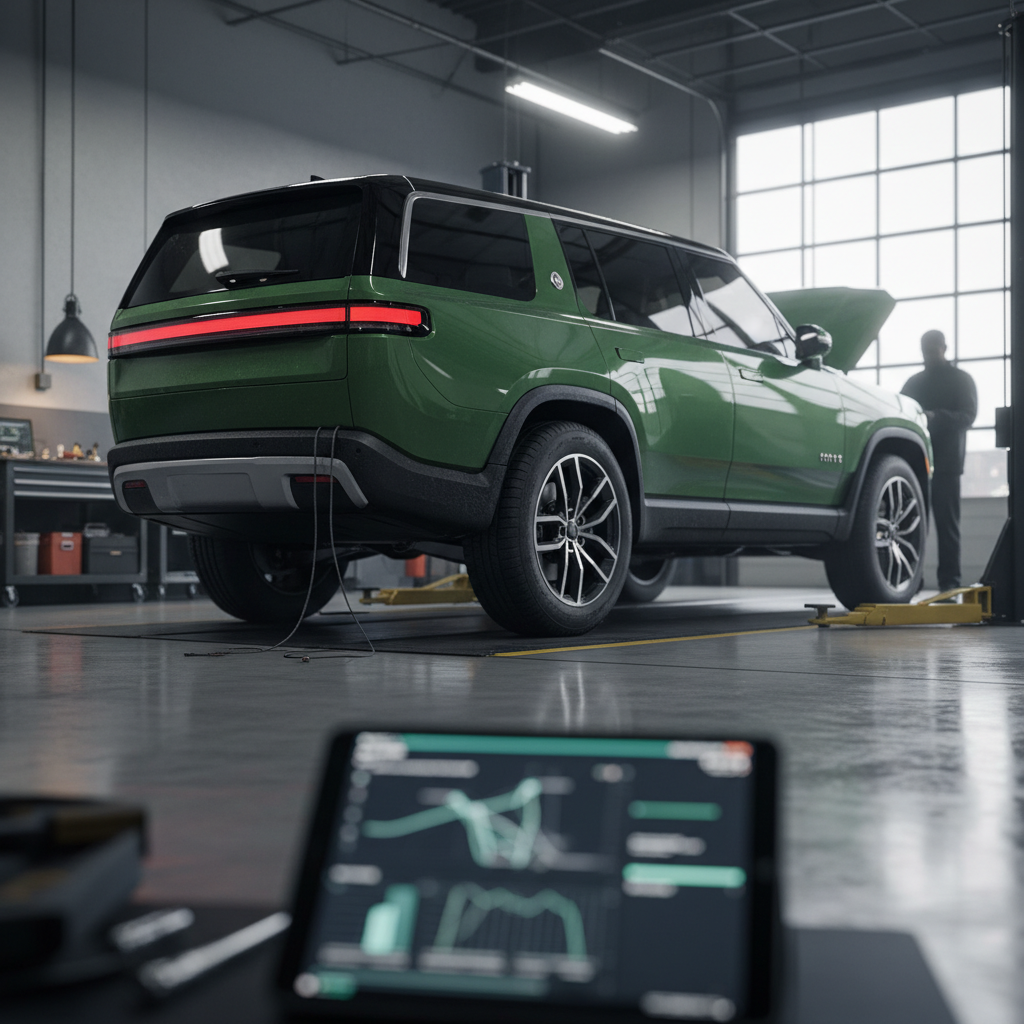
If you’re cross-shopping premium 3‑row electric SUVs, you’ve almost certainly bumped into the Rivian R1S. On paper it’s compelling: serious off‑road hardware, big battery options, a minimalist cabin, and distinctive design. But every new brand has growing pains, and the real Rivian R1S pros and cons only show up once you look past the spec sheet, especially if you’re considering a used one.
Quick take
Rivian R1S overview: where it shines and where it stumbles
Rivian R1S fast facts (as of 2025–2026)
Range note
Key Rivian R1S pros
Everyday comfort, tech, and space
The biggest everyday pro of the Rivian R1S is that it works as a real family SUV. Unlike many 3‑row EVs that feel like stretched crossovers, the R1S is tall, upright, and roomy. The second row is comfortable for adults, the third row is genuinely usable for kids and shorter trips, and cargo space with the third row folded is generous enough for road-trip duty.
Interior strengths at a glance
What owners tend to like once they live with an R1S
Airy, upscale cabin
Big, bright screens
Family-friendly layout
Pro tip for shoppers
One tradeoff: Rivian leans hard into screen‑based controls. Almost everything, vents, heated seats, even mirror adjustments, is on the center display. Owners say the interface is logically laid out and looks great, but if you prefer knobs and buttons, this is a clear con.
Performance and off-road capability
If you care about performance or going beyond the pavement, the R1S is in rare company. Even dual‑motor versions feel legitimately quick, and tri‑ and quad‑motor models move into supercar acceleration territory while still seating seven. Adjustable air suspension and sophisticated traction software give the R1S real off‑road chops, this isn’t a soft roader with plastic cladding.
On-road pros
- Instant torque makes merging and passing effortless, even when loaded with passengers and gear.
- Air suspension can soften up for comfort or firm for more control in corners.
- Low center of gravity from the battery keeps body roll in check for such a tall SUV.
Off-road pros
- Adjustable ride height gives serious ground clearance in Off-Road modes.
- Precise motor control helps in loose conditions where traditional SUVs rely on locking differentials.
- Short overhangs and tough underbody protection make light rock crawling and trails realistic weekend fun.
Adventure ready
Charging, range, and road-trip usability
For a big, brick-shaped SUV, the R1S delivers competitive range and solid DC fast‑charging speeds. Long-range battery options and efficiency-focused dual‑motor trims allow EPA estimates that crack the mid‑300‑mile bracket in ideal spec. In practice, owners often see lower numbers, but it’s still enough to make regional road trips realistic with planning.
- DC fast charging up to roughly 200+ kW in ideal conditions, with good charge curves on many public stations.
- Access to major CCS networks today, with a growing path into Tesla’s NACS network via adapters and evolving hardware.
- Decent route planning in the native nav, including charging stops, though third‑party apps are still popular backups.
Road-trip reality check
Key Rivian R1S cons
Reliability, recalls, and service experience
The single biggest Rivian R1S con in 2024–2026 is still reliability and service consistency. Owner reports are mixed. Some drivers rack up tens of thousands of miles with minor trim issues. Others log long lists of repairs and repeat visits for hardware and software gremlins.
Common Rivian R1S reliability themes
Patterns you’ll see if you dig through owner forums and long-term reviews
| Area | Typical issues reported | Impact on ownership |
|---|---|---|
| Suspension & half‑shafts | Clicks, clunks, and repeated half‑shaft replacements on some higher‑mileage vehicles | Annoying noises, downtime at service centers, usually handled under warranty |
| Trim & water leaks | Door seals, wind noise, water intrusion at floor or hatch on a small subset of vehicles | From squeaks/rattles to more serious water issues if not caught early |
| Software & driver assistance | Infotainment glitches, sensors acting up, occasional driver‑assist bugs fixed via recalls/updates | Generally fixable via OTA or service, but can be frustrating on a new $80k+ SUV |
| Service access | Few service centers in some regions, long waits for appointments or parts in others | Inconvenience and downtime; loaners help, but availability varies by market |
Individual experiences vary widely, but these themes show up often enough to matter for shoppers.
Don’t skip recall checks
For new and used buyers alike, the good news is that core powertrain components have largely behaved well so far. The question is less about “fatal” failures and more about nuisance repairs and time in the shop while Rivian continues to mature its hardware and service network.
Efficiency, towing, and winter performance
The R1S weighs well over three tons and has the aerodynamics of a shoebox. That combination shows up whenever you push the vehicle hard, towing, high‑speed highway runs, or winter weather. Range and efficiency drops are a reality for every EV, but the penalty can feel especially steep in a big adventure SUV like this.
Where the R1S struggles on efficiency
Important if you tow, drive fast, or live in a cold climate
Heavy towing
Cold weather
High-speed cruising
Trailer planning matters
Price, depreciation, and insurance costs
Another clear con is cost. The Rivian R1S competes with premium gas SUVs and other high‑end EVs, and pricing reflects that. New, well‑equipped models often crest into the $90,000+ range. Insurance quotes tend to be high because of vehicle value, repair complexity, and limited body-shop familiarity.
On the flip side, early resale data suggests the R1S is holding value better than some rival luxury EVs. Estimates for 2023 models point to roughly 29–35% depreciation after three years, which is in line with (or slightly better than) many high‑end gas SUVs. Used pricing is still evolving as more off‑lease and early adopters’ vehicles hit the market, but the R1S doesn’t currently look like a resale disaster.
How Recharged helps on the money side
Rivian R1S vs. other 3‑row electric SUVs
To really understand the Rivian R1S pros and cons, you have to see it alongside alternatives. In 2026, your realistic 3‑row EV options are still fairly limited, but competition is growing from both startup and legacy brands.
Rivian R1S vs. other 3‑row EVs (high-level)
How the R1S stacks up against a few common cross‑shop models on core attributes.
| Model | Driving character | Off-road capability | Interior feel | Brand maturity / service |
|---|---|---|---|---|
| Rivian R1S | Very quick, comfort-biased steering | Best-in-class off-road for an EV SUV | Airy, modern, outdoorsy premium | Startup brand; strong OTA updates, service still maturing |
| Tesla Model X | Quick, sharp on-road focus | Limited off-pavement | Minimalist tech-heavy cabin | Mature EV brand; wide service network but mixed experiences |
| Mercedes EQS SUV | Soft, luxury cruiser | Not focused on off-road | Traditional luxury with heavy tech | Legacy luxury; broad dealer/service coverage |
| Kia EV9 | Balanced, value-focused | Light off-road only | Practical, family-friendly | Mainstream brand; improving EV service footprint |
Exact specs vary by model year and trim. This table is meant as a directional comparison, not a detailed spec sheet.
Where the R1S stands out
Who the Rivian R1S is (and isn’t) right for
Match the Rivian R1S to your life
Great fit if…
You want a <strong>3‑row EV that can actually go off-road</strong>, not just to the mall.
You’re comfortable with a newer brand and can live with the occasional software quirk or trim rattle.
You have reasonable access to a Rivian service center or mobile service coverage.
Your typical towing is <strong>regional and realistic</strong>, boats, small campers, utility trailers, not 35‑foot travel trailers across the country every month.
You value distinctive design and are okay standing out in parking lots.
Probably not the best fit if…
You live far from Rivian service and don’t want to ship or flatbed a vehicle for repairs.
You tow large, heavy trailers long distances and can’t accept steep range penalties.
You’re extremely risk‑averse on reliability and prefer a well‑established dealer network.
You prioritize <strong>maximum efficiency</strong> and low operating cost over performance and capability.
You dislike touchscreens and want physical controls for most functions.
Buying a used Rivian R1S: extra pros and cons
The used market is where the Rivian R1S starts to look especially interesting. Early depreciation can work in your favor, and many first owners are enthusiasts who maintain their vehicles carefully. But you also inherit whatever software, hardware, and recall history that particular SUV has lived through.
Extra pros of a used R1S
- Lower entry price vs. new, often with plenty of factory warranty left.
- Previous owners may have already had early issues and recalls addressed.
- Real-world history: you can review service records, forum posts about that build year, and owner feedback.
Extra cons of a used R1S
- Build quality and reliability can vary a lot between early build months and later revisions.
- Some vehicles have seen repeated suspension, trim, or water‑intrusion repairs, major red flags if not fully resolved.
- Battery health and fast‑charge behavior can differ based on how the first owner drove and charged.
Used Rivian R1S checklist
1. Run a full recall and service history check
Ask for a printout of completed recalls and major repairs, and confirm there are no open campaigns. Pay extra attention to suspension work, water leaks, and any buyback/lemon history.
2. Inspect for water intrusion and wind noise
Pull the floor mats, check under the cargo floor, and look for staining or musty smells. On your test drive, listen for excessive wind noise around the windshield, doors, and panoramic roof.
3. Test all driver-assist and infotainment features
Make sure adaptive cruise, lane keeping, parking sensors, cameras, and all USB ports work as expected. Glitches should be rare and ideally fixed by the latest software update.
4. Evaluate real-world range and charging
Start with a healthy charge, log a mixed city/highway drive, and compare efficiency to what owners report for similar trims. Stop at a DC fast charger if you can to see peak speeds and stability.
5. Confirm remaining warranty and extended options
Know exactly how much factory coverage is left for the vehicle’s in‑service date and mileage, and whether extended protection plans are available and make financial sense for you.
6. Get independent validation
Whenever possible, pair a mechanical inspection with <strong>objective battery health data</strong>. Recharged’s Score Report includes a battery diagnostic so you’re not guessing about the pack’s long-term prospects.
How Recharged de‑risks a used R1S
Ready to find your next EV?
Browse VehiclesFAQ: Rivian R1S pros and cons
Common questions about Rivian R1S pros and cons
Bottom line: should you buy a Rivian R1S?
Thinking about the Rivian R1S in simple pros and cons terms, it’s clear this SUV was built for a particular kind of driver. The pros, standout design, real off‑road capability, quick performance, and a genuinely useful three‑row interior, are compelling. The cons, price, efficiency under heavy use, and a still‑maturing reliability and service story, are real and shouldn’t be glossed over.
If you crave an electric adventure SUV that can haul the family and still make you smile on a mountain pass, the R1S absolutely belongs on your shortlist. Just budget time to vet individual vehicles carefully, especially used examples, and be honest about how often you’ll tow or road‑trip long distances.
And if you want an extra layer of confidence, exploring a used Rivian R1S through Recharged can give you objective battery health data, transparent pricing, and EV‑savvy support from the first click to delivery. That’s how you turn a bold choice into a smart one.