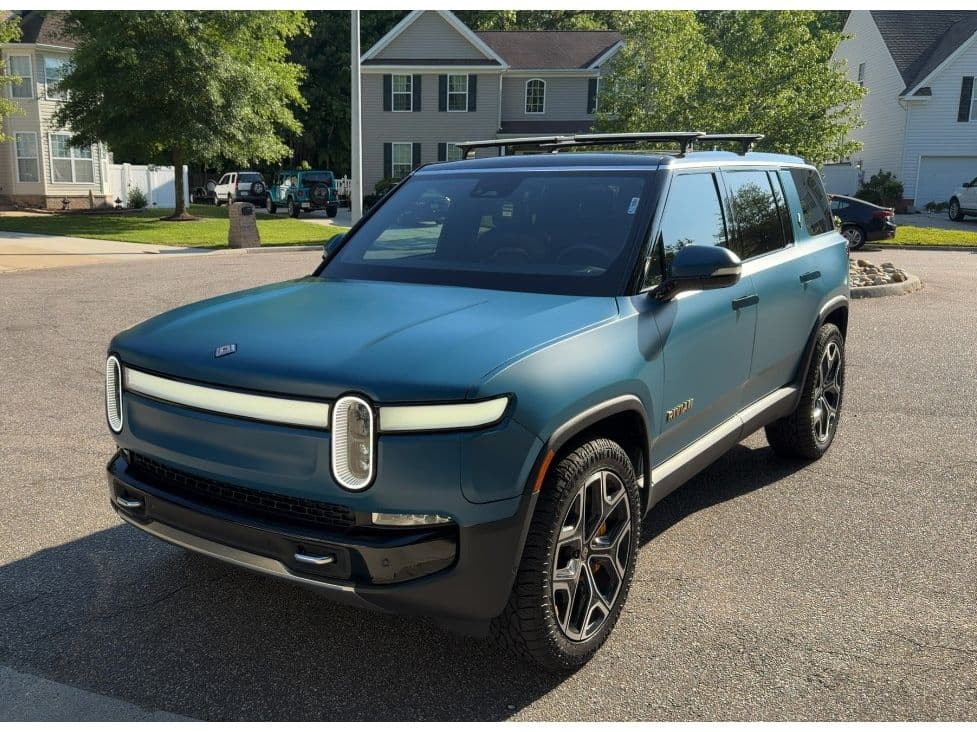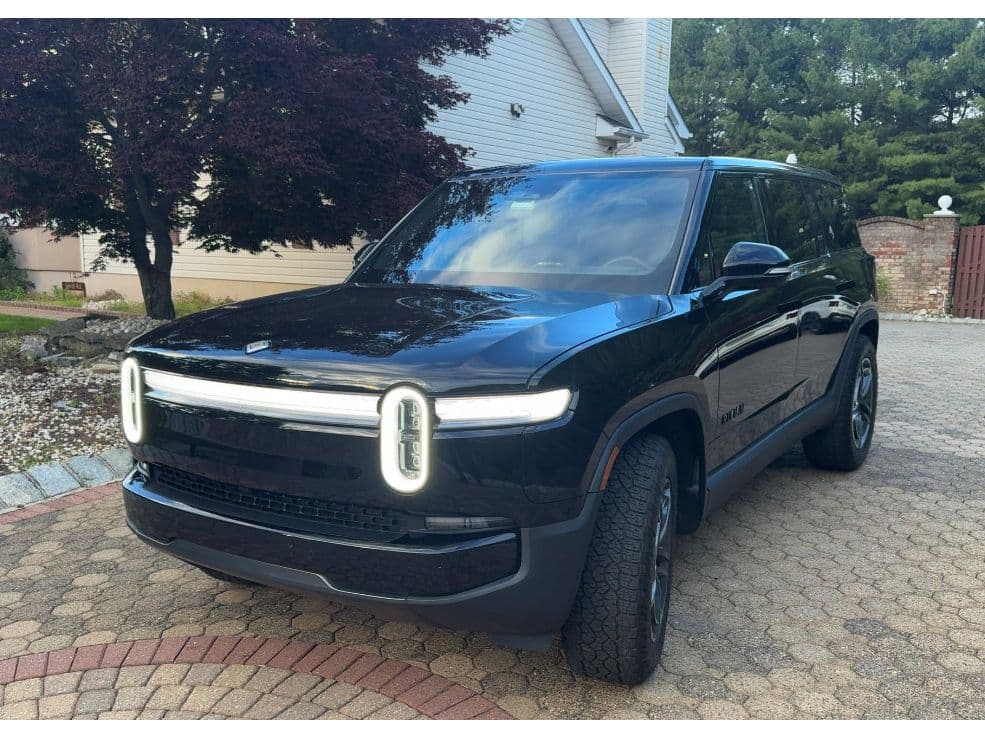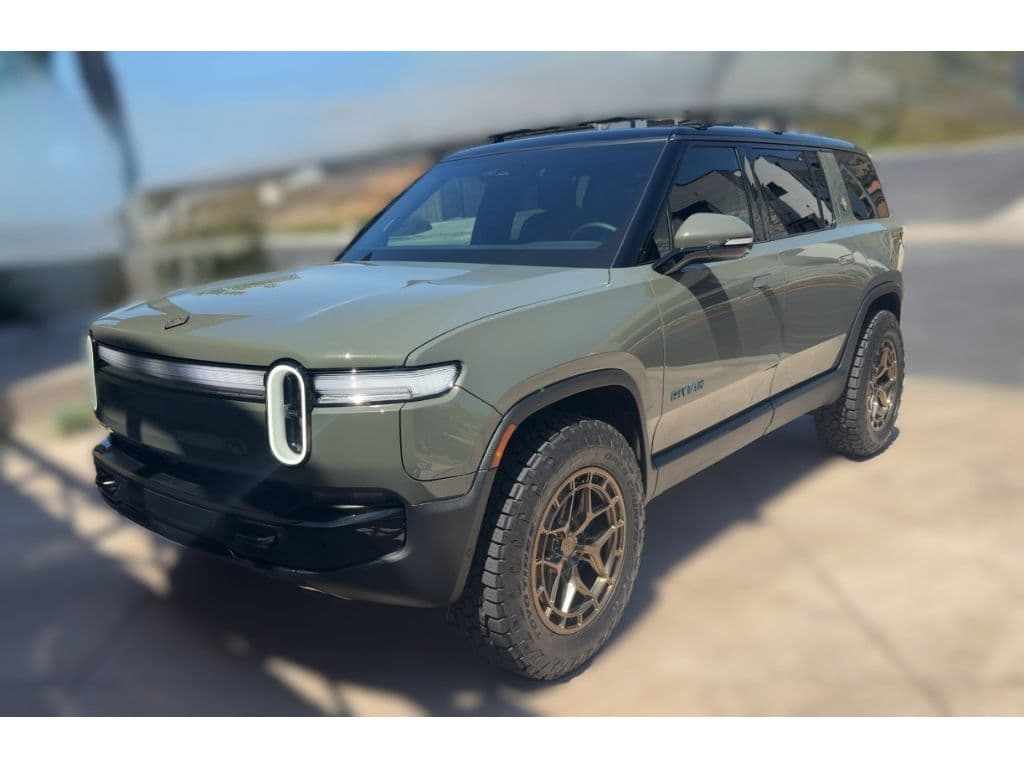
If you’re eyeing a Rivian R1S, you’re not just shopping for an electric SUV. You’re committing to a long-term relationship with a tech-heavy, off-road-capable, three-row family hauler. Before you swipe your card, or sign any loan docs, it pays to understand the Rivian R1S long-term ownership cost: depreciation, charging, insurance, maintenance, and what happens if you buy used instead of new.
Quick snapshot: 5-year R1S ownership
Why Rivian R1S long-term costs matter
The R1S sits in a rare niche: it’s an all‑electric, seven‑seat, luxury‑leaning SUV with serious off‑road hardware. That means it competes with big three‑row gas SUVs on space and capability, while behaving like a premium EV in pricing and equipment. For you, the owner, the question isn’t just, “Can I afford the payment?” It’s, “What will this cost me over 5–10 years compared with a gas alternative?”
Industry studies from groups like Vincentric and AAA consistently show that many EVs are cheaper to own over five years than their gas counterparts, mostly because you save on fuel and maintenance, even if the sticker price is higher. But they also warn that depreciation and insurance can be steeper on EVs, especially newer, high‑end brands. That’s exactly where the Rivian R1S lives.
Note on incentives and timing
Five-year Rivian R1S cost to own: What the data shows
Estimated 5-year costs for a new 2024 Rivian R1S*
A major automotive data provider recently published a True Cost to Own breakdown for the 2024 Rivian R1S over five years at 15,000 miles per year. Their estimate comes to roughly $85,000 in ownership costs over that period, broken down into depreciation, financing, insurance, electricity, taxes/fees, maintenance, and repairs.
Sample 5-year cost breakdown: 2024 Rivian R1S
Approximate 5‑year ownership costs for a new 2024 R1S, assuming 15,000 miles per year and typical U.S. electricity rates.
| Category | Year 1 | Year 2 | Year 3 | Year 4 | Year 5 | 5-year total |
|---|---|---|---|---|---|---|
| Depreciation | $25,720 | $5,654 | $5,348 | $6,274 | $5,945 | $48,941 |
| Financing (interest) | $5,068 | $4,081 | $3,024 | $1,894 | $685 | $14,752 |
| Insurance | $1,107 | $1,146 | $1,186 | $1,227 | $1,270 | $5,936 |
| Electricity ("fuel") | $1,110 | $1,143 | $1,177 | $1,212 | $1,249 | $5,891 |
| Taxes & fees | $5,899 | $35 | $35 | $35 | $35 | $6,039 |
| Maintenance | $240 | $312 | $326 | $572 | $258 | $1,708 |
| Repairs | $0 | $0 | $0 | $668 | $1,021 | $1,689 |
These are estimates, not guarantees. Your actual costs will vary by state, driving style, insurance profile, and how you charge.
How that compares to the average new vehicle
Depreciation: How fast does an R1S lose value?
Depreciation is where the Rivian R1S long-term ownership cost really swings. The same cost‑to‑own dataset above estimates nearly $49,000 in depreciation over five years for a new 2024 R1S. That’s easily the biggest line item on the ledger.
Looking at real‑world resale data for the 2023 R1S, used‑vehicle valuation services show roughly 30–31% depreciation after three years, with resale values in the mid‑$50,000s from original MSRPs near $80,000. That actually puts the R1S in the better half of its SUV peer group: it’s losing value quickly in absolute dollars, but holding its percentage value better than many luxury gas SUVs.
- 3-year depreciation: roughly $24,000–$25,000 from new on a 2023 R1S, or about 30%.
- 5-year depreciation forecast: about $49,000 from new on a 2024 R1S, or roughly 55–60% of original MSRP, depending on trim and miles.
- R1S is currently in the top 10–25% of 2023 SUVs for holding value, despite EV headwinds.
Why depreciation hits EVs differently
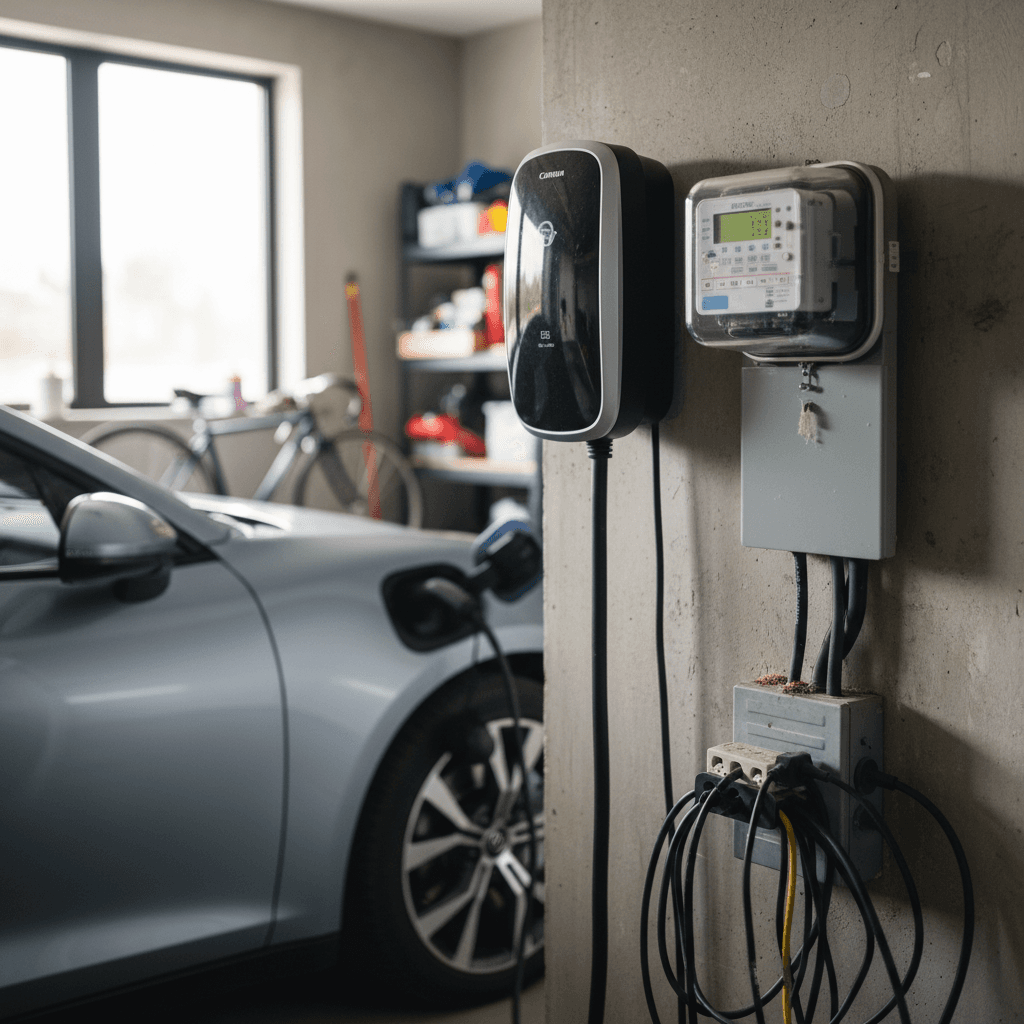
Charging costs: Electricity vs gas for a big SUV
The R1S is not a hyper‑efficient little hatchback. It’s a tall, heavy, all‑terrain SUV. Energy‑use data for recent dual‑motor R1S models puts combined consumption in the neighborhood of 34–49 kWh/100 miles, depending on tire size, battery pack, and driving conditions. Translating that into dollars is where EVs start to shine.
What you’ll spend to drive 75,000 miles
Estimated charging vs fueling costs over five years at 15,000 miles per year.
Home charging only
Assumptions:
- 35 kWh/100 mi real‑world usage
- U.S. average residential rate ~16.7¢/kWh
Result: About $0.06/mile, or around $4,500–$5,000 over 75,000 miles.
Mixed home + public fast charging
Assumptions:
- 70% home at 16.7¢/kWh
- 30% DC fast at ~35–40¢/kWh
Result: Roughly $5,500–$6,500 in electricity over 75,000 miles.
Comparable gas SUV
Assumptions:
- 18 mpg combined
- Gasoline ~ $3.15/gal average
Result: About $0.17/mile, or roughly $12,500–$13,500 in fuel over 75,000 miles.
Fuel savings are real
Insurance, taxes, and fees
Owners are often surprised at how much insurance contributes to Rivian R1S long-term ownership cost. For a 2024 R1S, one major cost‑to‑own analysis assumes about $5,900 in insurance over five years, or just over $1,100 per year. That’s actually moderate for a high‑dollar, high‑performance SUV, but your own quote may be higher.
- Higher vehicle value and expensive bodywork tend to push premiums up.
- Advanced driver‑assist tech is costly to repair after a crash.
- Rivian’s relatively small repair network can influence carrier assumptions.
On the tax side, expect a big hit in year one. That same dataset shows about $5,900 in year‑one taxes and fees for a new R1S, then a token $35 per year after that. In states that base registration strictly on vehicle value or weight, yearly fees can be much steeper, so always run the numbers with your DMV’s calculator before you commit.
Budget for higher insurance up front
Maintenance, repairs, and battery health
Here’s where EVs generally earn their keep. The R1S has no engine oil, spark plugs, or transmission fluid to service. Brake wear is reduced thanks to strong regenerative braking. For a 2024 R1S, that same 5‑year ownership model assumes just $1,708 in scheduled maintenance, that’s a fraction of what you’d typically spend on a large gas SUV over the same miles.
What you’ll actually maintain on an R1S
Less under the hood, more in software and inspections.
Battery & drivetrain
- Battery warranty: typically 8 years/120,000 miles for capacity and defects.
- No regular internal service, but health depends on charging habits and heat.
- Software manages most of the magic, updates arrive over the air.
Brakes, tires & suspension
- Regenerative braking reduces pad/rotor wear, but heavy curb weight still matters.
- Expect frequent tire replacement, especially with 20–22" all‑terrain setups.
- Air suspension and adaptive dampers are costly if they ever fail out of warranty.
Over-the-air updates & service
- Many fixes and improvements arrive via software, no visit required.
- For hardware issues, Rivian uses service centers and mobile techs.
- Some owners report delays and parts wait times, build that into expectations.
The big question: battery health
Rivian R1S vs gas three-row SUV: Long-term cost comparison
So how does R1S ownership stack up against a similarly capable gas SUV, think loaded Ford Expedition, Chevy Tahoe, or a luxury three‑row from BMW or Mercedes? Broadly, you’re trading higher upfront price and depreciation for lower fuel and maintenance plus a very different driving experience.
Where the R1S can cost more
- Purchase price: New R1S models typically list above many mainstream gas SUVs.
- Depreciation: Around $49,000 in estimated 5‑year depreciation on a 2024 R1S, vs. lower dollar‑figure loss on cheaper gas models.
- Insurance: Performance, tech, and repair costs can all nudge premiums upward.
Where the R1S can save you money
- Fuel: Potential $6,000–$8,000 savings in energy over 75,000 miles vs. an 18‑mpg SUV.
- Maintenance: No oil changes, fewer wear items, and roughly $1,700 in 5‑year maintenance on a new R1S in some estimates.
- Urban driving: Regenerative braking, one‑pedal driving, and fewer emissions headaches.
Independent cost‑of‑ownership studies that compare EVs and gas models side by side often find that about half of current EVs beat their gas counterparts on 5‑year ownership cost. The catch is that many of those “winners” are smaller, cheaper EVs. A Rivian R1S is a big, premium truck‑based SUV, so the comparison that matters is to similarly serious gas machines, not to a compact crossover.
How buying a used Rivian R1S changes the math
If new‑car depreciation is the villain, buying used is your plot twist. Because early‑build R1S models have already taken that chunky 3‑year hit, around 30% off original MSRP, stepping into a 2–3‑year‑old example can dramatically lower your long‑term cost to own.
New vs used Rivian R1S: Cost dynamics
How starting with a 2–3‑year‑old R1S can reshape your 5‑year ownership costs.
| Scenario | Purchase price | 3-year depreciation from your buy‑in | 5-year fuel/electricity | 5-year maintenance |
|---|---|---|---|---|
| Buy new 2026 R1S | $85,000+ typical with options | $30,000–$40,000 | $5,500–$6,500 | $1,700–$2,500 |
| Buy 3‑year‑old 2023 R1S | $55,000–$60,000 | $15,000–$20,000 (years 4–7 of its life) | $5,500–$6,500 | $2,000–$3,000 |
Numbers are directional, based on recent depreciation data and typical transaction prices.
Why a used R1S can be the sweet spot
This is exactly where a specialist used‑EV retailer like Recharged can help. Every EV we list comes with a Recharged Score Report that includes verified battery health and fair‑market pricing data. On a Rivian R1S, that means you’re not guessing about range, pack degradation, or whether the asking price actually reflects current resale trends.
Practical tips to lower your R1S long-term ownership costs
7 ways to keep Rivian R1S ownership costs in check
1. Buy the right age and mileage
If you’re cost‑sensitive, consider a 2–4‑year‑old R1S with a clean history and strong battery‑health report. You’ll skip the steepest depreciation while still enjoying plenty of warranty coverage.
2. Prioritize battery health documentation
Ask for objective battery‑health data, not just range guesses. A report like the <strong>Recharged Score</strong> can show you pack state‑of‑health and flag vehicles that have lived hard lives on fast chargers.
3. Charge smart, not just fast
Daily DC fast charging is convenient but can stress the battery over time. Use Level 2 home charging for routine use, lean on fast chargers for road trips, and avoid letting the pack sit for long periods at 0% or 100%.
4. Shop insurance before you buy
Quote multiple insurers with the exact R1S trim and your real annual mileage. Adjusting deductibles, bundling policies, or adding telematics programs can shave hundreds per year off premiums.
5. Choose wheels and tires with care
Those gorgeous 22‑inch wheels look great but eat tires and range. Smaller wheels with more sensible tires often reduce energy use and long‑term tire costs without killing the look.
6. Use scheduled service strategically
Stick to Rivian’s recommended inspection intervals, especially for brakes, suspension, and software updates. Catching a small issue early can prevent a big, out‑of‑warranty repair later.
7. Consider financing total cost, not just price
Look at the full monthly picture, payment, insurance, expected charging cost, and any subscriptions. Recharged can help you <strong>pre‑qualify for financing</strong> and compare different term lengths on used R1S models.
FAQ: Rivian R1S long-term ownership cost
Frequently asked questions about Rivian R1S ownership costs
Bottom line: Is a Rivian R1S worth it long term?
The Rivian R1S is not the cheapest way to move seven people. It’s a premium electric adventure SUV with performance that embarrasses many sports sedans and a cabin that can haul camping gear, kids, and dogs in one shot. Owning one long term means accepting high dollar‑figure depreciation and potentially higher insurance in exchange for low fuel and maintenance costs and a driving experience you simply won’t get in a traditional gas SUV.
If you buy new, the numbers say to go in with eyes open: you’re likely to see roughly $85,000 in 5‑year ownership costs in a typical scenario, most of it front‑loaded in depreciation. If you buy used, especially a 2–4‑year‑old R1S with documented battery health and fair pricing, you can dramatically improve that equation, keeping all the capability while dialing back the financial risk.
That’s where a partner like Recharged comes in. With expert EV guidance, financing, trade‑in support, nationwide delivery, and a Recharged Score on every vehicle, we’re here to make long‑term Rivian R1S ownership more predictable, and a lot more enjoyable, no matter where your adventures lead.