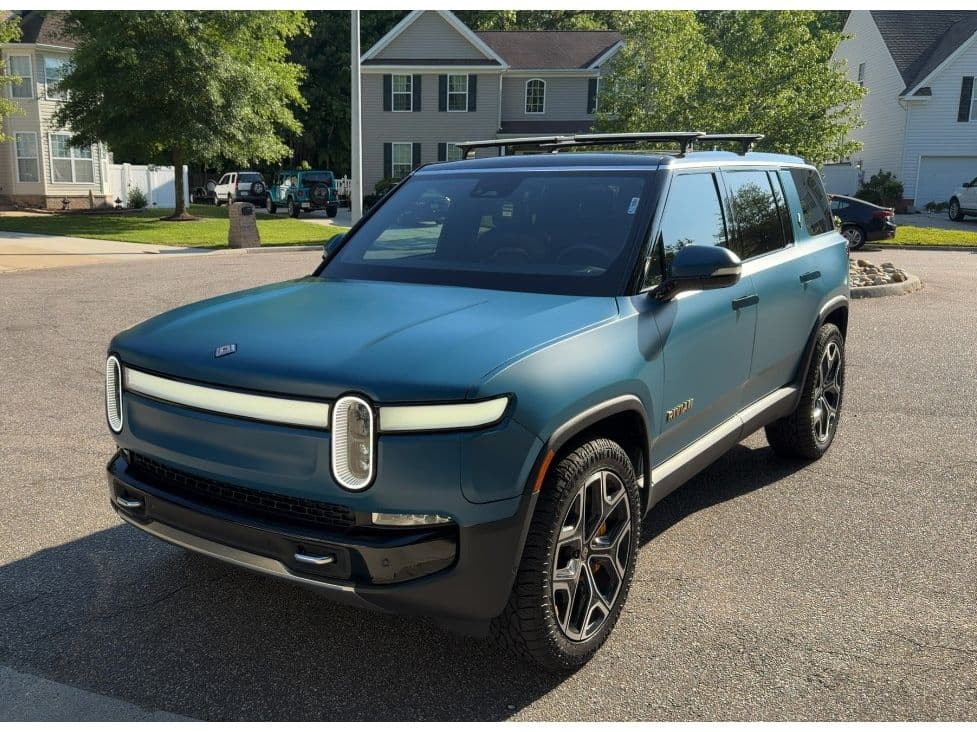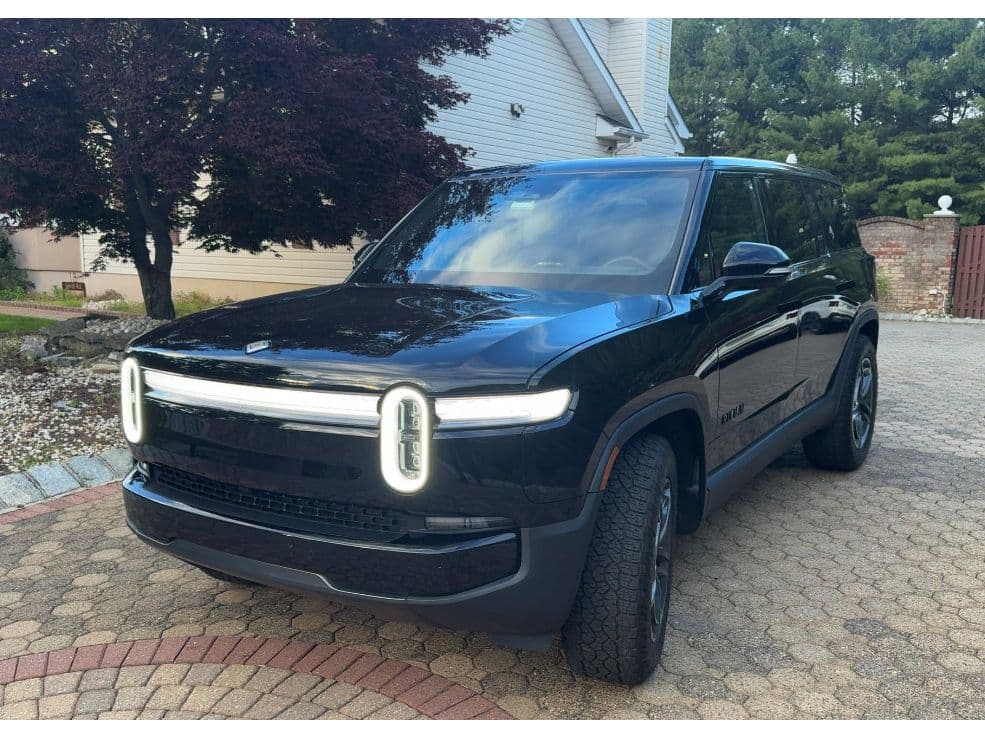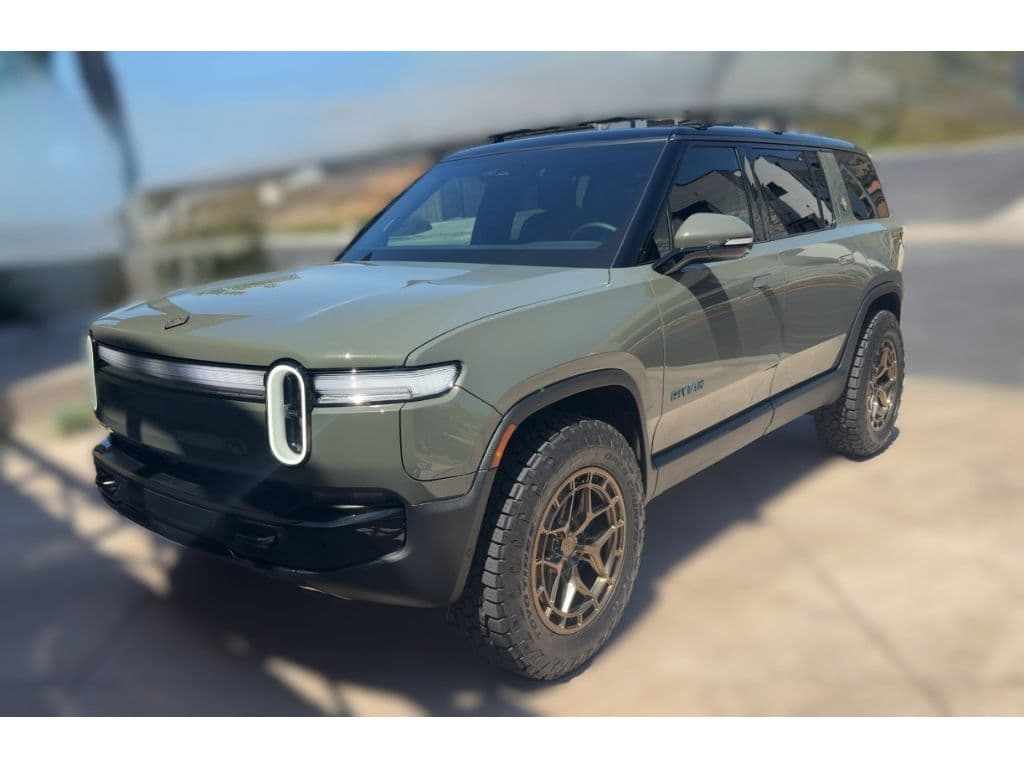
If you’re trying to figure out a fair price for a used Rivian R1S in 2025, you’re not alone. Rivian’s three‑row electric SUV launched with luxury‑car MSRPs, but a soft EV market and rapid model updates have pushed used prices down much faster than many buyers expected. The result: genuinely compelling deals, if you know how to read the numbers.
Why this guide uses ranges, not single prices
Why the Rivian R1S Used Market Is So Interesting in 2025
The R1S sits in a rare niche: it’s an all‑electric, off‑road‑capable, three‑row SUV with big‑battery range and performance. New, it’s priced like a luxury Land Rover or Mercedes GLS. But by late 2025, analysts and used‑car platforms were already showing 30%+ depreciation within roughly three years on Rivian R1 models, with some trucks and SUVs listed tens of thousands below their original MSRP.
That combination, premium hardware and aggressive depreciation, creates opportunity. If you understand how Rivian trims, battery packs, and real‑world range work, you can buy a used R1S that fits your needs for a price that reflects both market softness and genuine long‑term value.
Rivian R1S Used Market Snapshot (U.S., 2025)
How Much Has the Rivian R1S Depreciated?
Early R1S builds carried MSRPs typically ranging from the high‑$70,000s for Dual‑Motor Standard‑pack models to the high‑$80,000s and beyond for Quad‑Motor Large and Max‑pack configurations. By late 2025, used‑car marketplaces were listing comparable Rivian R1 trucks and SUVs for under $60,000 in some cases, and more generously optioned R1S examples for $15,000–$25,000 less than their original sticker prices.
In practice, that means a three‑year‑old R1S that cost around $85,000 new might realistically trade in the low‑$60,000s today, assuming average mileage and no accident history. Heavier depreciation than many legacy SUVs is being driven by rapid EV tech progress, shifting incentives, and the fact that Rivian has already rolled out significant hardware and software updates since those early builds.
Don’t anchor on original MSRP alone
Fair Price Ranges by Model Year and Mileage
Let’s talk ballpark numbers. These are illustrative fair‑price ranges for U.S.‑market Rivian R1S SUVs in early–mid 2025, assuming clean history, no major damage, and typical equipment. Local supply, incentives, and trim details can easily move a given vehicle above or below these bands, but they provide a useful starting point when you’re scanning listings.
Illustrative Fair Price Bands for Used Rivian R1S in 2025
Approximate transaction‑target ranges for private‑party or non‑franchise dealer sales in normal condition. Add a few thousand dollars for certified or specialty inventory; subtract for high mileage or visible flaws.
| Model Year | Typical Miles in 2025 | “Fair” Buyer Target Range | Notes |
|---|---|---|---|
| 2025 (early builds) | <10,000 | $72,000–$82,000 | Essentially nearly new; adjust heavily for Max pack, Tri‑Motor, or unique builds. |
| 2024 | 10,000–30,000 | $65,000–$78,000 | Large and Max packs, premium interiors, and off‑road packages sit at the top of this band. |
| 2023 | 20,000–45,000 | $60,000–$72,000 | Sweet spot for value; many well‑optioned Adventure/Launch‑style builds with strong remaining warranty. |
| 2022 | 30,000–60,000 | $55,000–$68,000 | Older hardware and software; price should clearly reflect higher mileage and any cosmetic wear. |
| High‑mile (any year) | 60,000–90,000+ | $48,000–$60,000 | Only justified if priced attractively and backed by clean history plus documented maintenance. |
Ranges assume Dual‑Motor or Performance Dual‑Motor with Standard, Standard+, or Large packs unless otherwise noted.
How to use these ranges
How Battery Pack, Motors, and Options Change Fair Price
With the R1S, the single biggest value driver after mileage is which battery pack and motor configuration you’re getting. Rivian has offered several packs (Standard, Standard+, Large, Large+, Max) and multiple motor layouts over the first generation and into the second‑generation refresh.
How Key R1S Configurations Influence Used Value
If two R1S SUVs have the same year and mileage, these are the options that justify paying more, or insisting on less.
Battery pack: Standard vs. Large vs. Max
EPA combined range on 2024 R1S models spans from roughly 270 miles for Standard up to about 400 miles for Max on road‑biased tires. That extra range is especially valuable if you road‑trip or tow.
Used price impact: Max pack trucks can sensibly command $4,000–$8,000 more than a similar Standard‑pack R1S, all else equal. Large or Standard+ packs usually sit in between.
Motors: Dual, Performance Dual, Tri, Quad
Dual‑Motor is more than quick enough for most buyers. Performance Dual, Tri‑Motor, and special high‑output variants add serious acceleration, often at the cost of some efficiency.
Used price impact: Expect Performance Dual or Tri‑Motor to add $2,000–$6,000 in fair value over base Dual, depending on how performance‑oriented your local market is.
Wheels, tires, and off‑road hardware
20‑inch all‑terrain tires look the part and help off‑road but can shave 5–13% off real‑world range versus road‑focused wheels. Skid plates, tow hooks, and other adventure hardware appeal to a specific buyer set.
Used price impact: True off‑road packages can support a modest premium, but worn AT tires or heavily used underbodies should push price down.
Interior & trim packages
Rivian has offered different interior themes (including more premium materials and open‑pore woods) as well as options like panoramic roofs and upgraded audio. These are classic used‑car value adds: nobody needs them, but many buyers prefer them.
On a used R1S, a desirable interior combination can reasonably justify a 3–7% price premium for buyers who care about aesthetics or family comfort.
Software, Driver+, and connectivity
Because Rivian pushes frequent over‑the‑air updates, even older R1S SUVs may have newer features than their build date suggests. Active‑safety and hands‑on driver‑assist features such as Rivian’s Driver+ system, plus connectivity packages, make the vehicle feel more modern.
Look for active subscriptions, included driver‑assist options, and confirm that all ADAS sensors and cameras are intact and functioning.
What Makes One Used R1S Worth More Than Another?
- Battery pack: Max and Large packs with healthy range retention are the most valuable configurations in 2025.
- Mileage: The difference between 15,000 and 60,000 miles on the odometer can easily swing value by $10,000 or more.
- Accident and repair history: A clean title with no major structural repairs is crucial, especially with complex EV battery structures.
- Charging profile: Vehicles that mostly DC‑fast‑charge may show more battery wear than those pampered on Level 2 home charging.
- Wheel/tire setup: Highway‑oriented wheel packages often appeal to range‑conscious buyers more than aggressive AT sets.
- Warranty status: Remaining factory battery and drivetrain coverage dramatically reduces perceived risk and supports stronger pricing.
A great used‑R1S profile in 2025
How to Check If a Used Rivian R1S Is Fairly Priced
5‑Step Fair‑Price Check for Any Used R1S Listing
1. Decode the configuration
Confirm exact model year, motor setup (Dual, Performance Dual, Tri, Quad), battery pack (Standard, Standard+, Large, Max), wheels, and major options. Listings often gloss over these; the Rivian app or VIN‑decoded spec sheets help.
2. Map year and miles to a price band
Use the fair‑price table above to place the vehicle in a realistic range based on its age and mileage. This becomes your starting anchor before adjusting for configuration and condition.
3. Adjust for battery and motors
Add or subtract value based on the pack and motors. Max pack and higher‑output motors raise fair price; Standard packs or rare, thirsty wheel/tire combos should pull it down for most buyers.
4. Benchmark against real comps
Search multiple marketplaces for R1S examples with similar year, miles, and configuration in your region. At least three true comparables will tell you if a given listing is an outlier.
5. Factor in inspection and support
Is the seller including a fresh inspection, battery health reporting, or any form of warranty? Platforms like <strong>Recharged</strong> build those into the price; private sellers usually don’t, so their vehicles should be meaningfully cheaper.
Think total cost, not just sticker price
Negotiation Strategies for Buyers and Sellers
For buyers: how to push an overpriced R1S down
- Lead with data, not feelings. Bring 2–3 comparable listings that support your target number for that year, miles, and configuration.
- Price the risk you’re taking. If the seller can’t show battery or charging‑history details, that’s a concrete reason to ask for a lower price.
- Quantify upcoming costs. Point out worn tires, brake service, or cosmetic repairs and estimate their cost to justify a specific counteroffer.
- Use time on market. If a vehicle has been sitting for weeks at the same price, ask why, and then make a firm but fair offer.
For sellers: how to justify the top of fair range
- Document everything. Service records, tire receipts, and charging habits help buyers feel comfortable paying more.
- Highlight unique value. Max pack, desirable interiors, or rare colors should be clearly called out and photographed.
- Be transparent about flaws. Honest descriptions build trust and reduce lowballing; buyers are more likely to accept a strong but justified price.
- Offer pre‑sale inspection. A third‑party or platform‑provided inspection with battery insights can close the gap between your ask and a skeptical buyer’s offer.
Avoid this common pricing trap
Inspecting Battery Health and Charging History
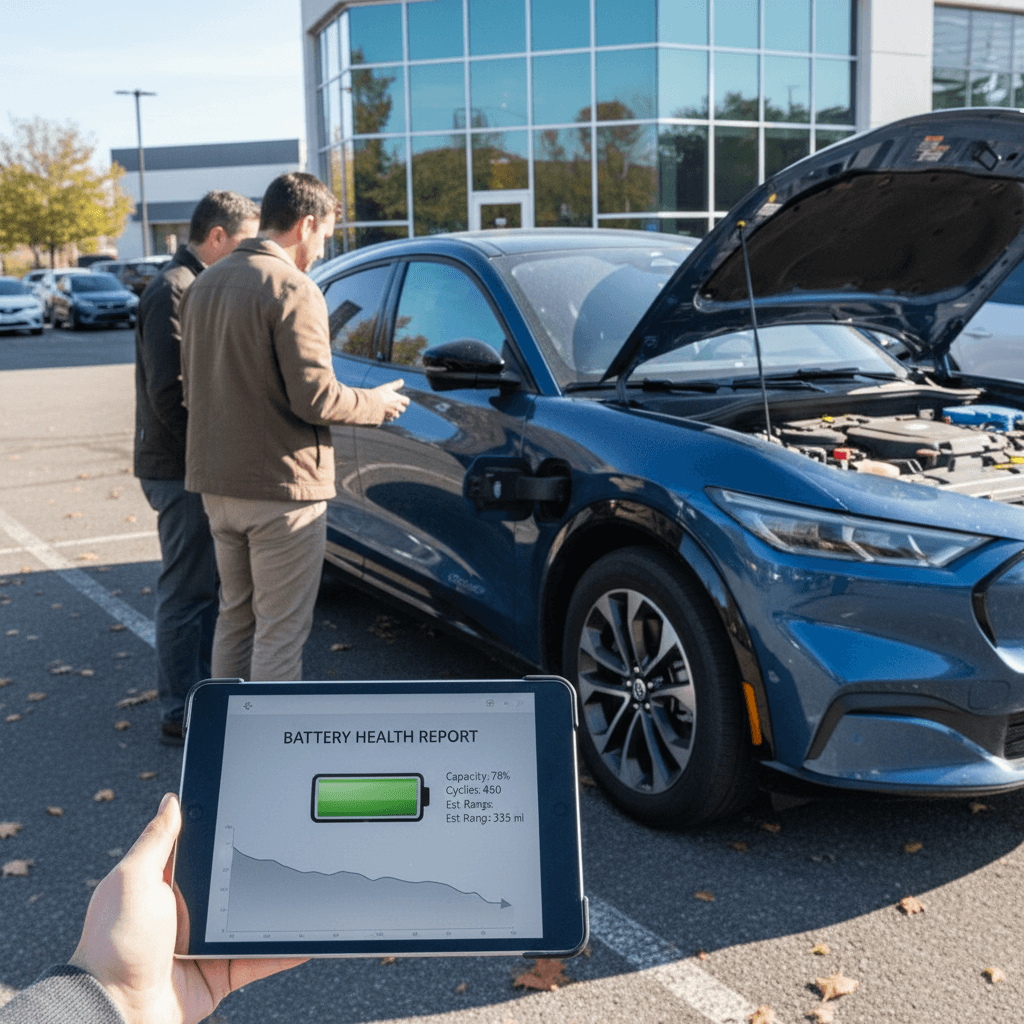
The R1S’s big battery is its single most expensive component and the heart of its value. Rivian’s packs have held up well in early real‑world use, but range is physics: heavy SUVs, aggressive tires, and lots of DC fast charging all put more stress on the pack. A fair price in 2025 should reflect how much usable range you’re actually getting, not just what the original EPA label claimed.
Battery Health Signals That Affect Fair Price
You don’t need to be an engineer, just methodical.
In‑vehicle range estimates
With the pack charged to 100% and the drive mode/wheels set realistically, compare indicated range to the EPA figure for that configuration. A modest gap is normal; a big gap suggests either aggressive driving history or some degradation.
Charging history & habits
Ask the seller where they charge most of the time. A home‑charging‑heavy history is ideal. An R1S that’s lived primarily on DC fast chargers deserves sharper pricing and closer inspection.
Independent battery reporting
Platforms like Recharged run detailed diagnostics as part of our Recharged Score, which reports on battery health, charging performance, and any stored fault codes. That allows pricing to track the true condition of the pack, not just assumptions.
Gen 1 vs. Gen 2 batteries and value
How Recharged Approaches Fair Pricing for Used R1S SUVs
At Recharged, fair pricing for a used Rivian R1S starts with the battery but doesn’t end there. Every R1S we list goes through our Recharged Score process, which combines verified battery diagnostics, detailed vehicle inspection, and live market data. That lets us price each SUV based on how it will actually perform and age in a real owner’s hands, not just book values or guesswork.
- Battery‑centric valuation: We verify pack health, charge behavior, and DC fast‑charging performance instead of assuming every R1S behaves exactly like EPA tests.
- Transparent condition reports: Photos, cosmetic grading, tire/brake measurements, and underbody checks matter on an adventure‑oriented SUV.
- Fair‑market pricing models: Our pricing combines national data with local demand, so a Colorado off‑road‑spec R1S and a Florida mall‑crawler aren’t valued the same way.
- End‑to‑end support: Financing, trade‑ins, and nationwide delivery mean you can focus on the deal itself instead of the logistics headache.
Why this matters if you’re shopping in 2025
Rivian R1S Fair Price FAQ
Frequently Asked Questions About Used Rivian R1S Pricing in 2025
Bottom Line: Is Now a Good Time to Buy a Used R1S?
If you’ve been eyeing a Rivian R1S since launch but couldn’t quite stomach the original sticker, 2025 is the first year the used market really puts it within reach for a much larger group of buyers. Depreciation has done some of the hard work for you; your job is to separate genuinely strong value from vehicles that are simply cheap for a reason.
Use the year‑and‑mileage bands in this guide as your baseline, adjust for battery pack and motors, and insist on credible information about battery health and history. Whether you shop privately, at a dealer, or through a specialist platform like Recharged, the right R1S at the right price can give you a long‑range, three‑row EV SUV with serious capability for tens of thousands less than new, without gambling on what’s under the floor.