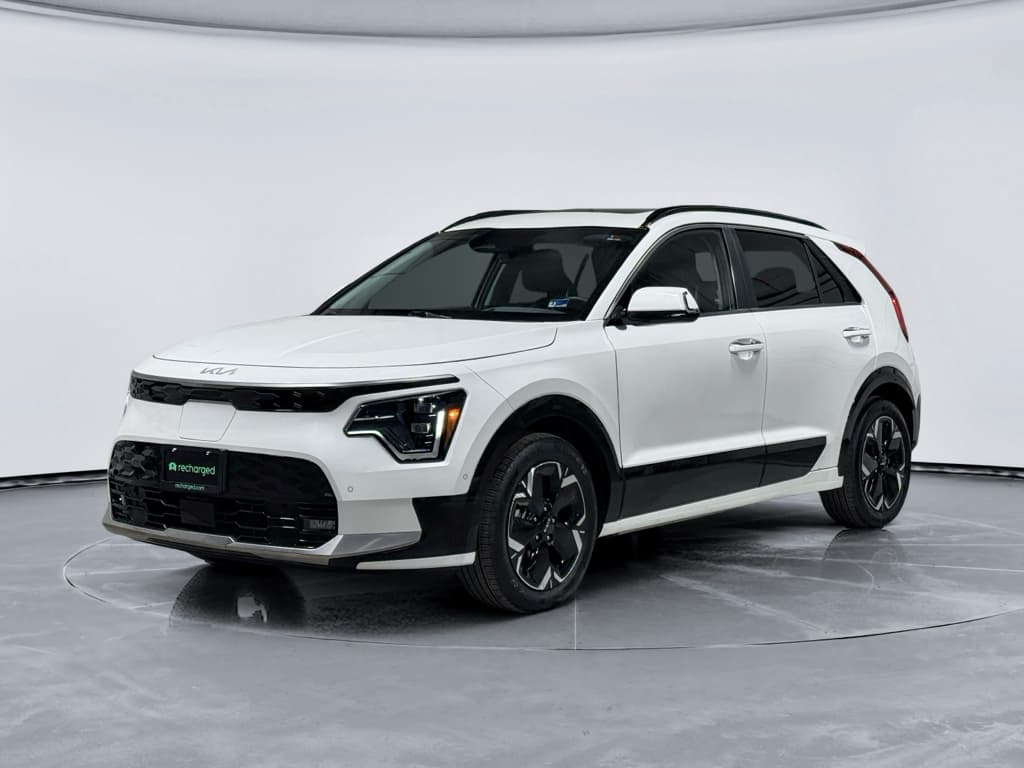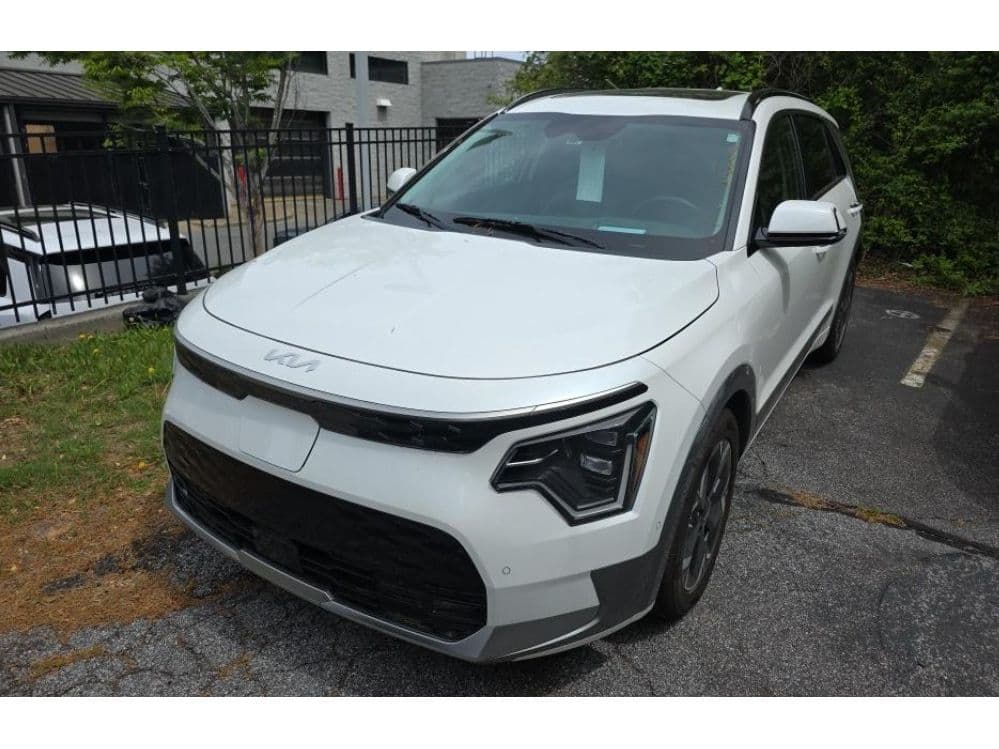
If you’re considering a Kia Niro EV or already own one, you’ve probably asked the same question every EV driver does on a road trip: “How fast will this thing actually charge?” Spec sheets are one thing, but a real Kia Niro EV charging speed test tells you how long you’ll be parked at a DC fast charger with an impatient passenger and a melting ice cream in the back.
Key takeaway up front
Why Kia Niro EV charging speed matters
On paper the Niro EV looks like a sweet spot: compact crossover, ~64.8 kWh usable battery, and EPA range around 239–253 miles depending on year and trim. But on the road, what really affects your schedule is how quickly you can add usable miles when you stop. The difference between a car that adds 150 miles in 20 minutes and one that takes 45 is the difference between a fast coffee stop and a full lunch break.
- Daily driving: how forgiving it is if you forget to plug in overnight.
- Weekend road trips: whether you can comfortably cover 300–400 miles in a day.
- Used EV shopping: whether an older or high‑mileage Niro EV still meets your needs.
Charging vs. range
Kia Niro EV charging specs at a glance
Kia Niro EV charging numbers (2023–2025 U.S. models)
Official Kia materials say the Niro EV can charge from 10 to 80% in under 45 minutes on a Level 3 DC fast charger, with a claimed maximum fast‑charge power of around 80–85 kW. Independent testing and EV databases show a very similar story: a peak of about 84–94 kW, with a 10–80% session taking roughly 40–45 minutes when conditions are good.
Station rating vs. car limit
How our Kia Niro EV charging speed test works
When we talk about a “charging speed test,” we’re not chasing lab‑perfect numbers. We’re interested in what you’ll actually see in the wild. Here’s the basic structure we use when evaluating Niro EV fast charging, and it’s the same approach you can replicate yourself.
Simple DIY Kia Niro EV charging speed test
1. Start at a known state of charge
Arrive at the DC fast charger with your battery between <strong>5–15%</strong>. The Niro EV pulls its highest power in this window, so starting low shows its best case.
2. Use a capable charger
Look for a CCS DC fast charger rated at <strong>100 kW or higher</strong>. The Niro won’t use all 350 kW, but a higher‑rated unit is less likely to be maxed out by other cars.
3. Warm up the battery
For the fairest test, drive at least 20–30 minutes beforehand or use the Niro’s navigation‑linked preconditioning (on newer models) to prepare the pack, especially in cold weather.
4. Log time and state of charge
Start a timer when charging begins and note the time when you hit <strong>50%</strong> and <strong>80%</strong>. Most apps and chargers show both SOC and time.
5. Watch peak power
Many stations and the Niro’s display show live kW. Note the <strong>highest number</strong> you see and roughly how long it stays there.
6. Note real‑world context
Record temperature, whether other cars share the station, and if you used climate control in the cabin. All of these can nudge speeds up or down.
Why 10–80%, not 0–100%?
Real-world DC fast charging results (10–80%)
Let’s translate all those specs into what you’ll likely experience at a DC fast charger with a healthy Niro EV (2019–2025 era, ~64 kWh pack). We’re assuming moderate temperatures (50–80°F), a properly working station, and a battery that’s been warmed by at least a short drive.
Typical Kia Niro EV DC fast charging times
Approximate times based on independent testing, public databases, and owner reports.
| Start SOC | End SOC | Typical Time | Average Power | Range Added* |
|---|---|---|---|---|
| 10% | 50% | 20–25 minutes | ≈75–80 kW | ~90–110 miles |
| 10% | 80% | 40–45 minutes | ≈60–70 kW | ~180–210 miles |
| 20% | 80% | 30–35 minutes | ≈65–70 kW | ~150–180 miles |
| 10% | 90% | 55–65 minutes | ≈55–60 kW | ~200–230 miles |
Your exact numbers will vary, but these ranges reflect what most Niro EV drivers see in real‑world use.
Those numbers line up nicely with data from independent charging‑curve analyses, which show the Niro EV maintaining around 80–84 kW from roughly 10 to 30% before gradually tapering down, and landing in the 45–50 kW range by the time it hits 80%.
Good news for road trips
Understanding the Kia Niro EV charging curve
Charging speed isn’t just about the highest number you see for a few seconds. What matters is the shape of the charging curve, how long the car holds near‑peak power before it tapers off. This is where the Niro EV quietly does better than some rivals.
How the Niro EV’s charging curve behaves
From low SOC sprints to the 80% slowdown, here’s what you can expect.
Early sprint (10–30%)
In this zone, a healthy Niro EV usually pulls 75–85 kW, which is roughly a 1.0 C‑rate for its ~64.8 kWh pack. This is your fastest miles‑per‑minute window.
Mid‑pack plateau (30–70%)
From about 30 to 70%, power steps down gradually but can still sit in the 60–75 kW range. This is why a 20–70% or 10–80% session is the sweet spot.
Top‑off taper (80–100%)
Above 80%, power drops sharply, often into the 20 kW or lower range as you approach full. That’s great for battery longevity but not for quick road‑trip stops.
Pro tip for faster trips
Home and Level 2 charging speeds
Fast charging gets the headlines, but Level 2 is where you’ll do most of your charging, and it’s where the Niro EV is pleasantly unremarkable in the best way.
Kia Niro EV AC charging times (typical)
Approximate times from low state of charge to full on common home and public AC setups.
| Charging Type | Power (kW) | 0–100% Time | Best Use Case |
|---|---|---|---|
| Level 1 (120V wall outlet) | 1.4 kW | 40–50 hours | Emergency top‑ups only |
| Level 2 (240V, 32A EVSE) | 7.2 kW | ≈9–10 hours | Overnight home charging |
| Level 2 (240V, 48A EVSE / 11 kW onboard) | 11 kW | ≈6–7 hours | Faster overnight or workplace charging |
| Public AC (11–22 kW station) | Limited by 11 kW onboard | ≈6–7 hours | Destination charging at hotels, garages, etc. |
Times assume a roughly depleted battery. In daily life, you’ll usually add far less than 0–100%.
Realistic nightly top‑ups
Cold weather and battery health: impact on speed
If you want the best charging speeds from your Niro EV, you have two invisible co‑drivers: temperature and battery health. Both can quietly rearrange your charging curve, especially on used cars.
Cold weather effects
- Cold batteries charge slower. In winter, you may see peak DC power closer to 40–60 kW and longer 10–80% times.
- Newer Niro EVs offer battery preconditioning tied to navigation; route to a DC fast charger and the car will warm the pack on the way.
- Even without preconditioning, a 20–30 minute highway drive before fast charging helps a lot.
Battery health & age
- Like any lithium‑ion pack, the Niro’s battery will gradually lose some capacity over the years.
- Moderate degradation (say a usable pack in the high‑50 kWhs) mostly affects how far you go per charge, but it can also slightly trim peak charging power.
- Fast‑charging constantly from low SOC to 100% is harder on the pack than gentle Level 2 top‑ups between 20–80%.
Don’t panic about one slow winter session
Road-trip planning with the Niro EV
So what do all these numbers mean when you’re staring at a long stretch of interstate? The Niro EV isn’t a “charge for 12 minutes and blast 250 miles” kind of car, but it is perfectly capable of covering serious distance with a little planning.
Sample Niro EV road-trip charging strategy
How a typical 350–400 mile day might look in good conditions.
Leg 1: Start full, run it down
Leave home or a hotel at 90–100%. Drive 150–200 miles until you’re around 15–20%. That’s your first fast‑charge stop.
Grab a coffee, let the car climb back to 75–80%. Expect ~35–45 minutes at the charger.
Leg 2 & 3: Shorter hops, shorter stops
From that 75–80% charge, drive another 140–180 miles. Repeat: arrive near 15–20%, charge to 70–80% while you have lunch.
By your second or third stop, you’ve comfortably stacked 350–400 miles into the day.
Road-trip tips for faster Niro EV charging days
Use apps to filter by charger speed
In PlugShare, A Better Routeplanner, or similar apps, filter for <strong>100 kW+ CCS stations</strong>. The Niro won’t use all of that, but weaker 50 kW units dramatically lengthen your stops.
Aim for 10–20% arrivals
Charging from 40–80% is slower than from 10–50%. Planning legs to arrive lower lets the Niro sit longer in its near‑peak charging window.
Precondition when you can
If your Niro supports navigation‑linked battery preconditioning, <strong>set the charger as your destination</strong>. Otherwise, don’t baby it, drive at highway speeds before you plug in.
Avoid camping at 100%
On trips, unplug at 80–90% and go. At home, only charge to 100% right before longer drives. Living day‑to‑day at 80–90% is kinder to the battery.
Buying a used Kia Niro EV: what to look at
Because the Niro EV’s headline numbers are solid but not outrageous, used examples can be tremendous value, if you understand how charging performance and battery health tie together. This is exactly the kind of thing Recharged’s Recharged Score is built to unpack for you.
Charging behavior to test on a used Niro EV
- Do a 10–80% DC fast‑charge test on a known good station if possible.
- Watch for peak power: a healthy pack should touch roughly 75–85 kW on a warm day.
- Note timing: if a 10–80% session consistently takes well over an hour on multiple stations and temperatures, something may be off (charger, car, or both).
How Recharged can help
- Every Niro EV sold through Recharged includes a Recharged Score Report with verified battery health and real‑world range insight.
- We combine battery diagnostics, service history, and market data so you’re not guessing how prior fast‑charging habits have affected the pack.
- Our EV specialists can talk through how a specific Niro’s charging performance fits your commute or road‑trip plans, and arrange financing, trade‑in, and nationwide delivery from the comfort of your couch.
Confidence for used‑EV shoppers
Kia Niro EV charging speed test FAQ
Kia Niro EV charging questions, answered
Bottom line: is the Kia Niro EV fast enough?
The Kia Niro EV isn’t the headline‑grabbing sprinter of the DC fast‑charging world, but it is quietly competent, and that’s often what matters most in real life. A realistic 10–80% time around 40–45 minutes, a pack that holds near‑peak power for a decent chunk of its curve, and solid Level 2 capability make it easy to live with if you plan your stops instead of winging it.
If you’re shopping used, the Niro EV’s sensible charging behavior and right‑sized battery can make it a smart buy, especially when you have hard data on battery health and charging performance. That’s exactly what you get with Recharged: a Recharged Score battery health report, transparent pricing, nationwide delivery, and EV‑savvy support from the first search to the first plug‑in at home. When you know how your Niro charges in the real world, it stops being a question mark and starts being just another part of a very livable EV.