If you’re hunting for reliable low cost cars in 2025, you’re walking a tightrope: spend too little and you inherit someone else’s problems, spend too much and you miss the whole point of “cheap.” Meanwhile insurance, interest rates, and fuel or electricity prices are all trying to pick your pocket. The good news: there are still genuinely dependable cars, gas and electric, that won’t sink your budget if you know where to look and how to shop.
Who this guide is for
Why reliable low cost cars matter in 2025
New car prices are still elevated, and interest rates haven’t magically gone back to 0%. At the same time, EV tech is maturing, gas is volatile, and the old assumption that “cheap cars are disposable” no longer makes financial sense. A reliable low cost car does three big things for you: it keeps your payment sane, it doesn’t live at the repair shop, and it sips fuel or electricity instead of gulping it.
The economics of cheap, dependable cars
Think payment + running costs
What makes a car both reliable and low cost?
The 4 pillars of a reliable low cost car
If it doesn’t check these boxes, it’s not truly cheap.
Proven reliability
Low purchase price
Cheap to maintain
Efficient to run
Beware false economy
Top reliable low cost gas cars in 2025
If you just want something that starts every morning, hauls you to work, and doesn’t inhale fuel, a small gas car is still the baseline for reliable low cost cars. In 2025, Consumer Reports and similar data‑driven outfits consistently highlight a familiar cast of characters for budget‑minded buyers.
Representative reliable low cost gas cars (2025, new or lightly used)
Pricing will vary by region and incentives, but these nameplates are perennial standouts for reliability and value.
| Model | Type | Why it’s a smart pick | Typical price band (used) |
|---|---|---|---|
| Hyundai Venue | Subcompact SUV | Simple, efficient, strong reliability scores; upright seating and good visibility. | Approx. $17k–$23k for 2–4 year‑old examples. |
| Nissan Sentra | Compact sedan | Comfortable ride, good safety equipment, solid reliability when maintained. | Around $16k–$22k for late‑model, reasonable‑mileage cars. |
| Toyota Corolla | Compact sedan/hatch | Gold‑standard reliability, easy parts and service, excellent fuel economy. | Often $18k–$24k for 3–5 year‑old cars in good condition. |
| Honda Civic | Compact sedan/hatch | Durable drivetrains, strong resale, surprisingly refined on the highway. | Roughly $19k–$25k depending on trim, miles, and region. |
Compact, efficient, and boring in all the right ways.
When a boring car is brilliant
Budget EVs: reliable low cost electric cars
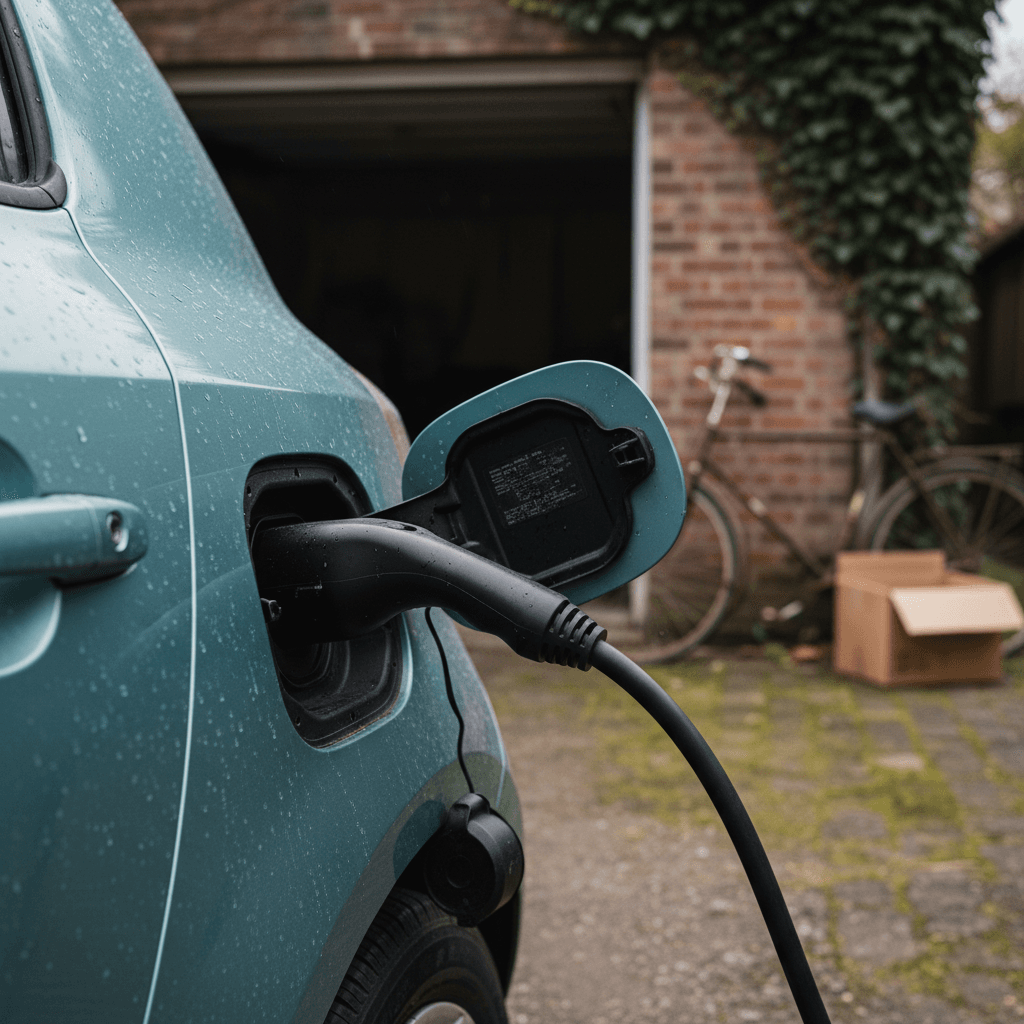
Here’s the twist in 2025: the most reliable low cost cars increasingly run on electrons. New EV sticker prices can be scary, but the used EV market is where the real value lives, especially if you choose a model with a strong reliability record and a healthy battery.
Notable affordable EVs for value‑minded shoppers
These models frequently appear on “cheapest EV” lists while still offering usable range and solid everyday manners.
| Model | Body style | Why it’s appealing | Where the value is |
|---|---|---|---|
| Nissan Leaf (2nd gen & 2026 redesign) | Compact hatchback | Consistently among the least‑expensive new EVs, simple to drive, comfortable ride. | Used 2018–2024 cars can be very cheap; the new 2026 redesign offers ~300 miles of range at under $30k MSRP, promising strong value as it hits the used market later. |
| Chevrolet Bolt (current and next‑gen) | Compact hatchback | Excellent efficiency and range per dollar; the upcoming 2027 Bolt targets ~250 miles and a sub‑$30k price. | Current used Bolts are some of the best value EVs; the new model’s NACS fast‑charging and LFP battery should age well. |
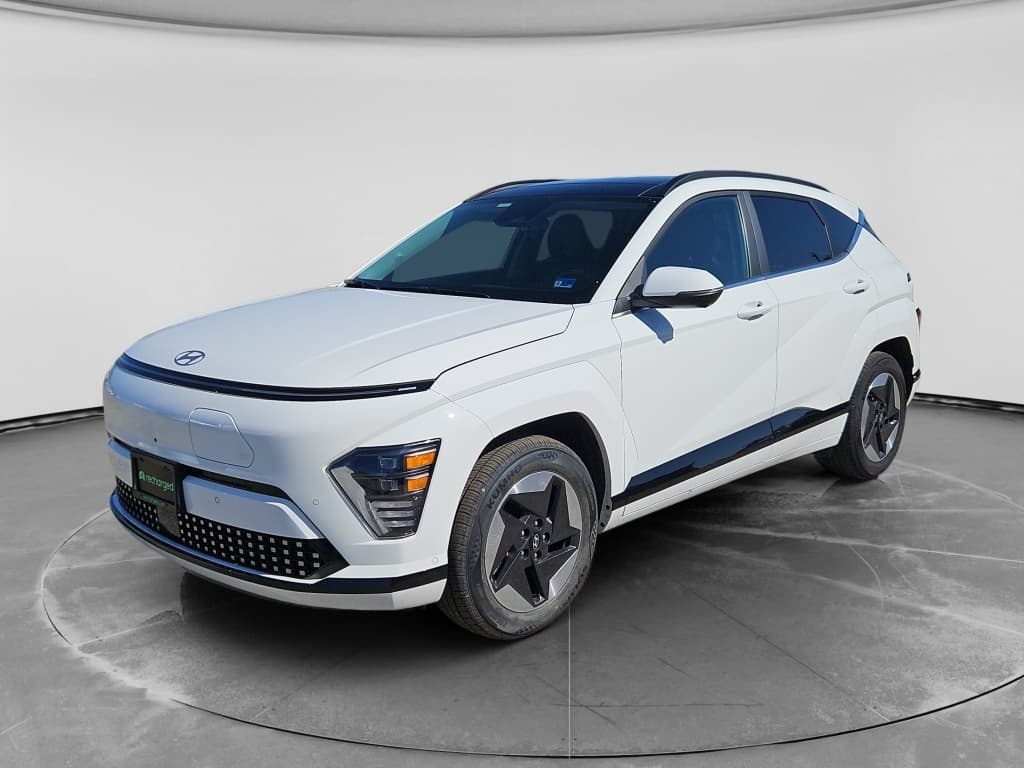
| Hyundai Kona Electric | Subcompact SUV | Good range, tidy footprint, and a reputation for solid reliability. | Three‑to‑five‑year‑old examples now price in the mid‑$20k range, undercutting many crossovers. |
| Chevrolet Equinox EV | Compact SUV | Modern tech and long range at a relatively low starting price for an SUV. | Early used units (when they reach the market) will likely be compelling compared with similarly sized gas crossovers. |
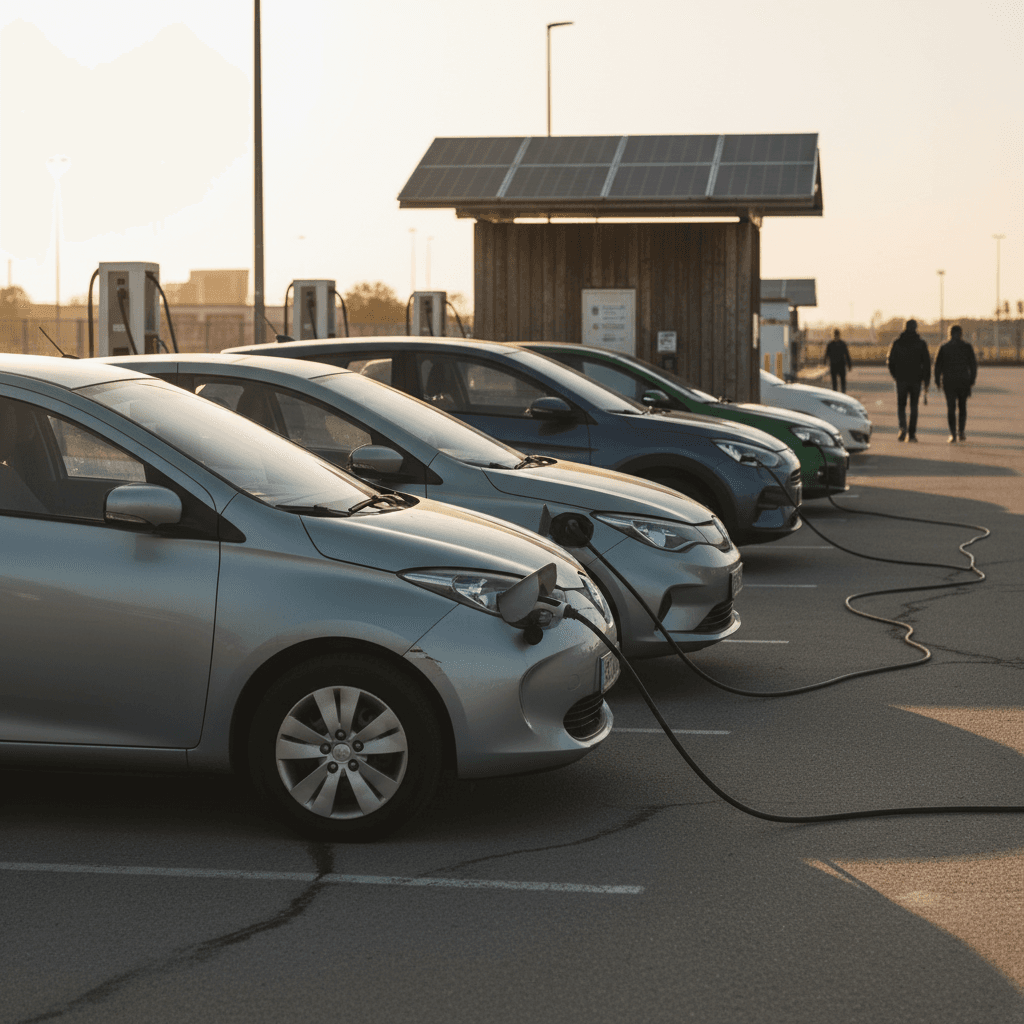
You don’t need a six‑figure EV to get quiet, smooth electric commuting.
EV reliability is mostly about the battery
Why used can be safer than new for value
Why a used car often wins
- Depreciation already happened. The first owner absorbed the ugly part; you’re buying at a calmer point on the curve.
- Real reliability history. A model that’s been out for a few years has data: recalls, common issues, and owner satisfaction.
- More car for the money. Your budget might stretch from an economy new car to a nicer, safer used car with more features.
When new still makes sense
- Ultra‑long ownership plans. If you plan to keep the car ten years, a new car’s full lifespan can justify the cost.
- Big incentives or low APR. Occasionally, an automaker’s financing or EV incentive makes new surprisingly competitive.
- Very specific needs. If you need a rare configuration, wheelchair accessibility, niche towing, etc., new may be the only way.
Use a simple rule of thumb
How to evaluate a used car or EV for reliability
You can’t see reliability on the window sticker. Whether you’re buying a $10,000 gas hatchback or a used EV, you need a methodical way to separate the honest workhorses from the future money pits.
7‑step checklist for judging a cheap car’s reliability
1. Start with the model’s track record
Look up reliability ratings and common issues for that year and model. A famously troublesome car doesn’t magically become dependable just because it’s cheap.
2. Check maintenance history
Service records are gold. Regular oil changes (for gas cars), coolant and brake‑fluid intervals, and recall work all point to a cared‑for car.
3. Get a pre‑purchase inspection
Spend a little on a trusted mechanic or specialist. They’ll spot leaks, worn suspension parts, crash repairs, and other red flags that photos hide.
4. For EVs, focus on battery health
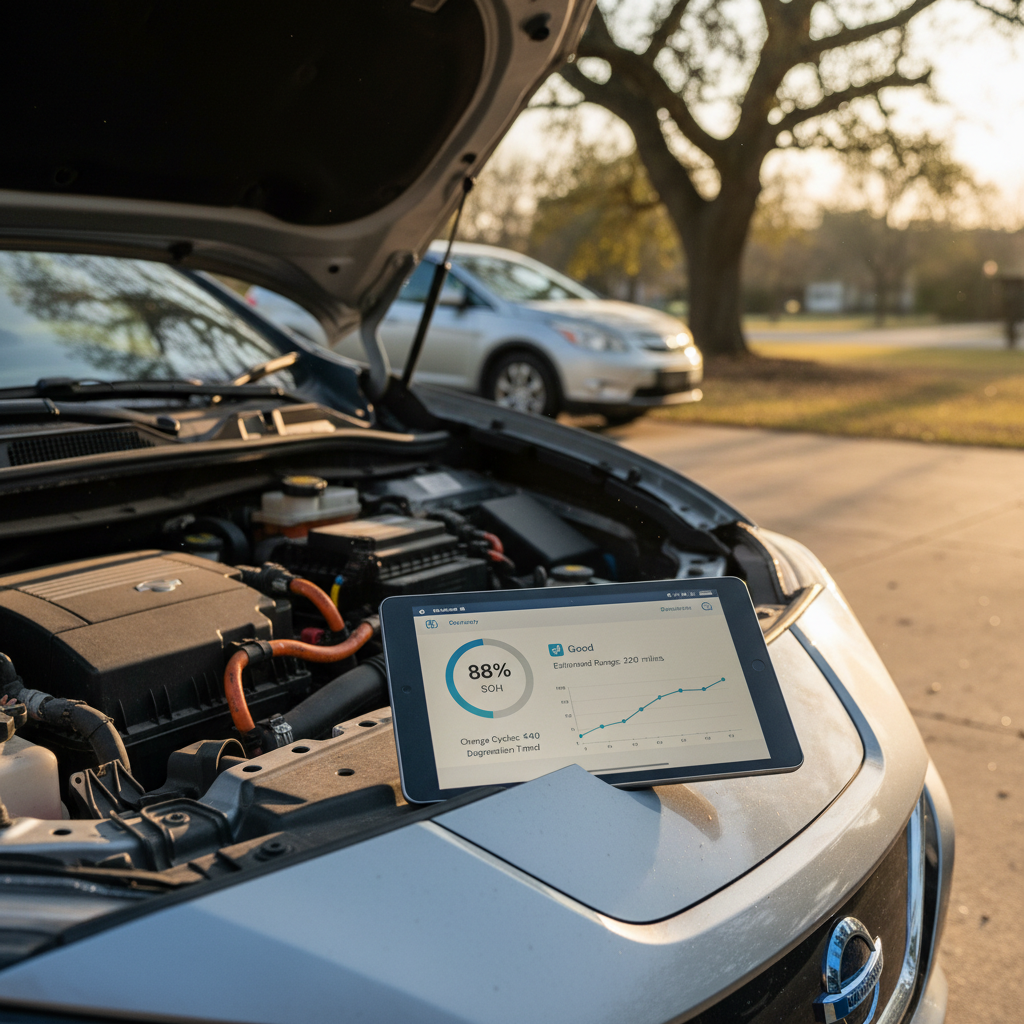
Ask for a <strong>battery health report</strong> or, at minimum, look at the state‑of‑charge vs. estimated range. Uneven cell behavior, big range loss, or rapid charge‑rate drop‑off are warning signs.
5. Look for remaining warranty
Many powertrain and EV battery warranties run 8–10 years. A car still under warranty can dramatically reduce your risk if something major fails.
6. Avoid heavily modified cars
Lowering springs, larger wheels, questionable tuners, or homemade wiring are all clues that the car may have lived a harder life.
7. Trust your test drive
No warning lights, smooth shifts (or seamless EV power), quiet suspension, and no strange smells or water leaks, your senses are part of the diagnostic toolkit.
Don’t skip the EV battery check
Saving even more: looking at total cost of ownership
Two cars with the same price can cost wildly different amounts to own. A truly reliable low cost car keeps more money in your pocket over the next five to ten years, not just on day one.
Key cost factors beyond the sticker price
This is where EVs quietly start winning the long game.
Fuel vs. electricity
Maintenance & repairs
Insurance & taxes
Think in 5‑year chunks
How Recharged helps you buy a reliable low cost EV
If you like the idea of an EV but you’re wary of buying someone else’s battery problems, this is exactly the gap Recharged exists to close. Instead of rolling the dice on a generic used‑car lot, you get a purpose‑built experience for shoppers who care about long‑term value, not just the monthly payment.
What makes a Recharged EV a smart budget buy
Less gambling, more knowing.
Recharged Score battery health report
Fair pricing & flexible ways to buy
Nationwide, digital‑first experience
EV‑specialist support
Ready to find your next EV?
Browse VehiclesWho should strongly consider a used EV from Recharged
FAQ: reliable low cost cars
Frequently asked questions about cheap, reliable cars
Bottom line: picking the right cheap, reliable car
In 2025, the smartest reliable low cost cars fall into two broad camps: simple, proven gas compacts and carefully chosen used EVs with documented battery health. If you focus on long‑term costs rather than just the sticker, avoid over‑complicated luxury hardware, and insist on proper inspections and history, you can get a car that quietly does its job for years without draining your bank account.
If an EV is on your radar, letting a specialist platform like Recharged do the hard work on battery diagnostics, fair pricing, and paperwork can turn a risky used‑EV gamble into a rational, budget‑friendly upgrade. Either way, your goal is the same: a car that fades into the background of your life, and so do the bills.