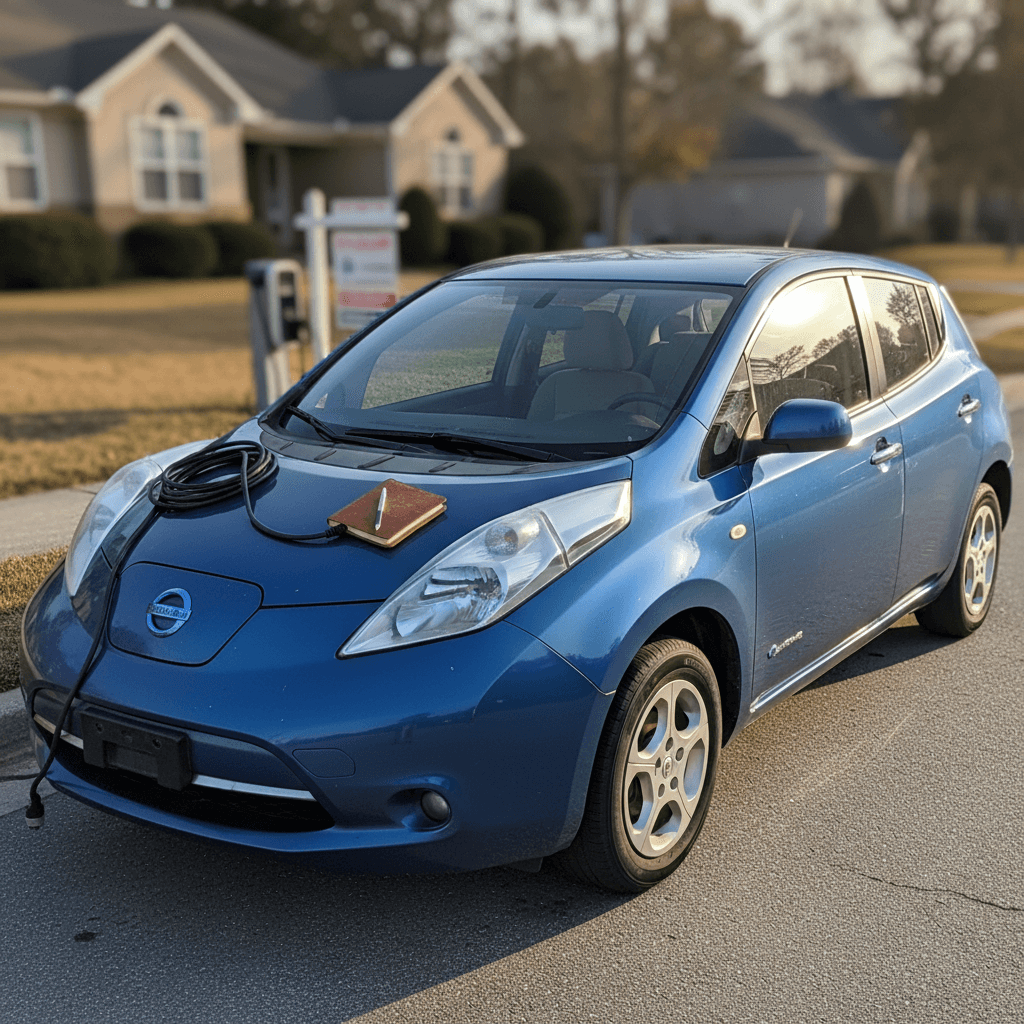
Your first car isn’t just transportation, it’s training wheels for the real world. When you’re new to the road, reliable first cars do more than start every morning. They protect you in a crash, forgive your mistakes, and keep surprise repair bills from wrecking your budget.
Quick definition
Why reliability matters so much in a first car
New drivers already have enough to think about: traffic, parking, school, work. A first car that constantly needs repairs just piles on stress and expense. That’s why organizations like the Insurance Institute for Highway Safety (IIHS) and Consumer Reports consistently recommend modest, safe, dependable used cars, not the newest or flashiest models, for teens and first-time drivers.
Reliability & safety: the big picture
The pattern is clear: the best first cars are not the ones that get the most likes on social media. They’re the ones that quietly start every time, protect you in a crash, and don’t tempt you to drive beyond your skill level.
What makes a car reliable and safe for new drivers?
Core criteria for a reliable first car
Use this as a checklist as you shop
1. Proven safety
Look for:
- IIHS Top Safety Pick / Top Safety Pick+ where possible
- 5-star overall NHTSA rating
- Standard airbags, stability control, and modern crash structure (2017+ is a good general cutoff)
2. Predictable performance
For first cars, you want calm, not crazy:
- Modest horsepower (no performance trims)
- Responsive brakes and steering
- Comfortable, composed ride in bad weather and on rough roads
3. Long-term dependability
Key signs of reliability:
- Strong reliability scores from Consumer Reports / J.D. Power
- Simple, proven engines and transmissions
- Affordable parts and widely available service
4. The right size and visibility
First cars should follow a "Goldilocks" rule, not too small, not too big:
- A compact sedan or small SUV is easier to park and maneuver.
- A bit of weight helps in a crash, but giant SUVs and trucks can be hard to control.
- Good visibility and simple controls reduce distraction and stress.
5. Smart, not distracting, tech
Modern safety tech is a plus, especially for new drivers:
- Automatic emergency braking
- Lane-keeping assist and blind-spot monitoring
- Rearview camera (mandatory on 2018+ cars)
What you don’t want is an overly complex touchscreen that pulls attention away from the road.
Don’t chase the newest model year
Most reliable first cars: gas and hybrid picks
If you’re shopping traditional gas or hybrid models, certain nameplates come up again and again in safety and reliability rankings. Below are categories you can shop within, plus specific models that consistently show up on trusted lists for new drivers.
Trusted first-car favorites
These models appear frequently on 2024–2025 safety and dependability lists for teens and first-time drivers.
| Category | Recommended Models | Why they work as first cars |
|---|---|---|
| Compact sedans | Honda Civic, Toyota Corolla, Hyundai Elantra, Mazda3 | Excellent safety scores, strong reliability records, efficient, easy to park and insure. |
| Compact hatchbacks | Honda Civic Hatchback, Mazda3 Hatchback, Toyota Prius | More cargo flexibility than sedans; Prius adds outstanding fuel economy. |
| Midsize sedans | Toyota Camry, Honda Accord | Roomy, comfortable, extremely long‑lived; ideal if the driver will carry friends or family often. |
| Small SUVs | Mazda CX‑30, Honda HR‑V, Subaru Crosstrek, Toyota Corolla Cross | Higher seating position and available AWD without the bulk of a large SUV. |
| Hybrids | Toyota Prius, Toyota Prius Prime, Camry Hybrid, Corolla Hybrid | Outstanding fuel economy and typically excellent reliability, with a calm driving character. |
Always confirm safety ratings and reliability for the exact model year and trim you’re considering.
Model years to target
How to build a reliable-first-car shortlist
1. Start with safety lists
Search for recent IIHS and Consumer Reports teen/first‑car recommendations. Create a list of 5–10 models that show up repeatedly.
2. Filter by your budget
Cross off anything that’s routinely above your price range when you search local listings. That helps you focus on realistic options early.
3. Decide sedan vs. small SUV
If you live in a snowy area or want more cargo room, a small SUV is worth it. If you’re in a city and mainly commuting, a compact sedan may be cheaper and easier to live with.
4. Avoid performance trims
Skip "Si," "N," "ST," "GT," turbo performance variants, and big-wheel appearance packages. They cost more to insure and are less forgiving for new drivers.
Reliable first electric cars: when an EV makes sense
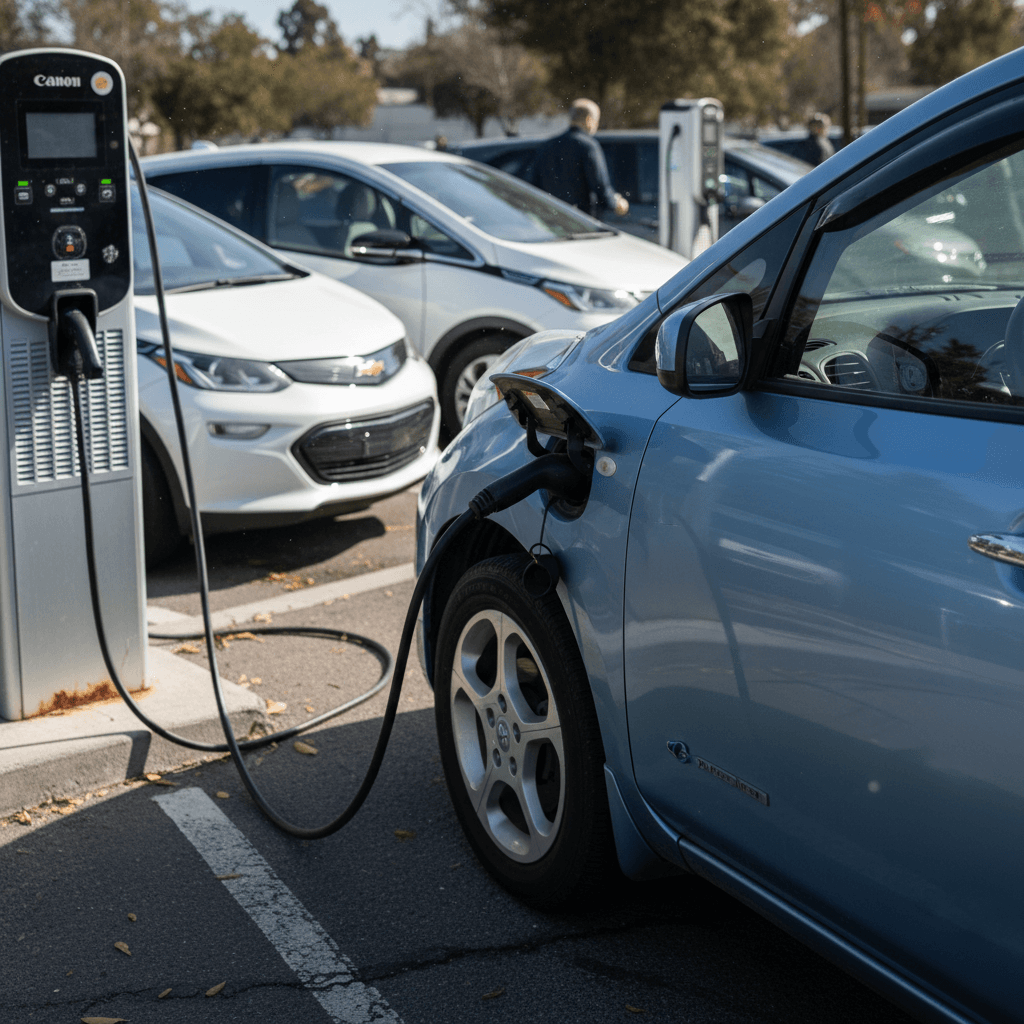
Electric vehicles can be excellent daily drivers, quiet, low-maintenance, and cheap to run. But safety groups still urge some caution putting brand‑new drivers into powerful EVs because instant torque can make it easy to get in over your head. The key is choosing the right kind of EV and buying it the right way.
When a first car should be electric
Situations where a used EV can be a smart, reliable choice
Short, predictable commutes
An EV shines if most trips are:
- Daily drives under 40–50 miles
- Regular routes to school, work, or campus
- Rare long road trips
Easy charging at home
EVs are easiest to live with when you can:
- Charge overnight in a driveway or garage
- Use at least a 120V outlet (Level 1)
- Ideally install a 240V Level 2 charger
Low running-cost priority
If gas costs are a big concern, an EV can help:
- Lower fueling cost per mile
- Fewer fluid changes and tune‑ups
- Regenerative braking that reduces brake wear
The catch: battery health
This is where Recharged is different from a typical used‑car lot. Every EV on the platform includes a Recharged Score Report with verified battery health, so you know how much real‑world range to expect on day one, not just what the window sticker claimed when the car was new.
- Hyundai Kona Electric and Kia Niro EV – efficient, right‑sized small EVs that work well for city and suburban use.
- Tesla Model 3 (standard or RWD trims) – widely available and practical if you avoid high‑performance variants and confirm battery and software history.
- Chevrolet Bolt EV / EUV – compact, efficient, and often attractively priced on the used market, especially after battery recall work.
Used EV checklist for first-time drivers
Cars new drivers should avoid
Just as important as knowing what to buy is knowing what to skip. Safety organizations draw some firm lines about what doesn’t belong in a new driver’s driveway.
Vehicles that are usually bad first-car choices
Even if the price seems tempting
High-powered sports cars
Models with big engines, performance badges (GT, R/T, Type R, ST, N), or 0–60 bragging rights are a hard no for first cars. They:
- Encourage risk‑taking
- Have higher insurance premiums
- Are less forgiving of mistakes
Very large SUVs and pickups
Big trucks and SUVs might feel safe, but for new drivers they can be:
- Harder to park and maneuver
- Slower to stop
- More dangerous to people in smaller vehicles or on foot
Minicars and ultra-cheap compacts
Extremely small, light vehicles can struggle in real‑world crashes with larger SUVs and trucks. That’s why many safety lists exclude minicars entirely, even if they’re inexpensive.
Overpowered or complex EVs
Some EVs deliver sports‑car acceleration with a single pedal. For inexperienced drivers, that can be overwhelming. Steer clear of dual‑motor performance trims and focus on calmer versions with straightforward controls.
Too cheap can be too risky
How to shop smart for a reliable first car
Step-by-step buying process for a first car
1. Set a realistic, all-in budget
Include taxes, registration, insurance, and the first year of maintenance, not just the sticker price. Decide what monthly payment feels comfortable if you plan to finance.
2. Narrow to a short list of models
Using the model ideas above, pick 3–5 vehicles that match your needs and budget. Research typical prices in your area so you recognize a fair deal.
3. Check safety and reliability by year
Look up IIHS crash results and reliability scores for the exact model years you’re considering. Some years of an otherwise great model may not be ideal first cars.
4. Inspect history and condition
Review the vehicle history report for accidents, title issues, and open recalls. Then get a trusted mechanic, or EV specialist for electric cars, to perform a pre‑purchase inspection.
5. Test drive like you’ll actually use it
Drive on city streets and highways, park in tight spots, and test visibility at night if you can. Ask yourself whether you feel confident and in control.
6. Don’t rush the decision
There will always be another car for sale. Walking away from a questionable vehicle is one of the smartest moves a first‑time buyer can make.
Where Recharged fits in
Costs to budget for beyond the purchase price
New drivers and parents often focus on the purchase price and forget the ongoing costs that determine whether a first car feels like freedom…or a monthly headache. Reliable first cars are usually cheaper to keep on the road, but you’ll still want to plan ahead.
Typical ongoing costs for a first car
These are broad ranges; your numbers will depend on location, driving history, and vehicle choice.
| Cost Category | Gas / Hybrid | Electric |
|---|---|---|
| Fuel / Energy | Gasoline cost depends on MPG and miles driven; efficient compacts and hybrids are easiest on the wallet. | Home charging is usually cheaper per mile; public fast charging can cost more than gas in some areas. |
| Maintenance | Oil changes, filters, belts, and more frequent brake service over time. | Fewer moving parts and no oil changes; tires and brakes still wear, and some EVs are heavy on tires. |
| Insurance | Often higher for performance cars and large SUVs; safe compact sedans and small SUVs are usually cheaper. | Can be higher than comparable gas cars; shop quotes early if you’re considering a first EV. |
| Repairs | Generally predictable on common models; independent shops can handle most issues. | Out‑of‑warranty battery or high‑voltage repairs can be expensive, another reason verified battery health matters. |
Build these into your budget before you sign any paperwork.
Smart way to compare cars
How Recharged helps first-time buyers
If you’ve decided a used EV might be the right first car for your household, the next question is how to buy one without feeling like a test pilot. That’s where Recharged comes in. The entire experience is built around making EV ownership simple and transparent, especially for people who are new to electric cars.
Why first-time buyers like shopping EVs with Recharged
Designed to reduce surprises and second-guessing
Recharged Score Report
Every vehicle comes with a detailed report that includes:
- Verified battery health diagnostics
- Charging performance and estimated real‑world range
- Fair market pricing analysis
Financing & trade-in support
You can:
- Pre‑qualify for financing online
- Get an instant offer or consignment option for your old car
- Wrap everything into a single, transparent deal
EV experts & delivery
Recharged offers:
- Guidance from EV‑specialist staff
- A fully digital buying process
- Nationwide delivery or a visit to the Richmond, VA Experience Center
Ready to find your next EV?
Browse VehiclesSee an EV in person
Reliable first cars FAQ
Frequently asked questions about reliable first cars
Key takeaways on reliable first cars
A reliable first car doesn’t have to be glamorous, but it should absolutely be safe, predictable, and affordable to own. Compact sedans, small hatchbacks, and modest small SUVs from brands with strong reliability records are usually the best place to start. If you’re considering an EV, focus on calm, non‑performance models and insist on clear, third‑party battery‑health information.
Take your time, lean on objective safety and reliability data, and don’t be afraid to walk away from a questionable car. When you’re ready to explore electric options, Recharged can help you compare used EVs with verified battery health, transparent pricing, and end‑to‑end support, so your first car feels like freedom, not a gamble.