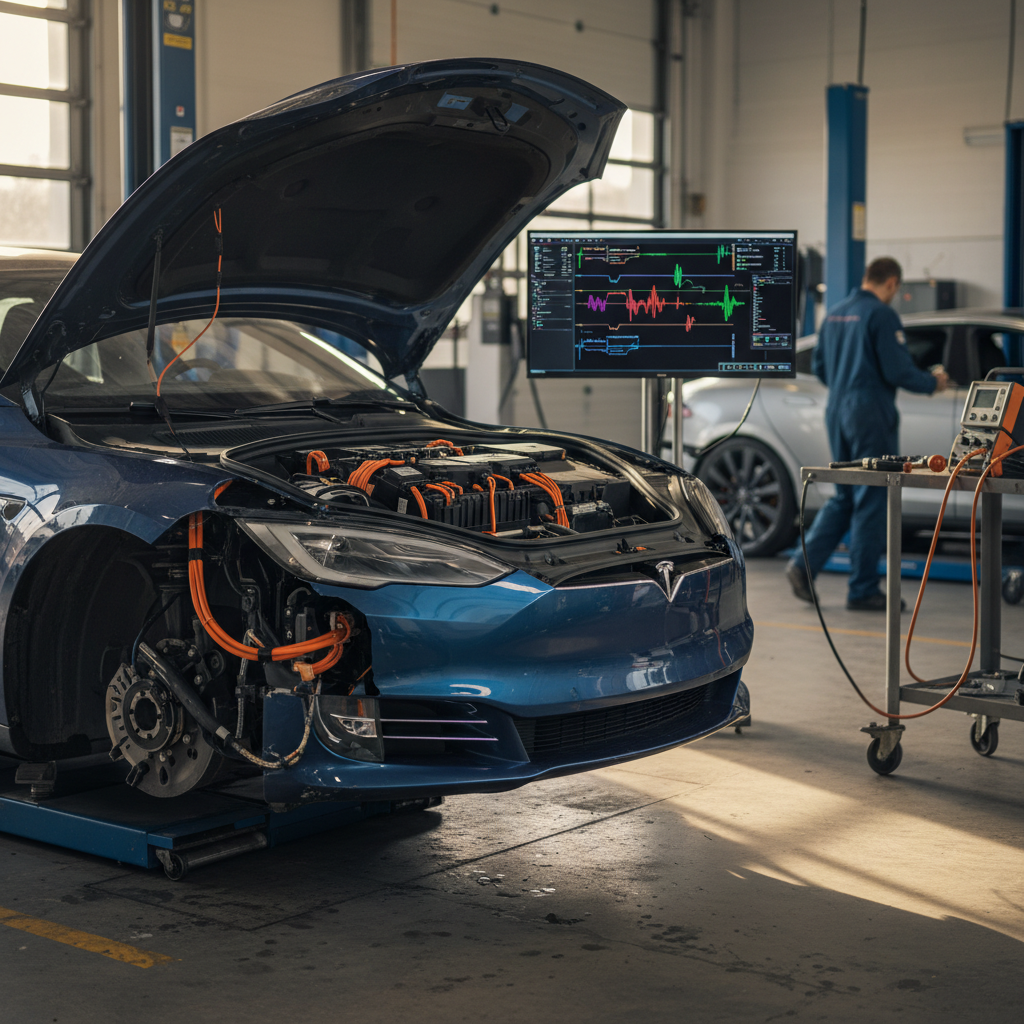
If you’re shopping for an electric vehicle, you’ll see the term regenerative brake system everywhere. It sounds technical, but the idea is simple: instead of wasting energy as heat every time you slow down, your EV captures some of that energy and puts it back into the battery. Understanding how this works will help you drive more efficiently, compare models, and know what to look for when you’re considering a used EV.
In plain English
What is a regenerative brake system?
A regenerative brake system (often shortened to “regen”) is an energy‑recovery system used on hybrid and fully electric vehicles. When you slow down, the system captures part of the car’s kinetic energy and converts it into electrical energy, instead of letting it disappear as heat in the brake pads and rotors. That recovered energy is stored in the battery, where it can be used the next time you accelerate.
- Uses the traction motor as a generator during deceleration
- Sends recovered energy into the high‑voltage battery or hybrid battery
- Works alongside conventional friction brakes for full stopping power
- Is managed automatically by the car’s software, no extra buttons required in normal driving
You’ll find regenerative braking on battery electric vehicles (BEVs), plug‑in hybrids (PHEVs), and most hybrid-electric vehicles (HEVs). The details vary by brand, but the basic physics is the same across the board.
How a regenerative brake system works
At the heart of a regenerative brake system is the electric motor. In normal driving it converts electrical energy from the battery into motion at the wheels. During regenerative braking, that process runs in reverse: the wheels drive the motor, and the motor generates electricity.
1. You lift off the accelerator or tap the brake
The car’s control system sees that you want to slow down. Instead of going straight to the friction brakes, it first ramps up regenerative braking through the electric motor.
In many EVs, lifting off the accelerator pedal alone is enough to create noticeable deceleration.
2. The motor becomes a generator
As the wheels turn the motor, it resists that motion and converts the vehicle’s kinetic energy into electrical energy. That resistance is what you feel as braking force.
The electricity flows through the inverter and into the battery, subject to limits on voltage, current, and battery temperature.
3. Energy is stored in the battery
The recovered energy is stored chemically in the high‑voltage battery (or in a smaller hybrid battery on HEVs). It’s then available to power the car later.
Over a full commute, these small bursts of recovered energy add up to real savings on range and charging.
4. Friction brakes step in when needed
If you press the pedal harder or need to stop quickly, the car blends in conventional hydraulic brakes. This ensures consistent, predictable stopping power even when the battery can’t accept more charge.
The driver just feels a single, smooth braking response, software handles the blending behind the scenes.
Think of it like a hand‑crank flashlight
Regenerative braking vs traditional friction brakes
How regenerative and friction brakes work together
Every modern EV uses both systems; the car decides which to prioritize moment by moment.
Regenerative braking
- Uses the drive motor as a generator.
- Recovers energy that would otherwise be lost.
- Most effective at moderate speeds and gentle to medium deceleration.
- Primary braking source in many city‑driving situations.
Friction braking
- Uses pads and rotors (or drums) to create heat.
- Works the same way it does on gas cars.
- Provides the bulk of braking in emergencies and at very low speeds.
- Always available as a backup if regen is limited.
A well‑tuned regenerative brake system blends these two seamlessly. You shouldn’t feel a “handoff” point in everyday driving. Instead, you get smooth deceleration while the car quietly chooses the most efficient way to slow down.
Important safety note
How much energy does regenerative braking really recover?
Typical regenerative braking impact in real‑world driving
It’s easy to overestimate what a regenerative brake system can do. Capturing 60–80% of braking energy doesn’t mean your EV’s range jumps by 60–80%. In practice, most drivers see something in the 10–30% range improvement, with the higher end coming from dense city or hilly routes where you’re slowing down a lot.
Why you still need to plug in
Driving modes, levels, and one‑pedal driving
Most modern EVs let you adjust how strong the regenerative brake system feels. The specifics differ by brand, some use paddles behind the steering wheel, others use drive‑mode menus, but the goal is the same: give you control over how quickly the car slows when you lift off the accelerator.
- Low regen: Coasts more like a gasoline car; lift‑off deceleration is gentle and you’ll use the brake pedal more.
- Medium/standard regen: A good everyday balance, noticeable slowing when you lift off, but not abrupt.
- High/maximum regen: Strong deceleration as soon as you ease off the accelerator; ideal for city traffic once you’re used to it.
- Adaptive or automatic regen: Uses cameras, radar, or navigation data to adjust regen based on traffic and road conditions.
What is one‑pedal driving?
Key benefits of regenerative brake systems
Why regenerative braking is such a big deal for EVs
Energy savings are just one piece of the story.
More range from every charge
Lower running costs
Less brake wear
Comfort and control advantages
Regenerative braking changes the feel of everyday driving.
Smoother driving
Efficiency in the city
Environmental upside
Limits and drawbacks of regenerative braking
A regenerative brake system is a major advantage of EVs, but it isn’t perfect. There are built‑in limitations that affect how much braking force and energy recovery you get in the real world.
- Battery limits: If the battery is very full or very cold, the car may restrict regen to protect the pack. You’ll feel more conventional braking and may see a dashed or reduced regen indicator on the dash.
- High‑speed braking: At freeway speeds, even strong regen may not provide enough stopping power by itself, so friction brakes still do a lot of the work in hard stops.
- Very low speeds: As you creep to a stop, regen becomes less effective and the system transitions to friction brakes to hold the car and stop smoothly.
- Learning curve: One‑pedal driving feels unusual at first. It can take a few days of driving to develop the smooth touch that experienced EV drivers take for granted.
Don’t rely on regen alone in emergencies
Maintenance and brake wear on EVs with regen
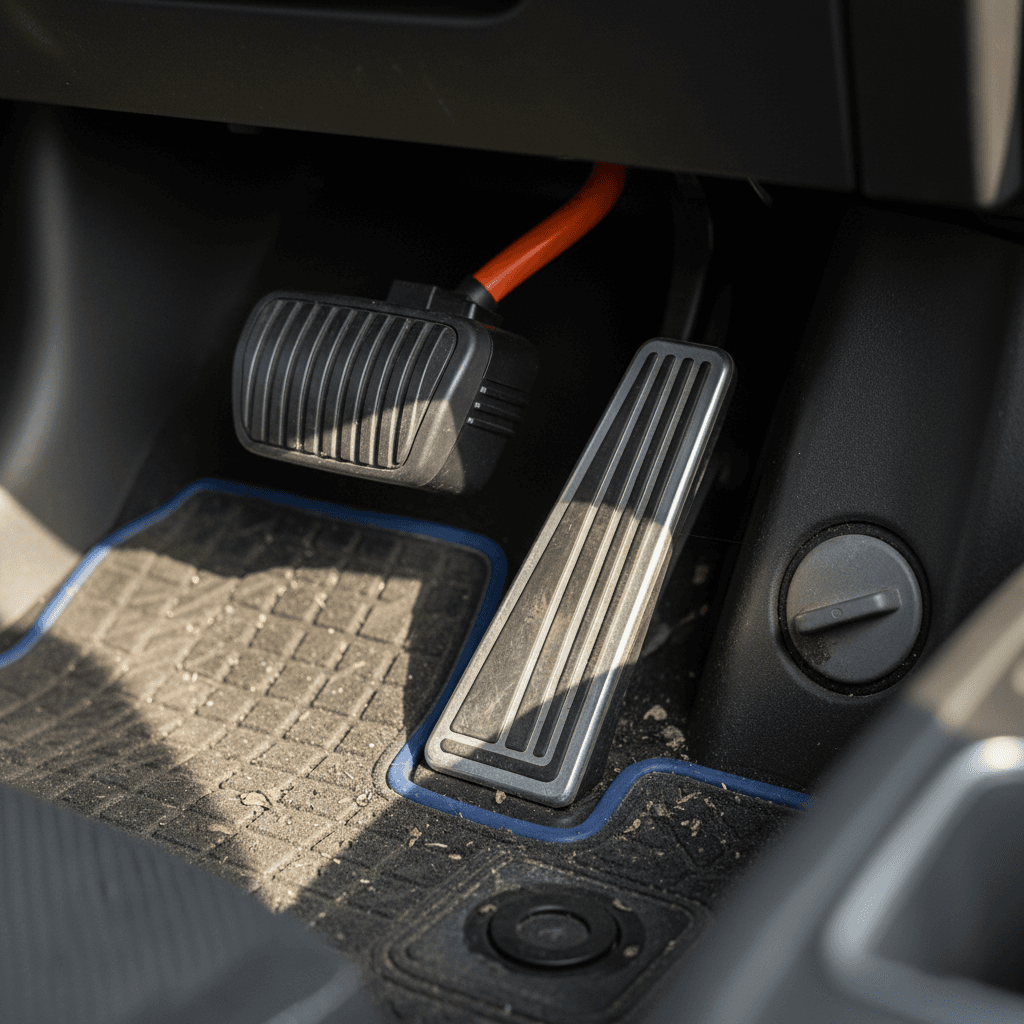
Because a regenerative brake system handles much of the work of slowing the car, EV owners often enjoy significantly longer life from their brake pads and rotors than owners of comparable gasoline vehicles. It’s not unusual for an EV’s first brake service to occur at much higher mileage than you might expect.
- Pads and rotors generally last longer because they’re used less in daily driving.
- Some automakers recommend occasional firm brake applications to clean rust from rotors, especially in wet or snowy climates.
- Brake fluid still needs to be changed on the manufacturer’s schedule, regardless of regen.
- Parking brakes and electronic actuators should be exercised periodically to avoid sticking.
Used EV shopping angle
What to look for in a regenerative brake system on a used EV
If you’re considering a used EV, you don’t need to be an engineer to evaluate its regenerative brake system. A careful test drive and a few pointed questions will tell you most of what you need to know.
Quick checklist for evaluating regen on a test drive
1. Test lift‑off deceleration
At 25–40 mph on a clear road, lift off the accelerator and feel how strongly the car slows. It should be smooth and predictable, without grabbing or surging.
2. Try different regen levels
If the car offers multiple regen settings, cycle through them. Confirm that changing levels makes a noticeable difference in how the car slows when you lift off.
3. Listen and feel for transitions
As you slow to a complete stop, you may feel a subtle change as friction brakes take over at low speeds. That’s normal, but harsh jolts, noises, or a long soft pedal deserve attention.
4. Check the dash indicators
Most EVs show regen activity on the power gauge. During deceleration you should see a clear indication that energy is flowing back into the battery.
5. Review brake wear and service history
Ask for recent inspection reports. Uneven pad wear, heavily worn rotors, or very early pad replacement may signal past hard use or a malfunctioning brake system.
6. Get an expert inspection
For peace of mind, have a technician familiar with EVs inspect the car. At Recharged, every vehicle receives a detailed brake and battery‑health evaluation as part of its Recharged Score report.
How Recharged can help
Ready to find your next EV?
Browse VehiclesFrequently asked questions about regenerative brake systems
FAQ: Regenerative brake systems
The bottom line for EV shoppers
A regenerative brake system is one of the quiet superpowers of electric vehicles. It turns everyday slowing and stopping into free energy, extends your range, and cuts down on brake wear, all without any extra work from you. Once you understand how regen behaves in different modes and conditions, it becomes a tool you can use to tailor the car’s feel and efficiency to your own driving style.
If you’re considering a used EV, pay attention to how the regen feels on a test drive, ask about brake service history, and don’t hesitate to lean on expert help. Through its Recharged Score reports, EV‑specialist support, and financing and trade‑in options, Recharged is built to make that process simpler and more transparent, so you can focus on finding the electric car that stops, goes, and fits your life exactly the way you want.