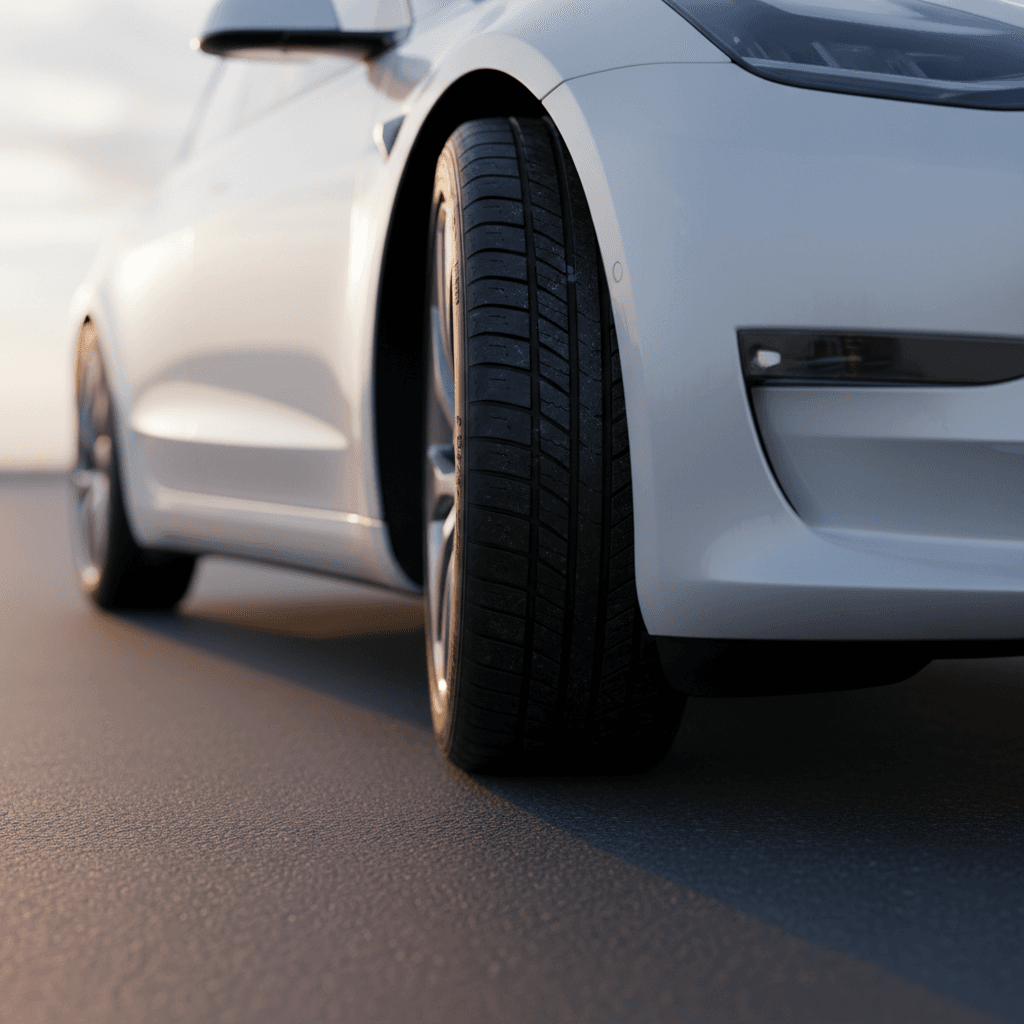
On a gas car, the engine does a decent job of masking sins. On an electric car, every hum, thrum, and coarse buzz from the pavement is dragged into the spotlight. That’s why so many EV drivers go hunting for the quietest EV tires, and then get lost in a swamp of marketing terms and wishful thinking.
What this guide will (and won’t) do
Why EVs Make You Obsess Over Tire Noise
EVs remove the masking noise
In an ICE car, engine and exhaust noise sit like a rug over the soundscape. In an EV, that rug vanishes. Above about 25–30 mph, the dominant sound you hear is tire noise, the interaction of rubber, air, and asphalt. On a smooth surface, it’s a muted hiss; on a coarse surface, it can be a grinding roar.
Extra weight, instant torque
Compared with similar gas cars, most EVs are hundreds of pounds heavier and serve up instant torque. That’s murder on tires. You end up with:
- Stiffer sidewalls and stronger construction
- Higher load indexes to handle the weight
- Often higher pressures for efficiency
Silence has a price
How Tire Noise Actually Works on an EV
Four main sources of EV tire noise
Understand these and you’ll stop chasing the wrong “quiet” tires
Pattern noise
Impact noise
Air pumping
Cavity & structure
EV‑specific tires try to game this physics without throwing away efficiency. They use more complex tread pitch sequences, in‑tread noise‑canceling features, and sometimes acoustic foam glued inside the carcass. But the quietest tire on one road surface might be merely average on another. That’s why independent tests and owner surveys matter more than a single decibel number on a spec sheet.
Quietest EV Tires 2025: A Real-World Shortlist
Let’s talk about specific tire families that consistently test and review well for low noise on electric vehicles. This isn’t every quiet tire on earth; it’s a curated list of standouts you’ll actually find at major retailers in 2025.
Representative quiet EV tire lines in 2025
A snapshot of tire families that score well for low noise and EV suitability. Always check exact size and spec for your car.
| Tire line | Category | EV focus | Noise character (typical) | Good match for |
|---|---|---|---|---|
| Michelin Primacy / e.Primacy / Primacy MXM4 | Touring / OE | Many EV OE fitments | Very quiet, soft‑edged | Daily drivers prioritizing comfort |
| Michelin Pilot Sport EV / Pilot Sport 4S (XL) | Performance EV / UHP | Designed for EV torque | Quiet for a sport tire, more growl at speed | Drivers who care about grip as much as silence |
| Bridgestone Turanza EV | Grand touring EV | EV‑specific construction | Supple, muted tread noise | Crossovers and sedans used for long highway runs |
| Hankook iON evo / Ventus S1 evo EV | Performance EV | EV‑specific line | Low pattern noise, firm impact feel | Sporty EVs (Model 3/Y, Ioniq 5/6, EV6) |
| Goodyear ElectricDrive GT | All‑season EV | EV‑targeted | Noticeably quieter than many OE fitments | Owners replacing worn factory tires on Teslas, Bolts, Leafs |
| Yokohama EV‑focused lines (Advan Sport EV A/S etc.) | Performance EV | EV‑specific | Mixed results, quiet in some tests, louder in others | Drivers prioritizing feel over absolute quiet |
Noise comfort varies by size and vehicle, but these lines are a solid starting grid if you want a quieter electric car.
Don’t chase a single number
What recent EV tire tests tell us about noise
Quiet Tire Picks for Popular EVs (Model 3, Y and Friends)
Quiet‑leaning recommendations by EV type
These are starting points, always verify the exact spec, speed rating, and load index for your car.
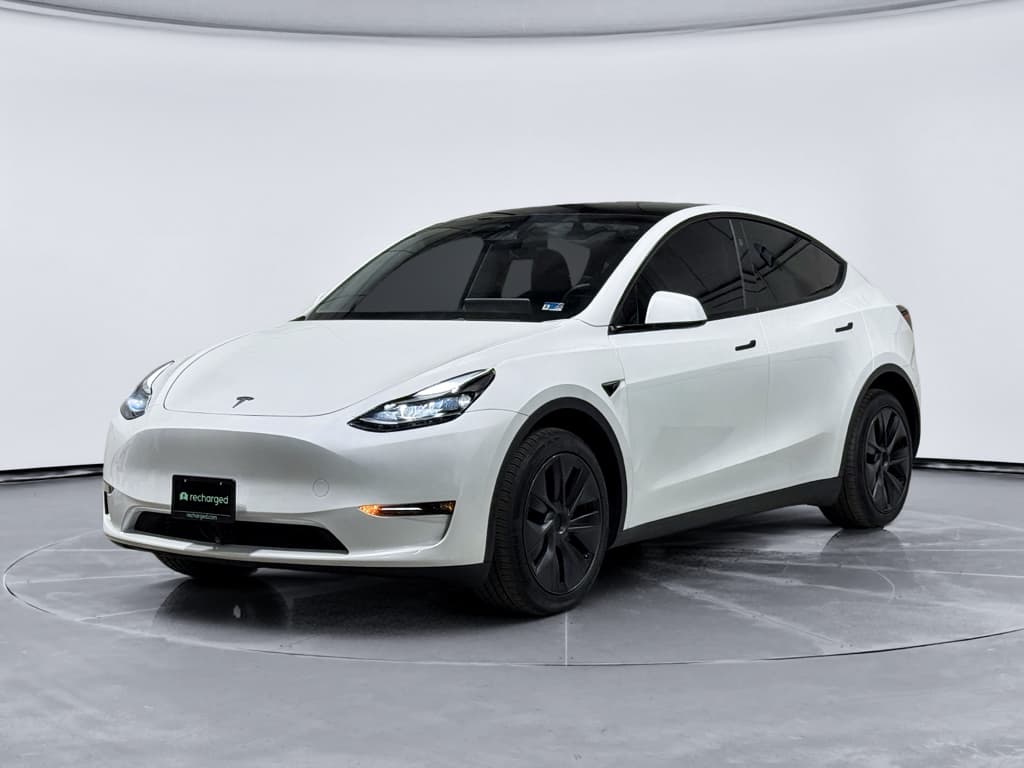
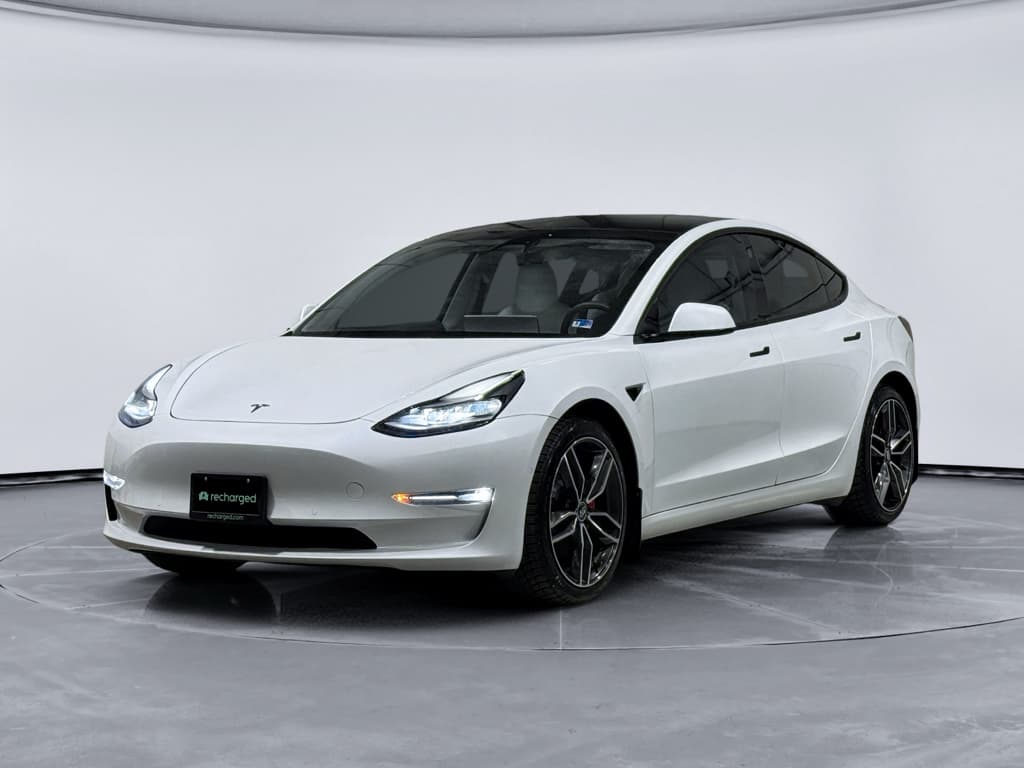
Tesla Model 3 / Model Y
- Touring / all‑season comfort: Michelin Primacy or e.Primacy, Continental ExtremeContact DWS 06 Plus (quiet for a performance all‑season), Goodyear ElectricDrive GT.
- Sportier feel, still civil: Michelin Pilot Sport 4S (reinforced EV‑appropriate sizes), Hankook iON evo.
Many Teslas ship with EV‑tuned Hankook or Michelin tires from the factory; sticking with those families often preserves the noise character you like, only quieter as designs evolve.
Hyundai Ioniq 5/6, Kia EV6, Genesis GV60
- Balanced quiet + range: Hankook iON evo AS/Summer, Bridgestone Turanza EV, Michelin Primacy variants.
- Comfort skew: Goodyear EfficientGrip‑style touring tires where available in your size.
These E‑GMP cars are already pretty refined; a good touring tire can make them feel positively luxury‑car serene on the right pavement.
Bolt EUV, Leaf, ID.4 and compact crossovers
- Quiet + value: Goodyear ElectricDrive GT, Continental CrossContact‑type touring tires in high‑load versions.
- All‑weather regions: Michelin CrossClimate 2 for drivers who prioritize bad‑weather grip over ultimate quiet and range.
On lighter EVs, you feel every decibel. If your commute is mostly coarse concrete, spend the extra for the quietest touring pattern you can find in the right spec.
Where Recharged fits in
Ready to find your next EV?
Browse VehiclesThe Tradeoffs: Quiet vs Range vs Grip
There’s no free lunch in tire engineering. When you tune for one attribute, you’re borrowing from another. With EVs, you’re juggling noise, efficiency, and grip, with winter performance looming in the background if you live in snow country.
Quiet vs. efficiency
Quieter tires often use softer compounds and more compliant constructions. That can increase rolling resistance a hair versus a hard, efficiency‑optimized tire. In the real world you might see a tiny dip in range, think a few miles off a full charge, not a catastrophe.
If you do mostly highway commuting, a slightly softer, quieter tire can reduce fatigue dramatically. The energy cost is trivial compared with running the cabin at 72°F in winter.
Quiet vs. grip
Big tread blocks and aggressive siping claw at the road, and they shout about it. Mud‑and‑snow patterns and some ultra‑high‑performance designs are audible by nature. If you trade into the quietest touring tires you can find, you’ll usually lose some sharpness in steering feel and ultimate wet grip, even if they’re perfectly safe for normal driving.
The trick is to avoid extremes: stay away from off‑road‑styled treads and track‑focused UHPs if serenity is the mission.
Quiet is not worth a safety downgrade
How to Choose the Quietest EV Tires for You
Quiet EV tire buying checklist
1. Start with your door‑jamb sticker
Open the driver’s door and find the tire placard. Note the factory size, load index, and speed rating. Any replacement tire should meet or exceed those numbers, especially on an EV.
2. Decide your priority order
Rank what matters most: <strong>quiet</strong>, <strong>range</strong>, <strong>wet/snow grip</strong>, <strong>steering feel</strong>, <strong>price</strong>. You can’t have everything in equal measure. Knowing your top two makes the choice far easier.
3. Filter for EV‑ready options
On major tire sites, filter by your size, then look for EV‑specific lines or XL/reinforced versions. These are built to handle EV weight and torque without howling themselves to death after 15,000 miles.
4. Read owner surveys and independent tests
Focus on long‑term owner surveys and recent comparison tests that include noise and comfort scores. Ignore decade‑old reviews: tire designs change, and so do EVs.
5. Check where you actually drive
If most of your miles are on polished asphalt, you can get away with slightly sportier rubber. If you live with coarse concrete or chip‑seal, lean hard toward the quietest touring pattern you can afford.
6. Budget for an alignment
Install quiet, premium tires on a car with worn suspension or bad alignment and they’ll get loud, and worn, fast. Add a fresh alignment to the shopping list; it’s cheaper than replacing a set you’ve cupped to death.
Shopping a used EV? Use tires as a tell
Installation, Break-In and Maintenance for a Quieter Ride
Even the quietest EV tires can sound agricultural if they’re slapped on carelessly or left to fend for themselves. A little attention at installation and during the first few thousand miles pays off in both silence and longevity.
- Ask the installer to use a road‑force balancer if available; it helps match each tire to the wheel for minimal vibration.
- Stick with the suspension geometry your EV was designed for; extreme camber settings make even good tires sing terrible songs.
- Expect a short break‑in period. Fresh tread blocks can be a bit noisier and squirmier for the first 300–500 miles.
- Rotate on time. On a torquey EV, front and rear tires can wear very differently; regular rotations keep wear patterns even and noise low.
- Keep pressures where the car wants them. Running 6–8 psi high in search of range can make an otherwise quiet tire slap and thud over every joint.
Quiet EV Tires Mythbusting
Common myths about quiet EV tires
And what actually happens in the real world
“EV tires are always quieter”
“Foam‑lined tires are silent”
“You need the most expensive tire for quiet”
The quietest EV isn’t the one with the biggest battery or the fanciest badge. It’s the one on the right tires, properly inflated, driven on the kind of pavement that still remembers its manners.
FAQ: Quietest EV Tires and Everyday Use
Frequently asked questions about quiet EV tires
Bottom Line: Quiet Starts Where the Tires Meet the Road
If you’re chasing the quietest EV tires, you’re really chasing harmony: the right tread pattern, construction, and size for your particular car and your particular roads. There is no universal silent tire, but there are families, Michelin’s Primacy and Pilot Sport EV, Bridgestone’s Turanza EV, Hankook’s iON, Goodyear’s ElectricDrive, that consistently deliver calmer cabins without kneecapping range or safety.
Treat noise as one variable among several, not the only metric that matters. Match the tire to your EV’s specs, your roads, and your tolerance for a bit of growl in exchange for grip. And if you’re still hunting for the right electric car in the first place, start with one that’s been honestly evaluated: every used EV sold through Recharged comes with a detailed Recharged Score Report, so you know what you’re getting before you ever start obsessing over rubber.