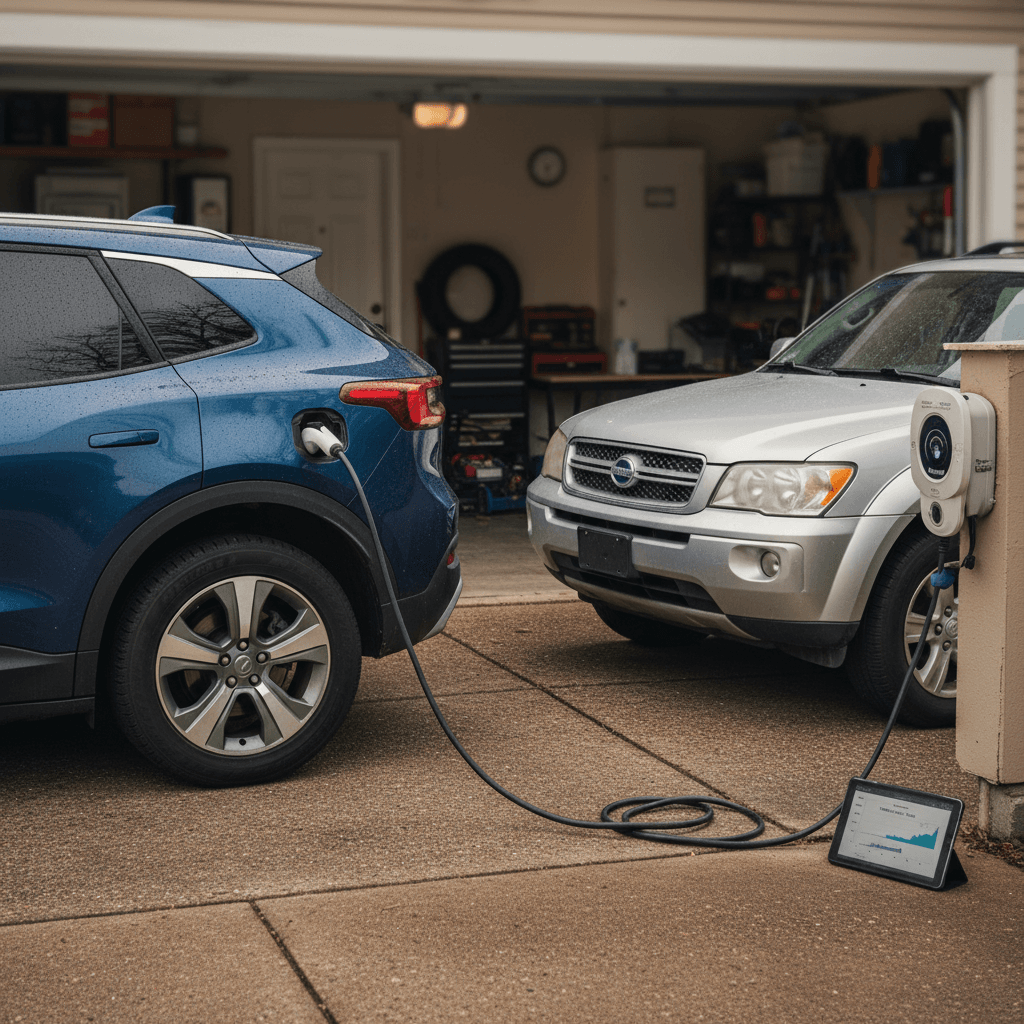
If you’re shopping for a pre owned SUV in 2025, you’re in good company. Families want more space, commuters want all‑weather confidence, and EV shoppers are discovering that a used electric SUV can deliver big savings versus new. The challenge is cutting through the noise, gas, hybrid, or electric; dealer lot or online marketplace; bargain or money pit.
What this guide covers
Why pre owned SUVs are booming in 2025
The pre owned SUV and EV surge
Several forces are making pre owned SUVs particularly attractive right now. New vehicle prices remain high, and many new electric SUVs launched in 2021–2024 were leased with hefty incentives. Those vehicles are now returning to the market, pushing up used inventory and pushing down prices, especially on EVs and plug‑in hybrids. At the same time, many shoppers still want the higher seating position, cargo room, and all‑weather capability that SUVs provide.
Why this matters for you
Gas vs hybrid vs electric: which pre owned SUV fits you?
Gas SUV
- Best for: Rural driving, towing, long road trips where charging is scarce.
- Pros: Easy refueling, broad model choice, lower upfront price versus new.
- Cons: Higher fuel cost, more moving parts and maintenance, may face future policy restrictions in some cities.
Hybrid SUV
- Best for: Commuters who want better fuel economy but aren’t ready for full electric.
- Pros: Excellent mpg, no plug‑in habit change, typically strong reliability records.
- Cons: Complex systems, battery packs age over time, prices may be higher than comparable gas SUVs.
Electric SUV
- Best for: Daily driving under 150–200 miles, home charging, and stop‑and‑go traffic.
- Pros: Very low energy and maintenance cost, quiet and quick, often loaded with tech.
- Cons: Range and charging access matter, battery health is critical, resale values can be volatile.
Match the SUV to your lifestyle
The true cost of a pre owned SUV
Four big cost pillars to compare
Sticker price is just the starting point when you’re evaluating a pre owned SUV.
1. Purchase price
Used gas SUVs usually have lower sticker prices than comparable EVs, but that gap has been shrinking as early electric SUVs depreciate faster.
Look not only at price but at model year, mileage, and equipment. A slightly newer electric SUV with more features may cost the same as an older, base gas model.
2. Fuel or electricity
Energy costs are where electric SUVs shine. In many U.S. regions, home charging is equivalent to paying roughly $1–$1.50 per gallon of gas.
Hybrids fall in between, cutting fuel use dramatically versus traditional gas SUVs, especially in city driving.
3. Maintenance & repairs
Gas SUVs have hundreds of moving parts in their engines and transmissions. Over time that means fluids, belts, exhaust components, and more.
Electric SUVs eliminate oil changes, spark plugs, and transmission services, but tire wear and suspension components still matter, especially on heavier EVs.
4. Depreciation & resale
Electric SUVs often depreciate faster in the first few years than gas or hybrid SUVs. For you as a used buyer, that’s a hidden discount.
Focus on models with good reliability reputations and strong battery warranties; they’re more likely to retain value when it’s your turn to sell or trade.
Total cost vs monthly payment
How to inspect a pre owned SUV before you buy
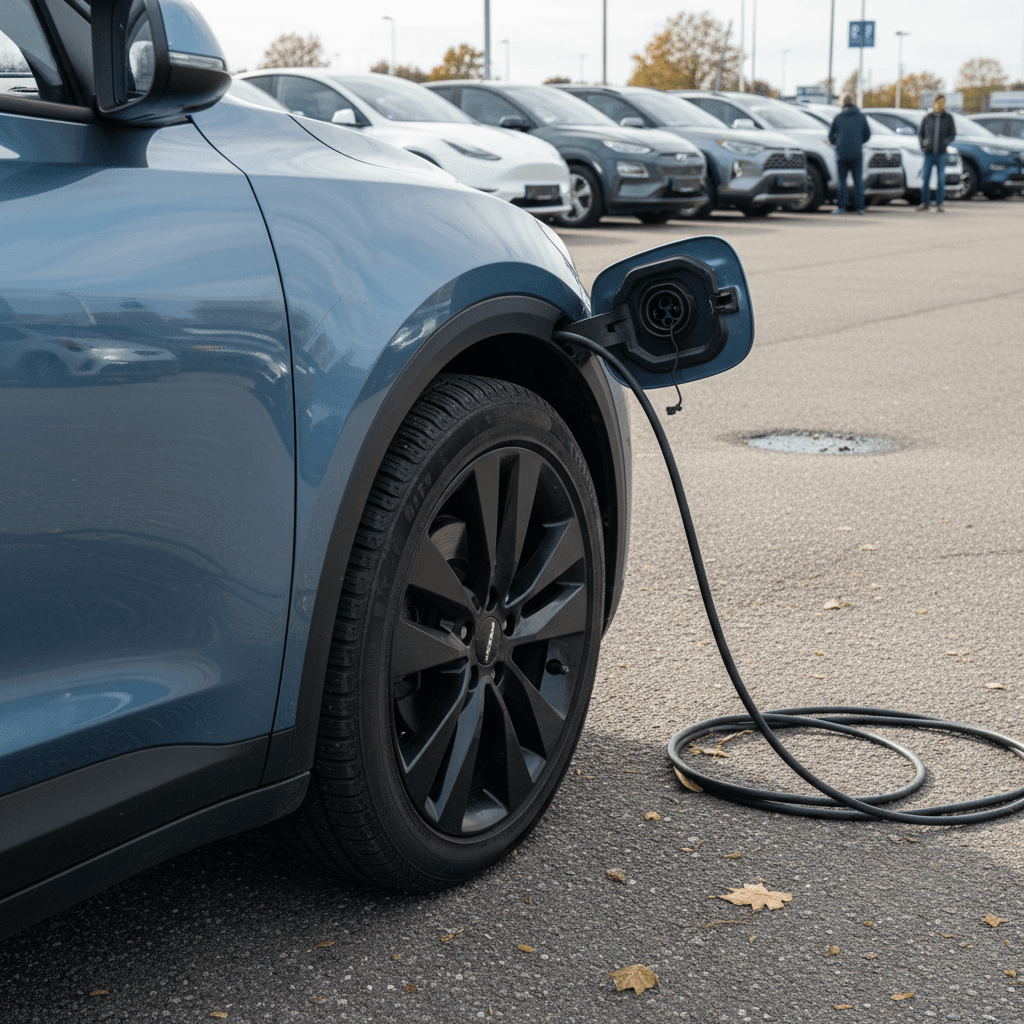
7-part inspection roadmap for any pre owned SUV
1. Exterior and bodywork
Walk the SUV in good daylight. Look for mismatched paint, panel gaps, overspray, or uneven tire wear, all hints of past accidents or poor repairs.
2. Interior condition and odors
Check seat wear, controls, and odors. Heavy wear inside a low‑mileage SUV can indicate hard use or rolled‑back mileage on older models.
3. Tires, brakes, and suspension
Uneven tire wear may point to alignment or suspension issues. Pulsation under braking or clunks over bumps are red flags to address before you sign.
4. Engine or electric drive check
On gas and hybrid SUVs, listen for cold‑start noises and watch for smoke. On EVs, focus on drive smoothness, noises under acceleration, and warning lights.
5. Technology and safety equipment
Test every camera, sensor, screen, and driver‑assistance feature. Replacing a malfunctioning 360º camera or radar sensor can be surprisingly expensive.
6. Service history
Ask for documented maintenance. Regular oil changes (for gas/hybrid), coolant changes (for some EVs), and software updates are signs of a cared‑for SUV.
7. Professional pre purchase inspection
Have an independent mechanic, or EV specialist for electric SUVs, perform a full inspection. A few hundred dollars up front can save thousands later.
Walk away triggers
Battery health on used electric SUVs
Battery health is the single most important factor when you’re evaluating a pre owned electric SUV. Modern high‑voltage packs are engineered to last many years, but how the vehicle was charged and driven matters. Fast‑charging every day, sitting at 100% charge for long periods, or living in extreme heat can all accelerate degradation.
How to evaluate an electric SUV’s battery
You don’t have to be an engineer, focus on the signals that matter most.
Check warranty coverage
Most EV batteries carry 8‑year/100,000‑mile warranties (sometimes more for luxury brands).
Confirm how many years and miles remain and whether the warranty is transferable to you.
Look at displayed range
With a full charge, compare the displayed range to the original EPA range for that model year.
A modest drop is normal; a dramatic drop could signal abuse or a problem.
Get a battery health report
Some sellers provide only a generic OBD scan; that’s not enough.
Look for specialized battery diagnostics that measure remaining capacity and identify weak modules.
Review how it was used
Ask the seller about typical charging: home Level 2, DC fast charging, or a mix. Heavy DC fast‑charge use isn’t a deal breaker, but it may influence price.
How Recharged handles battery health
Ready to find your next EV?
Browse VehiclesPricing, negotiation, and fair value
What drives the price of a pre owned SUV?
Use these levers to compare different SUVs and decide whether an asking price is reasonable.
| Factor | Helps value | Hurts value |
|---|---|---|
| Age & mileage | 3–5 years old, consistent annual mileage | Very high mileage for age, big mileage gaps |
| Trim & options | Safety tech, all‑wheel drive, tow package, high‑demand trims | Unpopular color/trim, missing features shoppers expect |
| Powertrain | Hybrids with strong records, EVs with verified healthy batteries | Gas SUVs with poor reliability, EVs with weak batteries |
| Title & history | Clean title, one owner, documented service | Salvage or rebuilt title, accident history, spotty service |
| Market conditions | Segment out of favor, motivated seller, year‑end | Limited inventory, seasonal demand (e.g., AWD before winter) |
Remember that a slightly higher purchase price on a better‑equipped or better‑maintained SUV can be cheaper in the long run.
- Research values from multiple sources, not just one pricing site.
- Compare sold prices when possible, not just asking prices.
- Be ready to walk, there are more pre owned SUVs in the market every month, especially electric models.
- Negotiate total out‑the‑door price, not just the monthly payment.
Use data, not emotion
Financing and trade‑in strategies for pre owned SUVs
Financing a pre owned SUV
- Shop rates before you shop vehicles. Getting pre‑qualified lets you focus on the SUV, not the finance office.
- Shorter terms save money. A 36–48‑month term usually costs less in interest than stretching to 72 months.
- Watch for add‑ons. Extended warranties, protection packages, and extras can quietly add thousands to your loan.
Maximizing your trade‑in or sale
- Clean and document your current vehicle. Service records and a clean interior help your valuation.
- Get multiple offers. Compare dealer trade‑in, instant‑offer services, and private‑party value.
- Consider timing. Convert your current vehicle before major repairs come due or before winter if it’s not all‑wheel drive.
How Recharged can help with money side
Where to buy a pre owned SUV (and how Recharged fits in)
Common places to buy a pre owned SUV
Each channel has strengths and trade‑offs, know what you’re getting into.
Franchise & independent dealers
Pros: Big selection, ability to test‑drive multiple SUVs, potential certified pre owned programs.
Cons: Pricing can be opaque, high‑pressure tactics at some stores, EV battery checks may be basic.
Online marketplaces
Pros: Huge reach, easy cross‑shopping, at‑home browsing.
Cons: Quality varies, limited transparency into battery health on EVs, you handle much of the homework yourself.
EV‑focused platforms like Recharged
Pros: Built specifically for used EVs and plug‑in hybrids, including Recharged Score battery diagnostics, fair‑market pricing, and expert EV guidance.
Cons: Inventory is EV‑only, if you want a traditional gas SUV, you’ll still shop elsewhere.
Digital first, with real‑world support
Quick pre owned SUV buying checklist
One‑page plan before you sign
Clarify how you’ll use the SUV
Estimate your daily mileage, road‑trip plans, towing needs, and whether you can install home charging if you’re considering an EV.
Pick your powertrain
Decide whether gas, hybrid, or electric fits your life and budget. That narrows your search and reduces analysis paralysis.
Set a realistic total budget
Include taxes, registration, insurance, and a reserve for tires or maintenance in the first year of ownership.
Shortlist 3–5 models
Focus on SUVs with good reliability records and strong battery or powertrain warranties where applicable.
Run vehicle history and inspection
Pull a history report, schedule a pre purchase inspection, and obtain a battery health report for EVs.
Compare offers and structure the deal
Evaluate multiple vehicles, financing options, and trade‑in offers side by side before committing.
Pre owned SUV FAQ
Frequently asked questions about pre owned SUVs
Final thoughts: is a pre owned SUV right for you?
A pre owned SUV can be a smart move in 2025, especially if you’re open to electric or hybrid options. Depreciation has done much of the heavy lifting for you, and the market is finally rich with choices from compact city runabouts to three‑row family haulers. Your job is to be methodical: choose the right powertrain for your life, insist on history and inspection documentation, and take battery health seriously if you’re going electric.
If you want the benefits of an electric SUV without the guesswork, a used EV sourced through Recharged wraps those steps into a single experience, Recharged Score battery diagnostics, transparent pricing, EV‑savvy support, and digital‑first buying with nationwide delivery or an in‑person visit to the Richmond, VA Experience Center. However you choose to shop, the more you understand about pre owned SUVs, the more confidently you can drive home in the one that fits your budget, your habits, and your family.