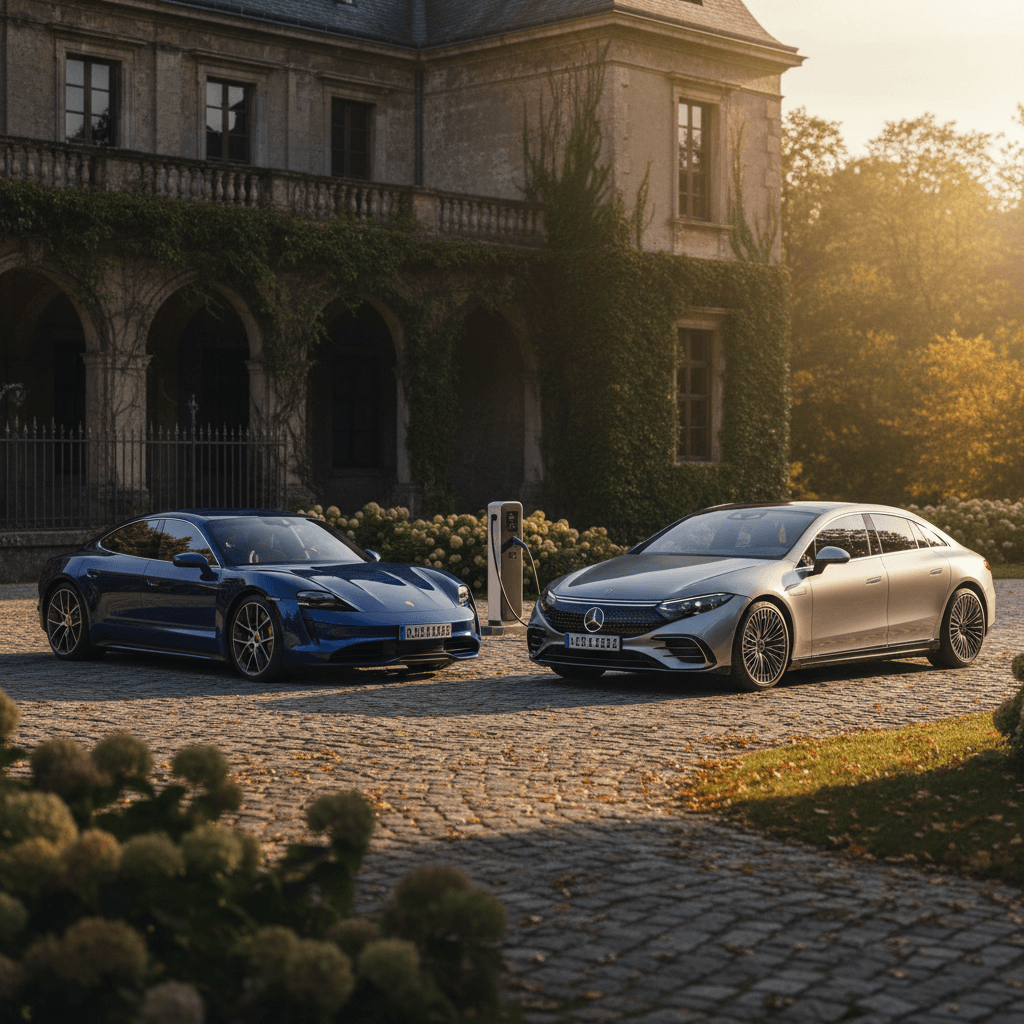
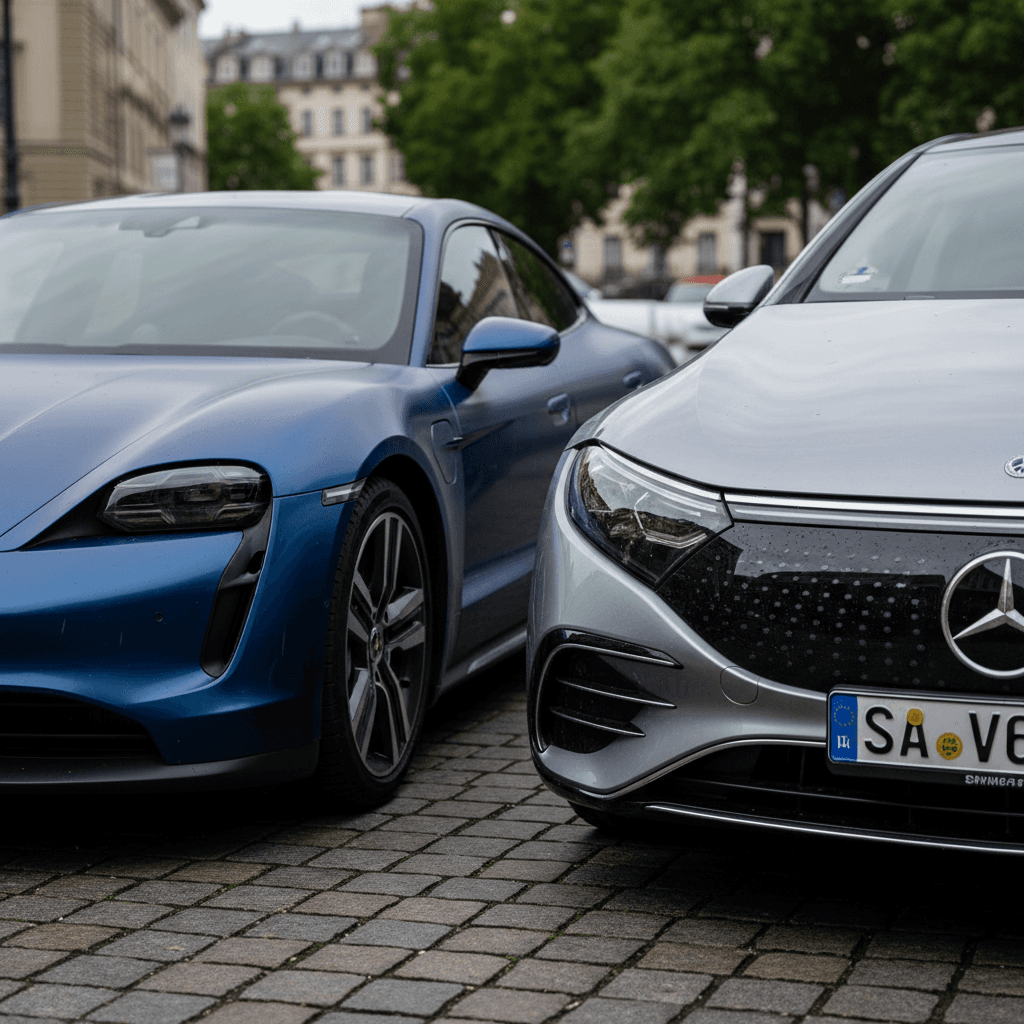
You don’t cross-shop the Porsche Taycan vs Mercedes EQS by accident. Both are six‑figure electric flagships from old‑money German brands, yet they answer different questions. The Taycan asks, “How close can an EV get to a 911?” The EQS wonders, “How soft can we make the future?” If you’re considering either on the used market, understanding those personalities matters more than the spec-sheet arms race.
Two Very Different Takes on Luxury EVs
Porsche Taycan vs Mercedes EQS: Quick Overview
Headline Numbers: Taycan vs EQS (Typical 2024–2025 U.S. Specs)
On paper, the Mercedes EQS wins the range and rear-seat comfort game. The Porsche Taycan counters with faster charging, sharper dynamics, and, in 2025 guise, much improved efficiency that earned it a major EV‑of‑the‑year crown. For most shoppers, the real decision is simple: do you want a driver’s car that happens to be electric, or an electric limo that happens to be quick?
Porsche Taycan vs Mercedes EQS: Core Specs Snapshot
Representative specs for popular 2024–2025 U.S. trims. Individual models and years vary, especially on the used market.
| Porsche Taycan (RWD / 4S) | Mercedes EQS (450+ / 580 4Matic) | |
|---|---|---|
| Power | ~402–536 hp | ~329–516 hp |
| 0–60 mph | ~5.0–3.5 s | ~5.4–4.1 s |
| Battery (usable) | ~82–97 kWh | ~108 kWh |
| Max EPA range | ~318 mi (2025 update) | ~350 mi (450+) |
| Peak DC fast charge | Up to ~270 kW (800V) | Up to ~200 kW |
| Architecture | 800‑V performance sedan | 400‑V luxury sedan |
| Drive feel | Taut, sports‑sedan | Soft, ultra‑plush |
| Body style | Sporty 4‑door sedan/wagon | Large luxury hatchback sedan |
Always check the exact trim, battery, and wheel/tire package on any used EV, range and performance can change significantly.
Driving Character & Performance
Taycan: The Driver’s Choice
The Taycan is the first EV that really feels engineered by people who love corners. Steering is quick and communicative, the body stays eerily flat with the right suspension options, and even the base rear‑drive car feels more alive than many gasoline sport sedans.
- Performance spread: From ~400 hp in base trims to over 1,000 hp in the Turbo GT, with 0–60 mph dipping to around 2 seconds in the wildest versions.
- Two-speed rear axle: Unique gearbox helps deliver brutal launches and efficient high‑speed cruising.
- Ride quality: Firm but controlled. With adaptive air and the latest Active Ride tech on 2025+ cars, it can float over bad pavement yet still feel nailed‑down in corners.
EQS: Effortless, Not Exciting
The EQS is what happens when you let the S‑Class engineers build a spaceship. It’s quiet to the point of sensory deprivation and tuned to insulate, not stimulate.
- Power: From 329 hp (EQS450+) to 516 hp (EQS580) and even more in AMG guise, acceleration is plenty strong but the chassis always prioritizes comfort.
- Steering & brakes: Accurate but anesthetized. Earlier cars were criticized for a soft brake pedal feel, something Mercedes has been working to improve.
- Ride: Air suspension and rear‑axle steering make this 5,500‑lb barge surprisingly nimble in town, but push hard and it leans and wafts rather than snaps to attention.
Who Wins on Fun?
Range, Battery & Charging Experience
Range anxiety is where the Mercedes EQS built its reputation. With a large ~108 kWh pack and slippery aero, the EQS450+ can deliver around 350 miles of EPA‑rated range and genuinely impressive highway efficiency when driven reasonably. The Taycan started life with more modest numbers, often in the low‑ to mid‑200‑mile range, but Porsche’s 2025 update brought a larger ~97 kWh battery and serious efficiency gains, pushing certain Taycan models into the low‑300‑mile territory and winning over previously skeptical testers.
Real-World Range & Charging: Taycan vs EQS
What it actually feels like to live with these cars day to day.
Range Reality
- EQS: In mixed driving, the EQS450+ often meets or beats its ~350‑mile rating. It’s a road‑trip natural if you’re gentle with speed.
- Taycan: Early cars delivered closer to 220–250 miles in many trims. Updated 2025 models stretch well past 300 miles in ideal conditions, narrowing the gap dramatically.
On the used market, you’ll see both early and updated Taycans, pay close attention to model year and battery options.
Charging Speed & Experience
- Taycan: Its 800‑V architecture allows very high peak DC fast‑charge rates (often quoted around 270 kW) and repeatable performance, meaning more time driving and less time loitering at chargers.
- EQS: Peaks around 200 kW. That’s still quick, but Taycan owners will generally add miles faster at a capable DC station.
At home on Level 2 (240 V), both cars are perfectly happy overnight. Plan on installing a 40–80‑amp circuit if you own one.
Used EV Range Check
Comfort, Interior & Tech
If the Taycan is the driver’s car, the EQS is the rolling spa. Both cabins are loaded, but they express luxury in very different dialects.
EQS: The Electric S‑Class Vibe
- Ride & refinement: Exceptionally quiet, even by EV standards. Air suspension smothers broken pavement, and the cabin feels like it’s been triple‑insulated from the outside world.
- Cabin design: The optional Hyperscreen stretches pillar to pillar, a glassy altar to touchscreen culture. Material quality is generally high, though some plastics and haptic controls feel more concept car than craft.
- Seats: Wide, soft, and endlessly adjustable. Massaging, heating, cooling, and fancy pillow headrests, this is the car you choose when you’d rather be in the back.
Taycan: Minimalist Performance Luxury
- Seating position: Low, snug, and sporty. You sit in the Taycan, not on it, with a thick steering wheel and perfect pedal alignment.
- Cabin design: Clean, driver‑centric, with several screens but still an underlying sense of analog purpose. Some surfaces feel more “premium sport” than ultra‑lux flagship.
- Noise & comfort: Quieter than most sports sedans, but not as hushed as the EQS. The tradeoff is better body control and less float over undulating pavement.
Tech That Ages Well
Practicality, Space & Everyday Usability
Both of these cars are large, expensive EVs, but only one truly nails family duty and rear‑seat comfort: the EQS. The Taycan is more 911‑adjacent, practical enough, but still prioritizing the driver.
Living With a Taycan vs EQS
Cargo, space, and daily usability differences you’ll notice immediately.
Interior Space
EQS: Huge back seat, generous headroom, and a proper sense of occasion if you’re being chauffeured. Taller adults will be much happier here.
Taycan: Rear seats are usable but tight for big humans, especially behind tall drivers. Front space is excellent if you like a low, sporty seating position.
Cargo & Layout
EQS: Big rear hatch and deep cargo area make it surprisingly useful for road trips, luggage, and even flat‑packed furniture.
Taycan: Traditional sedan trunk plus a small frunk. The Cross Turismo/Sport Turismo wagon versions dramatically improve practicality while keeping the sports‑sedan feel.
City & Parking
EQS: It’s long and wide, but rear‑axle steering helps shrink its footprint in tight parking garages.
Taycan: Shorter and a bit easier to place on narrow streets or twisty roads; low stance means you’ll watch curbs and steep driveways carefully.
Ownership Costs, Reliability & Depreciation
These aren’t cheap cars new, which is exactly why they’re so interesting used. Depreciation has been unkind to six‑figure EVs across the board, and both the Taycan and EQS have taken their medicine, great news if you’re shopping smart with good battery data.
Key Ownership Considerations for Taycan & EQS Buyers
1. Depreciation & Used Pricing
Early EQS sedans have seen particularly steep drops from their original MSRPs, often steeper than Taycan equivalents. That can make an EQS a relative bargain, but also reflects softer demand and brand repositioning. Taycans tend to hold value a bit better thanks to stronger enthusiast appeal.
2. Battery Health & Warranty
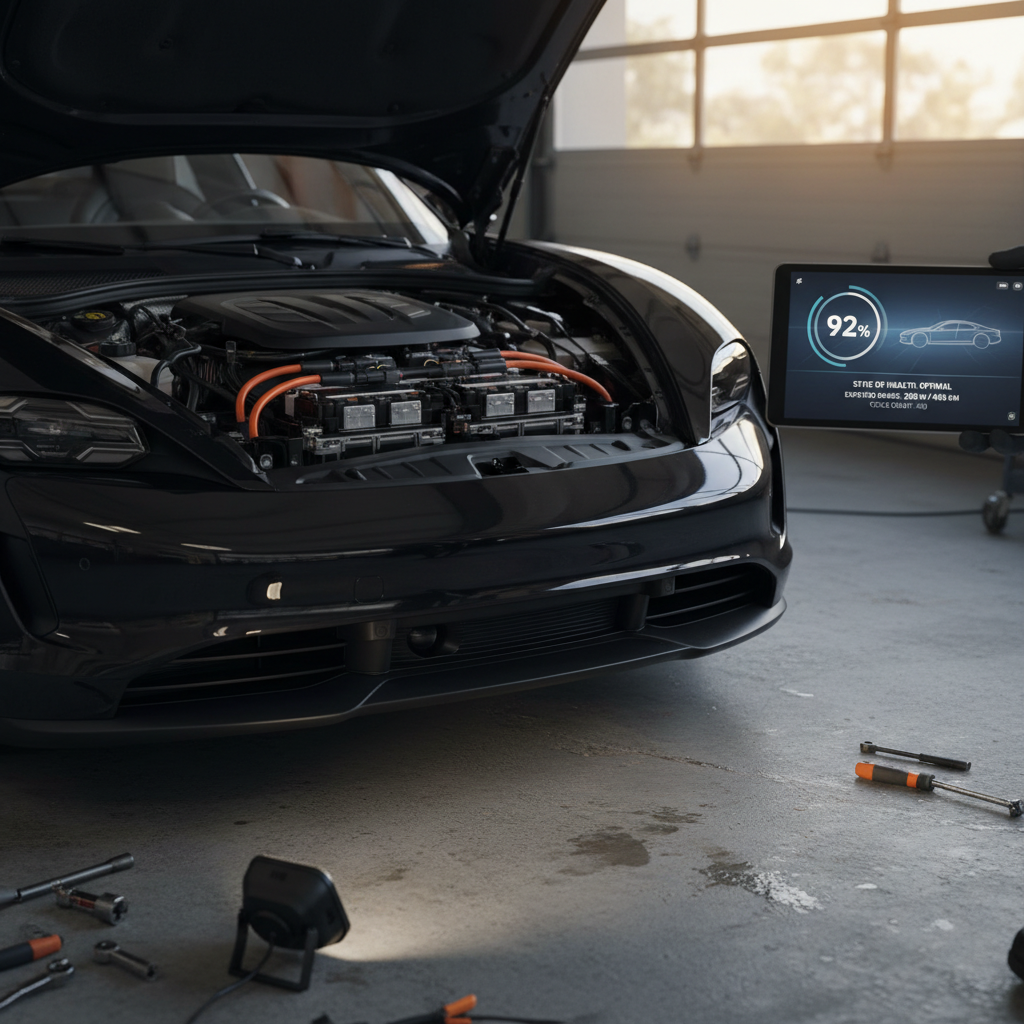
Both cars typically come with 8‑year high‑voltage battery warranties from new. On a 3–4‑year‑old example, you’ll likely have substantial coverage left, but capacity loss still matters. A verified battery health report, like the one in Recharged’s <strong>Recharged Score</strong>, helps you avoid expensive surprises.
3. Service & Repairs
Porsche and Mercedes both charge serious money for out‑of‑warranty work. The Taycan’s performance hardware (big brakes, complex suspensions) can add cost; the EQS’s expansive tech and upholstery aren’t cheap to repair either. Budget like you’re buying an S‑Class or Panamera, not a Camry.
4. Insurance & Tires
These are heavy, powerful EVs on big performance tires. Expect higher insurance premiums and more frequent tire replacements than a mainstream EV. Staggered performance setups on Taycans, in particular, can make tire bills sting.
Watch for Model-Line Changes
Charging & Road-Trip Realities
On a daily commute with home charging, either car is effortless: you leave each morning with a full “tank.” The difference shows up on long drives, where charging curve and efficiency matter more than peak advertised speed.
Road-Trip Behavior: How They Stack Up
What you’re likely to feel on a real highway run, not just in marketing brochures.
| Scenario | Porsche Taycan | Mercedes EQS |
|---|---|---|
| 200–250 mile highway leg | Arrives with a comfortable buffer on newer 2025+ cars; earlier cars may need a quick top‑up depending on speed. | EQS450+ makes this leg easily in most conditions; often arrives with more remaining range than Taycan. |
| DC fast‑charging stop | Very fast charge rate on a suitable high‑power station; short, efficient stops if you navigate to 800‑V infrastructure. | Slightly slower top rate but still respectable; long legs plus decent charging make for relaxed planning. |
| Charger availability | Dependent on CCS / NACS adapter or built‑in compatible port; check your specific car and charging standard access in your region. | Same story, network access and adapters matter more than the logo on the hood. In the U.S., availability improves every month. |
| Best use case | High‑speed touring with frequent but short, efficient stops; suits drivers who like to be behind the wheel. | Long, quiet stints between fewer stops; suits people who just want to arrive rested. |
Range numbers assume a healthy battery and mild weather; cold climates will shorten range for both.
Plan Around Your Routes, Not Brochures
Porsche Taycan vs Mercedes EQS: Which One Is Right for You?
Who Should Buy a Taycan vs an EQS?
Match your personality, not just your spec sheet.
Choose the Porsche Taycan if…
- You care deeply about how a car feels to drive: steering feedback, body control, throttle response.
- You’re okay trading a bit of range and back‑seat space for a genuinely sporty EV.
- You want super‑fast charging and are willing to seek out high‑power DC stations.
- You lean toward wagon‑ish practicality and might consider a Cross Turismo/Sport Turismo.
In short: you’re the driver, not the passenger.
Choose the Mercedes EQS if…
- You prioritize comfort, quiet, and space above all else.
- You regularly carry adults in the back seat or spend time working while someone else drives.
- You value maximum range and long highway legs over lap times.
- You want the full modern‑luxury treatment: massaging seats, ambient lighting, and a giant screen wall.
In short: you want an S‑Class experience, just without gasoline.
The Taycan is the one you drive on the road you choose. The EQS is the one you take when you don’t want to think about the road at all.
Seen clearly, Porsche Taycan vs Mercedes EQS isn’t so much a fight as a fork in the road. Both are technologically impressive, both command serious money new, and both can be smart buys used, if you pick the one that matches your life, not your fantasy garage. Decide whether you want your EV to thrill you every time you turn the wheel (Taycan) or disappear into the background while you glide in climate‑controlled silence (EQS), then shop accordingly.
How Recharged Helps You Shop Used Taycans & EQS Models
Shopping for a six‑figure luxury EV on the used market without good data is an expensive act of faith. That’s exactly the problem Recharged was built to solve.
Why Use Recharged for a Used Taycan or EQS?
Verified Battery Health with Recharged Score
Every vehicle listed on Recharged includes a <strong>Recharged Score Report</strong> with independently verified battery health. On complex, high‑value EVs like the Taycan and EQS, that’s the difference between a great deal and a slow‑charging paperweight.
Transparent, Fair Market Pricing
Recharged benchmarks each vehicle against real‑world EV transaction data, so you can see whether that used Taycan 4S or EQS580 is priced fairly, before you start negotiating or apply for financing.
EV-Specialist Guidance, Not Generic Sales Talk
Our EV‑focused team can help you understand trim differences, charging hardware, and how these cars will fit into your daily life. Unsure if you should stretch for an updated 2025 Taycan, or save with an earlier EQS? We’ll walk you through the tradeoffs.
Financing, Trade-In & Nationwide Delivery
Recharged offers financing, instant offers and consignment for your current car, and <strong>nationwide delivery</strong>. You can shop a high‑end Taycan or EQS online, handle paperwork digitally, and have it show up in your driveway.
In-Person Experience if You Want It
Prefer to sit in the cars before deciding? Visit our Experience Center in Richmond, VA, to get a feel for EV packaging, charging, and day‑to‑day living, even if the exact Taycan or EQS you want is being delivered from elsewhere.
Porsche Taycan vs Mercedes EQS: FAQ
Frequently Asked Questions
Whether you end up in a Porsche Taycan or a Mercedes EQS, you’re buying more than an electric drivetrain, you’re buying an attitude toward the future. Choose the one whose character you won’t grow tired of, then use data, not guesswork, to find a used example with a healthy battery and honest pricing. That’s where Recharged fits in, turning a six‑figure gamble into a clear‑eyed decision.