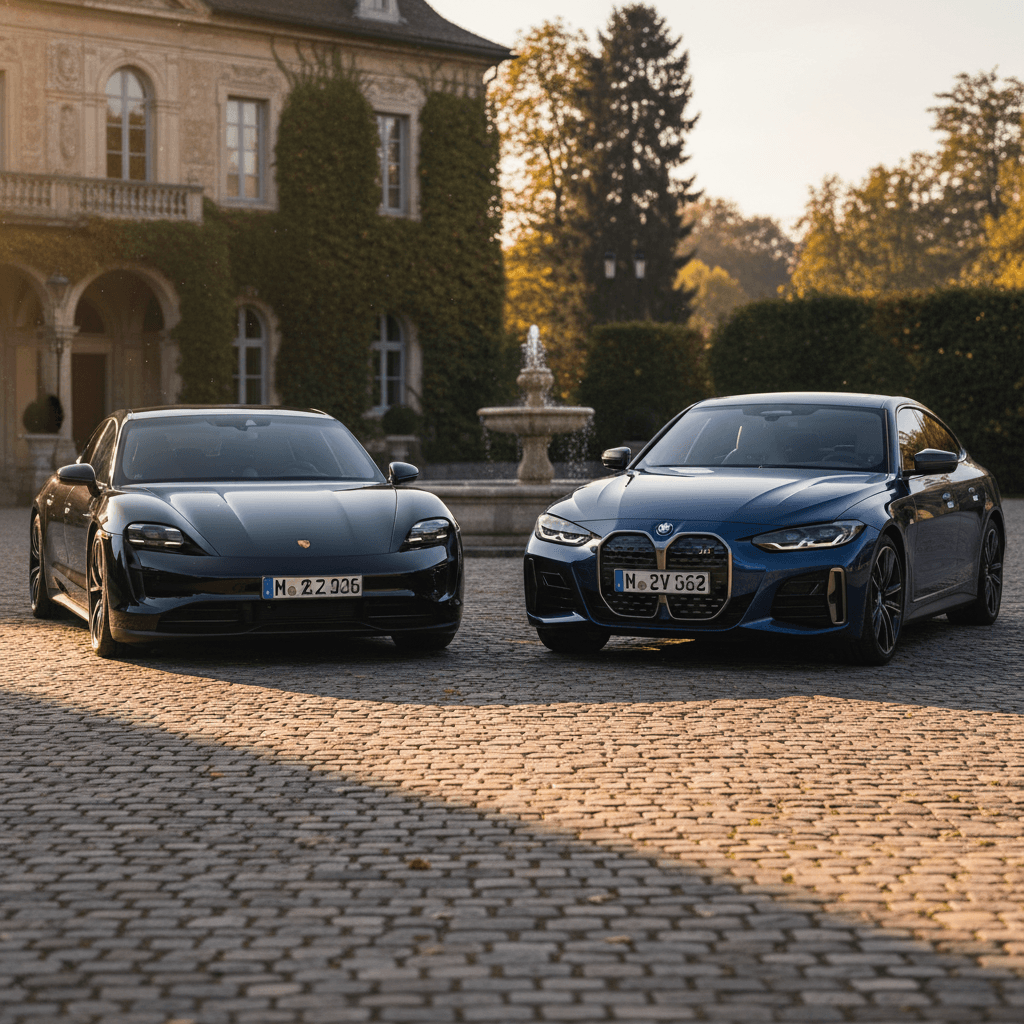
You’re shopping high-performance electric sedans and keep coming back to the same question: Porsche Taycan vs BMW i4 – which is better? On paper they both promise sports-car speed, luxury badges, and silent EV smoothness. On the street and in your budget, they feel very different. This guide breaks down performance, range, charging, comfort, and long‑term costs, with a special eye toward the growing used EV market.
Two very different takes on the electric sport sedan
Porsche Taycan vs BMW i4: Quick Overview
Headline Snapshot: Taycan vs i4 (Typical U.S. Models)
Think of the Taycan as the EV you buy for the way it makes you feel on a twisty road, and the BMW i4 as the one you buy because you want 80–90% of that fun with more range and a much friendlier monthly payment.
Key Differences Between Porsche Taycan and BMW i4
Core Differences at a Glance
Same mission, very different personalities
Vehicle Concept
Porsche Taycan
- Clean-sheet EV platform
- Wide, low, sports-sedan stance
- Feels like a 911’s practical cousin
BMW i4
BMW i4
- Shares body with 4 Series Gran Coupe
- More upright, more conventional sedan feel
- Easier transition from a gas BMW
Price & Value
- Taycan: New often six figures, used still pricey plus higher maintenance
- i4: New and used typically tens of thousands less
- Stronger value story for daily drivers
- Performance focus: Taycan is the sharper, purer driver’s car; i4 M50 is still very quick but a bit softer and easier to live with.
- Range focus: i4 generally goes farther per charge than comparable Taycan trims, especially at highway speeds.
- Charging: Taycan’s 800‑volt architecture gives it blazingly fast DC charging; the i4 is quick, but not record‑setting.
- Interior vibe: Taycan feels like a minimalist spaceship; the i4 feels like a modern BMW you already know how to use.
- Ownership: Taycan is more expensive to buy, insure, and maintain; the i4 tends to be gentler on your wallet, especially used.
Performance and Driving Feel
Porsche Taycan: Track‑ready from day one
If you care first and foremost about steering feel, brake feel, and chassis balance, the Taycan is in rare company. Even the "base" rear‑wheel‑drive Taycan delivers instant torque, precise steering, and the kind of planted, unflappable stability that makes you look for the long way home.
Higher trims (4S, Turbo, Turbo S, Turbo GT) pile on power to the point where 0–60 mph times in the low 3s, or even closer to 2 seconds, are normal territory. Massive brakes, optional rear‑axle steering, and sophisticated adaptive dampers make it feel like a proper Porsche that just happens to plug in.
BMW i4: Familiar BMW feel, with electrons
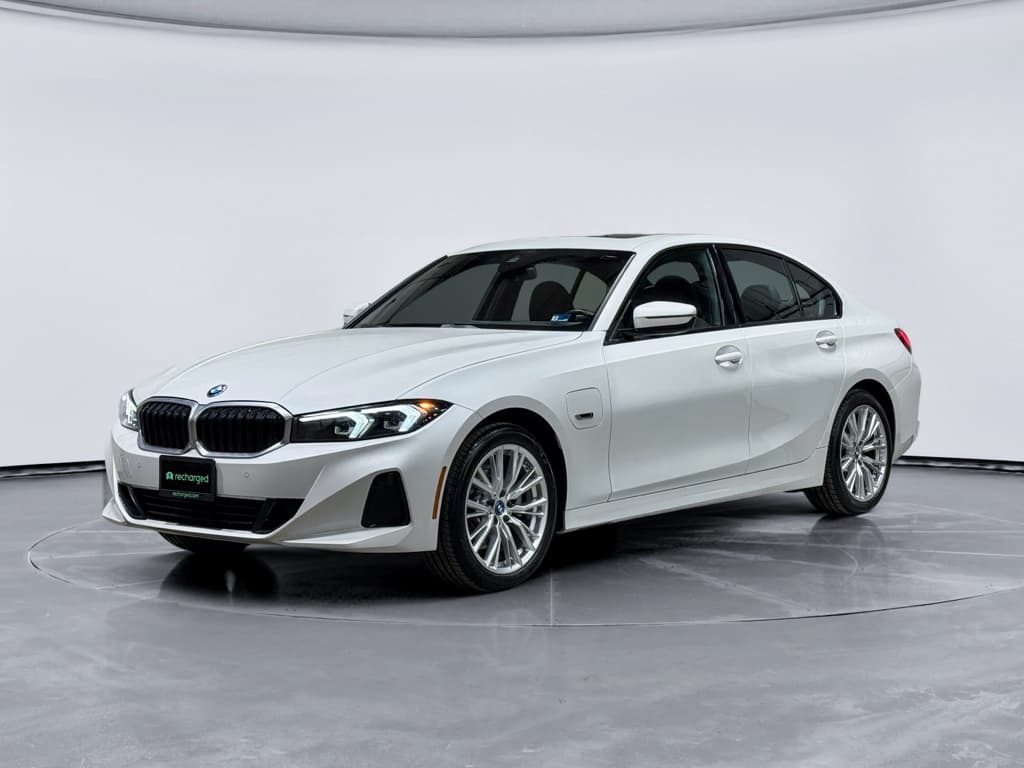
The i4 lineup runs from the eDrive35 and eDrive40 (rear‑drive) through the xDrive40 to the hot‑rod M50. Power ranges from about 280 hp up to the mid‑500s, with 0–60 mph as quick as the mid‑3‑second range in the M50.
On the road, the i4 feels like a slightly heavier 4 Series Gran Coupe: accurate steering, comfortable ride, and strong acceleration. It’s athletic, but not as razor‑edged as the Taycan. For a lot of people, that’s exactly the right balance, quick enough to be exciting, soft enough for potholes and long commutes.
How to test-drive these cars properly
Range and Charging: Daily Reality Check
Specs don’t tell the whole story, but they set expectations. And when you’re comparing Porsche Taycan vs BMW i4, range and charging are where the BMW quietly wins a lot of hearts, especially if you road‑trip.
Typical Range & Fast-Charging Comparison
Representative trims U.S. shoppers commonly cross‑shop. Exact numbers vary by wheels, options, and model year.
| Model | Drivetrain | Approx. EPA Range | Max DC Fast Charge | Real-World Takeaway |
|---|---|---|---|---|
| Porsche Taycan (base RWD, newer battery) | RWD | ~240–260 mi | Up to ~270–300+ kW | Sufficient for most days, but efficiency drops at high speed; shines with ultra‑fast charging. |
| Porsche Taycan 4S / higher trims | AWD | ~230–270 mi | Similar ultra‑fast capability | More power, slightly less range; best if you DC fast‑charge often. |
| BMW i4 eDrive35 | RWD | ~250–260 mi | Up to ~180–200 kW | Entry model; decent range, slightly slower highway charging than Taycan but still practical. |
| BMW i4 eDrive40 / xDrive40 | RWD / AWD | ~280–310 mi | Up to ~200 kW | The sweet spot: strong performance and excellent range for the class. |
| BMW i4 M50 | AWD | ~240–270 mi | Up to ~200 kW | Big power with still‑respectable range if you’re not hammering it constantly. |
Always verify the exact EPA range and charging capability for the specific model year and trim you’re considering, especially on the used market.
Highway reality check
If you mostly charge at home and do under 200 miles most days, both cars are fine. If you regularly do long highway drives in areas with patchy fast‑charging, the i4’s longer range per stop can make the day less stressful.
Comfort, Interior, and Tech Experience
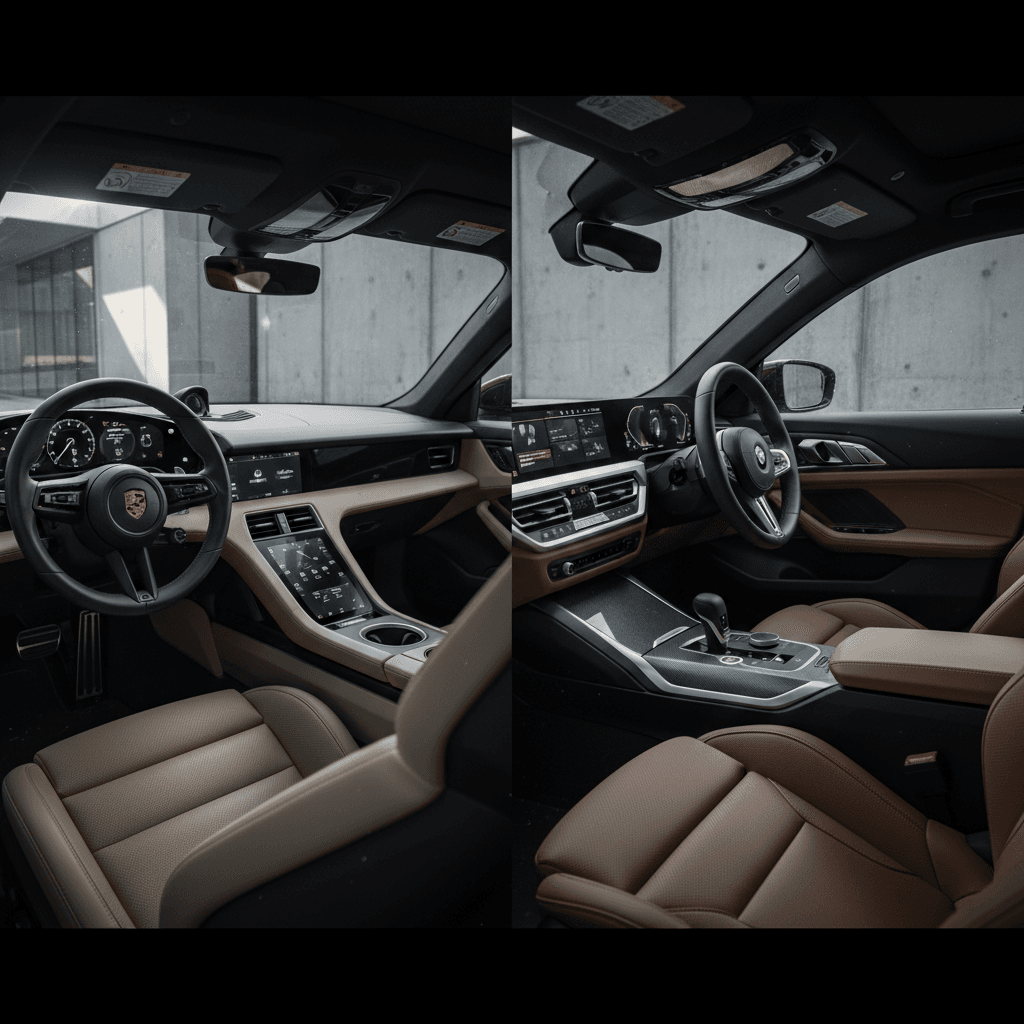
Taycan: Modern Porsche cockpit
The Taycan interior is clean and low, with a wide dash, crisp screens, and excellent driving position. Materials are typically high quality, especially in better‑optioned cars, and the steering wheel, seats, and pedals line up exactly the way you’d hope in a Porsche.
The flip side? It can feel tight, especially in the rear seats and if you prefer a higher seating position. Touch‑based climate and haptic controls look high‑tech but demand more eyes‑off‑the‑road time until you learn the system.
BMW i4: Familiar BMW luxury
The i4 cabin is essentially a 4 Series Gran Coupe with a modern EV twist: a large curved display, BMW’s latest iDrive interface, and a mix of physical buttons and touch controls. The seats are supportive, visibility is decent, and getting in and out is easier than in the Taycan.
Tech feels more approachable if you’ve driven recent BMWs. Apple CarPlay and Android Auto are standard, and BMW’s driver‑assistance suite (adaptive cruise, lane keeping, etc.) is abundant on many used examples.
Which interior will you like more?
Practicality: Space, Seats, and Everyday Use
Living With Them Day to Day
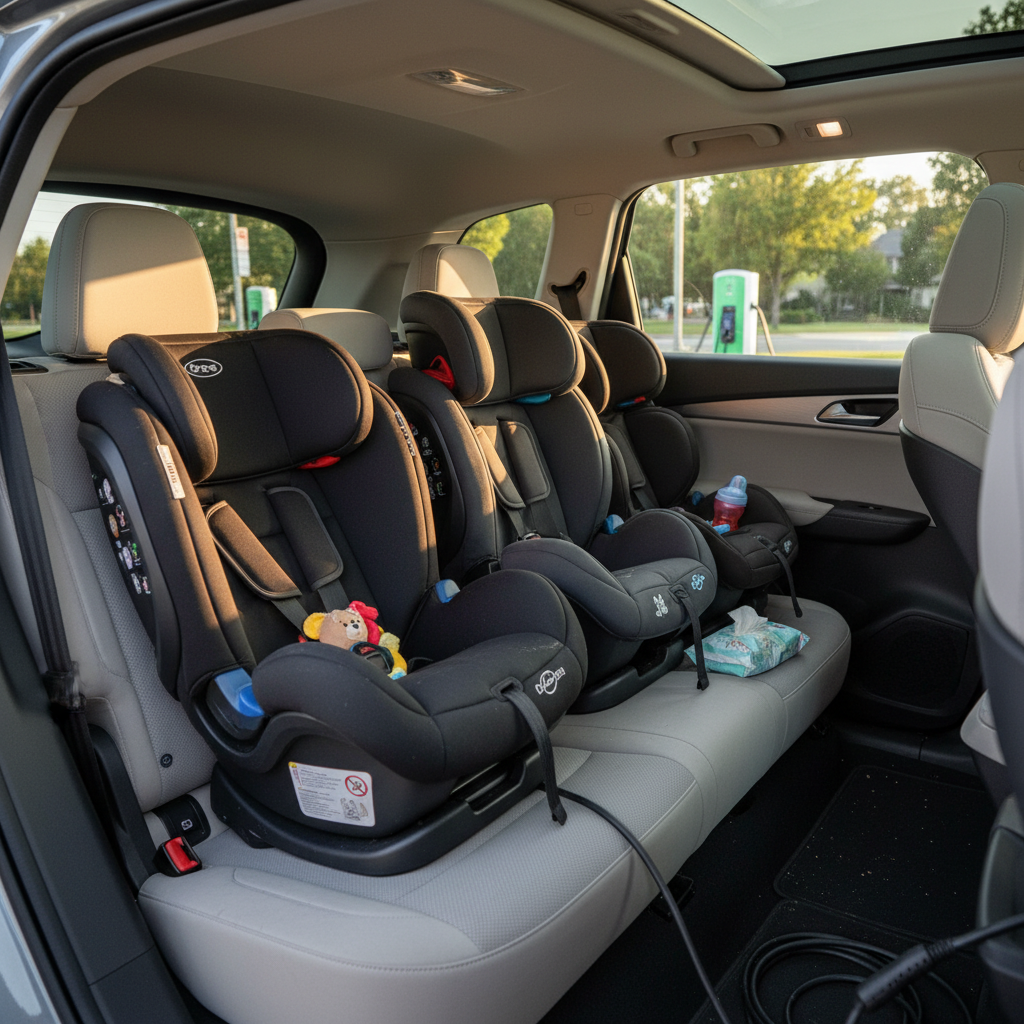
How they handle groceries, kids, and luggage
Seating & Comfort
- Taycan: Low roof, tight rear headroom, more sports‑car than family car.
- i4: Still low compared with an SUV, but easier rear access and more usable rear space for adults.
Cargo & Flexibility
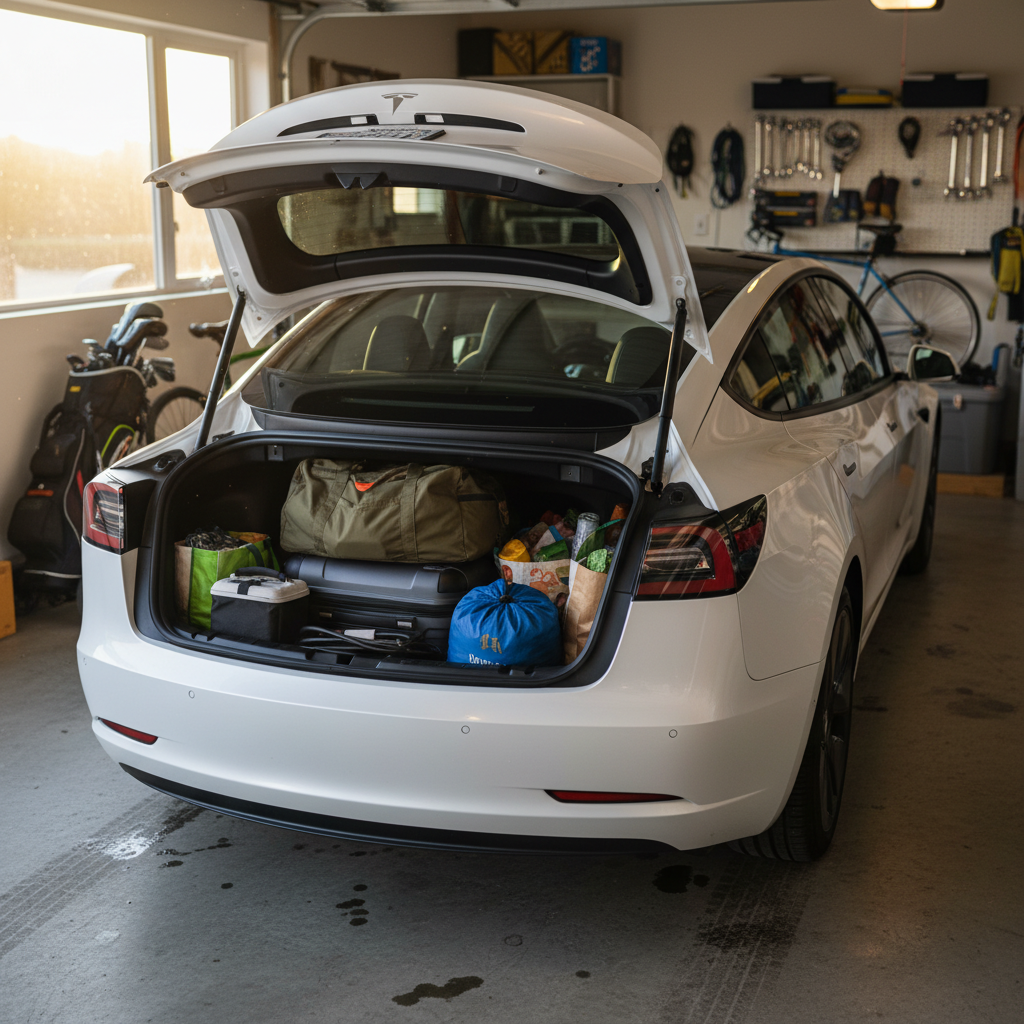
- Taycan: Traditional trunk plus small front trunk; fine for luggage for two, tight for four.
- i4: Hatchback opening makes it far more practical for bulky items, strollers, and road‑trip gear.
Ride & Noise
- Taycan: Firm, very controlled; excellent at speed, may feel stiff over bad pavement.
- i4: Softer tuning on most trims; not as sharp but kinder to passengers on rough city streets.
If this EV has to play family car, commuter, and road‑trip machine, the i4’s hatchback and roomier rear seat make it easier to live with. If it’s your personal toy or a second car, the Taycan’s compromises may feel like part of the charm.
Ownership Costs and Used Market Reality
New, there’s almost no overlap: a well‑equipped Taycan often lands in the $100,000‑plus neighborhood, while an i4 lives in the $50,000–$75,000 range depending on trim and options. On the used market, though, prices can surprise you in both directions.
Typical U.S. Used-Market Reality (Illustrative)
Representative 2023–2025 examples; actual prices vary by mileage, condition, and options.
| Model / Year | Ballpark Used Price | 5‑Year Cost-to-Own Feel | Notes |
|---|---|---|---|
| 2023–2024 Porsche Taycan 4S | Often $80,000–$110,000+ | High | Depreciation is steep in dollar terms; insurance, tires, and brakes are all in Porsche territory. |
| 2023–2025 Taycan base RWD | Roughly $70,000–$90,000+ | High | Lower entry cost than 4S/Turbo, but still an expensive car to maintain and repair out of warranty. |
| 2023–2025 BMW i4 eDrive35/eDrive40 | Roughly $40,000–$60,000 | Moderate | More attainable prices with solid efficiency; parts and labor usually lower than Porsche equivalents. |
| 2023–2025 BMW i4 M50 | Roughly $50,000–$70,000 | Moderate–High | Performance model commands a premium but still under comparable Taycan money in most markets. |
Always check current local listings and total cost of ownership, not just the advertised price.
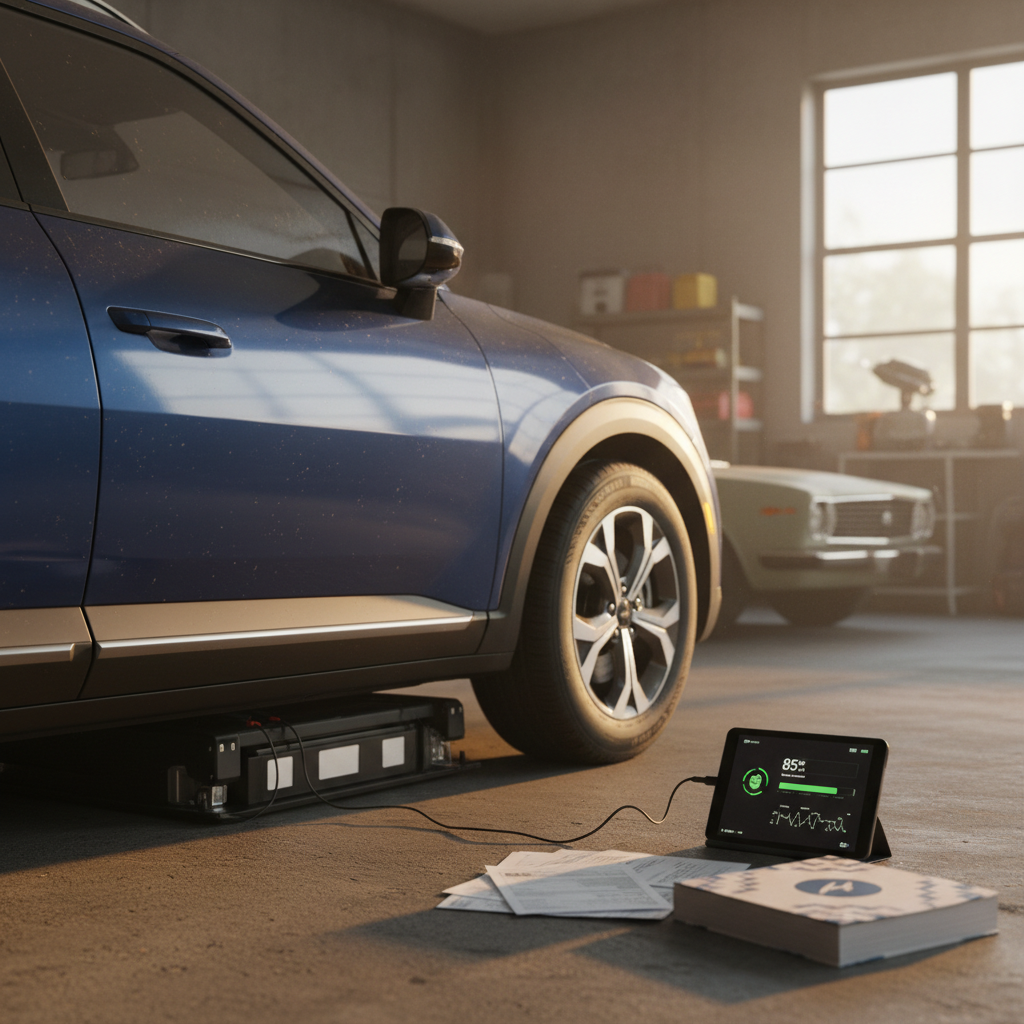
Don’t ignore battery and warranty on a used EV
This is exactly where a used‑EV specialist helps. Every vehicle sold through Recharged comes with a Recharged Score Report that includes verified battery health, transparent pricing, and expert support, so you’re not guessing about the most expensive part of the car.
Porsche Taycan vs BMW i4: Which Is Better for You?
Choose the Porsche Taycan if you:
- Prioritize driving feel and brand heritage over spreadsheet value.
- Want one of the sharpest‑handling EVs on the market.
- Regularly use high‑power DC fast chargers and value ultra‑quick charging stops.
- Can comfortably afford higher purchase price, insurance, and maintenance.
- Don’t need maximum rear-seat or cargo flexibility every single day.
Choose the BMW i4 if you:
- Want strong performance with better range per dollar.
- Need a single car that can do commuting, family duty, and road trips.
- Prefer a familiar luxury-sedan cockpit with BMW tech and ergonomics.
- Care about total cost of ownership and value, especially buying used.
- Are coming out of a gas BMW and want electrification without a culture shock.
The honest verdict
Checklist: How to Choose Between Taycan and i4
Step-by-Step: Narrowing Your Choice
1. Define your real budget (including ownership)
Look beyond the purchase price. Get insurance quotes for both cars, factor in potential maintenance, tires, and possible out‑of‑warranty repairs, especially on a used Taycan.
2. Decide how much performance you’ll actually use
If you rarely floor it and mostly commute in traffic, an i4 eDrive40 or xDrive40 may feel just right. If you live for back roads or track days, a Taycan 4S or better, or an i4 M50, belongs on your list.
3. Map your weekly driving and charging
Count your typical miles per day, your access to home charging, and how often you fast‑charge. Heavier road‑trippers may lean toward the i4’s range; urban drivers near fast chargers might happily live with a Taycan.
4. Sit in both with your family and your stuff
Can your passengers sit comfortably in back? Does the stroller, bike, or golf bag fit? The i4’s hatchback is a major advantage if you carry bulky cargo.
5. Check battery health and remaining warranty
For any used Taycan or i4, insist on battery diagnostics and clear documentation. With Recharged, the Recharged Score Report surfaces this up front so you can compare vehicles confidently.
6. Test-drive on the roads you actually use
Don’t let a 10‑minute loop decide a 5‑figure purchase. Drive each car on your usual highways and side streets, then ask yourself which one you’d want to wake up to every day.
FAQ: Porsche Taycan vs BMW i4
Frequently Asked Questions
When you line them up, the Porsche Taycan vs BMW i4 debate isn’t really about which car is universally “better”, it’s about which one is better for you. The Taycan is the thrill, the heritage, the track‑day weapon that happens to have four doors. The i4 is the quietly brilliant all‑rounder that nails range, practicality, and value while still feeling every inch a modern performance BMW. If you’re comparing them on the used market, take your time, get real battery‑health data, and choose the car that fits your life as well as your dreams. And if you want a second set of eyes, Recharged is built exactly for that job.