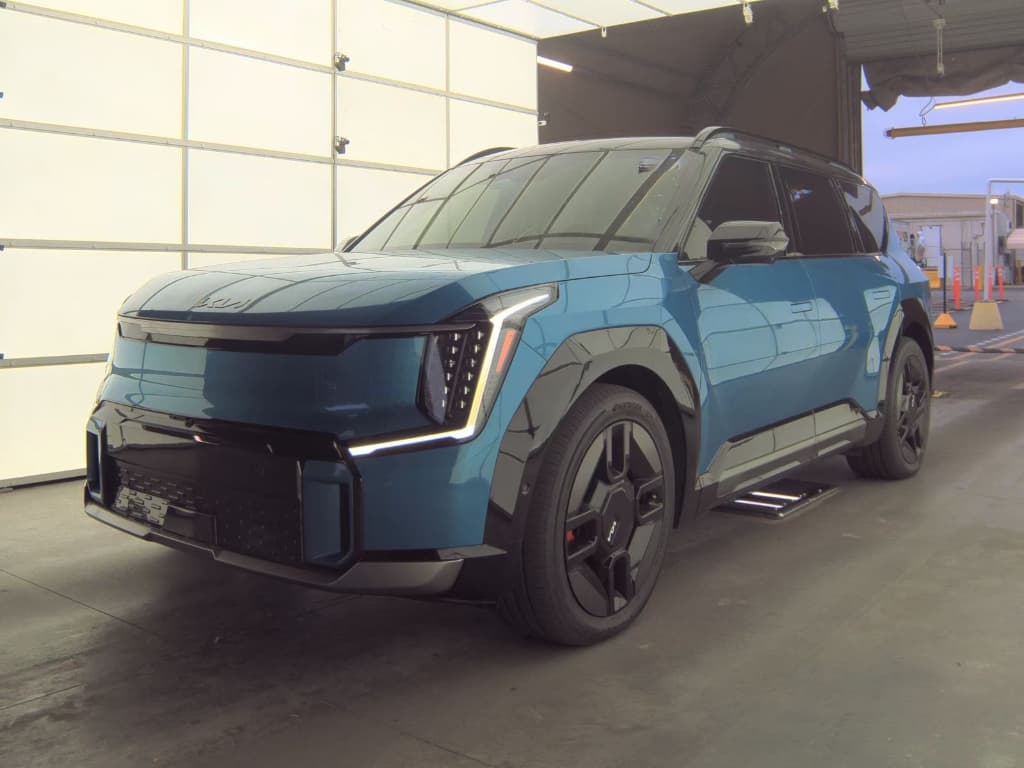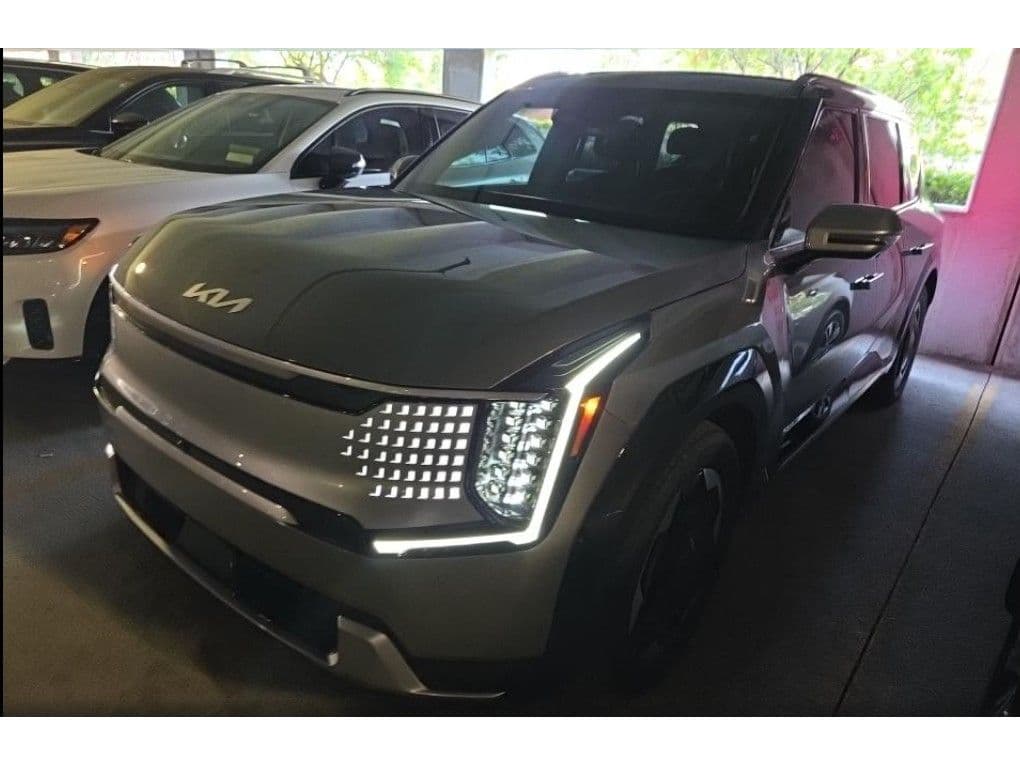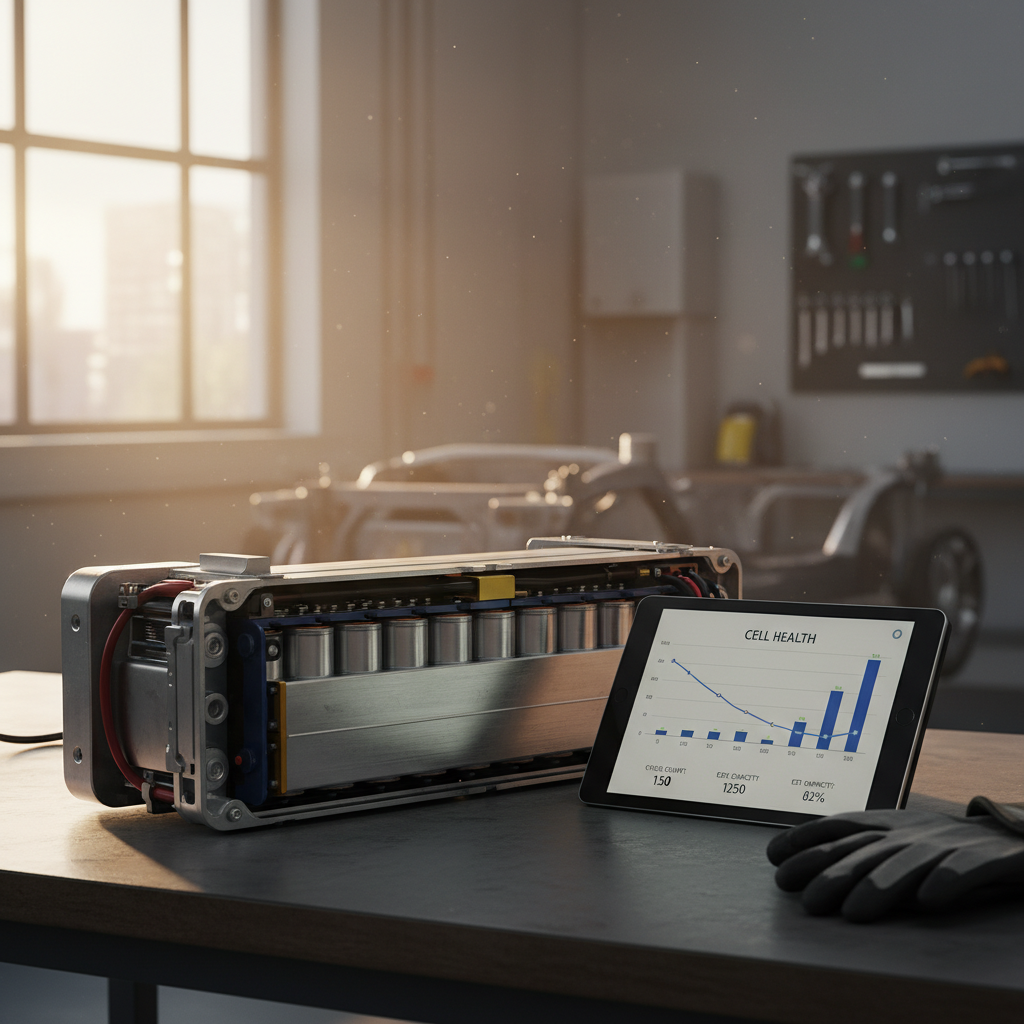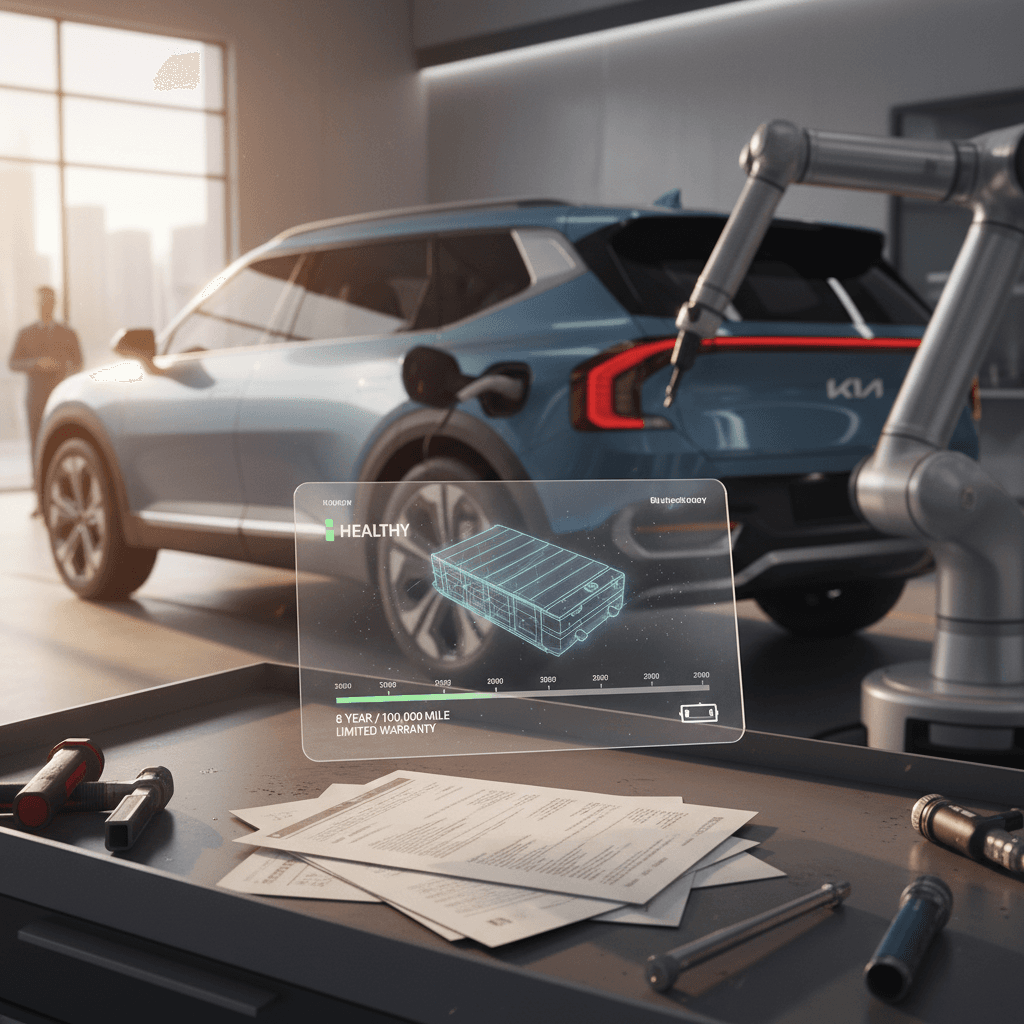
If you’re looking at a Kia EV9, new or used, you’ve probably heard about the 10‑year/100,000‑mile Kia EV battery warranty. It sounds reassuring, but what does that **actually** cover on an EV9, and where are the gotchas? This guide breaks down the Kia EV9 battery warranty in plain English so you know what’s protected, what isn’t, and how that coverage affects the value of a used EV9.
Quick answer
Kia EV9 battery warranty at a glance
Kia EV9 warranty basics (U.S. focus)
Kia positions the EV9 as a long‑haul family EV, and the warranty reflects that. In the U.S., the **high‑voltage battery and EV system** are typically covered up to 10 years or 100,000 miles from the original in‑service date. Other regions (like Canada, Europe, or New Zealand) may quote **8‑year** or different limits for the same battery, so don’t assume the U.S. terms if you’re shopping across borders or importing a vehicle.
Watch the fine print
How long the Kia EV9 battery warranty lasts
Typical Kia EV9 warranty terms (U.S. overview)
Exact coverage can vary slightly by model year and region, but this is the general pattern you’ll see on a U.S.‑spec Kia EV9.
| Component / coverage | Term (time) | Term (mileage) | Notes |
|---|---|---|---|
| High‑voltage battery pack | 10 years | 100,000 miles | Against defects in materials/workmanship; includes pack and internal components. |
| EV system components (motor, inverter, EPCU, onboard charger) | 10 years | 100,000 miles | Grouped as "EV system" or similar in U.S. documentation. |
| Basic (bumper‑to‑bumper) warranty | 5 years | 60,000 miles | Covers most non‑wear items, electronics, interior, many modules. |
| Powertrain (gas models only) | 10 years | 100,000 miles | Listed in Kia materials but less relevant to the EV9’s electric drivetrain. |
| Anti‑perforation (corrosion) | 5–12 years | Unlimited or mileage‑limited | Varies a bit by region; sheet‑metal rust‑through only. |
Always confirm your own EV9’s coverage with a Kia dealer using the VIN.
The **clock starts when the EV9 is first put into service**, not when you buy it used. That “in‑service date” is usually the day it was first sold or leased new. A three‑year‑old used EV9 with 28,000 miles on it will typically have around seven years and 72,000 miles of battery coverage left, assuming it was originally sold in the U.S. under the standard Kia EV warranty program.
How to find your in‑service date
What the EV9 high‑voltage battery warranty actually covers
When people ask, “What does the Kia EV9 battery warranty cover?” they’re really asking whether the most expensive component in the vehicle is protected. In everyday terms, the answer is yes, if the pack or its internal components fail due to a defect, Kia will repair or replace them under warranty during the coverage period.
Core items the EV9 battery warranty is built around
Exact part names vary by region, but these are the big pieces you care about.
High‑voltage battery pack
The main lithium‑ion polymer battery pack running down the EV9’s floor. Coverage includes internal modules, cells, and the battery case when a defect is the cause of failure.
Battery electronics & safety
Components inside the pack, such as contactors, sensors, and cell monitoring hardware, are typically covered as part of the high‑voltage battery assembly.
Related EV system parts
Separate from the battery itself, the EV system warranty often covers the electric motor(s), power electronics, and onboard charger for the same 10‑year/100,000‑mile term.
If a cell group, module, or internal battery control unit fails in a way that’s judged to be a manufacturing defect, Kia’s typical response is to replace either the affected modules or, more commonly, the **entire high‑voltage pack assembly**. That’s a five‑figure repair bill you’d much rather have them pay than you.
Real‑world reassurance
Capacity loss and battery degradation: what’s covered
Every EV battery loses capacity over time, that’s normal. The gray area is how much loss is considered “normal wear” versus a defect that Kia will fix under the EV9 battery warranty. Kia’s EV warranty language usually includes some form of **capacity retention coverage**, but the details vary by market and model year.
How capacity coverage typically works
- The warranty defines a minimum battery capacity or state of health (SOH) the pack should retain for a set period, often the same 8–10 year window.
- If your EV9’s pack drops below that threshold (for example, below roughly 70% of original usable capacity) within the warranty term, Kia may repair or replace it.
- Capacity is measured using dealer diagnostics and standardized tests, not just what the dash range estimate says on a cold morning.
What isn’t considered a defect
- Gradual range loss that still keeps the pack above the defined capacity floor.
- Range swings caused by weather, tire choice, or driving style.
- Capacity loss tied to clear misuse, like chronic over‑charging, operating far outside temperature limits, or ignoring cooling‑system failures.
Dash range ≠ battery health report
If you’re buying a used EV9, this is where tools like the Recharged Score battery health report matter. Instead of guessing from the range display, you see a data‑driven estimate of pack health so you know whether you’re close to any capacity‑related warranty thresholds.
What’s not covered under the Kia EV9 battery warranty
It’s just as important to understand what the EV9 battery warranty doesn’t cover. No manufacturer writes a blank check, and Kia is no different. The battery warranty is there for defects, not for every possible way a pack can be abused or damaged.
Common EV9 battery warranty exclusions
Damage from accidents or external events
If the battery pack is damaged in a crash, flood, fire, or other external event, that’s usually an insurance claim, not a warranty repair, even if the car is fairly new.
Improper modifications or non‑approved repairs
Aftermarket performance tunes, non‑Kia high‑voltage modifications, or unapproved repairs to the pack can give Kia grounds to deny related battery claims.
Neglect and failure to maintain the car
Ignoring warning lights, driving for extended periods with known cooling issues, or skipping essential service can jeopardize battery coverage if it contributes to a failure.
Normal wear items and 12‑V battery
The 12‑volt battery, brake pads, tires, and other wear items are covered (if at all) under separate terms, not as part of the high‑voltage battery warranty.
Commercial or extreme duty use (in some regions)
In certain markets, vehicles used for commercial duty, rideshare, taxi, delivery, may have reduced warranty terms unless specifically covered under a commercial program.
Don’t gamble with DIY high‑voltage work
How the EV9 battery warranty fits into Kia’s wider coverage
Kia’s EV9 warranty is really a stack of different promises that overlap. The **battery warranty** is just one piece. Understanding how they fit together helps you know which bucket a repair might fall into, and whether the vehicle is still protected.
Kia EV9 warranty layers, simplified
Different problems are handled by different parts of the warranty puzzle.
Basic (bumper‑to‑bumper) warranty
Usually 5 years/60,000 miles. Covers most electronics, interior hardware, infotainment, climate control, and many modules. If a non‑battery control unit dies early, it’s probably handled here.
High‑voltage battery + EV system warranty
Generally 10 years/100,000 miles on the EV9 in the U.S. for the pack, drive motors, inverter, power electronics, and onboard charger when a defect is to blame.
Corrosion/anti‑perforation warranty
Focused on rust‑through of body panels. You might see terms like 5 to 12 years depending on market. It’s not about paint chips or cosmetic rust.
Roadside assistance & extras
For the early years, Kia usually includes roadside assistance and sometimes towing to the nearest dealer if a high‑voltage failure leaves the EV9 immobile.
You’ll see these spelled out in separate sections of the warranty booklet. When a dealer writes up a repair, they decide which bucket it falls into, then Kia corporate approves or declines it under that specific warranty.
Buying a used Kia EV9: does the battery warranty transfer?
If you’re shopping used, the big question is whether the Kia EV9 battery warranty transfers to the next owner. Historically in the U.S., Kia’s 10‑year powertrain warranty has been limited for second owners, but the dedicated **high‑voltage battery and EV system warranty has typically remained transferable**, often at least as an 8‑year/100,000‑mile package.
Why the answer can be confusing
For used EV9 buyers
- Assume the start date is the original in‑service date, not when you buy the car.
- Most or all of the EV system coverage is likely to transfer, but the exact term for second owners can differ from the original buyer.
- Certified pre‑owned (CPO) EV9s may come with extra coverage layered on top of the factory warranty.
How Recharged helps
- Every EV9 sold on Recharged includes a Recharged Score report with verified battery health, so you can see how the pack has aged.
- Our team can help you interpret the remaining factory battery coverage based on the VIN, in‑service date, and mileage.
- If you’re comparing multiple used EV9s, that clarity can easily be worth thousands of dollars over the life of the vehicle.
How to check remaining EV9 battery warranty and avoid surprises
You don’t have to be a lawyer to decode an EV9’s warranty status. With a few key pieces of information, you can estimate how much high‑voltage coverage is left and decide whether that particular EV9 is worth paying a premium for.
Simple checklist to verify EV9 battery warranty
1. Get the full VIN
Ask the seller for the complete 17‑digit VIN. You’ll need this for dealer lookups, service history reports, and tools like the Recharged Score report.
2. Ask for the original purchase paperwork
A purchase agreement or original window sticker can confirm trim, options, and sometimes the in‑service date. If it’s missing, it’s not a deal‑breaker, but treat it as a yellow flag.
3. Call a Kia service department
Give them the VIN and ask them to read you the <strong>in‑service date</strong> and the remaining EV system/battery warranty coverage. Make a note of who you spoke to and when.
4. Confirm any regional differences
If the EV9 was originally sold in Canada or overseas, the battery warranty terms may differ from U.S. norms. Ask specifically which market’s warranty applies to that VIN.
5. Get a battery health assessment
Dash range alone isn’t enough. A professional report, like the <strong>Recharged Score</strong> battery health diagnostic, can reveal whether capacity is tracking normally or showing early trouble.
6. Keep documentation together
Save screenshots, emails, and dealer printouts. If you ever need to make a warranty claim, having a paper trail makes life easier.
How to protect your EV9 battery and keep the warranty valid
A warranty is a safety net, not an excuse to be rough on the battery. The way you charge and drive your EV9 can extend pack life, and keep Kia on your side if something does go wrong.
Battery‑friendly habits that also keep Kia happy
Small adjustments now can protect your range and your wallet later.
Charge smart, not just fast
Use Level 2 AC charging for most daily needs and reserve DC fast charging for road trips. The pack runs cooler and ages more gracefully when it isn’t constantly blasted with maximum power.
Watch temperature extremes
Whenever possible, avoid long‑term parking at 100% state of charge in blazing heat or deep cold. A garage, shaded spot, or moderate SOC is kinder to the cells.
Follow Kia’s maintenance schedule
Stay current on software updates and inspections. If Kia recommends a battery or cooling‑system inspection at certain intervals, keeping records helps during any future warranty discussion.
Don’t ignore warnings
If the EV9 throws high‑voltage or cooling alerts, get it checked promptly. Continuing to drive with obvious faults can give Kia grounds to deny claims if the neglect contributed to damage.
Use qualified technicians
High‑voltage work should be handled by trained, authorized technicians. DIY experiments or non‑EV specialty shops poking around inside the battery can complicate future warranty claims.
Document everything
Keep digital or paper copies of all service records and software updates. A clean, complete history paints you as a careful owner if you ever need help from Kia, or want top dollar when you sell.
Kia EV9 battery warranty: FAQs
Frequently asked questions about the Kia EV9 battery warranty
Key takeaways for EV9 shoppers
The Kia EV9’s battery warranty is one of the big reasons this three‑row electric SUV makes sense for families and long‑term planners. In most U.S. cases you’re getting up to 10 years or 100,000 miles of high‑voltage battery and EV system protection, plus some level of coverage for abnormal capacity loss. It doesn’t cover every scenario, crashes, floods, and abuse are still on you, but it does put Kia on the hook for the kind of big‑ticket failures that keep EV owners up at night.
If you’re considering a used Kia EV9, that battery warranty can be a hidden asset. A carefully maintained EV9 with plenty of coverage left is worth more than a similar‑mileage one that’s about to age out. That’s why Recharged pairs every EV9 we list with a Recharged Score battery health report and expert help reading the fine print on remaining factory coverage. Put those tools to work, and the EV9’s battery warranty stops being a mystery and starts being a real part of your buying decision.