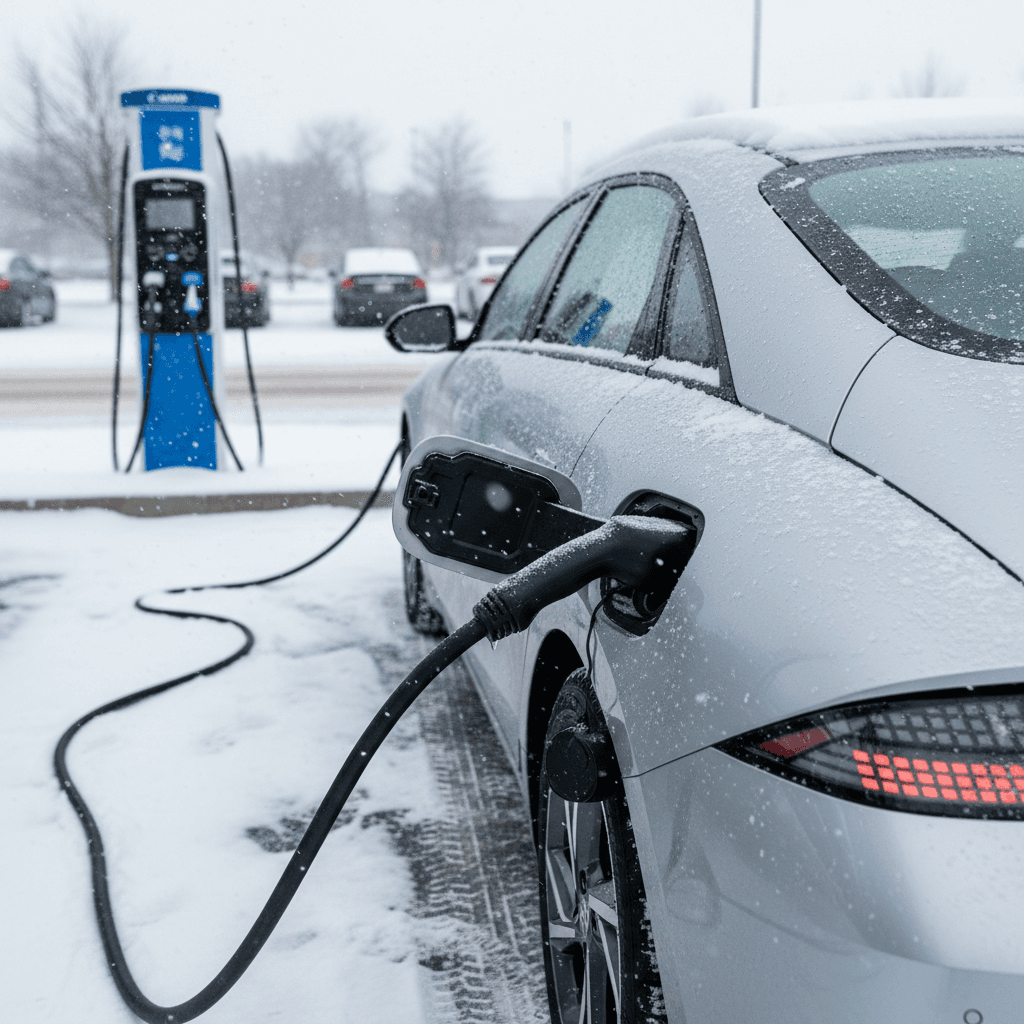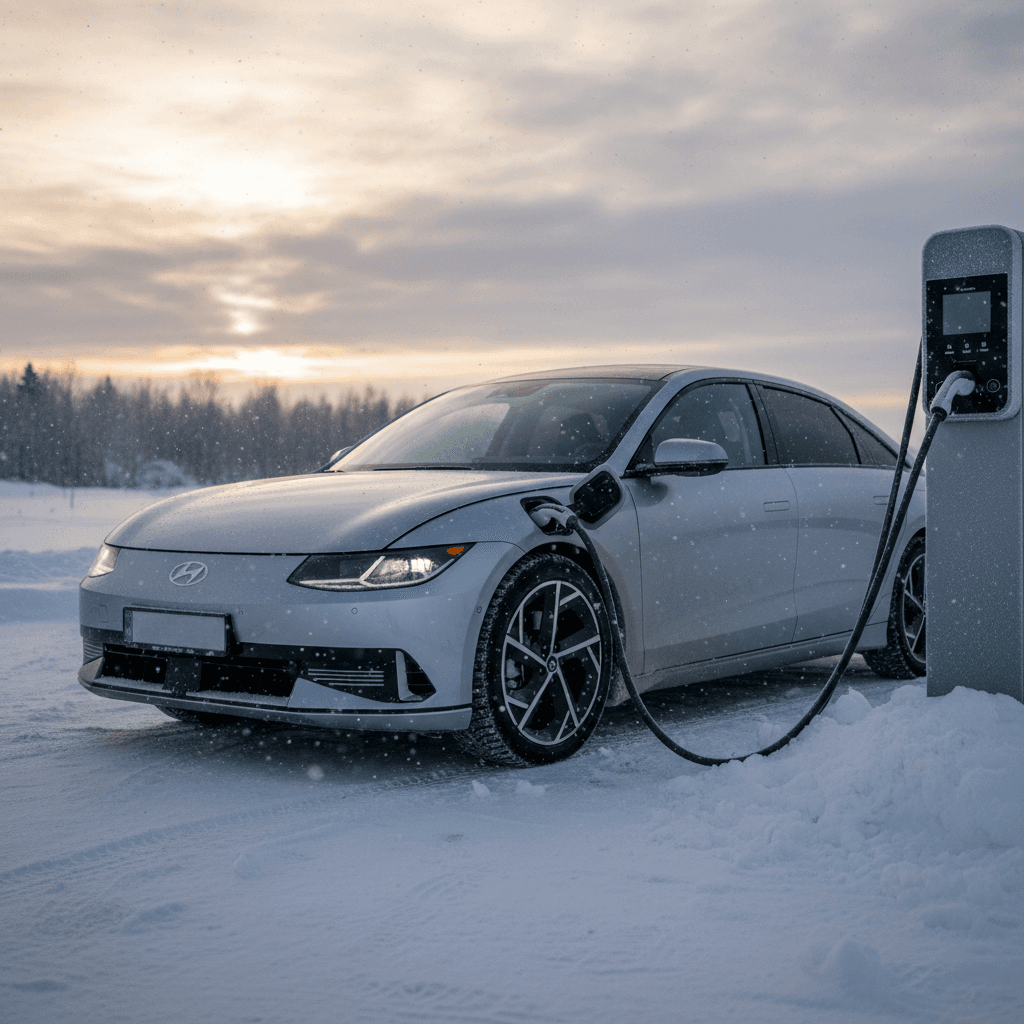
If you’re eyeing a Porsche Macan Electric, or already have one in the driveway, winter range loss is probably near the top of your worry list. The good news: the Porsche Macan Electric’s winter range loss is real but predictable, and Porsche’s thermal management does a lot of heavy lifting to keep it under control.
Key takeaway
Porsche Macan Electric winter range loss at a glance
Macan Electric range: paper vs. winter reality
Multiple independent tests and large‑fleet studies have converged on a similar story: modern EVs with heat pumps typically retain about 80–85% of their normal range in freezing conditions. The Macan Electric sits squarely in that camp thanks to its heat pump and sophisticated battery thermal management, so it’s reasonable to treat a 15–25% drop as your working assumption rather than the horror‑story numbers you sometimes see online.
First: know your Macan Electric’s official range
Before you calculate winter penalties, you need to know what you’re losing range *from*. For the U.S. market, the Porsche Macan Electric uses a roughly 95 kWh usable battery pack and has EPA‑style or manufacturer-estimated ranges in the low‑300‑mile band for the most efficient trims, and high‑200s for the performance versions.
2025+ Porsche Macan Electric range ratings (U.S.)
Approximate EPA combined range figures for Macan EV trims. Exact numbers may vary slightly by wheel/tire choice and option packages.
| Trim | Drive | Battery (usable) | EPA range (combined) | Typical highway range (70 mph, mild weather) |
|---|---|---|---|---|
| Macan Electric (base) | RWD | ≈95 kWh | ≈315 mi | ~300–340 mi reported in independent tests |
| Macan 4 Electric | AWD | ≈95 kWh | ≈308 mi | ~260–300 mi |
| Macan 4S Electric | AWD | ≈95 kWh | ≈288 mi | ~240–270 mi |
| Macan Turbo Electric | AWD | ≈95 kWh | ≈288 mi | ~230–260 mi |
Use these as your warm‑weather baseline before applying winter range adjustments.
Don’t forget wheel and tire choice
Independent highway tests have already shown the Macan Electric can match or slightly beat its EPA range in mild weather at real‑world highway speeds. That’s an important clue: if it’s efficient and well‑managed in good conditions, it usually holds up better once the mercury drops.
Why any EV, including the Macan, loses range in winter
Four main reasons EVs lose range in the cold
These physics apply to every EV, not just the Macan Electric.
1. Cabin heating load
2. Cold battery chemistry
3. Rolling & aerodynamic drag
4. Driving pattern changes
Large‑scale telemetry studies of tens of thousands of EVs in recent winters show that, on average, EVs keep about 80% of their rated range around freezing (32°F / 0°C). Models with well‑tuned heat pumps and battery warming systems consistently land at the better end of that spectrum, exactly the camp Porsche aims for with the Macan Electric.
How much winter range loss to expect in a Porsche Macan Electric
Porsche hasn’t published a single “winter range” number for the Macan EV, and you won’t find one on the Monroney sticker. Instead, you have to combine EPA baselines with what we know from independent testing and broad EV winter‑performance data. When you do, a clear pattern emerges.
Mild winter (25–40°F, -4–4°C)
- Expected loss: roughly 10–20% vs. EPA range, especially if you precondition while plugged in.
- Base Macan Electric (315 mi EPA) often behaves like a ~250–285 mile SUV in these conditions.
- A Macan 4 or 4S might feel more like a ~220–250 mile vehicle on mixed or highway driving.
Deep winter (0–20°F, -18–-6°C)
- Expected loss: 20–30% in steady highway use; short, stop‑and‑go trips can feel worse.
- The base Macan’s practical winter range may sit in the ~210–250 mile band.
- Turbo and 4S trims might act like ~190–230 mile vehicles if you’re driving fast with the heat cranked.
Short trips exaggerate winter loss
For many Macan EV owners, that 15–25% real‑world drop is the number to plan around. It means a 40‑mile winter commute round trip barely dents your usable capacity, but a 230‑mile Saturday ski run might require either a mid‑trip fast charge or starting closer to 90–100% instead of your usual 70–80% daily cap.
What helps the Macan EV in cold weather: heat pump and thermal management
The Macan Electric isn’t just a Taycan powertrain dropped into an SUV shell. Porsche reworked the battery, charging hardware, and thermal management for its first electric SUV, important details for winter performance.
Cold-weather tech baked into the Macan Electric
These systems all help reduce winter range loss compared to older EVs.
Integrated Power Box (IPB)
High‑voltage heater & heat pump
Battery preconditioning
Porsche vs. the EV pack in winter
All of this doesn’t magically erase Porsche Macan Electric winter range loss, but it does mean you’re fighting the cold with a more efficient toolkit than, say, a first‑generation leaf‑spring hatchback EV from a decade ago.
Real-world winter scenarios for Macan EV owners
- Daily commuting, 15–40 miles round trip: Even in freezing weather, your Macan Electric will likely finish the day with 60%+ state of charge if you start around 80–90%. Most owners simply plug in overnight and never notice the loss beyond a lower estimated range number on the dash.
- Weekend ski trip, 180–230 miles each way: In 20–30°F temps at 70–75 mph, plan on a 20–25% hit versus EPA. That probably means one fast‑charge stop each way to stay in a comfortable 10–80% band.
- City errands, 3–6 mile hops: Expect the harshest *apparent* loss. The car reheats the cabin and glass every trip, so your “miles per percent” will look ugly even if you’re only using a small slice of the total pack each day.
- Leaving the Macan parked in the cold: Modern EVs, including the Macan, can show a bit of “vampire drain” as they keep the pack within a safe temperature window. In very cold snaps, it’s wise to keep the car plugged in when possible.
Good news for commuters
10 ways to minimize winter range loss in your Macan Electric
Practical steps to protect your Macan EV’s winter range
1. Precondition while plugged in
Use the Porsche app or in‑car scheduling to warm the cabin and battery before you leave, while you’re still connected to the charger. That shifts the heaviest heating load off the battery and onto the grid.
2. Start trips with a warm pack
If you can, begin longer winter drives soon after charging finishes. A freshly charged battery is naturally warmer and will be more efficient for the first leg of your trip.
3. Use seat and wheel heaters first
Seat and steering‑wheel heaters use far less energy than blasting cabin air heat. You can often run the cabin a few degrees cooler while staying comfortable with localized heat.
4. Dial back highway speeds
Above about 65 mph, aerodynamic drag dominates. Dropping your cruising speed by 5–10 mph can claw back a noticeable chunk of winter range without adding a huge amount of time to your trip.
5. Choose winter tires wisely
Dedicated winter tires are a smart safety move, but some models are much more efficient than others. When you shop, look for low‑rolling‑resistance winter options and avoid unnecessarily wide sizes.
6. Keep SOC in the sweet spot
For daily use, aim for a 30–80% state of charge. Before longer winter trips, charging to 90–100% is fine, just avoid letting the pack sit at 100% for hours in very cold or very hot conditions.
7. Use Eco/Range driving modes
Let the Macan’s software help. Range‑oriented modes can soften throttle response, tweak climate settings, and optimize power delivery for efficiency, especially helpful when conditions are both cold and slippery.
8. Minimize “cold soaks” when possible
Parking in a garage, even if it’s unheated, keeps the car several degrees warmer than street parking. Over a long winter, that small difference pays off in range and comfort.
9. Plan fast‑charge stops smartly
On road trips, navigate to your DC fast‑charge stop from the built‑in navigation so the Macan can pre‑warm the battery. You’ll spend less time at the charger and recover winter‑lost range more quickly.
10. Track your own winter data
Instead of relying on generic horror stories, watch your Macan’s average consumption (kWh/100 mi or mi/kWh) over a few cold weeks. That will give you a personalized view of what winter loss really looks like for your routes.
Buying a used Porsche Macan Electric: winter range & battery health
If you’re considering a used Porsche Macan Electric, winter range becomes a two‑part question: seasonal loss plus long‑term battery health. A healthy Macan pack should still deliver the kind of 15–25% winter drop we’ve been talking about. A tired pack, or one that’s been repeatedly fast‑charged from very low to very high state of charge, may show exaggerated losses in the cold.
Questions to ask about a used Macan EV
- What’s the displayed maximum range at 100% on a mild day?
- How often was DC fast charging used vs. home Level 2?
- Has the vehicle lived in extreme climates (very hot or very cold)?
- Are there any warning lights or range‑related service records?
How Recharged helps here
Every EV sold through Recharged includes a Recharged Score Report with verified battery health and fair‑market pricing. That means you can see how a used Macan Electric’s pack has aged, before you worry about winter range loss, and talk through cold‑weather expectations with an EV specialist.
Don’t guess on battery health
Porsche Macan Electric winter range loss: FAQ
Frequently asked questions about Macan EV winter range
Bottom line: is winter range a deal-breaker for the Macan EV?
For most shoppers, Porsche Macan Electric winter range loss is something to understand, not something to fear. In typical U.S. winters, you’re looking at roughly a 15–25% hit compared with ideal conditions, which still leaves more than enough real‑world range for commuting, school runs, and well‑planned ski weekends.
The Macan EV’s large battery, fast 270 kW DC charging, and sophisticated thermal management put it on the right side of the winter performance curve. If you’re shopping used, pairing that hardware with a verified battery‑health report, like the Recharged Score, removes the last big unknown and lets you focus on choosing the right trim, options, and payment plan instead of worrying whether cold weather will strand you.
In other words: the Macan Electric is very much a year‑round EV. Go in with realistic expectations about winter range, use the tools Porsche gives you to manage the cold, and it can handle four seasons without drama.