If you’re eyeing a Porsche Macan Electric, you’re not just buying an EV, you’re buying a luxury performance badge with a long financial tail. The question isn’t just “Can I afford the payment?” It’s “What does long-term ownership cost when the honeymoon period is over and the warranty is half gone?” Let’s pull the numbers apart.
2025 Macan Electric in one sentence
Macan Electric at a glance: what kind of money pit is this?
Key Macan Electric ownership stats (U.S., 5‑year view)
Those numbers are averages, not destiny. They assume you buy new, finance conventionally, and drive a typical 12,000–15,000 miles per year. If you buy a used Macan Electric, live where power is cheap, or don’t rack up big miles, your long‑term ownership cost can look very different.
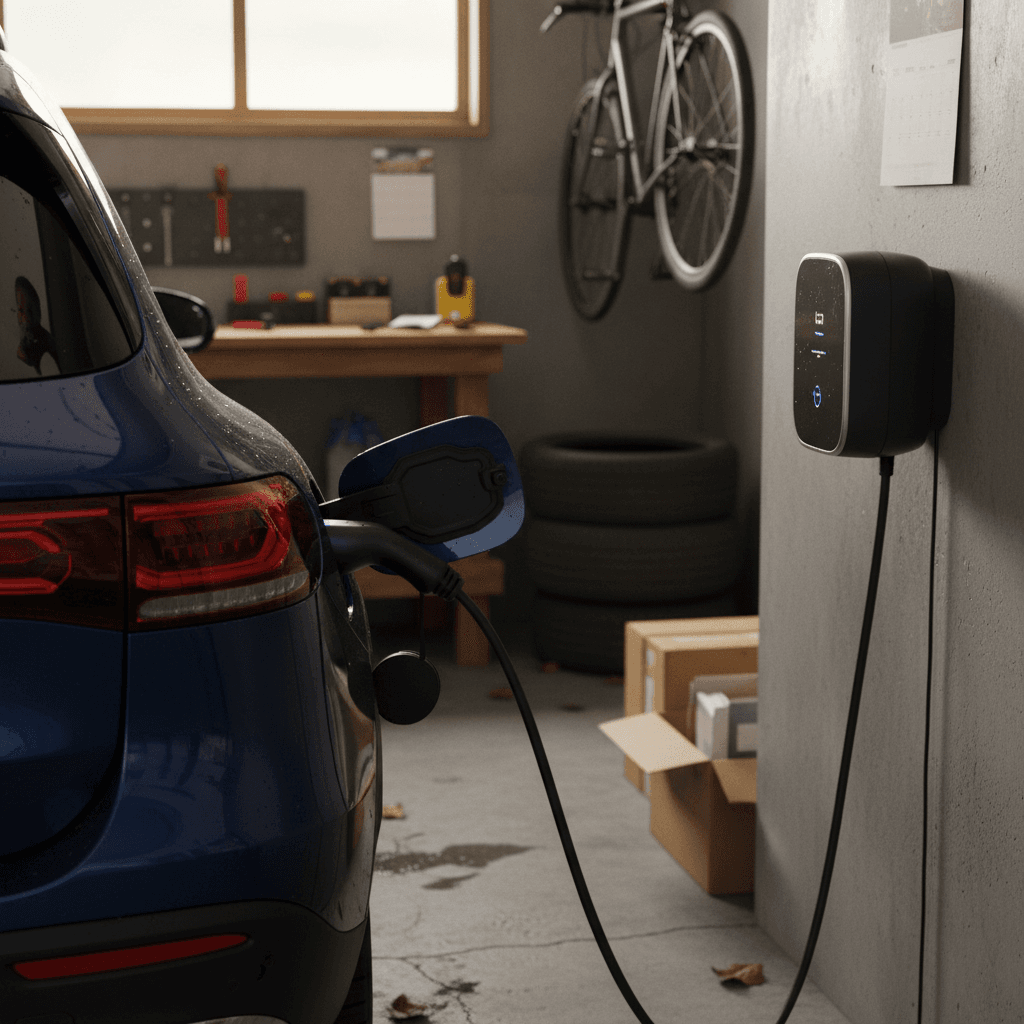
Sticker price vs. real-world long-term cost
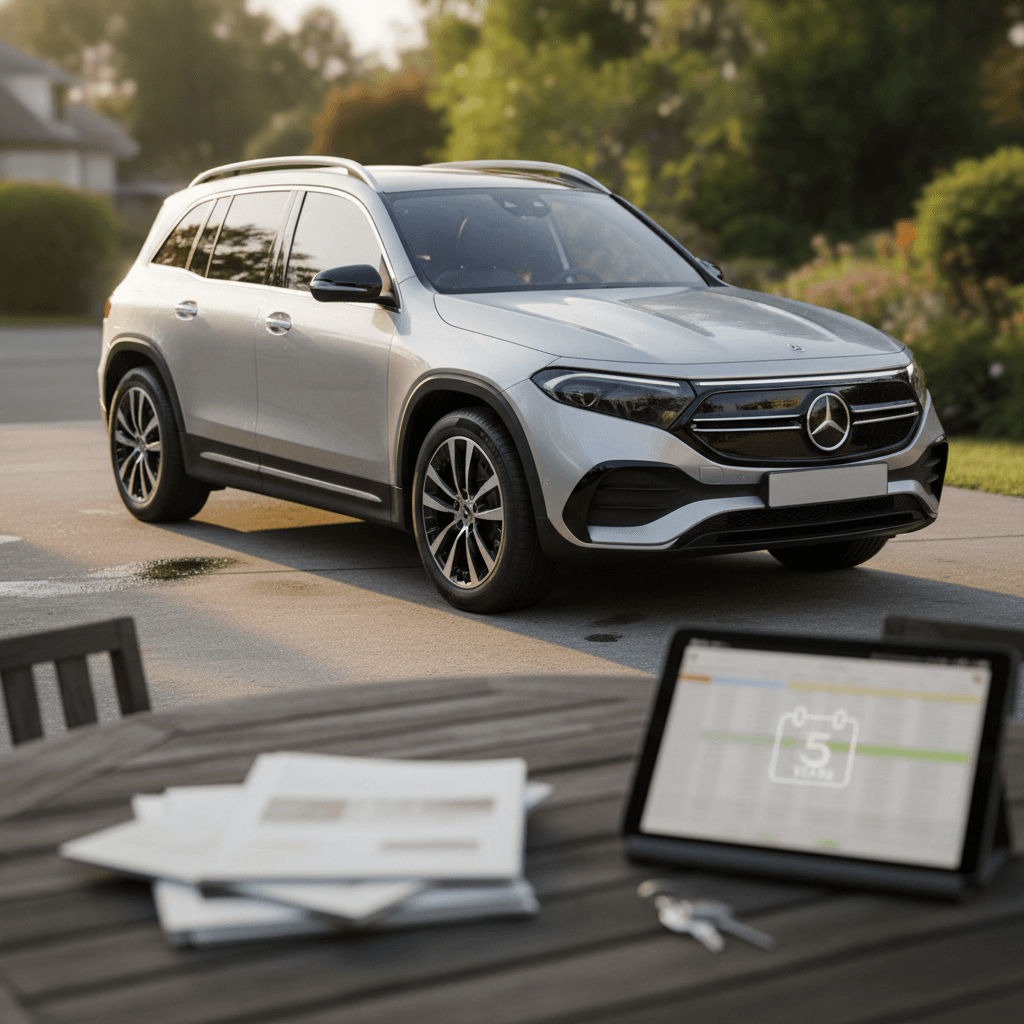
The Macan Electric line opens in the low‑$80,000s and climbs past $110,000 for high‑output trims before you touch the options list. That’s the price tag. The more useful number for your spreadsheet is total cost to own: purchase price, depreciation, financing, energy, maintenance, insurance, taxes and fees.
Illustrative 5‑year cost to own – new Porsche Macan Electric
Approximate five‑year cost profile for a new Macan Electric in the U.S., assuming ~12,000–15,000 miles per year and average electricity and insurance rates. These aren’t Porsche’s numbers; they’re a realistic ballpark for planning.
| Category | 5‑year estimate (new) | What drives it |
|---|---|---|
| Depreciation | $50,000–$55,000 | Luxury EV SUV pricing, rapid early‑years value drop, changing EV incentives. |
| Electricity (charging) | $2,500–$3,000 | Your kWh rate, mix of home vs. DC fast charging, annual mileage. |
| Maintenance | ≈$7,500 | Porsche service schedule, tires, brakes, alignment, wipers, cabin filters. |
| Repairs (out of warranty) | $1,500–$3,000 | Unexpected items once the 4‑year/50,000‑mile warranty ages out. |
| Insurance | ≈$24,000–$26,000 | High repair cost, performance SUV risk profile, your driving record and ZIP code. |
| Financing costs | ≈$10,000–$15,000 | Loan size, term and interest rate. |
| Taxes & fees | $3,000–$5,000+ | State sales tax, registration, luxury or EV fees where applicable. |
Depreciation and insurance dominate the Macan Electric’s long‑term costs; electricity is a relatively small slice of the pie.
Put simply, if you buy a Macan Electric new and keep it five years, you should expect total economic outlay north of $100,000 even before parking tickets and car washes enter the chat. The flip side: that also means there’s a large chunk of cost that the first owner absorbs, creating an opportunity if you’re the second owner shopping used.
Depreciation: the biggest line item, and your biggest opportunity
Depreciation is where the real money moves. For the gas Macan, five‑year depreciation typically lands in the $40,000–$50,000 range. Early data for the Macan Electric suggests a similar or slightly steeper curve in the first 3–5 years, thanks to the usual cocktail of EV fear, tech turnover and changing incentives.
EVs and early‑years value drop
How depreciation changes the Macan Electric math
Why a 3‑ to 5‑year‑old Macan Electric can be the sweet spot
New: steep first drop
Buy a Macan Electric new and you’re volunteering to absorb the steepest part of its curve. Expect tens of thousands in value loss in years 1–3.
3–5 years old: value sweet spot
At this age, much of the initial hit is already taken, but you can still find cars under factory battery warranty with moderate miles.
7–10 years: bargain territory, more risk
Older Macan Electrics can be relative bargains, but you’ll want excellent service history, proof of battery health, and a plan for out‑of‑warranty repairs.
If Porsche continues to tweak its EV lineup and pricing, you may see sharper swings in used values, both up and down, than you’d get with a Honda CR‑V or Toyota RAV4. That volatility is a risk for new buyers and an opportunity for value shoppers in the used market.
Charging costs: how efficient is the Macan Electric?
The Macan Electric is a heavy, high‑performance SUV with a big battery. It’s not trying to win a hyper‑miling contest. Expect real‑world consumption roughly in the 30–35 kWh/100 miles range depending on wheel size, driving style and climate.
Home charging, average U.S. rates
At a typical residential rate around $0.15 per kWh, 30–35 kWh/100 miles works out to roughly $0.045–$0.05 per mile.
- 12,000 miles/year ≈ $550–$600 in electricity
- 15,000 miles/year ≈ $700–$800
That’s still dramatically cheaper per mile than a comparable gas Macan, especially if your state piles on fuel taxes.
Heavy fast‑charging usage
Rely on DC fast charging at $0.40–$0.50 per kWh and energy cost can double or more.
- Now you’re closer to $0.12–$0.18 per mile
- That’s in the same ballpark as a thirsty gas SUV
Convenience is nice, but if you treat fast charging like a permanent gas station, your long‑term cost creeps up quickly.
Easy way to cut your fuel bill in half
Maintenance and repairs on an electric Porsche
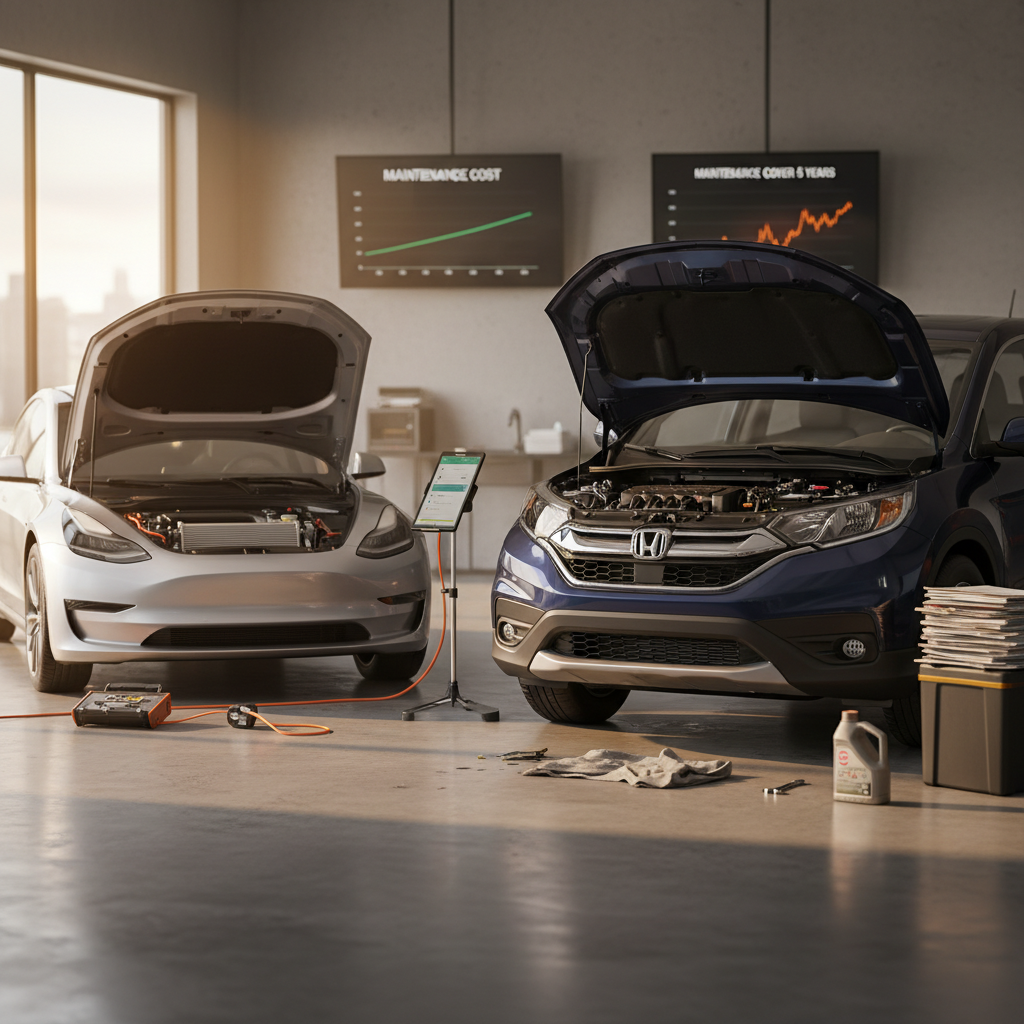
EVs generally have fewer moving parts than gas cars, no oil changes, spark plugs, timing chains or exhaust systems. That helps. However, this is still a Porsche SUV with complex air suspension, big brakes and an interior packed with electronics. The badge on the hood is a cost multiplier.
What you’re likely to pay for over 8–10 years
1. Scheduled services
Even without oil changes, you’ll have periodic inspections, brake fluid changes, filters and software updates. Budget <strong>$1,000–$1,500 per year</strong> on average at a Porsche dealer once the free maintenance window (if any) ends.
2. Tires and alignment
Macan Electric trims run wide, performance‑oriented tires. Heavy curb weight and torque can chew through them. A full set of quality tires with alignment can easily crest <strong>$1,500–$2,000</strong> every 25,000–30,000 miles.
3. Brakes
Regenerative braking helps pads and rotors last longer, but they still age. Porsche brake jobs are priced like Porsche brake jobs, plan on a four‑figure bill when the time comes.
4. Suspension and steering
Air suspension, adaptive dampers and rear‑axle steering make the Macan Electric magical to drive and expensive to fix. Not every owner will see issues in 10 years, but you want some financial headroom just in case.
5. Out‑of‑warranty electronics
Screens, sensors, cameras and modules are where modern luxury cars can sting. Extended coverage or an EV‑specific protection plan may be worth considering if you’re risk‑averse.
Factory coverage cheat sheet
Insurance, taxes and fees: the luxury SUV penalty
Insurance on a Macan Electric is where a lot of shoppers underestimate their budget. Luxury compact SUVs already carry high premiums, and electric drivetrains add expensive battery packs, specialized bodywork and higher repair bills.
Insurance realities
- Think in the ballpark of $4,000–$5,000 per year for many U.S. drivers, more in dense urban areas or with tickets on your record.
- High parts prices, aluminum and composite panels, and ADAS sensors drive up collision and comprehensive premiums.
- Some insurers now offer specific EV or telematics‑based discounts, worth shopping around for.
Taxes and "EV fees"
- Sales tax alone on an $80,000–$100,000 SUV can run $5,000–$8,000+ depending on your state.
- Registration often scales with vehicle value, and several states now charge additional annual EV fees to replace lost gas tax revenue.
- On a used Macan Electric, those numbers shrink along with the transaction price.
Don’t ignore insurance in your affordability math
Battery warranty, degradation and long‑term range
The long‑term horror story in every EV shopper’s mind is the five‑figure battery replacement. The reality for modern packs, especially those backed by large OEMs, is less cinematic but still worth understanding.
- The Macan Electric’s high‑voltage battery is covered for roughly 8 years or 100,000 miles for defects and excessive capacity loss (Porsche’s exact terms define the threshold).
- Most owners can expect some natural degradation, think on the order of 10–20% capacity loss over a decade under typical use, faster if the car lives on fast chargers or in extreme heat.
- A modest range loss isn’t catastrophic on day‑to‑day cost, but it does chip away at resale value if buyers perceive the battery as “tired.”
- Keeping the car plugged in at home, avoiding frequent 100% DC fast charges, and parking out of scorching sun when possible will help preserve the pack.
Why battery health proof matters on a used Macan Electric
New vs. used Macan Electric: where the value really is
Buying a Macan Electric new is an emotional decision as much as a financial one: you’re commissioning exactly the car you want, in the color nobody stocks, with the options nobody orders. Financially, though, the most rational place to be is usually in a 3‑ to 6‑year‑old Macan Electric with solid history and plenty of battery warranty left.
New vs. used Macan Electric: ownership cost comparison
How the same SUV looks as a financial instrument
Buying new
- Highest depreciation hit, especially in first 3 years.
- Full warranty and latest tech/features.
- Easier to spec exactly how you want, but options inflate the resale gap versus lightly‑specced used cars.
- Best suited if you keep cars 8–10+ years and can stomach early‑years value loss.
Buying used
- Let someone else absorb $30,000–$50,000 of depreciation.
- Still under battery warranty if you buy carefully.
- Slightly higher maintenance/repair risk, but a good inspection and battery health report mitigate most surprises.
- Ideal for 3–7‑year ownership horizons where you want Porsche feel with less Porsche burn rate.
This is precisely where a platform like Recharged is designed to help: used electric vehicles are the sweet spot where battery health, residual value and running costs intersect. Every Macan Electric we’d list comes with a Recharged Score Report, transparent pricing, and EV‑savvy specialists to help you understand the total cost of ownership before you click “buy.”
Seven ways to lower your Macan Electric ownership costs
Practical ways to tame Macan Electric long‑term costs
1. Buy the car used, the battery young
Target a Macan Electric that’s 3–5 years old with under 60,000 miles and several years of battery warranty remaining. That’s where depreciation and risk are best balanced.
2. Prioritize battery health documentation
Whether you’re buying from a private seller, dealer, or marketplace like Recharged, insist on recent battery diagnostics. It’s the difference between a value play and a future science project.
3. Charge mostly at home
Install or use an existing Level 2 charger and program off‑peak charging. Treat DC fast charging as a road‑trip tool. You’ll cut fuel cost and protect the battery.
4. Right‑size wheels and options
Those 22‑inch wheels look spectacular and cost more in tires, energy and comfort. Consider a more modest wheel/tire package and keep your option list focused on things that help resale.
5. Shop insurance before you sign
Get concrete quotes on a specific VIN before you take delivery. Small differences between insurers can add up to thousands of dollars across a 5‑ to 10‑year ownership window.
6. Consider extended EV coverage selectively
If you plan to keep the Macan Electric well past the factory warranty, price out a reputable EV‑specific service contract and compare the premium against likely repair exposure for your mileage and use case.
7. Use a realistic holding period
Flipping out of a Macan Electric in 12–24 months is how you turn a luxury EV into a financial stunt. Plan to hold for at least 4–6 years if you’re buying new, 3–5 if you’re buying used.
FAQ: Porsche Macan Electric long-term ownership costs
Frequently asked questions about Macan Electric ownership costs
Bottom line: is the Macan Electric worth it long term?
The Porsche Macan Electric is not the rational way to move a family of four across town. It’s the emotionally rational way, if that phrase can exist, to get Porsche dynamics, design and tech in an electric SUV wrapper. Long‑term ownership cost is undeniably high when you buy new and surf the bleeding edge. It becomes much more defensible when you let someone else take the opening depreciation hit and you manage charging, insurance and maintenance with intent.
If you’re already cross‑shopping Macan Electric money, the right question isn’t “Can I make the payment?” It’s “How do I structure this so I’m not lighting dollars on fire?” Buying used through a transparent EV‑focused marketplace like Recharged, insisting on verified battery health, and planning a sane holding period turns the Macan Electric from a financial stunt into a very fast, very entertaining, and relatively predictable long‑term companion.