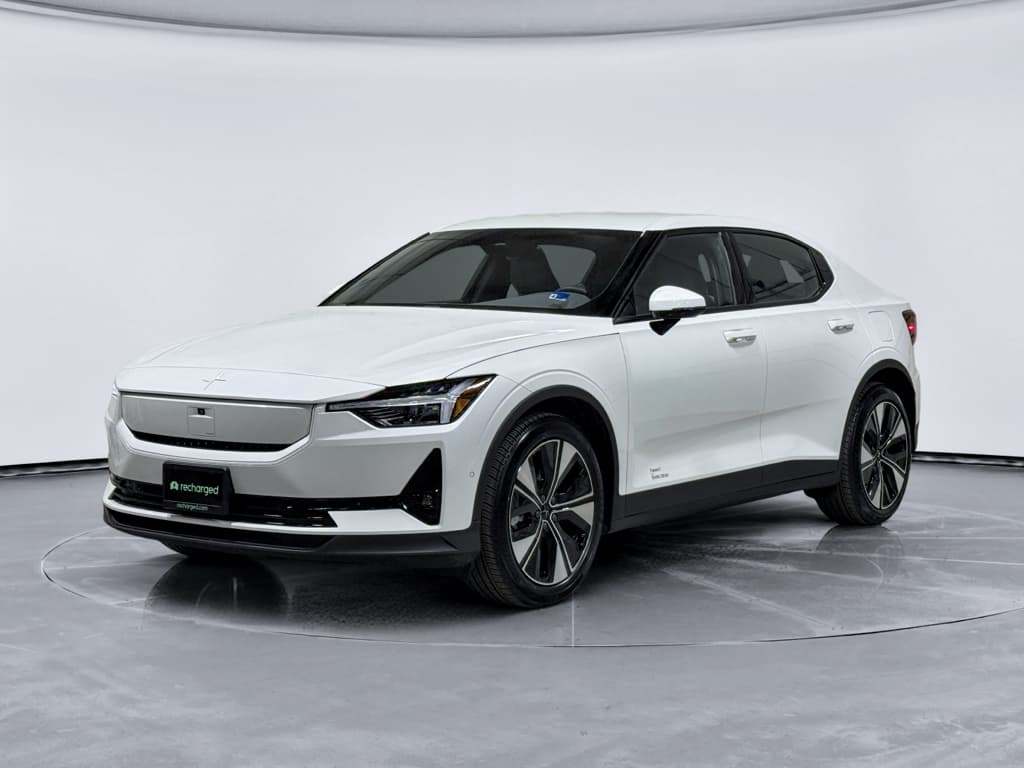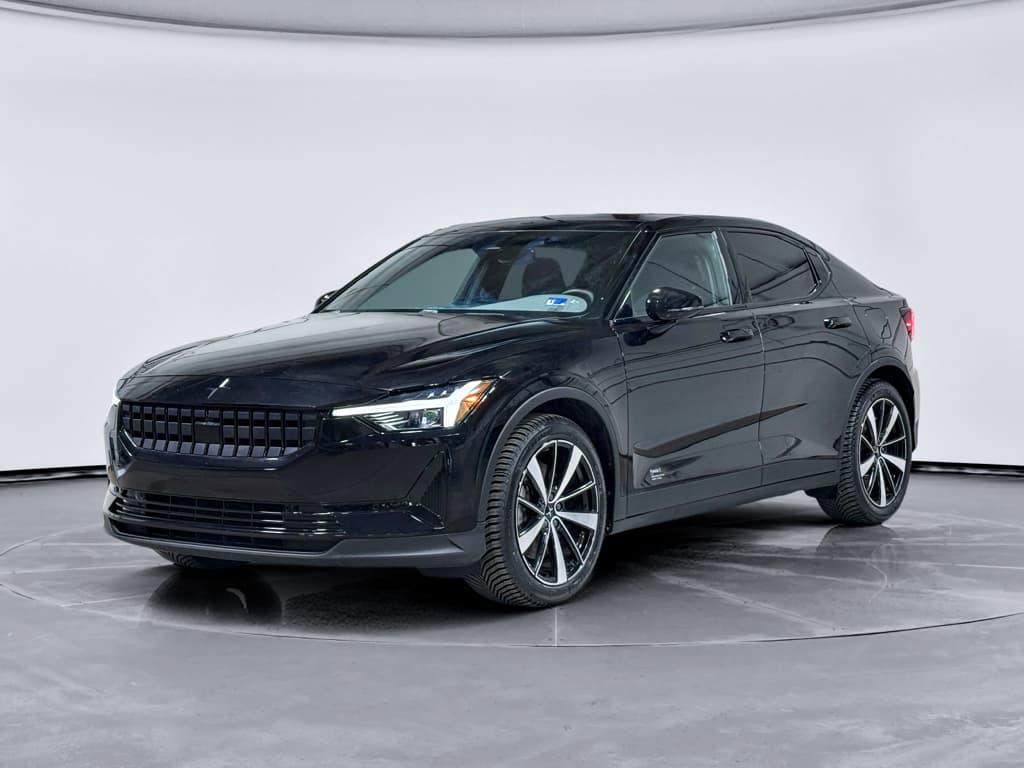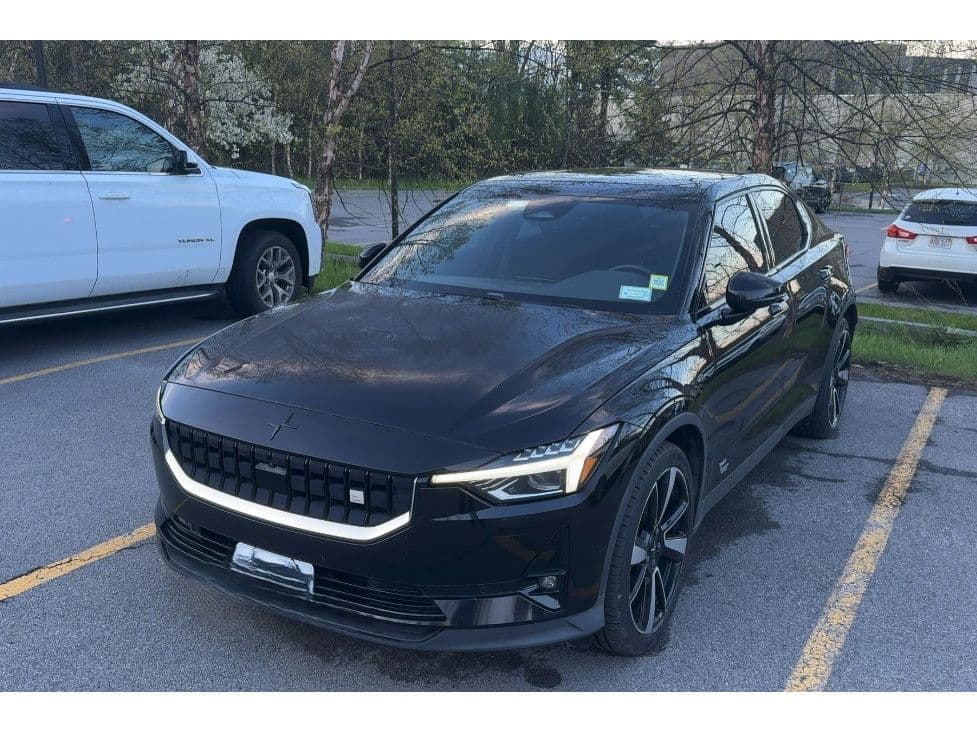
If you’ve been eyeing sleek Scandinavian EVs, you’ve probably bumped into the growing lineup of Polestar models. The brand started with a single electric fastback and has quickly expanded into purpose-built SUVs and future flagship GTs. The challenge now isn’t finding a Polestar, it’s figuring out which one actually fits your life and budget.
Quick snapshot
Polestar brand overview
Polestar is a standalone EV brand with deep roots in Volvo performance. Think of it as Scandinavian design meets clean-sheet electric engineering. You get minimalist interiors, a strong focus on safety, and Google’s Android Automotive infotainment baked right in, no phone mirroring required to get proper navigation or voice control.
Where Polestar fits
- Premium, not ultra-luxury: Rivals include Tesla, BMW i, Mercedes EQ, and Audi e-tron.
- Simplified lineups: Fewer trims and option packs than traditional brands.
- Design-forward: Clean lines, big wheels, and distinctive lighting.
What stays "Volvo" about it
- Safety tech first: Advanced driver assistance and collision-avoidance features.
- Comfortable, supportive seats: Great for long highway stints.
- Sustainability focus: Recycled materials, low‑impact interiors.
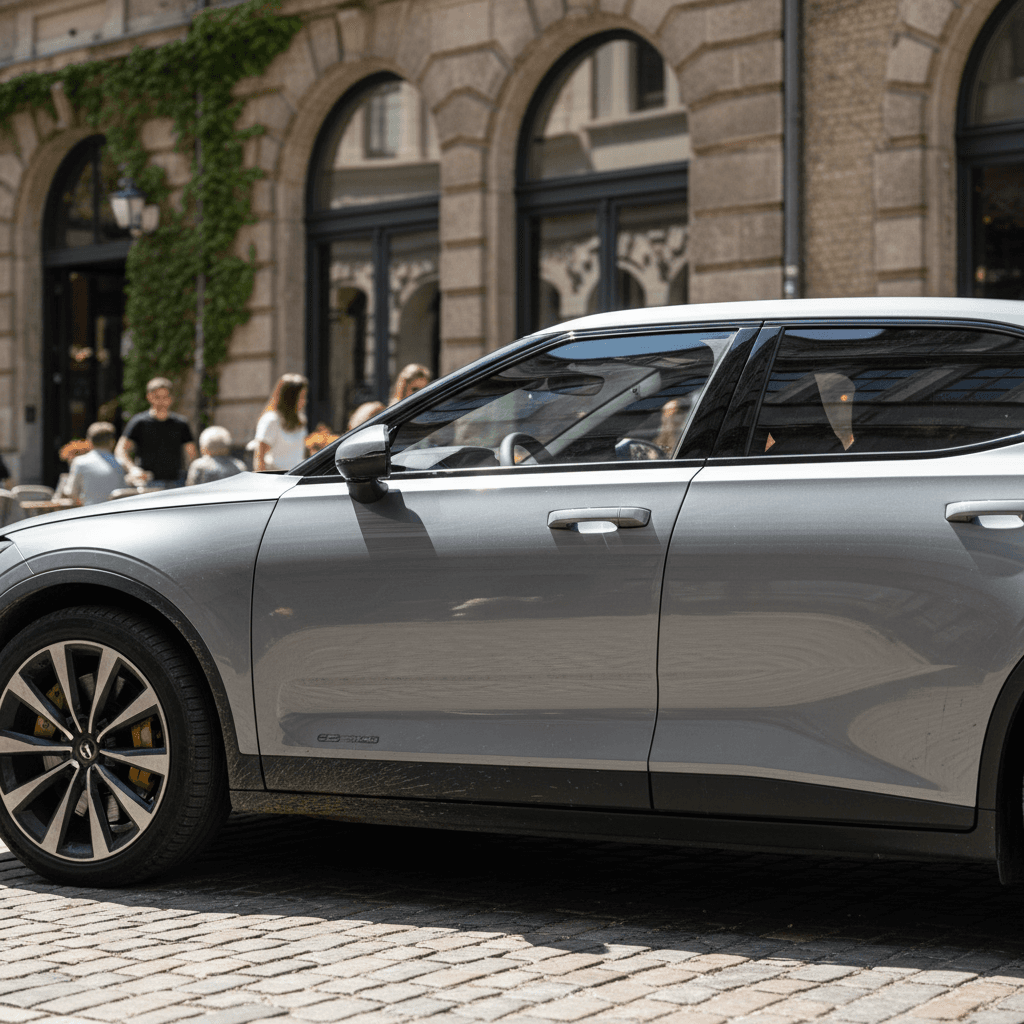
Polestar at a glance
Current Polestar models in 2025
Polestar’s lineup has been in motion, especially in the U.S., where the brand is refining which vehicles it offers and how they’re sourced. Here’s how the core Polestar models break down today:
- Polestar 2 – Compact electric fastback (hatchback-sedan mix), originally the brand’s volume model.
- Polestar 3 – Midsize luxury electric SUV with dual‑motor performance and long‑distance comfort.
- Polestar 4 – Coupe-style SUV that sits between 2 and 3 in size, with a dramatic roofline and no traditional rear window.
Availability note
Polestar 2: Electric fastback for daily drivers
The Polestar 2 is the car that put the brand on the EV map: a compact fastback with a practical hatch, available with single‑ or dual‑motor setups in previous model years. By 2025, the U.S. configuration has been streamlined, emphasizing better range, standard equipment, and all‑wheel‑drive performance.
Polestar 2 key specs (recent U.S. configuration)
Exact specs vary by year and trim, especially on the used market. Here’s a representative snapshot of a well‑equipped dual‑motor model.
| Spec | Typical Value | What it means |
|---|---|---|
| Battery capacity | ~82 kWh | Usable capacity varies slightly by year and software updates. |
| Drivetrain | Dual-motor AWD | Confident traction in all weather, strong acceleration. |
| EPA range | Mid- to high-200s mi | Good fit for commuters and weekend trips with DC fast charging. |
| 0–60 mph | Around 4.5 sec | Sport-sedan levels of acceleration. |
| Body style | 5-door fastback | Large hatch, split-fold rear seats for cargo flexibility. |
Always verify details for the specific Polestar 2 you’re considering, especially battery size and drive configuration.
Polestar 2: Strengths and trade-offs
Is this the right starting point in the Polestar family for you?
Where the Polestar 2 shines
- Compact footprint: Easy to park and thread through city streets.
- Hatchback practicality: More cargo flexibility than a typical sedan.
- Strong performance: Dual‑motor models feel genuinely quick.
- Google built-in: Native Google Maps and voice assistant work brilliantly on road trips.
Where to think twice
- Rear-seat space: Adults fit, but tall passengers may feel tight on leg and head room.
- Range vs. newer rivals: Solid, but some newer EVs go noticeably farther per charge.
- Ride firmness: Sporty tuning and big wheels mean you feel rough pavement more.
Used Polestar 2 shopping tip
Polestar 3: Luxury electric SUV
The Polestar 3 is the brand’s first dedicated SUV, aimed squarely at drivers who want high seating, real cargo space, and long‑distance comfort. It rides on a newer platform than the 2 and leans heavily into luxury and technology.
Polestar 3 specs snapshot (2025 U.S. models)
Key numbers for popular Polestar 3 configurations as of the 2025 model year.
| Item | Base Dual-Motor | Performance Dual-Motor |
|---|---|---|
| Estimated starting MSRP | High $60Ks–low $70Ks | Upper $70Ks–low $80Ks |
| Horsepower | ~489 hp | ~517 hp |
| 0–60 mph | Mid 4s | Low 4s |
| EPA range | Up to ~315 mi | High 200s to low 300s |
| Drive type | AWD | AWD |
| Seating | 5 passengers | 5 passengers |
Exact pricing and equipment vary with trim and options, but this gives you a realistic ballpark.
Why Polestar 3 makes sense
- Real family space: Roomy second row and useful cargo area for strollers, luggage, or gear.
- Highway comfort: Quiet cabin, supportive seats, and advanced driver assists.
- Fast charging: Up to about 250 kW DC fast charging means meaningful range in a short stop.
When it might not
- Price point: You’re playing in luxury-EV territory; a used example can make more financial sense.
- Size: In tight cities or older garages, the footprint can feel large.
- Efficiency vs. shape: Boxier SUVs typically use more energy than sleek sedans at highway speeds.
Production and sourcing
Polestar 4: Coupe-style electric SUV
If the Polestar 3 is the family SUV, the Polestar 4 is the design statement. It blends SUV ride height with a low, fast roofline and, controversially, no traditional rear window. Instead, a high‑definition camera feeds a digital rearview mirror. It’s meant to be the most tech‑forward, sporty-feeling member of the SUV family.
- Positioning: Sits between Polestar 2 and 3 in size, but feels more like a tall sporty hatchback than a boxy SUV.
- Powertrains: Single‑motor rear‑wheel drive for range and value; dual‑motor all‑wheel drive for performance.
- Battery & range: Large battery (around 100+ kWh gross) with EPA range north of 300 miles in select single‑motor configurations.
- Performance: Dual‑motor versions can sprint to 60 mph in the mid‑3‑second range, squarely in performance-EV territory.
About that missing rear window
Polestar 4 vs. Polestar 3: How they differ
Same family, very different personalities.
Size & space
- Polestar 3: Taller roof, more traditional SUV space.
- Polestar 4: Lower roofline, more coupe-like; rear headroom and visibility trade-offs.
Performance feel
- Polestar 3: Tuned for comfort with strong straight-line pace.
- Polestar 4: Sharper, sportier character, especially in dual-motor form.
Tech & vibe
- Both offer advanced driver aids and big central screens.
- Polestar 4 leans hardest into future-forward design decisions, like the camera mirror.
Future Polestar models: 5 and 6
Beyond the mainstream models, Polestar has two halo projects that have captured enthusiasts’ attention: Polestar 5, a sleek electric grand tourer inspired by the Precept concept, and Polestar 6, a low‑slung electric roadster previewed by the O₂ concept. These cars are aimed less at family duty and more at showcasing design and performance at the top of the brand.
Why future models matter for used buyers
Which Polestar model fits your life?
Start with how you actually drive
1. Daily commute & parking reality
If you mostly drive solo or with one passenger and park in tight urban spaces, the Polestar 2’s compact size is a big advantage. Larger SUVs like the 3 and 4 shine if you routinely carry family, pets, or bulky cargo.
2. Passenger and cargo needs
Families who regularly use child seats or need room for sports gear will appreciate the Polestar 3’s boxier cargo area. The Polestar 4 trades some practicality for style, while the 2 is ideal for couples or small households.
3. Range comfort zone
All current Polestar models offer usable real‑world range, but if you frequently do 200+ mile trips and don’t want to stop often, focus on the higher‑range single‑motor versions of the 3 or 4, especially if DC fast charging is not readily available where you travel.
4. Budget and value
A new, well‑optioned Polestar 3 or 4 can land deep into luxury-EV pricing. A new or used Polestar 2, or a used 3 or 4, often delivers most of the experience for much less money up front.
5. Tech tolerance
If you love bold design experiments, you may gravitate toward the Polestar 4. If you prefer a more traditional cockpit and sightlines, the 2 and 3 will feel more familiar on day one.
6. Long-term plans
If you expect to keep the car for many years, prioritize a configuration with the range, charging speed, and space you’ll still want later. Resale-conscious shoppers should also look at battery health and warranty coverage, especially on used models.
Example Polestar matches for different drivers
Urban commuter / downsizing from a sedan
Polestar 2 single- or dual-motor depending on weather and performance needs.
Prioritize comfort options and driver-assistance packages over max power.
Look for home or workplace Level 2 charging to make daily life seamless.
Growing family, one-car household
Polestar 3 as primary family hauler with room for kids and cargo.
Consider dual-motor for confident merging and passing on highways.
Cross-shop used inventory to balance budget and features.
Design-forward early adopter
Polestar 4 for coupe-like style and bleeding-edge tech.
Test the digital rearview mirror in various conditions to ensure it works for you.
Option driver-assistance and audio upgrades if budget allows.
Budget-conscious EV upgrader
Used Polestar 2 or early Polestar 3/4 once they filter into the pre-owned market.
Focus on battery-health reports and warranty status, not just mileage.
Use a platform like Recharged to compare vehicles with transparent battery data.
Charging, range, and real-world ownership
On paper, the differences among Polestar models, battery sizes, EPA range, DC fast‑charge rates, can blur together. What matters day to day is how they charge where you actually live and drive.
Charging basics across Polestar models
The fundamentals are similar, even as details vary by year and trim.
Home charging
- All current Polestar models use AC Level 2 charging at home.
- A typical 11 kW onboard charger adds roughly 25–35 miles of range per hour, depending on model and conditions.
- For most owners, overnight charging easily refills a normal day’s driving.
Public fast charging
- Newer Polestars can accept DC fast charging up to ~250 kW.
- A 10–80% charge can take roughly 30 minutes on a strong fast charger.
- Real-world times depend on charger quality, temperature, and state of charge.
Plan around your longest day, not your best day
Buying a used Polestar: What to know
Because Polestar is a newer brand, used Polestar models are just starting to appear in meaningful numbers, especially the Polestar 2. That’s good news if you want Scandinavian design and EV refinement without paying new-car money.
- Battery health matters more than mileage: A low-mile car that’s been fast‑charged constantly and stored in extreme heat can sometimes age faster than a higher‑mile car with gentle use.
- Check software and service history: Over‑the‑air updates can significantly change range, performance, and features. You’ll want a car that’s been kept current.
- Look closely at wheels and tires: Many Polestars wear large, low‑profile tires that are great for handling but more prone to curb rash and can be expensive to replace.
- Confirm included charging equipment: Make sure the mobile charge cable, adapters, and any locking wheel bolts are present if they matter to you.
How Recharged can help
Ready to find your next EV?
Browse VehiclesPolestar models FAQ
Frequently asked questions about Polestar models
Polestar’s lineup has grown from a single fastback into a small but well‑defined family: the versatile Polestar 2, the comfortable and capable Polestar 3 SUV, and the bold, coupe‑inspired Polestar 4. The right choice comes down to how you use your car day to day, how many people you carry, how often you road‑trip, and how much you value design experimentation over pure practicality. If you’re exploring a used Polestar, pairing that self‑assessment with clear battery‑health data and expert EV guidance, like you’ll find at Recharged, can turn a stylish Scandinavian EV from a daydream into your next daily driver.