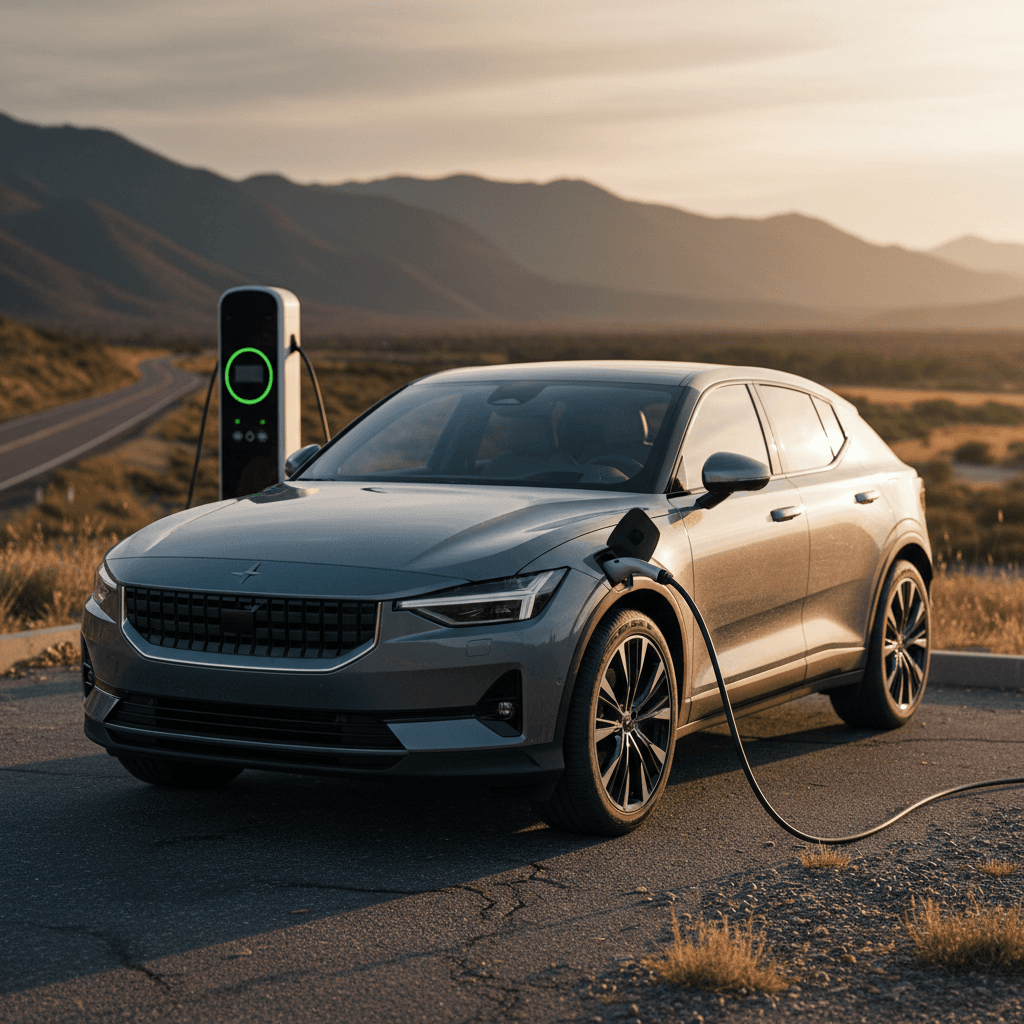
If you’re eyeing a Polestar 3 and wondering whether it’s truly road-trip ready, you’re not alone. On paper, this Swedish-built luxury EV SUV combines big-battery range, high-speed DC fast charging and a serene Scandinavian cabin. In this Polestar 3 road trip review, we’ll break down how it really performs when you leave the city, covering range, charging, comfort, tech, and what to know if you’re considering a used example.
Quick Polestar 3 road trip snapshot
Who this Polestar 3 road trip review is for
- Drivers comparing the Polestar 3 against Tesla Model Y/Model X, BMW iX, Mercedes EQE SUV or Audi Q8 e-tron for long trips.
- New EV owners trying to understand how highway range and charging speeds translate into real-world stops.
- Shoppers considering a used Polestar 3 and wondering how the big 111 kWh pack and software will age.
- Road-trippers who care as much about comfort and cabin tech as raw charging numbers.
We’ll focus mainly on current U.S.-market specs: a 111 kWh (about 107 kWh usable) battery, with EPA estimates of up to 350 miles for rear-wheel-drive versions and 279–315 miles for dual-motor trims, depending on configuration. We’ll also flag the coming 800‑volt update Polestar has announced for future model years, which will further improve fast charging, and what that means if you’re buying used.
Polestar 3 range and efficiency on the highway
Polestar 3 official range and energy numbers
On the highway, the Polestar 3’s real-world range depends heavily on wheels, weather, and your right foot. In independent long-drive testing, a dual-motor Polestar 3 rated at 350 miles EPA struggled to match that number over mixed driving, landing closer to the high‑200s in real miles between charges. That’s still solid for a large, powerful SUV, but you should think of the stated range as best-case, not guaranteed.
Expect 10–20% below EPA on real trips
What helps Polestar 3 road-trip range
- Rear-wheel-drive Long Range Single Motor with smaller wheels is the efficiency champ.
- Using cruise control or Pilot Assist at moderate speeds (65–70 mph).
- Mild temperatures (50–75°F) so climate control isn’t working overtime.
- Preconditioning the cabin while plugged in before departure.
What hurts range quickly
- Big 21–22" wheels and sticky tires that increase rolling resistance.
- Sustained high speeds (75–80+ mph) on empty interstates.
- Roof boxes, bike racks, or heavy cargo that add drag and weight.
- Extreme heat or cold, which pushes HVAC and battery conditioning harder.
Road-trip range rule of thumb
Charging on the road: DC fast charging and networks
The Polestar 3’s charging hardware is one of its strongest road-trip assets. Current 400‑volt models support up to 250 kW DC fast charging, with a typical 10–80% session taking about 30 minutes when conditions are ideal. Future 800‑volt updates Polestar has previewed are expected to bump max charge power to around 350 kW and drop that 10–80% window to roughly 22 minutes, but that’s for later model years, not today’s used inventory.
Typical Polestar 3 DC and AC charging times
Approximate real-world charging times for current 400 V Polestar 3 models.
| Charging type | Power | Time | When to use it |
|---|---|---|---|
| DC fast charge | Up to ~250 kW | ~30 min (10–80%) | Highway stops on CCS or compatible Tesla Superchargers |
| DC fast charge | 50–150 kW | 35–60+ min (10–80%) | Older or shared highway stations |
| Level 2 (AC) | 11 kW | ~11 hours (0–100%) | Overnight at home or hotel |
| Level 1 (AC) | 120 V wall | 30–40+ hours | Emergency backup only |
Actual charge times vary with temperature, state of charge, station quality and whether the car has preconditioned the battery.
CCS, Tesla Superchargers, and adapters
Owner reports show peak charging speeds between roughly 180–220 kW on high-power DC chargers when the battery is warm and state of charge is low. Without preconditioning, or in very hot weather, peak rates can drop closer to 120–150 kW, which stretches those highway stops.
Heat can slow you down
Best ways to charge a Polestar 3 on a road trip
Mixing tools and networks gives you the least stress and best prices.
In-car Google Maps
Polestar 3 runs Android Automotive with native Google Maps. Set a DC fast charger as your destination and the car can precondition the battery en route for better charging speeds.
Third-party apps
Apps like A Better Routeplanner (ABRP), Electrify America, EVgo and others help you compare prices, see live station status, and avoid broken chargers.
Tesla Supercharger access
With the right adapter and compatible sites, you can tap into the Tesla network for better coverage in some regions. Always confirm compatibility and pricing before you roll in.
Comfort, noise, and cabin experience over long miles
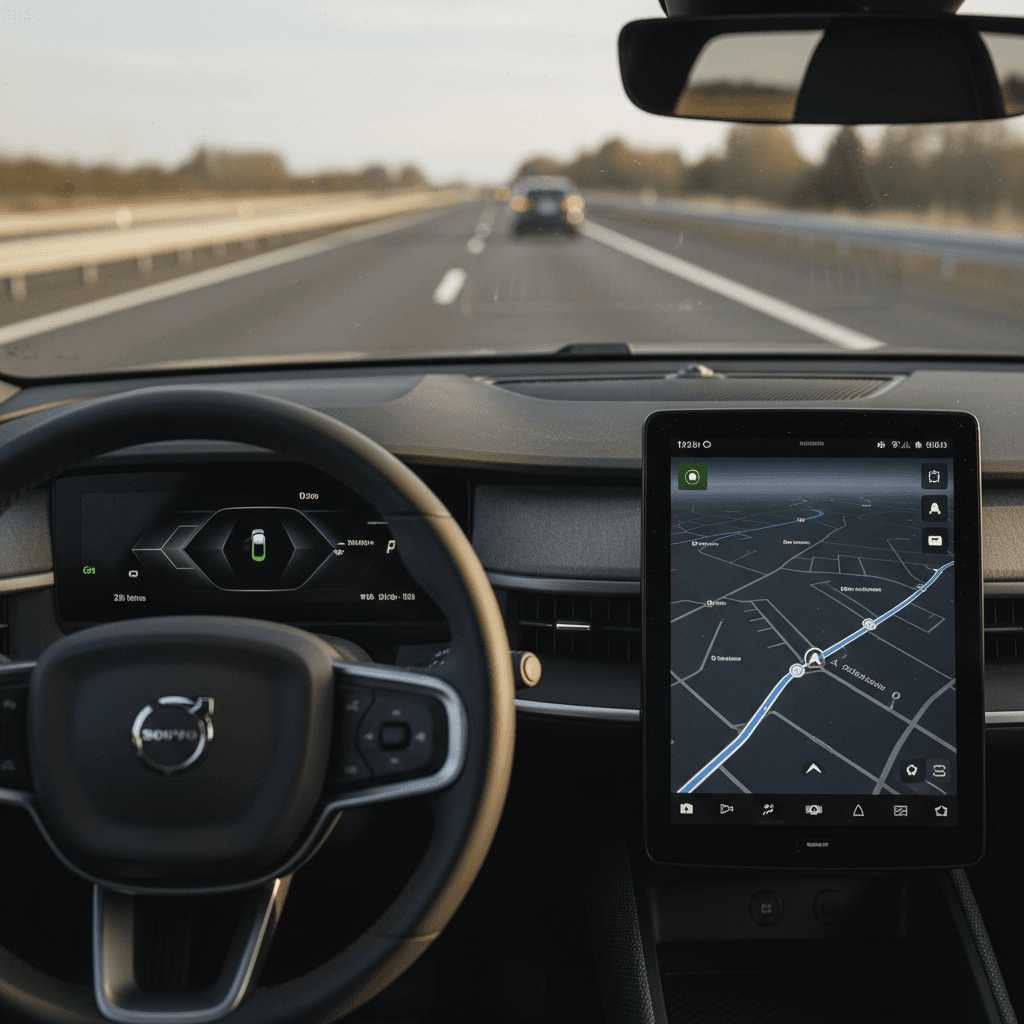
If you’re spending 5–10 hours a day in the car, ride and noise matter more than 0–60 times. Here, the Polestar 3 generally feels every bit the premium SUV it’s priced as. Dual‑motor trims with air suspension soak up expansion joints and rough pavement well, while the cabin design is clean, airy and upscale, with quality materials and minimal clutter.
- Seats: Supportive, with a firm-but-comfortable feel that works well on multi-hour stints. Taller drivers should have no trouble finding a good position.
- Noise: Wind and road noise are impressively controlled for a big boxy SUV, though large performance tires can add a low-frequency hum on coarse pavement.
- Climate: The standard heat pump helps efficiency and keeps the cabin stable, but note that there’s no traditional sunroof shade, the panoramic glass is tinted, yet some drivers still wish for a physical cover in bright sun.
- Storage: 5-passenger layout with a usable rear cargo area and a small frunk. For a family road trip, you’ll likely be fine without a roof box unless you pack heavy.
A strong grand-touring personality
Tech and driver assistance on road trips
On long drives, you’re really living with the software. The Polestar 3 runs Android Automotive OS with built-in Google services, a 14.5-inch central touchscreen, and a 9-inch driver display. Overall, it’s one of the more intuitive luxury EV interfaces, especially if you already live in Google’s ecosystem.
Polestar 3 tech features that matter on road trips
The good, the great, and the quirks.
Integrated route planning
Native Google Maps routing recognizes many DC fast chargers and can plan stops along your route. When it works properly, it’s seamless, set the destination, drive, charge, repeat.
Pilot Assist & ACC
Adaptive cruise and lane-centering reduce fatigue. Some testers wish for finer distance control, but for most drivers it’s a pleasant, confidence-building co-pilot.
Navigation quirks
Owners have reported occasional glitches where the car under-prioritizes certain compatible chargers (including some Tesla locations). It’s smart to double-check against apps like ABRP or the Tesla app if you’re using adapters.
Use multiple brains, not just one
Polestar 3 vs. Tesla and other luxury EVs on road trips
The Polestar 3 doesn’t exist in a vacuum. For road trips, most shoppers cross-shop it against the Tesla Model Y and Model X, BMW iX, Mercedes‑Benz EQE SUV, Audi Q8 e‑tron and high-end versions of the Hyundai Ioniq 5 and Kia EV9. Each of these plays the game a bit differently.
Where Polestar 3 shines
- Cabin quality and design feel more like a Scandinavian lounge than a gadget lab.
- Comfort and composure at speed are excellent; it feels planted and refined.
- Google-based infotainment is intuitive and voice commands work well.
- Strong DC charging hardware and a large battery reduce how often you need to stop.
Where rivals may be better
- Tesla still wins on sheer Supercharger integration and route-planning polish, especially if you rarely use third-party apps.
- Hyundai/Kia 800 V models (Ioniq 5, EV6, EV9) currently match or beat fast-charging times, even with smaller packs.
- Some German rivals offer more configurable driver-assistance behavior and a broader dealer/service footprint in parts of the U.S.
Road-trip character vs. raw numbers
Real owner road trip experiences
Owner stories help fill in the gaps that spec sheets miss. Recent Polestar 3 drivers have reported successful 500–1,000 mile trips with only a handful of predictable charging stops and few genuine headaches, provided they did a little homework up front.
- A roughly 600‑mile loop between Washington, D.C., Virginia and North Carolina went smoothly, with cruise control improving efficiency enough that the driver skipped at least one planned stop.
- On that same trip, peak DC fast-charging speeds around 150 kW at a Tesla Supercharger (using an adapter) were typical, not the absolute max the car can achieve, but enough to keep stops under an hour.
- Another owner’s 1,000‑mile-plus journey into the Southeast showed that extreme heat can drag peak charging from ~190 kW down to near 120 kW, stretching time plugged in but not derailing the trip.
- Polestar’s navigation occasionally struggled to prioritize the best charger options, pushing some owners to lean more on ABRP, PlugShare, or the Tesla app for smarter stops.
An unprepared EV driver could easily add an hour or two to their day just by trusting bad charger choices. The Polestar 3 has the hardware; you just need to guide it a bit.
Is the Polestar 3 a good used EV for road trippers?
As early Polestar 3s start showing up on the used market, you’ll see a tempting combination: large luxury SUV, high safety credentials, big battery, and meaningful discounts versus new. For drivers who take a few long trips a year and do most of their charging at home, that’s a compelling formula, as long as you pay attention to battery health and software updates.
Key used Polestar 3 considerations for road-trip duty
What to look for beyond the test drive.
Battery health & history
A healthy 111 kWh pack is the heart of the Polestar 3’s road-trip appeal. Look for a verified battery health report, review fast-charging history if possible, and check how the car’s estimated range compares to original EPA figures.
Software & updates
Ensure the car is on the latest Polestar software, especially for navigation, route planning and charging management. Over-the-air updates have been improving behavior over time.
Warranty & support
Confirm remaining factory battery and drivetrain warranty coverage, and consider proximity to a Polestar service center or authorized partner, important if you rely on the vehicle for cross-country drives.
At Recharged, every used EV listing includes a Recharged Score report with verified battery health diagnostics, pricing transparency, and EV‑specialist guidance. That’s especially valuable with a high-capacity pack like the Polestar 3’s, where even modest degradation can mean tens of miles of lost highway range.
Think about your real use case
Road trip planning checklist for Polestar 3 owners
Polestar 3 road-trip prep checklist
1. Update software and maps
Before departure, make sure your Polestar 3 has the latest over-the-air software and Google Maps data. This can fix bugs, improve route planning and refine charging behavior.
2. Add backup planning apps
Install A Better Routeplanner, PlugShare, and any major network apps (Electrify America, EVgo, etc.). If you use Tesla Superchargers with an adapter, have the Tesla app set up as well.
3. Know your real range
Take a shorter freeway shakedown drive to see what <strong>your</strong> Polestar 3 actually uses at your typical cruising speed, then plan long trips around that number, not the brochure.
4. Precondition for fast charging
When heading to a DC fast charger, set it as your destination in Google Maps so the car can warm (or cool) the battery on the way. That’s crucial for hitting higher charge rates.
5. Aim for 10–80% charging windows
On the highway, it’s usually quicker to charge from around 10–20% back up to 60–80% than to sit waiting for the last 20% to creep in. Plan more frequent, shorter stops instead of one long session.
6. Have a charging Plan B
For every planned stop, identify at least one alternative nearby in case of queues, broken hardware or slower-than-advertised stations.
7. Pack smart for efficiency
If possible, avoid roof boxes and heavy exterior racks. They eat into highway range. Keep tires properly inflated and cargo reasonable.
8. Test your adapters and cards
If you’re using RFID cards or third-party adapters, test them locally before you depend on them three states away. Nothing derails a schedule faster than debugging at the charger.
FAQ: Polestar 3 road trips
Frequently asked questions about Polestar 3 road trips
Bottom line: Polestar 3 road trip verdict
As a road-trip machine, the Polestar 3 delivers exactly what its spec sheet hints at: relaxed, confident long-distance travel wrapped in a stylish Swedish SUV body. It may not charge quite as quickly as the latest 800‑volt rivals or match Tesla’s ecosystem integration point for point, but its big battery, comfortable cabin and solid fast‑charging performance make it a genuinely capable cross-country partner.
If you’re considering a used Polestar 3, focus on battery health, software updates and how you actually travel. For occasional long trips plus daily commuting, it’s hard to argue with the blend of refinement, practicality and safety on offer. And if you want extra peace of mind, shopping through Recharged means you’ll see verified battery data, transparent pricing and EV‑savvy support before you ever sign anything, so your first Polestar 3 road trip starts with fewer unknowns and a lot more confidence.