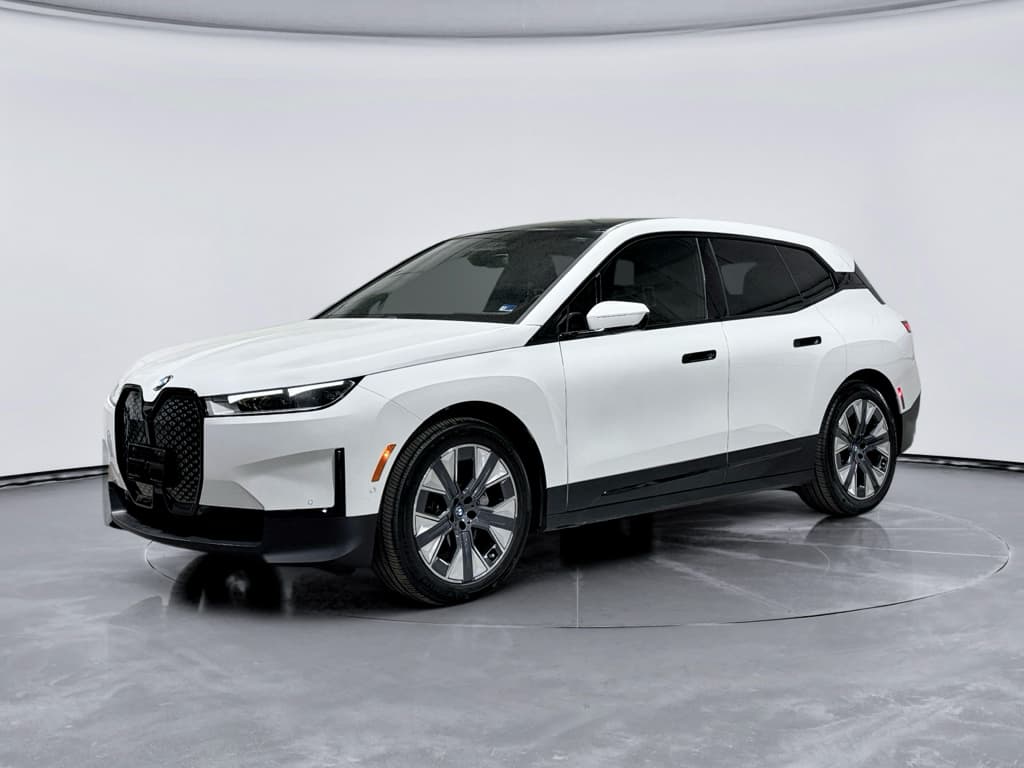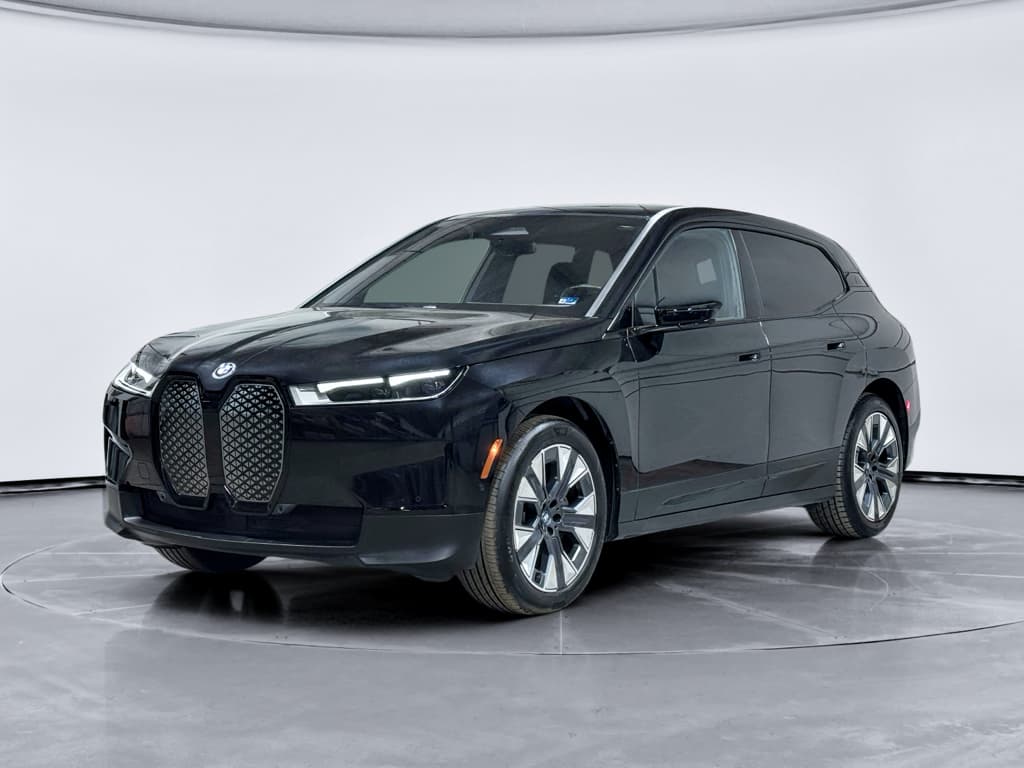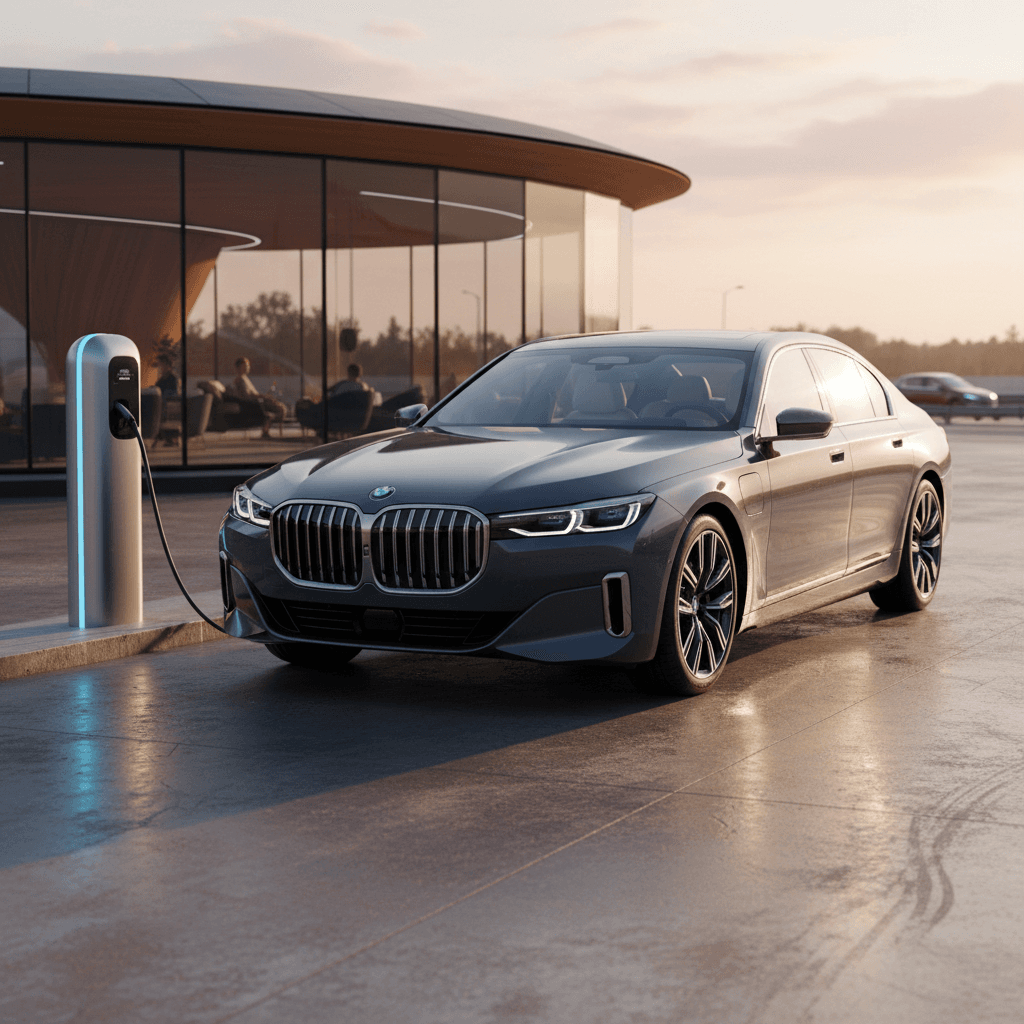
If you’ve ever wished a classic 7 Series could glide along in silence and skip the gas station altogether, the 2023 BMW i7 is your wish granted. This is BMW’s first all‑electric flagship sedan, and it tries to do everything at once: limo comfort, sports‑sedan confidence, and EV efficiency. In this 2023 BMW i7 review, we’ll break down how well it pulls that off, what it’s like to live with, and what you should know if you’re eyeing a used one.
Quick Take
2023 BMW i7 at a Glance
Key 2023 BMW i7 xDrive60 Specs
At launch in the U.S., the i7 came primarily as the xDrive60 model: a dual‑motor, all‑wheel‑drive sedan roughly the size of a long‑wheelbase 7 Series. BMW has since added other variants, but if you’re shopping a 2023 car, odds are you’re looking at an xDrive60 with a 101.7 kWh usable battery, 536 horsepower, and an EPA‑rated range around the 300‑mile mark depending on wheels and options.
Wheel Choice Matters
Powertrain, Performance and Driving Feel
Electric Muscle
The 2023 BMW i7 xDrive60 uses two current‑excited synchronous motors, one on each axle, for a combined 536 hp and about 549 lb‑ft of torque. BMW quotes 0–60 mph in roughly 4.5 seconds, and independent testing has seen even quicker runs in the low‑4‑second range. In practice, the i7 never feels frantic; it just lunges forward with a quiet, confident shove, like a high‑speed elevator.
Classic BMW, Just Heavier
Air suspension, adaptive dampers, and rear‑axle steering work hard to hide the i7’s 6,000‑plus‑pound curb weight. In Comfort mode, it floats over broken pavement with the kind of composure you expect from a flagship sedan. Switch to Sport and the body control tightens, the steering gains heft, and the car shrinks around you in a way that will feel familiar to long‑time BMW drivers.
Handling Character
- Pros: Effortless acceleration, excellent high‑speed stability, surprisingly agile with rear‑axle steering.
- Cons: Sheer weight means you’ll feel it under hard braking and in very tight corners; this is still a very large sedan.
Real-World Range and Efficiency
On paper, the 2023 BMW i7 sits in the middle of the luxury EV pack for range. BMW and the EPA rate it at roughly 296–318 miles depending on wheel size and configuration. Independent testing has shown that the i7 can slightly beat its estimate in gentle highway driving, with some 21‑inch‑wheel cars returning around 310–320 miles on a full charge in ideal conditions.
BMW i7 Range in Context
How the 2023 i7 xDrive60 stacks up against key rivals
BMW i7 xDrive60
- EPA: ~296–318 miles
- Real‑world: ~300+ miles possible
- Focus: Comfort + performance balance
Mercedes EQS Sedan
- EPA: Up to ~350 miles (select trims)
- Real‑world: Similar or slightly better than i7
- Focus: Aero efficiency, ultra‑quiet ride
Lucid Air / Tesla Model S
- EPA: Around 400+ miles on some trims
- Real‑world: Still class‑leading for long trips
- Focus: Maximum range and efficiency
Don’t Chase the Last 20 Miles
Efficiency isn’t this car’s party trick. You’re pushing a tall, blunt, feature‑rich luxury sedan through the air. Expect energy consumption in the low‑ to mid‑30s kWh per 100 miles in mixed use, higher in winter or at sustained high speeds. That’s competitive with other big luxury EVs, but not a class‑leader.
Charging: Home Setup vs Road-Trip Reality
2023 BMW i7 xDrive60 Charging Overview
Approximate times from low state of charge in ideal conditions.
| Charging Type | Connector | Typical Power | 0–100% or 10–80% Time | Best Use Case |
|---|---|---|---|---|
| Level 1 (120V outlet) | J1772 | 1–1.4 kW | Days, not hours | Emergency top‑ups only |
| Level 2 (240V home / public) | J1772 | Up to 11 kW | About 8–11 hours 0–100% | Overnight home charging |
| DC Fast Charging | CCS | Up to 195 kW | ~30–35 minutes 10–80% | Road trips, quick top‑ups |
| Free EA Sessions | CCS | Varies | 30‑minute sessions, 3 years | Complimentary with new i7 from BMW |
Actual times vary with temperature, charger quality, and how full the battery already is.
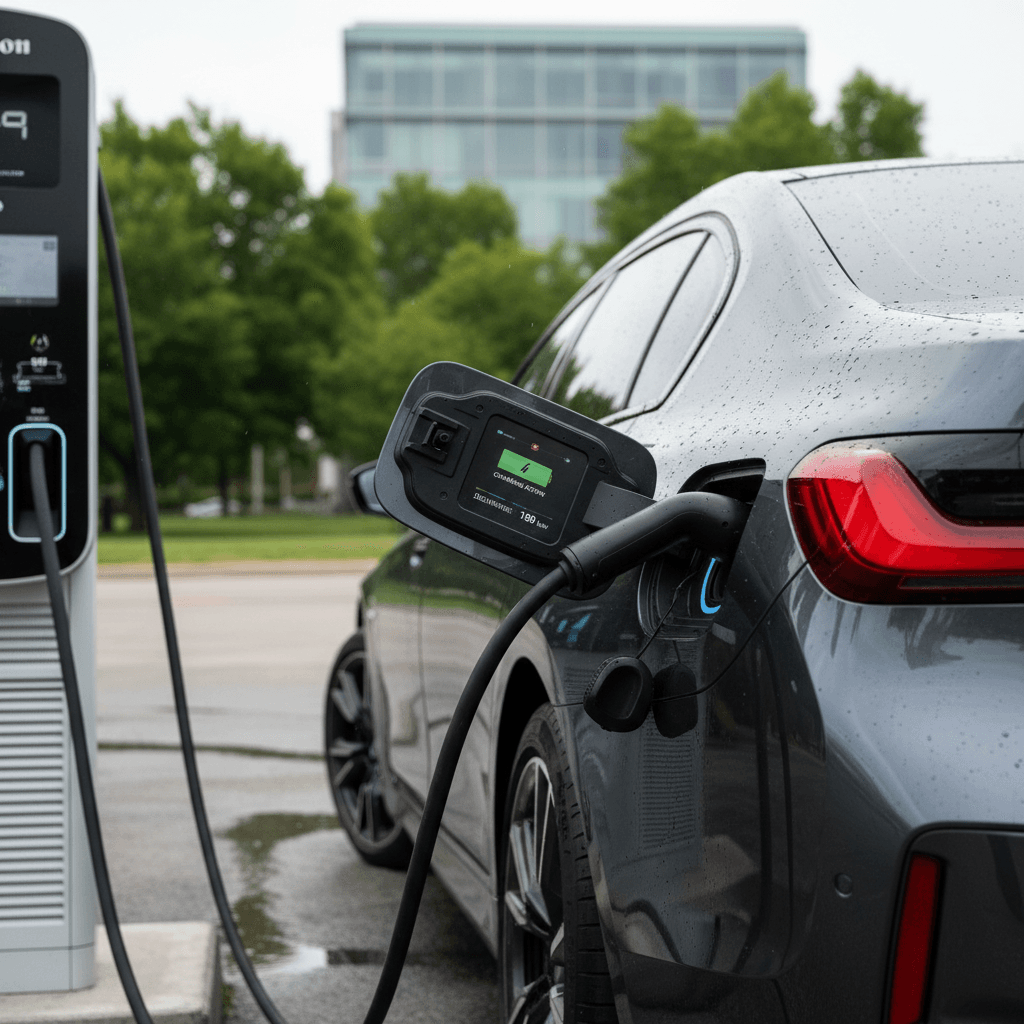
Every 2023 i7 has an 11 kW onboard AC charger, so if you wire a 48‑amp Level 2 station at home, you’re looking at roughly 8–10 hours to go from low state of charge back to full, perfect for overnight charging. On a strong DC fast charger, the i7 can accept up to about 195 kW and typically runs from 10% to 80% in just over half an hour when conditions are right.
Home Charging Made Simple
One perk many new‑car buyers enjoyed: three years of 30‑minute DC fast‑charging sessions at Electrify America included with purchase. That benefit won’t always transfer to second owners, so treat it as a nice bonus if it’s still active on the car you’re shopping, not a guarantee.
Fast Charging Expectations
Interior, Comfort and Tech Experience
Front Cabin: Tech Lounge
The i7’s dash is dominated by a sweeping curved display housing a 12.3‑inch digital cluster and a 14.9‑inch touchscreen. Materials are top‑shelf, leathers, open‑pore wood, crystal‑like light bars, and the driving position is excellent. BMW’s iDrive interface is powerful but deep; the learning curve is real, and common tasks like climate control live in the screen rather than on physical buttons.
Rear Seat: Rolling Theater
This is where the i7 pulls its best party trick. Higher‑spec cars can be fitted with a 31.3‑inch 8K Theater Screen that folds down from the ceiling, paired with reclining rear seats, power sunshades, and an audio system that could shame many home setups. If you’re more likely to be driven than to drive, the i7 makes a strong case over sportier sedans.
Noise, Ride, and Ambience
Even by EV standards, the i7’s cabin is remarkably quiet. Road and wind noise are hushed, and you can even choose synthesized soundscapes composed with Hans Zimmer if you miss the drama of an engine. In Comfort mode, the ride is plush without feeling sloppy; only really sharp impacts remind you how much car you’re carrying around.
Infotainment Learning Curve
2023 BMW i7 vs Mercedes EQS, Lucid Air and Tesla Model S
Luxury EV Flagships Compared (2023 Model Year)
High‑level snapshot for shoppers cross‑shopping the segment.
| Model | Power (approx.) | EPA Range (approx.) | Character | Best For |
|---|---|---|---|---|
| BMW i7 xDrive60 | 536 hp | ~296–318 mi | Balanced luxury + handling | Drivers who want a true BMW feel plus rear‑seat comfort |
| Mercedes‑Benz EQS Sedan | ~329–516 hp | ~305–350 mi | Ultrasmooth, ultra‑quiet, more cocoon than cockpit | Maximum serenity and efficiency |
| Lucid Air | 430–800+ hp | 350–400+ mi | Hyper‑efficient, very quick, tech‑forward | High‑mileage road‑trippers |
| Tesla Model S | ~670–1,000+ hp | 350–400+ mi | Minimalist, software‑centric, Supercharger access (in many regions) | Tech lovers, frequent fast‑chargers |
| Porsche Taycan | ~402–750+ hp | ~200–250 mi | Sports‑car dynamics, shorter range | Driving enthusiasts who accept range trade‑offs |
Specs vary by trim; focus on overall character rather than chasing exact numbers.
If you want a calm luxury bubble, the Mercedes EQS still feels more like a modern S‑Class gone electric. If you chase range numbers, Lucid and Tesla run away from everyone. The 2023 i7 tries to sit in the middle: a real 7 Series in the way it steers and rides, with enough range and charging speed to make life easy for most owners.
Where the i7 Shines
Ownership Costs, Reliability and Battery Health
The 2023 i7 arrived with a six‑figure sticker price when new, and depreciation has already started to make early cars tempting on the used market. As with any complex flagship, you’re trading some long‑term simplicity for comfort and tech.
BMW i7 Ownership: What to Expect
Running Costs
- Energy: Charging at home is typically far cheaper than fueling a comparable 7 Series, especially if you use off‑peak rates.
- Maintenance: No oil changes, fewer moving parts than a gas V8, but air suspension, rear steering and complex electronics still mean flagship‑level repair costs out of warranty.
Warranty & Battery Health
- BMW backs the high‑voltage battery for 8 years / 100,000 miles against excessive capacity loss.
- Early ownership data suggests typical EV degradation patterns, gradual, not sudden, but real‑world histories matter. A car that fast‑charges daily will age differently than one that trickle‑charges at home.
Why Battery Health Matters More in a Flagship
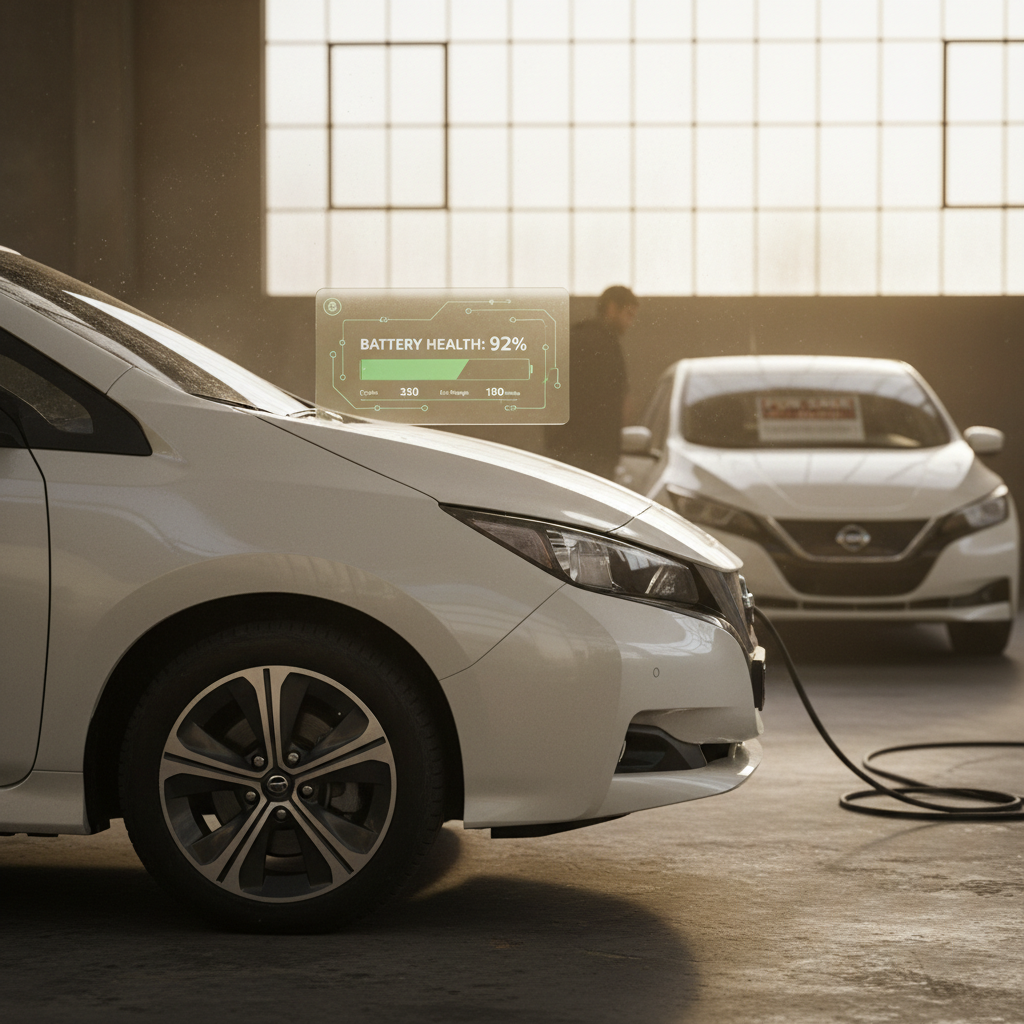
This is where a transparent, data‑driven look at battery condition becomes non‑negotiable. When you shop through Recharged, every EV comes with a Recharged Score Report that includes verified battery health readings, charging history insights when available, and a fair‑market pricing analysis. On something as complex and expensive as an i7, that’s peace of mind you can actually quantify.
Should You Buy a Used 2023 BMW i7?
If you’re drawn to the 2023 BMW i7 on the used market, you probably have two big questions: will I love living with it, and will it love me back? The first one is easy. If you like big, quiet, over‑the‑road cars and appreciate BMW’s steering and chassis tuning, you’ll get along with the i7 just fine. The second depends on how carefully you choose your car.
- Best candidates: One‑owner cars with documented service history, mostly home‑charged, ideally still within factory warranty windows.
- Consider carefully: Former executive demos or cars that racked up heavy miles early with lots of DC fast‑charging.
- Think twice: Cars with obvious suspension clunks, warning lights, or inconsistent charging behavior, even if the price seems irresistible.
Shopping Strategy
Checklist: What to Look For in a Used i7
Used 2023 BMW i7 Buyer’s Checklist
1. Battery Health & Charging History
Ask for a recent, detailed battery‑health report and look for consistent home Level 2 charging rather than constant DC fast‑charging. A platform like Recharged provides a standardized Recharged Score so you aren’t guessing.
2. Suspension and Steering Feel
On a test drive, listen for clunks or rattles over bumps and pay attention to how the car tracks on the highway. Air suspension and rear steering are wonderful when healthy and expensive when they’re not.
3. Charging Port and Cables
Inspect the CCS charge port for damage or corrosion and confirm that the car comes with the factory portable charging cable and any included adapters. Plug into a Level 2 station and verify it charges at full speed without errors.
4. Software and Driver‑Assist Features
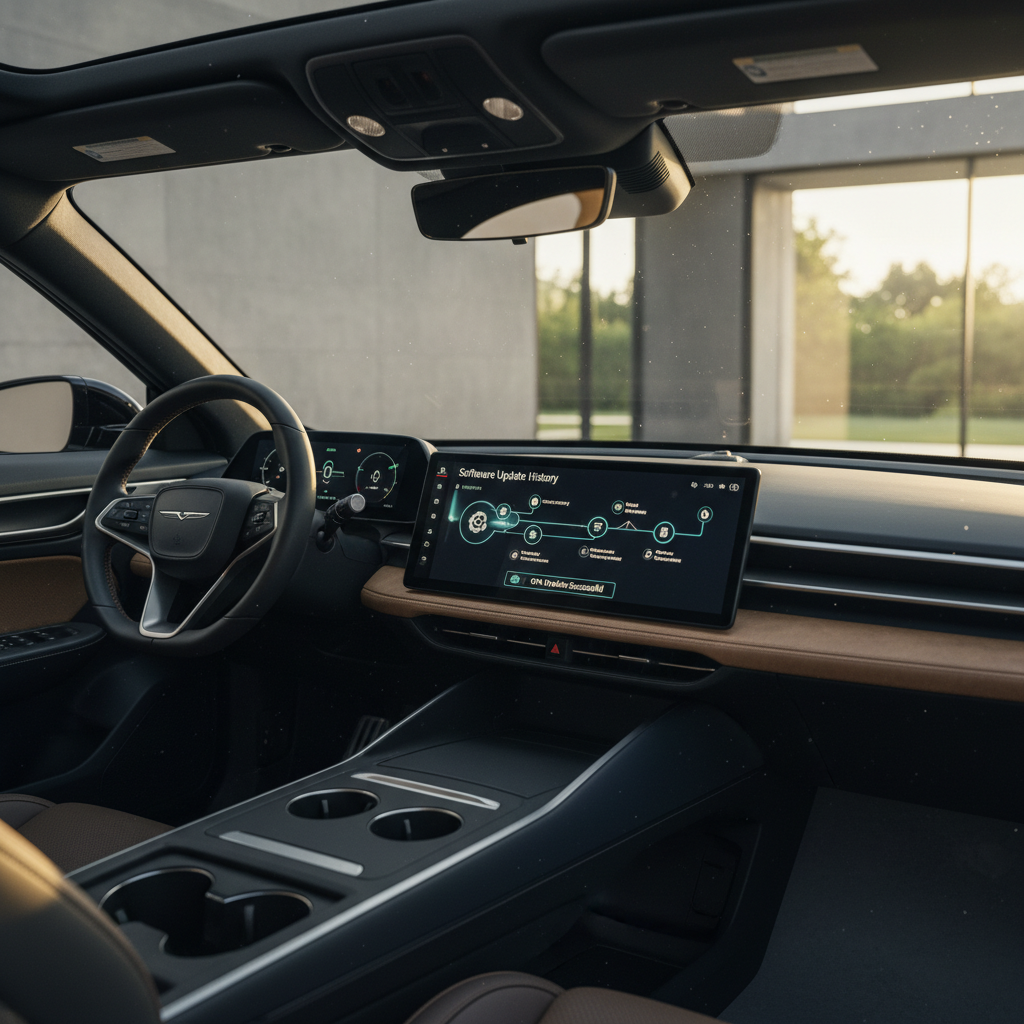
Make sure over‑the‑air updates are current and that features like adaptive cruise, lane‑keeping assist, and parking assist function smoothly. A quick highway run will tell you a lot about BMW’s Driving Assistance Professional system.
5. Interior Electronics and Theater Screen
Test every seat adjustment, shade, door soft‑close, audio function, and, if equipped, the Theater Screen. A minute spent playing with the gadgets now can save you from chasing electrical gremlins later.
6. Warranty Coverage and Service Records
Confirm what’s left of the basic and battery warranties and look for regular dealer or qualified EV‑specialist service. Gaps are not necessarily a deal‑breaker, but they should be priced into the car.
2023 BMW i7 FAQ
Frequently Asked Questions About the 2023 BMW i7
Bottom Line: Who the 2023 BMW i7 Is Really For
The 2023 BMW i7 isn’t trying to be the lightest, slipperiest or most efficient EV on the market. Instead, it’s a modern take on the classic 7 Series formula: a big, confident, wonderfully comfortable sedan that just happens to run on electrons. If you want a luxury EV that still feels like a BMW from behind the wheel and treats rear passengers like VIPs, the i7 belongs on your short list.
On the used market, that same blend of performance and pampering can become surprisingly attainable, if you choose carefully. That’s where a verified battery‑health report, fair‑market pricing, and EV‑savvy support matter. Recharged was built to make that process simpler and more transparent, whether you end up in a BMW i7 or another electric flagship that fits your life just a bit better.