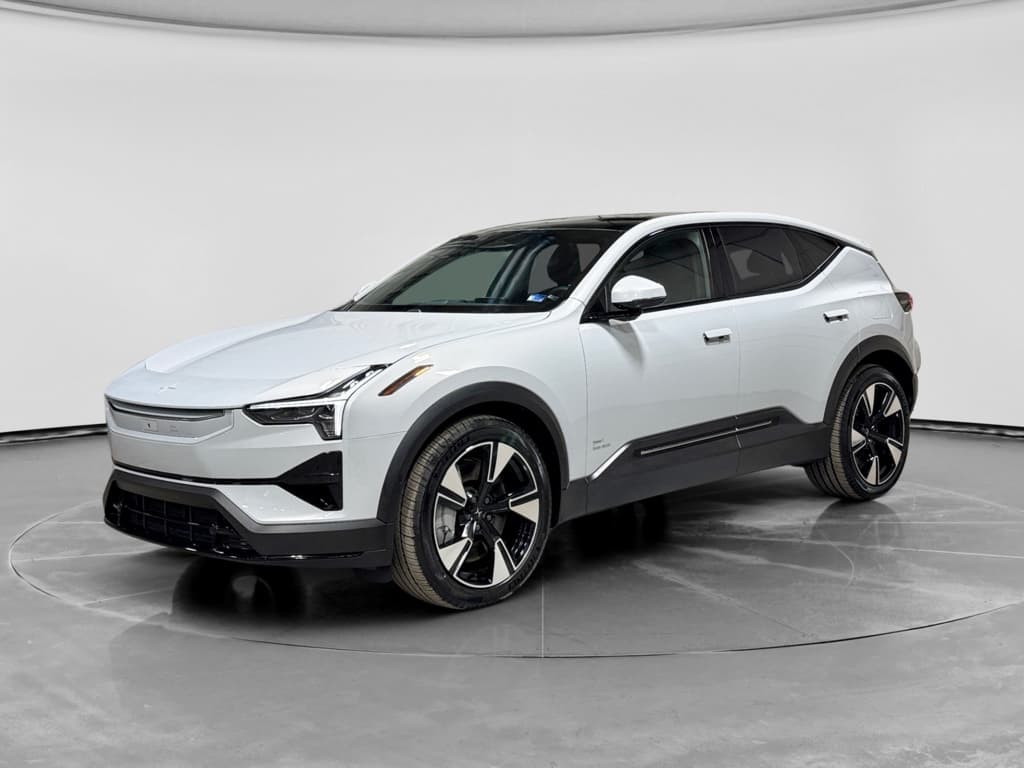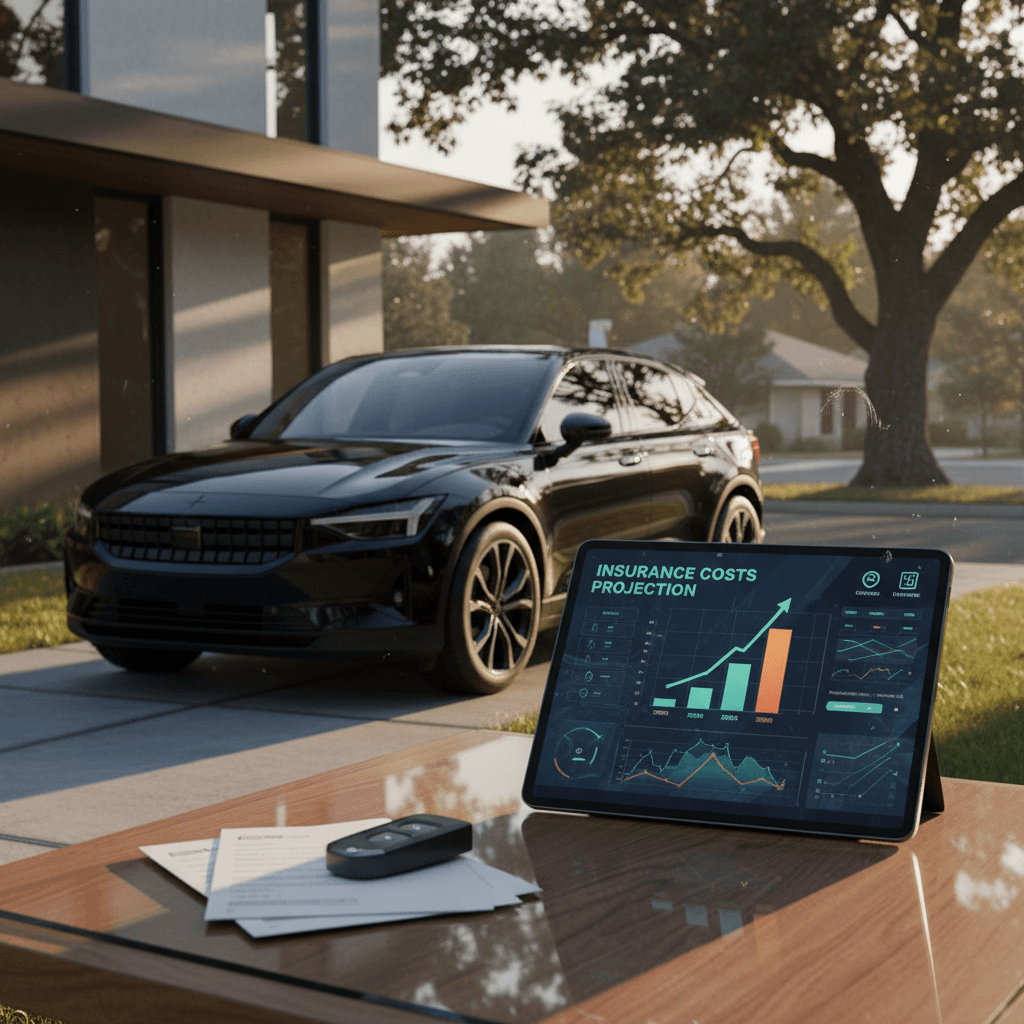
If you’re eyeing a Polestar 3, you’re not just shopping for a sleek Scandinavian electric SUV, you’re signing up for a different cost profile than a gas crossover. One of the big line items is Polestar 3 insurance cost, which tends to run higher than coverage for comparable gasoline SUVs, especially in the first few years of ownership.
Snapshot: EV insurance in 2025–2026
Polestar 3 insurance cost at a glance
Polestar 3 insurance: quick numbers (estimates)
Because the Polestar 3 is still new, there isn’t the same volume of published insurance data you’ll see for a Tesla Model Y or Mustang Mach‑E. But based on how insurers price similar large luxury electric SUVs, most U.S. buyers can expect to land in the ballpark of $2,000 to $2,800 per year for full coverage, assuming a clean driving record and typical urban or suburban garaging.
Important disclaimer
Why electric SUVs like the Polestar 3 cost more to insure
Insurers don’t have a “Polestar tax,” but they do respond to vehicle value, repair costs, and claim history. For EVs, several common themes push premiums above gas equivalents:
- Higher sticker prices. The Polestar 3 is a high‑end electric SUV, so the dollar value an insurer is on the hook for is higher than on a mainstream gas crossover.
- Expensive battery and body repairs. EV batteries can cost five figures to replace, and even minor collision damage to a battery pack or aluminum body panel can turn into a big claim.
- Specialized repair networks. Qualified EV body shops and parts are still less common than for legacy models, which can stretch repair times and rental‑car costs.
- Limited long‑term data. Because EVs are newer, insurers have less historical loss data, so they often price in a cushion until they’re confident about risk patterns.
How EVs compare on insurance
How much does Polestar 3 insurance cost?
Because insurers only recently began writing meaningful volume on the Polestar 3, you won’t yet find long tables of Polestar‑specific average premiums. The best way to understand Polestar 3 insurance cost is to triangulate from similar vehicles and current EV pricing data, then adjust for your own situation.
Where the Polestar 3 likely fits on the EV insurance ladder
Indicative annual full‑coverage premiums for popular EVs and where a Polestar 3 slot is likely to land, assuming a 35‑year‑old driver with a clean record.
| Vehicle | Type | Typical annual premium* | How Polestar 3 compares |
|---|---|---|---|
| Nissan Leaf | Compact EV hatchback | $1,400–$2,000 | Polestar 3 will be noticeably higher than an economy EV. |
| VW ID.4 | Mainstream compact EV SUV | Around $1,600 | Polestar 3 likely costs more due to price and luxury positioning. |
| Tesla Model Y | Popular midsize EV SUV | ~$2,200+ | Polestar 3 is likely in a similar or slightly higher band. |
| Tesla Model X | Large luxury EV SUV | $2,900+ | Polestar 3 could undercut this slightly, given simpler doors and lower MSRP. |
| Polestar 3 (estimate) | Luxury EV SUV | $2,000–$2,800 | Likely in line with other premium electric SUVs. |
These figures are directional estimates for comparison, not quotes.
Use real quotes, not just averages
What raises Polestar 3 insurance cost
- Full coverage with low deductibles ($500 or less).
- High liability limits (e.g., 250/500/100).
- High‑cost metro areas with more crash and theft claims.
- Younger drivers, at‑fault accidents, or tickets on your record.
- Performance‑oriented driving habits captured by telematics.
What can lower your premium
- Raising your comprehensive/collision deductibles.
- Bundling home and auto with the same insurer.
- Driving fewer miles per year and opting into telematics.
- Strong credit history (in states where it’s allowed).
- Garage parking and strong anti‑theft features.
8 factors that shape your Polestar 3 insurance premium
Insurers start with the base risk for the Polestar 3, then layer in details about you, where you live, and how you drive. Here are the big levers that move your rate up or down:
How the Polestar 3’s safety record can help on insurance
One thing working in your favor is that the Polestar 3 is not just stylish, it’s extremely safe. In 2025, Euro NCAP awarded the Polestar 3 a five‑star overall safety rating, with a standout 93% child‑occupant protection score, the highest of any passenger car they’d tested in nearly a decade.
Insurers care about this. Vehicles that protect occupants well and avoid or mitigate crashes through advanced driver‑assistance systems (ADAS) tend to generate less severe injury claims. That can translate into slightly better pricing over time, especially once more real‑world claim data comes in.
Safety features that insurers like
9 ways to lower your Polestar 3 insurance cost
You can’t change the fact that a Polestar 3 is an expensive, high‑tech EV. But you can control how you insure it. Here are practical moves that often make a noticeable difference:
Action steps to trim your Polestar 3 premium
1. Shop at least 3–4 insurers
Different carriers price EV risk differently. Get quotes from a mix of national brands and regional insurers, and don’t assume your current company is cheapest for a Polestar 3.
2. Adjust deductibles strategically
If you can comfortably afford it, raising your comprehensive and collision deductibles from $500 to $1,000 can trim your annual premium, sometimes by a few hundred dollars.
3. Bundle home and auto
Bundling your Polestar 3 with homeowners or renters insurance can unlock multi‑policy discounts that offset some of the EV premium bump.
4. Ask about EV‑specific discounts
Some carriers now offer <strong>green‑vehicle or EV discounts</strong>. They won’t erase the entire cost difference, but they’re worth asking about.
5. Enroll in a telematics program
Usage‑based insurance that tracks your driving can reward smooth, low‑risk behavior. This is especially attractive if you mostly drive in daylight and avoid heavy traffic.
6. Right‑size your coverage
Make sure your liability limits, rental coverage, and extras like glass coverage match your real needs. Don’t over‑insure out of habit, or under‑insure to chase a low number.
7. Improve your credit profile
In states where it’s allowed, better credit can dramatically lower premiums. Paying down revolving debt and avoiding late payments helps over the medium term.
8. Re‑quote regularly
Claim patterns and insurer appetites change. Re‑shopping your Polestar 3 insurance every 12–18 months can uncover savings, especially as the model matures.
9. Consider ownership vs. leasing
Leases often require tighter coverage terms and lower deductibles. Owning a Polestar 3 outright gives you more flexibility to adjust coverage when your budget is tight.
Don’t skimp on liability
Insuring a used Polestar 3: what changes?
As early Polestar 3s migrate into the used market, more buyers will be weighing certified pre‑owned or used examples against new orders. Insurance behaves a little differently when you’re not paying new‑car prices anymore.
New vs. used Polestar 3 insurance considerations
Premiums don’t fall as quickly as purchase prices, but used can still help.
New Polestar 3
- Higher MSRP, so comprehensive and collision are priced higher.
- Often financed or leased, with lender‑required coverage levels.
- May qualify for new‑vehicle and safety discounts.
Used Polestar 3
- Lower actual cash value can modestly reduce premiums.
- More flexibility to adjust coverage as the car depreciates.
- Still expensive to repair, so don’t expect a dramatic drop.
If you’re shopping used, it’s smart to pair insurance quotes with a deep look at the vehicle’s battery health and history. At Recharged, every EV, including the Polestar 3 models we list, comes with a Recharged Score Report that verifies battery health and provides transparent pricing data. That gives you a clearer picture of how long you’ll want full‑coverage insurance versus when it might make sense to scale coverage back.
Leverage the Recharged Score
Where insurance fits in your total cost of ownership
Insurance is just one part of what you’ll pay to run a Polestar 3. AAA’s recent “Your Driving Costs” analysis shows that EVs can carry higher total ownership costs than comparable gas vehicles, driven in part by pricier insurance and registration fees even as you save on fuel and some maintenance.
Costs that tend to be higher for Polestar 3
- Insurance (vs. mainstream gas SUVs).
- Registration, property tax and fees in some states.
- Financing costs on a higher MSRP.
- Collision and comprehensive claims when repairs are needed.
Costs that can be lower
- Electricity vs. gasoline on a per‑mile basis.
- Oil changes and many routine engine services (there’s no engine).
- Brake wear, thanks to strong regenerative braking.
- Potential tax credits or local incentives, depending on when and where you buy.
When you’re comparing a Polestar 3, new or used, to other vehicles, build a simple five‑year ownership model that includes insurance, financing, energy, maintenance, and depreciation. Recharged can help on the used side with transparent pricing, battery health diagnostics, and specialist support so you’re not guessing at the long‑term costs.
Polestar 3 insurance cost: FAQ
Frequently asked questions about Polestar 3 insurance
Bottom line: budgeting for Polestar 3 insurance
The Polestar 3 is a sophisticated, safety‑focused electric SUV, which means it’s also a complex and relatively expensive vehicle for insurers to cover. You should plan on above‑average insurance costs compared with mainstream gas SUVs, likely in line with other premium EV crossovers. But with careful shopping, smart deductible choices, and a close look at your total cost of ownership, those premiums don’t have to be a deal‑breaker.
If you’re exploring a Polestar 3, or any used EV, Recharged can help you see the whole picture. Every vehicle listed comes with a Recharged Score Report that verifies battery health and fair pricing, along with EV‑specialist support from first quote to final delivery. That makes it easier to balance insurance, financing, and long‑term ownership costs before you ever sign on the dotted line.