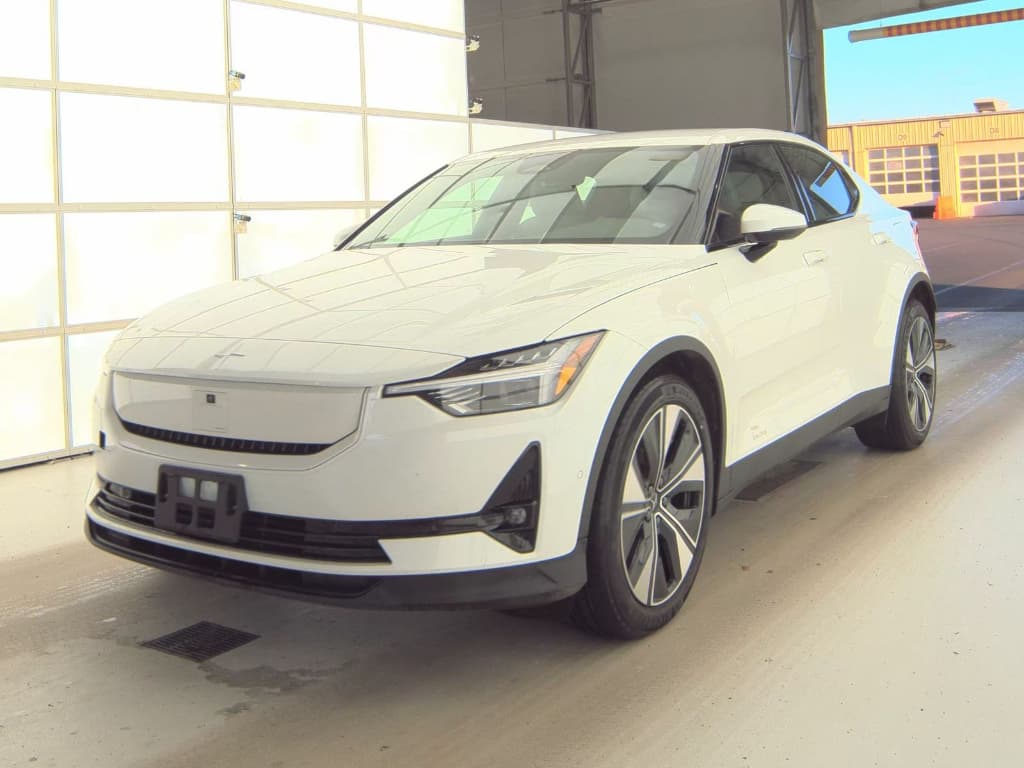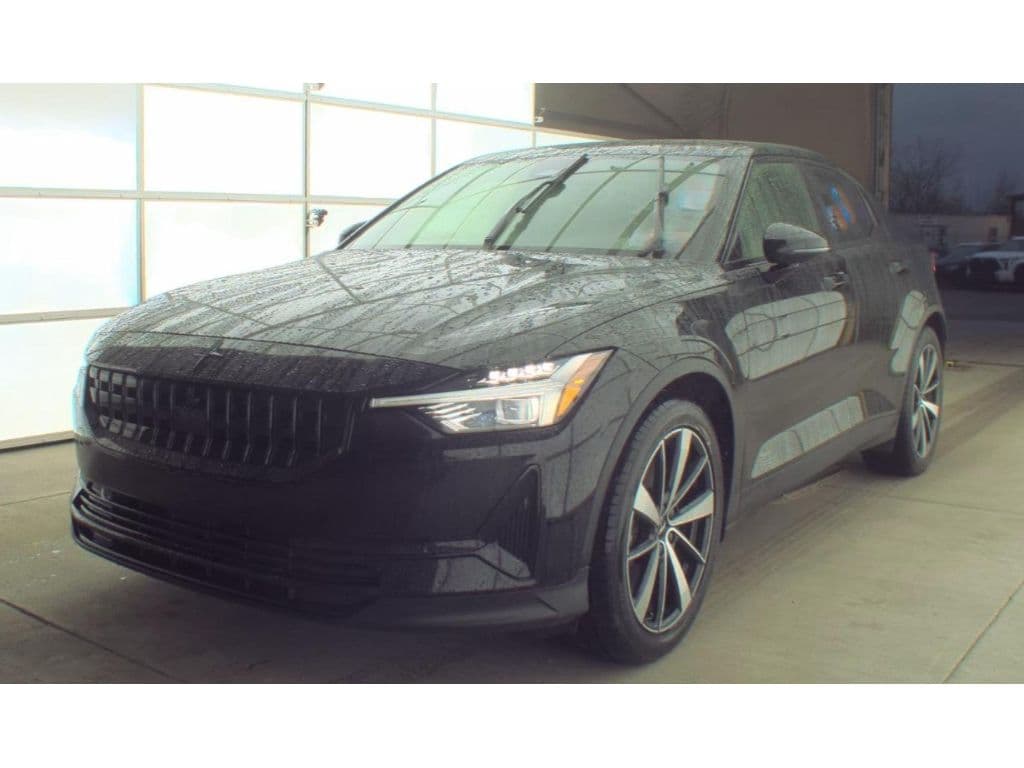
Cue up a 300‑mile road trip in your navigation, glance at the range estimate, and the question hits: what is the Polestar 2 real world range on the highway, not the glossy EPA number, but at 70–75 mph with real weather and traffic? If you’re shopping new or used, or just planning a long drive, this guide walks you through what you can realistically expect and how to squeeze the most miles from every kilowatt‑hour.
Highway range in one sentence
Polestar 2 highway range at a glance
Typical real‑world highway results at 70–75 mph
Those are big‑picture numbers. Your actual range will swing with model year, battery size, single vs dual motor, wheels and tires, weather, and how disciplined you are with speed. Let’s unpack each of those, starting with why EPA numbers don’t tell the whole highway story.
EPA vs real world: why your Polestar 2 range drops on the highway
If you’ve noticed that your Polestar 2 rarely matches its EPA range on the interstate, you’re not imagining things. The EPA test cycle mixes city and highway driving and averages about 48 mph. A real‑world highway run at 70–75 mph is a very different test, especially in a heavy, boxy fastback like the Polestar 2.
Aerodynamics and speed
Above about 50 mph, aerodynamic drag climbs fast. Push from 65 to 75 mph, and you’re asking the motors to shove a bigger wall of air out of the way. In something like a Polestar 2, taller than a sedan, but lower than an SUV, that translates directly to more kW on the power display and fewer miles per kWh.
That’s why nearly every independent test you’ll see at 70–75 mph comes in well below the EPA combined number, no matter the brand.
Test cycles vs. real life
EPA tests include low‑speed cruising, gentle accelerations, and a mix of conditions that don’t mirror hammer‑down highway driving. On the highway, you’re usually:
- Sitting at a steady higher speed
- Using climate control continuously
- Carrying passengers and cargo
The result: a Polestar 2 that’s EPA‑rated at 270–320 miles will often deliver something closer to 200–260 miles if you drive it like most American highway commuters do.
Don’t chase the EPA number on a road trip
Real‑world highway tests by model year and battery
Polestar has steadily improved the 2’s efficiency and battery hardware since its U.S. launch. That means a 2021 dual‑motor car won’t behave the same way as a 2024 rear‑drive model on the highway, even if they share a badge. Here’s how the main versions shake out based on well‑documented 70–75‑mph tests and owner reports.
Polestar 2 real‑world highway range snapshots (70–75 mph, mild temps)
Approximate results from independent media tests and consistent owner reports. Your range will vary with temperature, elevation, wind, traffic, and wheel/tire choice.
| Model / Battery | EPA combined rating | Observed highway test | Highway % of EPA | Notes |
|---|---|---|---|---|
| 2021 Dual Motor LR (~75 kWh usable) | 233 mi (combined); 222 mi highway | ~200–233 mi at ~70 mph | ~90–105% of EPA highway | InsideEVs recorded about 233 miles at 70 mph when running the pack nearly to zero. |
| 2022 Single Motor (270‑mi EPA) | 270 mi | ~220 mi at 75 mph | ~81% of EPA | Car and Driver’s 75‑mph test saw 220 miles before plug‑in. |
| 2024 Single Motor RWD LR (82 kWh gross, ~79 kWh usable) | 320 mi (19" wheels) | ~250 mi at 75 mph | ~78% of EPA | Car and Driver’s 75‑mph real‑world test hit 250 miles, still a big improvement over earlier cars. |
| 2024 Dual Motor LR (78 kWh gross) | 276 mi (19" wheels) | ~230 mi at 75 mph | ~83% of EPA | Same test program measured about 230 miles for a dual‑motor Performance car. |
| Early Standard Range (64 kWh usable) | EPA mid‑200s depending on year | ~170–200 mi at 70–75 mph | ~70–80% of EPA | Smaller pack means less buffer at highway speeds, especially in cold. |
Think of these as realistic planning numbers rather than guarantees.
Why the spread in results?
What really moves the needle on Polestar 2 highway range
Six factors that define your Polestar 2’s highway range
Some you can’t change, some you absolutely can.
1. Battery size & model year
Earlier U.S. cars used a ~75 kWh usable pack for Long Range and ~64 kWh for Standard Range. For 2024+, the single‑motor car adds a larger pack (about 79 kWh usable) and a more efficient rear‑drive layout.
More usable kWh = more buffer at 75 mph, especially with climate control running.
2. Single vs dual motor
Dual‑motor cars add weight and drivetrain losses. In older model years that meant a clear highway penalty.
Newer dual‑motor cars can decouple the front motor when it isn’t needed, which helps narrow the gap, but single‑motor is still king for long, steady freeway hauls.
3. Wheels & tires
Those 20‑inch wheels and stickier tires look terrific, but they add rolling resistance and aerodynamic drag.
If highway range matters more than stance, the 19‑inch wheel and eco‑tire setups are your friend, especially on earlier cars with smaller packs.
4. Speed & wind
Jumping from 65 to 75 mph can cost you 10–20% of your range all by itself. Add a stiff headwind and it can feel like driving uphill in place.
On a calm day, setting cruise in the right lane at 68 mph is one of the easiest “mods” you can make to extend range.
5. Climate control & passengers
HVAC is less of a drain on the highway than in stop‑and‑go traffic, but it still matters. Running the cabin toasty warm in winter or ice‑cold in summer eats a noticeable slice of your battery.
A full load of passengers and luggage adds weight, too, which you’ll feel mostly on hills and during repeated accelerations.
6. Battery health & software
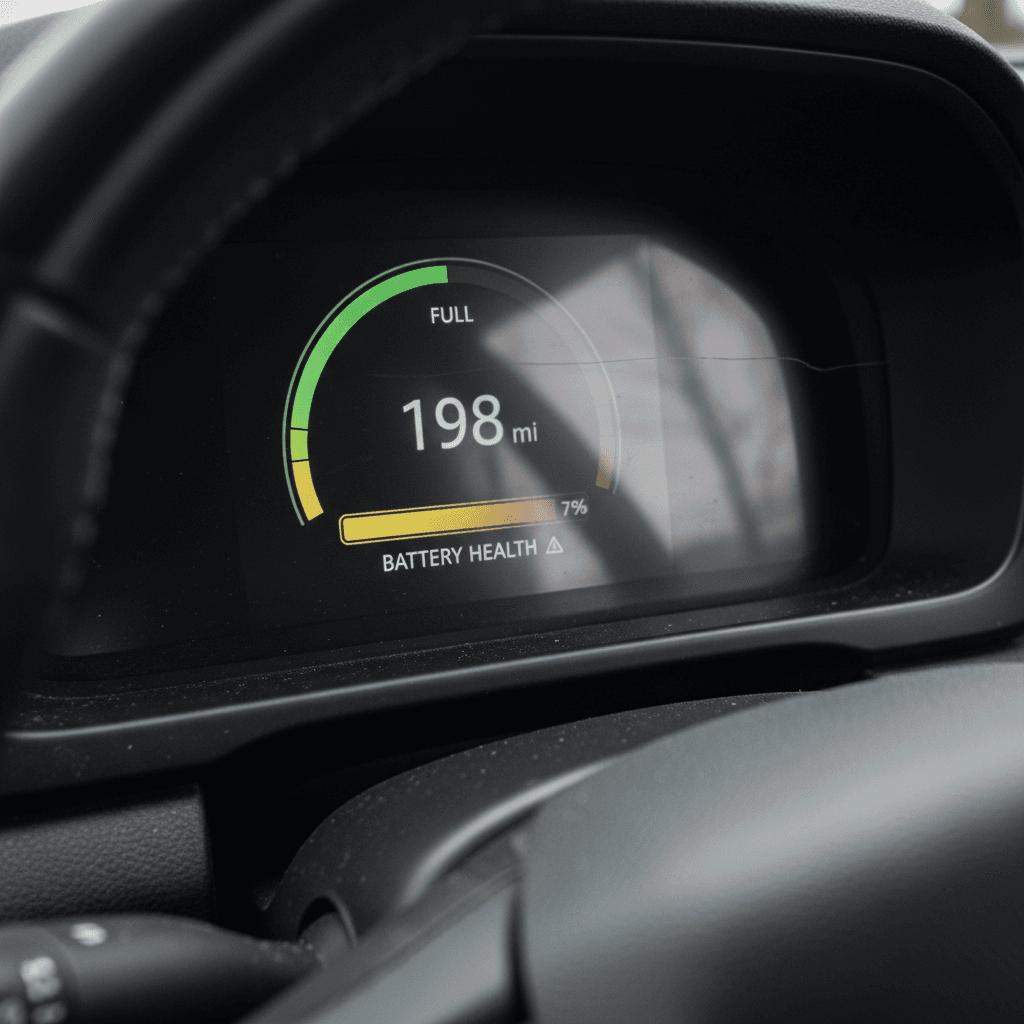
An older Polestar 2 that’s lived its life on rapid DC fast charging and hot parking lots may have lost a few percent of its original capacity.
On the flip side, software updates and revised range estimates have often made newer cars smarter about predicting consumption. Both matter when you’re judging a used example’s highway legs.
Easy win: use the car’s efficiency view
Highway range in winter and bad weather
Cold weather is where even confident EV owners get caught out. On a mild 60–70°F day, a Polestar 2 behaves like the tables above. On a 20°F January morning with a wet highway and a stiff headwind, you can suddenly feel like you’ve bought a different car.
What cold does to your battery
- Thicker chemistry: Lithium‑ion cells don’t like the cold. Internal resistance goes up, so you can’t pull as much usable energy out as easily.
- Battery heater load: The car spends energy getting the pack into its happy temperature window, especially if you didn’t precondition while plugged in.
- Cabin heat: Unlike a gas car, there’s no waste heat to “borrow.” All cabin warmth comes from your battery.
On a long winter highway leg, a 2022–2024 Polestar 2 that might comfortably do 220–250 miles in spring can drop into the 160–200‑mile reality range if you run 70–75 mph and keep the cabin cozy.
Rain, elevation, and traffic
- Standing water: Pushing through heavy rain adds rolling resistance. It won’t cut range as much as deep snow, but it’s noticeable.
- Hills and headwinds: Long climbs and wind combine with speed to eat range, then regen braking helps on the way back down, but not enough to fully cancel it out.
- Stop‑and‑go vs steady: Ironically, EVs often do better in mixed or slower traffic because speeds are lower and regen recaptures energy. A perfectly clear, fast highway is actually harder on your battery.
Winter rule of thumb
Planning road trips in a Polestar 2
The good news: even the earlier, shorter‑range Polestar 2 models are absolutely capable road‑trip cars if you plan around their strengths. The best road‑trip experiences come when you accept the highway range you actually have and build legs that leave a comfortable buffer at each stop.
Highway planning playbook for Polestar 2 owners
1. Start with realistic leg lengths
For a 2024+ single‑motor RWD car, plan <strong>180–220‑mile legs</strong> between DC fast chargers in mild weather. In an older dual‑motor or Standard Range car, think <strong>130–180 miles</strong>, especially if you’re on 20‑inch wheels or driving into wind or hills.
2. Use EV‑savvy route planners
Tools like A Better Routeplanner, the Polestar app, PlugShare, and major network apps (Electrify America, EVgo) let you plug in your exact car, wheels, and weather to model highway consumption much more accurately than a generic map.
3. Aim to arrive with 10–20%
Most long‑trip owners aim to roll into chargers with <strong>10–20% state of charge</strong>. That gives you a buffer for detours and headwinds, and it drops you into the fastest part of the DC fast‑charging curve.
4. Charge in the sweet spot
For most Polestar 2s, the fastest use of your time is to DC fast charge from roughly <strong>10–15% up to 60–80%</strong>, then roll. Topping to 100% on a DC fast charger is slow and only adds modest extra highway range.
5. Watch consumption, not just %
On the highway, keep an eye on your mi/kWh readout. If you see it dropping because of wind, rain, or hills, trim a few mph or add a short backup charging stop rather than trying to fight physics.
6. Factor in passengers and cargo
Loaded with people, bikes, and luggage? Plan a bit shorter first leg and see how consumption looks before committing to longer stretches.
Where Recharged fits in
Ready to find your next EV?
Browse VehiclesHighway range checklist for used Polestar 2 buyers
A used Polestar 2 can be a terrific value if you understand which version you’re getting and what that means on the interstate. Here’s how to sanity‑check highway range before you sign anything.
Checklist: judging a used Polestar 2’s highway legs
1. Identify year, battery, and motor layout
Confirm whether you’re looking at a <strong>Standard Range vs Long Range</strong>, and <strong>single vs dual motor</strong>, plus model year. A 2021 dual‑motor LR, a 2022 single‑motor LR, and a 2024 RWD LR all feel different on the highway.
2. Ask for battery health data
Look for a recent <strong>battery health report</strong> or diagnostic scan. Even a 5–8% loss of usable capacity will lop meaningful miles off a 75‑mph highway leg. Every Recharged vehicle includes a Recharged Score report so you can see this up front.
3. Check wheel and tire setup
Those 20‑inch wheels from the Performance Pack look great but trade away some efficiency. If highway range is a priority, factor in the cost of a second 19‑inch wheel/tire set, or focus your search on cars already so equipped.
4. Review charging history if possible
A car that lived on DC fast chargers in hot climates may show more degradation than one that mostly AC‑charged at home. You won’t always get this data, but any documentation helps you judge long‑term highway range.
5. Test a real highway loop
On a test drive, put at least 20–30 miles on the car at your normal highway speed. Reset the trip computer and note mi/kWh. Multiply that by the usable battery size for a reality‑check on the range you’d comfortably plan around.
6. Consider your routes
If your frequent drives are 150‑mile round trips with limited public charging, earlier Standard Range cars may feel tight in winter. If you mostly do 60‑mile commutes and a few big trips a year, they can be an excellent value.
FAQ: Polestar 2 real‑world highway range
Frequently asked questions about Polestar 2 highway range
Bottom line: Is the Polestar 2’s highway range good enough?
If you judge by the window sticker alone, the Polestar 2 can look like it “falls short” on the open road. Look at how owners actually drive, 75‑mph interstates, year‑round weather, real cargo, and you find a more nuanced picture: it’s solidly competitive, especially in its later single‑motor Long Range form, as long as you plan around 70–85% of the EPA number for highway legs.
For daily commuting and weekend getaways, any recent Polestar 2 has plenty of real‑world highway range. If your life is big‑mile road trips, focus on the right configuration, learn what your personal consumption looks like, and give yourself smart charging buffers. And if you’re shopping used, leaning on a verified battery health report, like the Recharged Score included with every vehicle at Recharged, turns those abstract range charts into confidence that your next EV will go the distance.