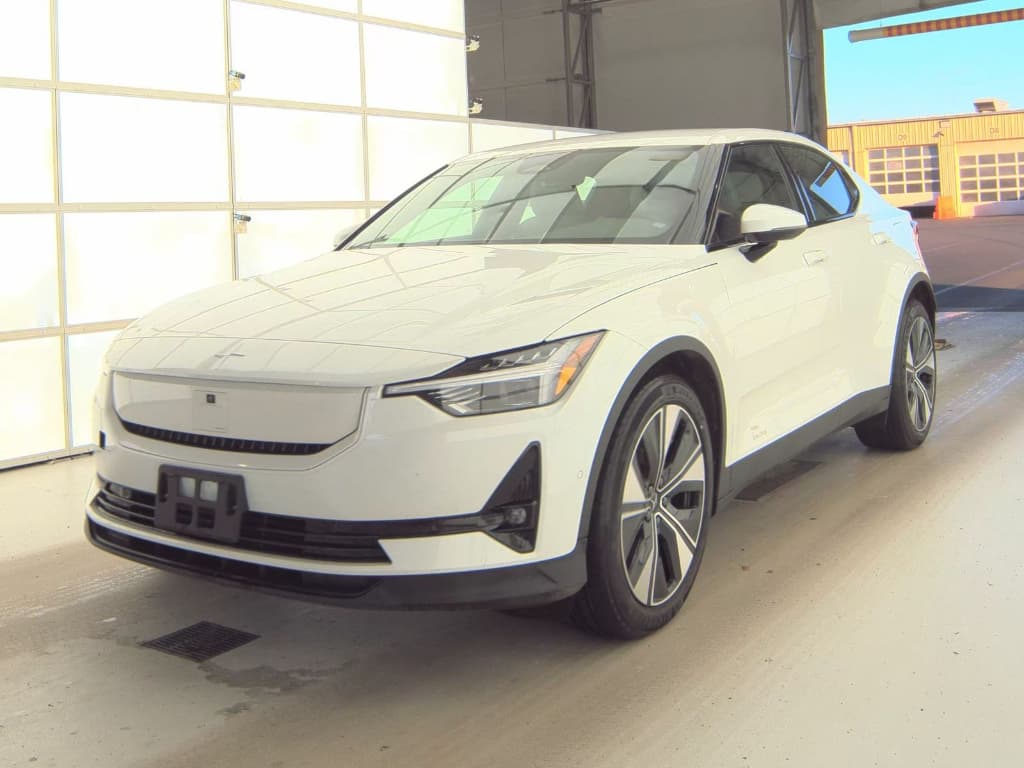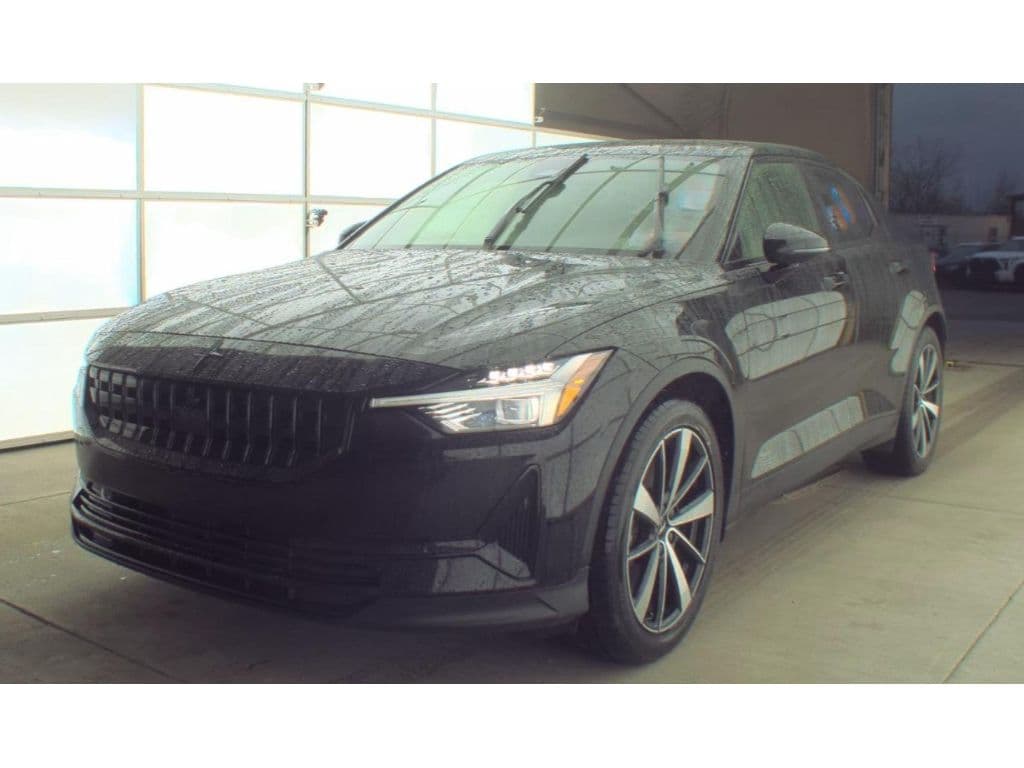
If you’re eyeing a Polestar 2, or already own one, insurance cost is a big part of the total ownership picture. Electric cars often carry higher premiums than comparable gas models, and the Polestar 2 is a premium EV, so it’s smart to understand what you’re getting into before you sign anything.
Quick takeaway
Overview: How much does it cost to insure a Polestar 2?
Let’s start with the big-picture numbers. Nationwide insurance data for EVs shows that compact luxury electric cars like the Polestar 2 sit in the upper-middle of the price spectrum: more than a Toyota Prius, less than a Porsche Taycan.
Polestar 2 insurance at a glance (2025)
Those are averages, not promises. Depending on where you live, your age, credit, mileage, and whether you’re insuring a new or used Polestar 2, your real-world quote could be hundreds of dollars lower, or higher.
Average Polestar 2 insurance cost in 2025
There’s no single “official” Polestar 2 insurance price, but we can triangulate from a few solid data points and what insurers are charging for similar EVs in 2025.
Typical annual Polestar 2 insurance cost ranges
Approximate full-coverage premiums for a U.S. driver with clean record, insuring a Polestar 2 as a primary vehicle.
| Driver / Situation | Likely Annual Range | Likely Monthly Range | Notes |
|---|---|---|---|
| Experienced driver, 40s, suburban, clean record | $1,300 – $1,800 | $110 – $150 | Most typical Recharged shoppers land here |
| Younger driver, 20s–early 30s, clean record | $1,800 – $2,600 | $150 – $215 | Age and limited history push rates up |
| High-cost state (FL, NY, MI, LA, etc.) | $2,200 – $3,200+ | $185 – $270+ | State risk and legal environment add a big markup |
| Low-cost state (VA, OH, VT, etc.) | $1,200 – $1,700 | $100 – $140 | Safer roads + cheaper medical costs help |
| Older used Polestar 2, higher deductible | $1,100 – $1,600 | $90 – $135 | Lower vehicle value + more risk sharing with deductible |
| Multiple accidents or violations | $2,800+ | $235+ | Surcharges stack quickly on a luxury EV |
Your own quote will reflect your state, driving record, and coverage limits.
Watch the sources
Why insuring a Polestar 2 can cost more than a gas car
If the Polestar 2 is compact and safe, why isn’t insurance dirt cheap? It comes down to what happens when things go wrong. When EVs crash, the repair bill can climb fast, especially if any part of the battery pack is involved.
What drives EV and Polestar 2 insurance prices up
Insurers focus less on fuel savings and more on what it costs to put the car back together after a collision.
Higher repair costs
Battery risk
Complex tech
The safety offset
Niche repair network
New brand, limited data
9 key factors that change your Polestar 2 insurance rate
Beyond the car itself, insurers are really pricing you, how you drive, where you live, and how much risk you’re asking them to take on. With a Polestar 2, these nine levers have the biggest impact.
What insurers look at when pricing your Polestar 2
1. Your driving record
Clean record? You’ll get the best rates. At-fault crashes, speeding tickets, and DUIs can each add hundreds of dollars per year, more on a luxury EV than an economy car.
2. Your age and experience
Drivers under 25 pay noticeably more, especially on powerful EVs. The same Polestar 2 might cost a 23-year-old $700 more per year than a 45-year-old with similar habits.
3. Where you live and park
Dense urban areas with more theft, vandalism, and injury claims cost more. Garaging your Polestar 2 in a private driveway or garage can help vs. street parking.
4. Annual mileage and usage
A short-range commuter that stays under 8,000–10,000 miles a year is cheaper to insure than a ride-share or high-mile highway warrior. Be honest, insurers verify mileage more often now.
5. Coverage levels and deductibles
Full-coverage (liability plus collision and comprehensive) with low deductibles costs more than a high-deductible or liability-only policy. On a newer Polestar 2, most lenders require full coverage.
6. Credit-based insurance score (in most states)
In many U.S. states, insurers use credit information to predict claim risk. Strong credit can <strong>lower</strong> your Polestar 2 premium; weak credit can raise it, sometimes a lot.
7. Safety and driver-assist features
Systems like automatic emergency braking, lane-keep assist, and blind-spot monitoring can earn discounts, especially when they’re standard, as on most Polestar 2 trims.
8. Prior insurance and gaps
Continuous coverage without lapses is rewarded. Long gaps in coverage or frequent switches between companies may trigger surcharges.
9. Who else is on the policy
Adding a teen driver to your Polestar 2 can cause sticker shock. Sometimes it’s cheaper to put a high-risk driver on a separate, modest vehicle instead of your premium EV.
Bundle your EV smartly
How model year, trim, and coverage level affect cost
Not every Polestar 2 is priced the same way. Higher-performance dual-motor models, fresh-off-the-lot cars with high MSRPs, and heavily optioned examples will naturally carry higher premiums than a lightly optioned, older single-motor car.
New vs. used Polestar 2
- Newer model years have higher replacement values, which pushes collision and comprehensive premiums up.
- As your Polestar 2 ages, the value typically drops faster than your liability risk, so full-coverage premiums often decline over the first 5–7 years.
- At some point, often past year 8–10, owners begin to weigh whether full coverage is still worth it on an older EV. With a Polestar 2’s battery value, many keep full coverage longer than they would on a cheap gas car.
Single vs. dual motor, and options
- Higher-output dual-motor trims and Performance packages can cost more to repair and encourage more spirited driving, both of which insurers price in.
- More tech (premium audio, panoramic glass roof, pixel LED headlights) means more expensive parts after a crash.
- If you lease or finance, you may be required to carry gap coverage or new-car replacement endorsements on newer, pricier trims.