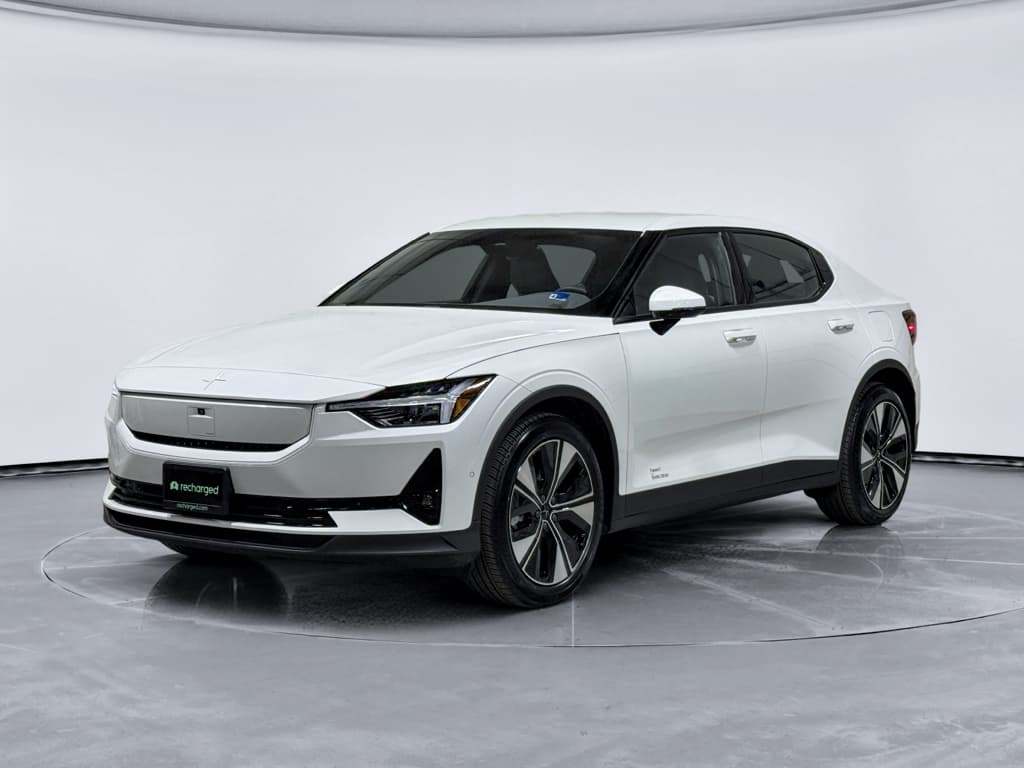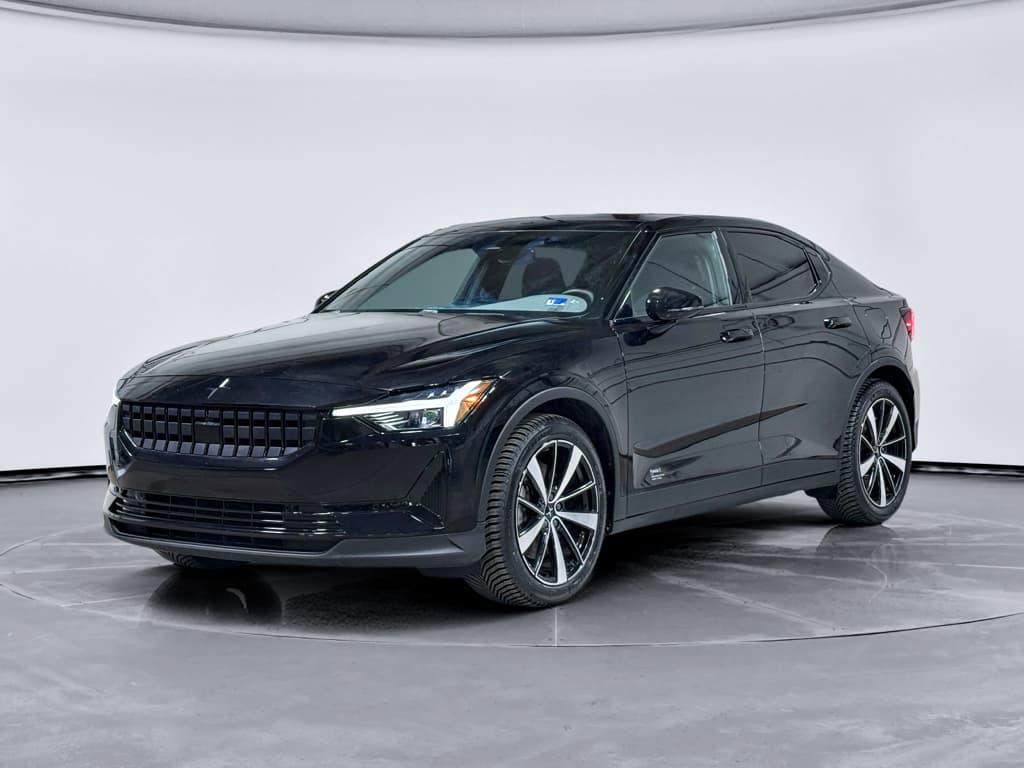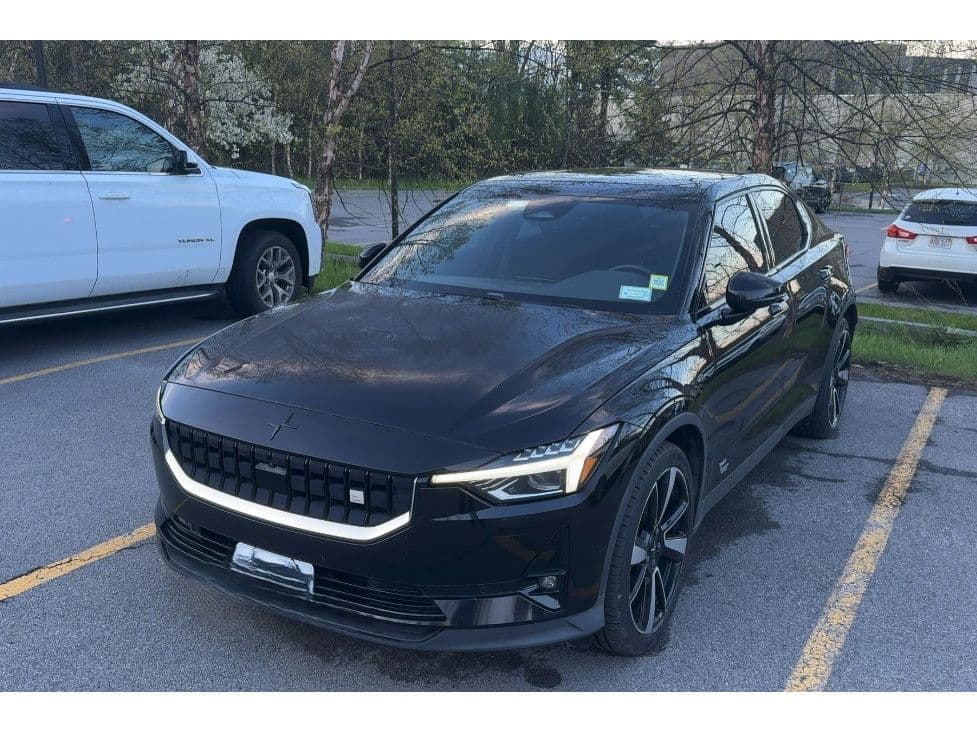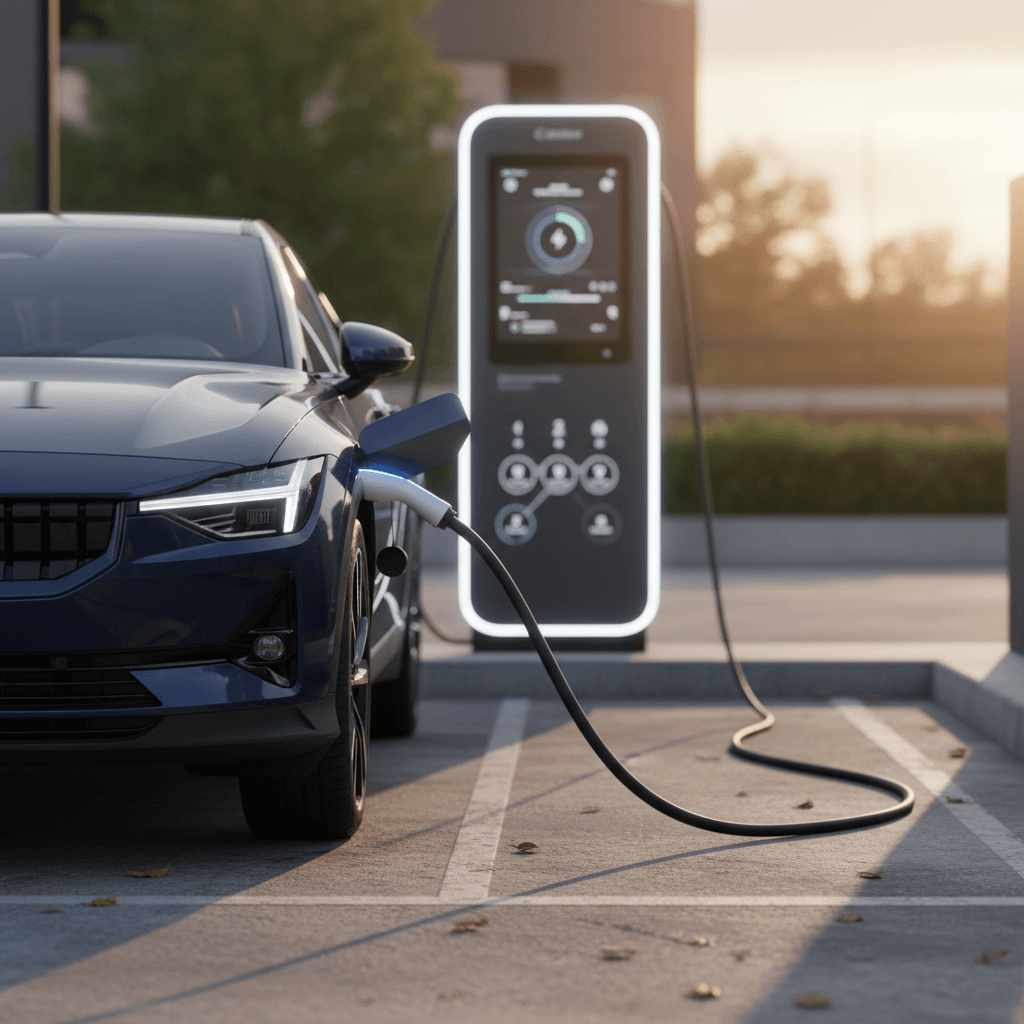
If you’re driving, or shopping for, a Polestar 2, charging speed is as important as horsepower. The right charger can turn an overnight top‑up into a quick pit stop, and understanding how the Polestar 2 actually charges (not just the brochure numbers) will make your daily life and road trips a lot smoother. This Polestar 2 charging speed guide breaks down home and DC fast charging in plain English so you know what to expect from 0–100% and, more realistically, 10–80%.
At a glance: Polestar 2 charging
Why Polestar 2 charging speed matters
On paper, the Polestar 2’s DC fast‑charging peaks, around 135–205 kW depending on year and variant, sound impressive. In real life, what matters is **how long you’re parked at the charger** and how often you need to stop. Daily commuting is all about convenient home charging, while road trips live or die on 10–80% times and how quickly the power tapers off as the battery fills.
- Daily driving: Can you recover your weekday miles overnight on Level 2?
- Road trips: How many minutes will you spend at DC fast chargers between 10–80%?
- Battery health: Are you charging in ways that keep degradation in check over years of ownership?
- Used shopping: Is an older Polestar 2 still charging as quickly as it should?
Think in minutes, not kilowatts
Polestar 2 battery packs, connectors and max charging power
Before we talk charging speeds, you need to know which Polestar 2 you’re dealing with. Over the years, Polestar has offered two main battery sizes and several powertrain configs, but charging hardware has stayed pleasantly simple.
Polestar 2 battery & charging quick specs
Most U.S. cars fall into one of these buckets
Standard Range Single Motor
- Battery: ~69–70 kWh gross (~64 kWh usable)
- AC charging: up to 11 kW
- DC fast‑charge peak: ~135–170 kW depending on year
Long Range Single Motor
- Battery: 82 kWh gross (~78 kWh usable)
- AC charging: up to 11 kW
- DC fast‑charge peak: up to ~180–205 kW on recent models
Long Range Dual Motor
- Battery: 78–82 kWh depending on year/market
- AC charging: up to 11 kW
- DC fast‑charge peak: about 150–155 kW (earlier) up to ~180 kW (recent)
Polestar 2 charging connectors & basics
No matter which battery or motor setup you choose, the ports are the same in North America.
| Charging type | Connector on car | Typical power | What it’s best for |
|---|---|---|---|
| Level 1 (120V home outlet) | J1772 (AC) | 1–1.4 kW | Emergency use or very light daily miles |
| Level 2 (240V home/public) | J1772 (AC) | 3.3–11 kW (car is capped at 11 kW) | Overnight charging at home or long parking sessions in public |
| DC fast charging | CCS combo (CCS1) | 50–200+ kW depending on station & car | Road trips and quick top‑ups from low state of charge |
All U.S. Polestar 2 models use CCS for DC fast charging and a J1772-style inlet for Level 1 and Level 2 AC.
Don’t chase 22 kW AC wallboxes
Polestar 2 home charging speeds: Level 1 vs Level 2
At home, the Polestar 2 is limited by its **11 kW onboard AC charger**. Think of that as the size of the funnel the car uses to drink power from any Level 2 station. Even if the wallbox is “50 amps” or “19.2 kW,” the car will tap out around 11 kW.
Typical overnight charging with a Polestar 2
Approximate Polestar 2 home charging times
Numbers below assume ideal conditions, no heavy cabin heating while charging, and the full onboard 11 kW available when noted.
| Battery & method | Power into car | 0–100% time | Good for |
|---|---|---|---|
| Standard Range – Level 1 (120V, 12A) | ~1.4 kW | ~60–65 hours | Occasional drivers, emergency use |
| Long Range – Level 1 (120V, 12A) | ~1.4 kW | ~70+ hours | Not recommended as primary charging |
| Standard Range – Level 2 (240V, 16A) | ~3.3 kW | ~20–21 hours | Apartments/condos with limited power |
| Long Range – Level 2 (240V, 32A) | ~7 kW | ~11–12 hours | Overnight charging for most owners |
| Any Polestar 2 – Level 2 (240V, 48A) | Up to 11 kW | ~7–8 hours | Fastest practical home charging, great for heavy drivers |
Real‑world times will vary with temperature, shared circuits, and how full the battery already is.
Aim for a 40A or 48A Level 2
Polestar 2 DC fast charging speeds and 10–80% times
On road trips, DC fast charging is where the Polestar 2 earns its keep. Official manuals reference **10–80% in the mid‑30‑minute range** on a high‑power DC station, but your result depends on battery size, state of charge, temperature, and charger quality.
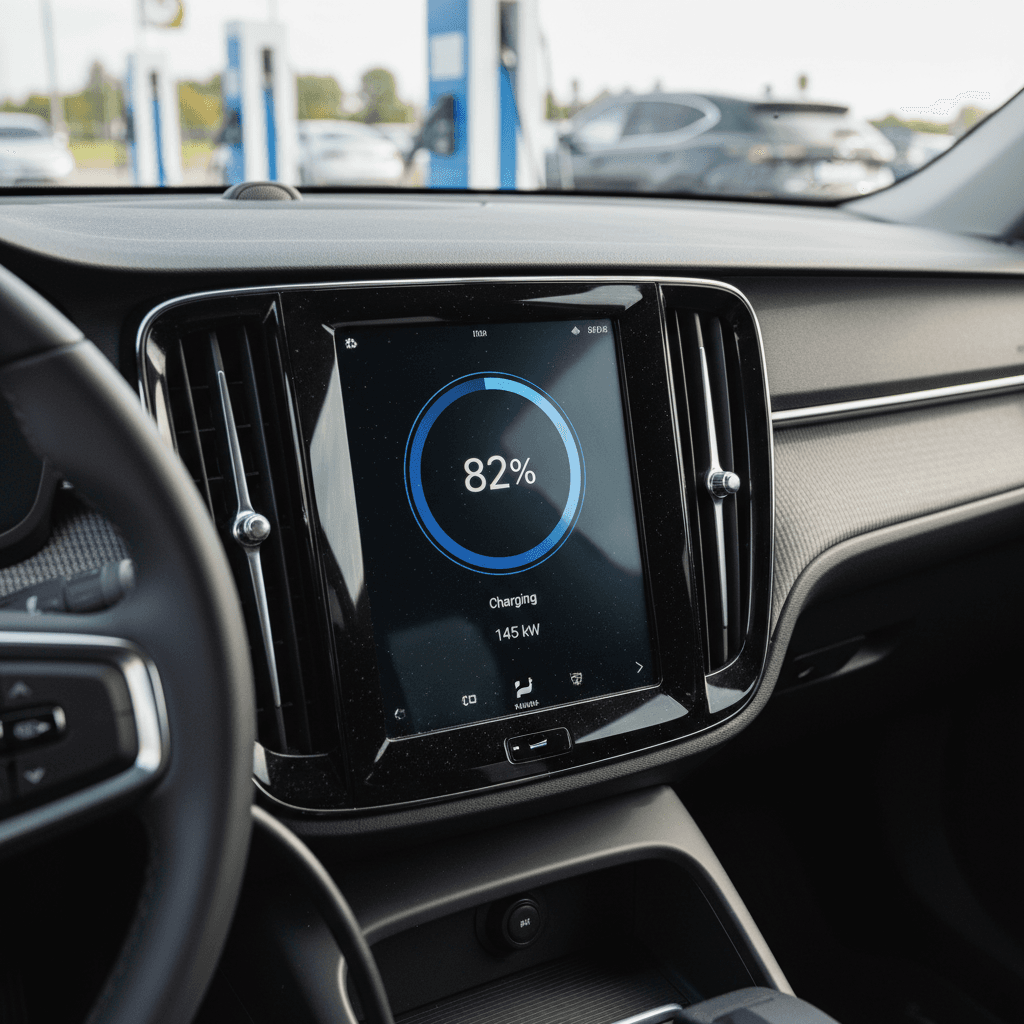
Typical Polestar 2 DC fast charging times (10–80%)
Approximate real‑world figures based on manufacturer data and independent testing for recent model years.
| Variant | Max DC peak (kW) | 10–80% time (ideal conditions) | Notes |
|---|---|---|---|
| Standard Range Single Motor (~69–70 kWh) | ~135–170 kW | ~28–35 minutes | Smaller pack, so 10–80% is quicker in minutes. |
| Long Range Single Motor (82 kWh) | up to ~180–205 kW | ~30–35 minutes | Higher peak power but more energy to add. |
| Long Range Dual Motor (78–82 kWh) | ~150–180 kW | ~32–36 minutes | Similar times; extra motor doesn’t affect charge speed much. |
| Any Polestar 2 on a 50 kW DC charger | ~45–50 kW sustained | ~60–70 minutes | Common at older highway sites and some dealerships. |
Use these as planning numbers; individual sessions will vary with weather and charger behavior.
Temperature matters more than logo
Understanding the Polestar 2 charging curve
Like every modern EV, the Polestar 2 does **not** charge at its peak kW from 0–100%. Instead, it follows a charging curve, starting high when the battery is low, then tapering off as it fills to protect battery health. That’s why you’ll see people talk about “charging to 80%” on road trips instead of waiting for a full charge.
The fast part: roughly 10–60%
Arrive at a DC fast charger with 10–20% remaining and a warmed‑up battery, and your Polestar 2 can often hit triple‑digit kW figures early in the session. For many owners, the sweet spot is to charge from about 10% to 60–70%, you spend less time in the slow‑taper zone and more time driving.
The slow part: roughly 70–100%
Past 70–80%, the car progressively reduces power to avoid stressing the battery. That last 20–30% can take as long as the first 50%. Unless you truly need every mile, think remote charging deserts, it’s usually smarter to unplug around 70–80% and get back on the road.
Why staying to 100% can feel painfully slow
How to charge your Polestar 2 faster in real life
You can’t hack physics, but you can stack the deck in your favor. A few simple habits will make your Polestar 2 feel like a much faster‑charging car, especially on long drives.
Polestar 2 fast-charging playbook
1. Arrive low, not empty
Target 10–20% state of charge when you reach a DC fast charger. Show up at 50–60% and the car will already be deep into its taper, making the stop less efficient.
2. Precondition the battery
Use Google Maps in the car to set the fast charger as your destination. The Polestar 2 will precondition the battery so it’s closer to the ideal temperature when you plug in, especially important in winter.
3. Avoid sharing power cabinets
Many “350 kW” units share power between two stalls. If the next stall is occupied, your Polestar 2 may never see its best speeds. When you can, pick a stand‑alone unit or one with both posts free.
4. Stop at 70–80% on trips
On road trips, unplug once you’ve added the range you need to reach the next charger with a buffer. Sitting through the slow climb from 80–100% rarely pays off unless chargers are very far apart.
5. Don’t obsess over chasing 200 kW
Your screen might flash big numbers for a moment, but the average power over the whole session is what matters. A steady 110–130 kW from 10–60% can be a terrific real‑world result.
6. Use AC for daily charging
Save DC fast charging for trips and unusual days. Regular Level 2 home charging is easier on the battery and usually cheaper, especially if you have off‑peak rates.
Road‑trip ready
Charging considerations for used Polestar 2 buyers
If you’re eyeing a used Polestar 2, charging behavior is one of the best windows into how the car has been treated and how healthy the battery is. Most cars will have seen a mix of Level 2 and occasional DC fast charging; that’s normal. What you want to avoid are cars that charge strangely slowly or inconsistently for their state of charge and temperature.
What to look for in a used Polestar 2’s charging behavior
These clues tell you how the battery and charging hardware are doing
Healthy signs
- On Level 2, car pulls 7–11 kW depending on circuit.
- On DC fast, hits strong power (80–150+ kW) when warm and low on charge.
- Charging curve looks smooth, no sudden drops to near‑zero unless the session is ending.
- Range estimates are consistent with other Polestar 2s of the same year and battery.
Red flags
- Car struggles to go above 3–4 kW on Level 2 with a known‑good charger.
- DC fast sessions barely exceed 40–50 kW even at low state of charge and moderate temps.
- Frequent charge errors or aborted sessions across multiple networks.
- Range way below typical for the model, even with gentle driving.
Don’t ignore persistent charge errors
Every EV Recharged lists comes with a Recharged Score Report that includes verified battery health and a charging‑system check. That means you’re not guessing about how a used Polestar 2 has been treated, you’re looking at real data from our diagnostics and road testing.
Recommended home charging setup for a Polestar 2
You don’t need an exotic setup to keep a Polestar 2 happy at home, but you do want a properly installed 240V circuit and a quality Level 2 charger. Think of it as your personal fuel station that silently refills the car while you sleep.
Polestar 2 home charging checklist
Confirm you have (or can add) 240V
Ask an electrician about adding a 240V circuit (often a NEMA 14‑50 or hardwired line) near your parking spot. Many homes can support at least a 40A charger without a service upgrade.
Choose a 40–48A Level 2 charger
Pick a reputable Level 2 unit rated for 40A or 48A continuous use. Your Polestar 2 will draw up to 11 kW from it today, and you’ll be ready for a future EV with similar needs.
Mount close to your charge port
The Polestar 2’s charge port is on the left rear corner. Mounting the charger near that corner, or using a longer cable, keeps daily plugging in painless.
Use scheduled charging if rates vary
If your utility offers cheaper off‑peak rates, set the Polestar 2 to start charging overnight. You’ll pay less per kWh without changing your routine.
Plan for guests and future EVs
If you’re already calling an electrician, think ahead. A slightly beefier circuit or flexible panel upgrade today is cheaper than re‑doing everything in a few years.
Document the install for resale
A clean, permitted Level 2 install is a selling point. Keep receipts and permit paperwork; buyers love seeing a turnkey home‑charging setup ready for their Polestar 2, or any other EV.
Home charging boosts resale value
Ready to find your next EV?
Browse VehiclesPolestar 2 charging speed FAQ
Frequently asked questions about Polestar 2 charging
Bottom line: Is Polestar 2 charging speed good enough?
For most drivers, the Polestar 2’s charging speeds are more than up to the job. An 11 kW onboard charger makes overnight Level 2 a non‑event, and 10–80% DC fast‑charge times in the low‑30‑minute range are right in step with other premium compact EVs. The key is learning to work with the charging curve, arriving low, preconditioning the battery, and unplugging around 70–80% on the road.
If you’re shopping used, pay as much attention to how a Polestar 2 charges as how it accelerates. Healthy charging speeds, clean DC fast‑charging behavior, and a verified battery‑health report are what separate a good deal from an expensive experiment. Recharged was built to make that process simple and transparent, with Recharged Score diagnostics, fair pricing, financing, and nationwide delivery if you find your Polestar 2 match online. However you buy, understanding this charging speed guide will help you get the most out of every kilowatt.