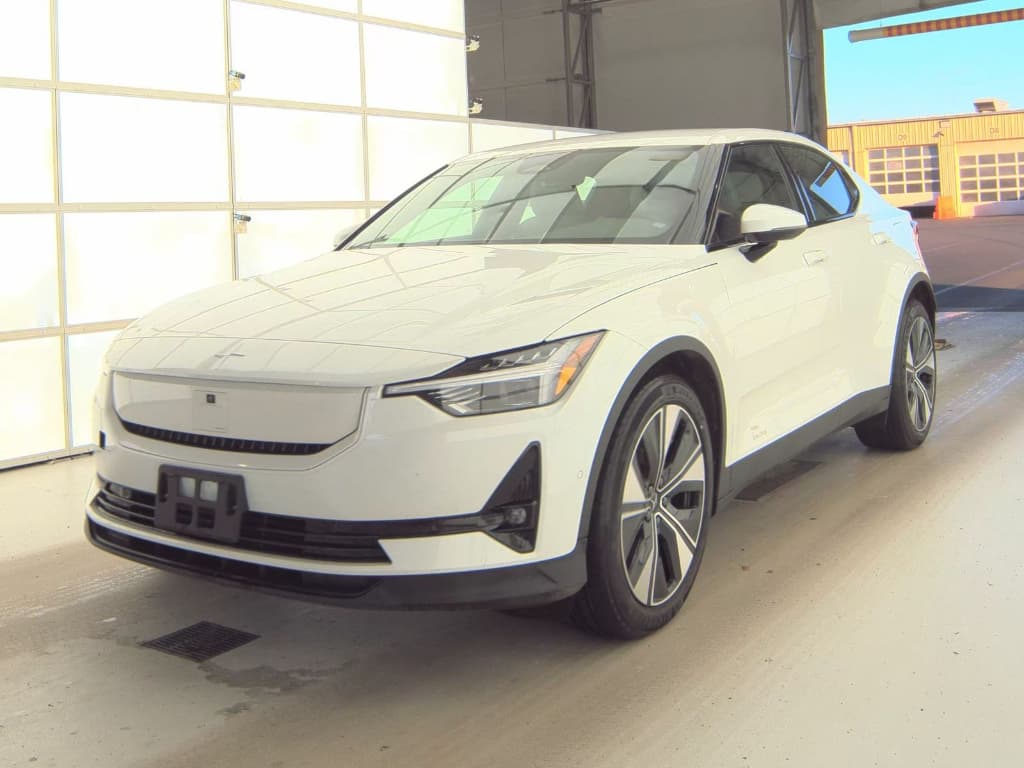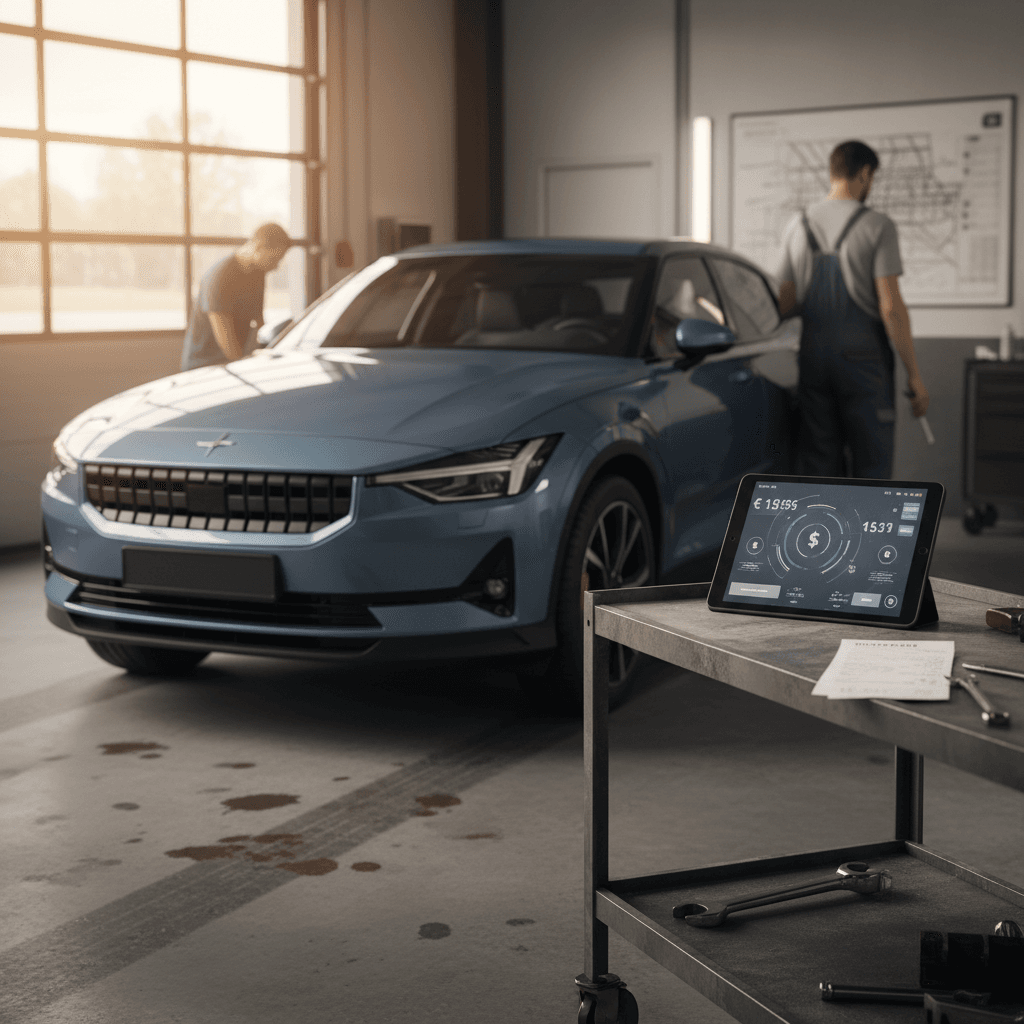
If you’re eyeing a Polestar 2, or already have one in the driveway, the next logical question is what it costs to keep it happy year after year. The good news: **Polestar 2 annual maintenance cost** is dramatically lower than a comparable gas luxury sedan, thanks to a simple 2‑year/20,000‑mile service schedule and far fewer moving parts.
Quick context
Polestar 2 maintenance cost at a glance
Typical Polestar 2 annual maintenance ranges
Those ranges reflect real‑world U.S. pricing from Polestar service centers and EV‑specialist shops as of 2025–2026, plus what we’ve seen owners report in expensive labor markets like the Bay Area versus lower‑cost regions. Importantly, they **exclude** accident repairs and warranty work; we’re just talking about routine maintenance and wear items.
How the Polestar 2 service schedule works
Polestar keeps things simple: the official guidance for the Polestar 2 is a **scheduled service every 20,000 miles or 2 years**, whichever comes first. The car will prompt you on the driver display and in the app as you get close to that mark. If you drive a lot, you’ll hit 20,000 miles first; if you’re a low‑mileage commuter, you’ll see the 2‑year reminder even if you’ve only done 12,000 miles.
- 0–20,000 miles / up to 2 years: cabin air filter, wiper blades, tire rotation (if needed), comprehensive inspection and software/diagnostic checks.
- 20,000–40,000 miles / years 2–4: repeat of the above plus **brake‑fluid change** at roughly the 2‑year mark.
- Around 40,000 miles / years 4–5: inspection of battery coolant and thermal system; some shops will recommend a coolant service then if conditions call for it.
- Ongoing: tires, alignments, and the occasional small repair (glass, sensors, suspension bushings) based on use, not a calendar.
Warranty and leases
What you’ll spend per year on Polestar 2 maintenance
Even though Polestar 2 services happen every 2 years, most owners think in annual terms. The easiest way to budget is to spread the cost of that 2‑year visit, and any wear items, over the miles you’ll drive.
Typical annual Polestar 2 maintenance costs (U.S.)
Approximate yearly costs assuming 10,000–15,000 miles per year in mixed driving. These are ballpark numbers, not quotes.
| Service item | Low (DIY/independent) | Average (dealer mix) | High (premium dealer) |
|---|---|---|---|
| Annualized basic service (inspection, software, fluids, filters) | $120 | $250 | $450 |
| Brake‑fluid change (every 2 years, annualized) | $40 | $60 | $90 |
| Cabin filter & wipers | $20 | $40 | $70 |
| Battery coolant/thermal check (multi‑year, annualized) | $30 | $60 | $90 |
| Tire rotation & balance | $30 | $60 | $120 |
Dealer pricing usually lives in the “Average” to “High” columns; independent EV shops and DIY sit at the “Low” end.
Add those pieces together and the **typical Polestar 2 annual maintenance cost** lands in the **$250–$500** band for most U.S. drivers, before you factor in big‑ticket items like a new set of tires.
Think in 3‑year chunks
Sample annual budgets by driving style
How your driving style changes Polestar 2 maintenance cost
Same car, very different budgets depending on miles, climate and habits.
City commuter
Profile: 8,000–10,000 miles per year, mostly city/suburban, moderate climate.
- 20,000‑mile service about every 2–2.5 years
- Brake wear is light thanks to regen
- May age out brake fluid by time, not miles
Annual budget: roughly $200–$350 excluding tires.
High‑mileage highway driver
Profile: 15,000–20,000+ miles per year, frequent road trips.
- Hits 20,000‑mile service every 12–16 months
- More frequent tire and alignment work
- Higher chance of glass/rock‑chip repairs
Annual budget: roughly $350–$700 plus tires.
Harsh‑climate owner
Profile: Snowbelt driver with winter tires, salty roads, and big temperature swings.
- Extra tire swaps and balancing
- Rust‑belt brake service can show up sooner
- Cabin filters clog faster in dusty, dirty areas
Annual budget: roughly $400–$800+ depending on tires and corrosion‑related work.
Big-ticket items: tires, brakes and battery coolant
Routine inspections and fluid checks are the easy part of Polestar 2 ownership. The real money shows up in **tires, brakes and, eventually, battery thermal system service**. Plan for these ahead of time and your annual cost estimates will be much more realistic.
- Tires: The Polestar 2 is heavy and torquey. Many owners see 20,000–30,000 miles out of a set of performance tires. Expect **$900–$1,400** for four quality tires mounted and balanced, plus $100–$200 for an alignment.
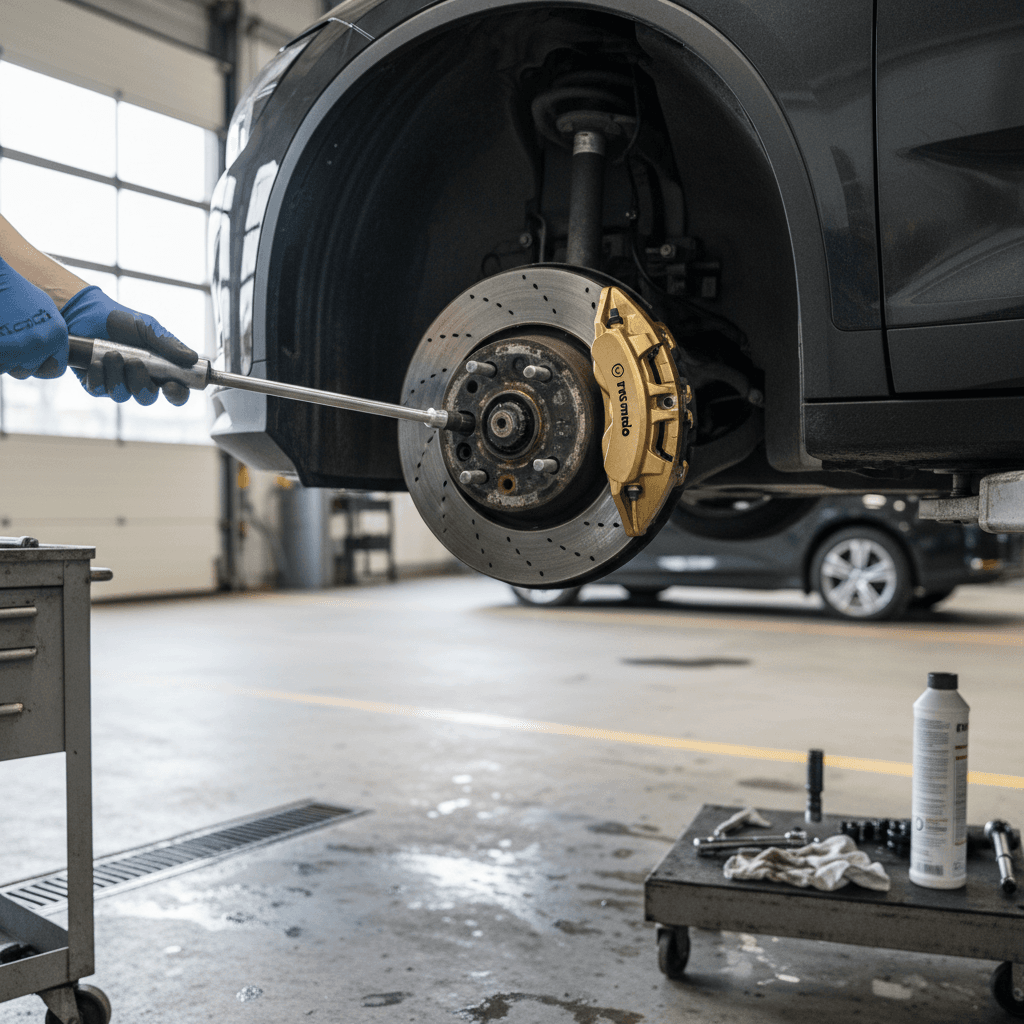
- Brake pads and rotors: Regenerative braking means brake hardware can last 60,000–100,000+ miles in normal use. When the time comes, a full axle’s worth of pads and rotors can run **$400–$900** depending on parts and labor rates.
- Brake fluid: Plan on a flush roughly every 2 years; most shops quote **$120–$200** in the U.S. It’s not unique to EVs, but it’s critical for safety.
- Battery coolant / thermal system: The coolant itself isn’t something you change every year. Shops typically inspect at 20,000‑mile visits and may recommend a service closer to 40,000 miles or later, in the **$150–$300** range when needed.
Don’t cheap out on tires
Buying a used Polestar 2: how maintenance changes the math
Shopping used is where maintenance history really starts to matter. Early U.S. Polestar 2s often came with **complimentary scheduled service for the first 3 years/30,000 miles**, which means some first owners barely opened their wallets for maintenance. As those cars age out of freebies and warranties, the next owner inherits whatever has, or hasn’t, been done.
Questions to ask about any used Polestar 2
- Has the 20,000‑mile / 2‑year service been completed and documented?
- When was the last brake‑fluid change?
- What’s the tread depth and age of the **current tires**?
- Any records of software or recall work at a Polestar service point?
Answers to those questions tell you whether you’re walking into a catch‑up year with higher‑than‑average costs.
How Recharged helps you budget honestly
Every used EV we sell comes with a Recharged Score Report. For a Polestar 2, that includes:
- Quantified battery health and thermal‑system checks
- Tire and brake measurements with remaining life estimates
- Any stored trouble codes or open campaign work
That way, your first year of maintenance isn’t a mystery line item, it’s part of the decision up front.
Used Polestar 2 sweet spot
How to save on Polestar 2 maintenance
Practical ways to trim your Polestar 2 annual maintenance cost
1. Separate tires from dealer service
You don’t have to buy tires from the Polestar retailer. Tire chains and independent shops can often save you hundreds on a set, as long as they understand EV weight and load ratings.
2. Use an EV‑savvy independent shop
Once you’re out of warranty, a good independent EV shop can handle cabin filters, brake fluid, alignments and basic repairs at lower labor rates than many luxury dealers.
3. DIY the simple stuff
If you’re handy, items like the **cabin air filter** and wiper blades are straightforward DIY jobs using online tutorials and OE‑quality parts.
4. Rotate tires on schedule
Staying on top of rotations, typically every 6,000–8,000 miles, can stretch tire life and keep wear more even, saving money over the course of ownership.
5. Watch alignment after pothole season
A quick alignment check after a hard winter or pothole hit can prevent chewing through an expensive set of tires in 15,000 miles.
6. Time service with software or recall visits
If you’re already headed to a Polestar service point for a software update or campaign, ask them to fold in any upcoming maintenance to avoid multiple trips.
When the dealer matters, and when it doesn’t
Because the Polestar 2 is software‑heavy and still relatively new, there are times when an authorized Polestar service center is the right or only answer. But there are also tasks that don’t require the dealer’s billing rate at all.
Best handled by a Polestar service point
- In‑warranty concerns or warning lights
- High‑voltage battery or inverter faults
- Complex software or connectivity problems
- Structural or advanced driver‑assist system repairs
For anything that touches the high‑voltage system, stick with the experts.
Often fine at an independent shop
- Tires, wheels and alignments
- Brake‑fluid flushes and pad/rotor replacement
- Cabin filters, wipers, some suspension work
- Basic diagnostics outside of warranty
Just be sure the shop is comfortable with EVs and follows torque specs, this is still a 4,500‑plus‑pound performance car.
Factor in travel time
FAQ: Polestar 2 annual maintenance cost
Frequently asked questions about Polestar 2 maintenance costs
Bottom line: is Polestar 2 maintenance expensive?
When you spread the real‑world numbers across a few years, the Polestar 2 slots firmly into the "pleasant surprise" column. Annual maintenance costs are predictable, the official schedule is simple, and there’s no anxiety‑inducing list of engine services lurking around 60,000 miles. The wild card is where and how you drive, tires, alignments and travel time to a service point can nudge your budget up or down far more than any line on the factory checklist.
If you’re considering a used Polestar 2, the smartest move is to make those future costs visible before you buy. At Recharged, every vehicle includes a Recharged Score Report with verified battery health and detailed wear‑item measurements, so your first year of ownership doesn’t come with financial surprises. Get clear on the numbers, compare them to what you’d spend on a gas car, and you may find that the Polestar 2’s blend of performance and low maintenance makes it one of the easiest modern EVs to live with.