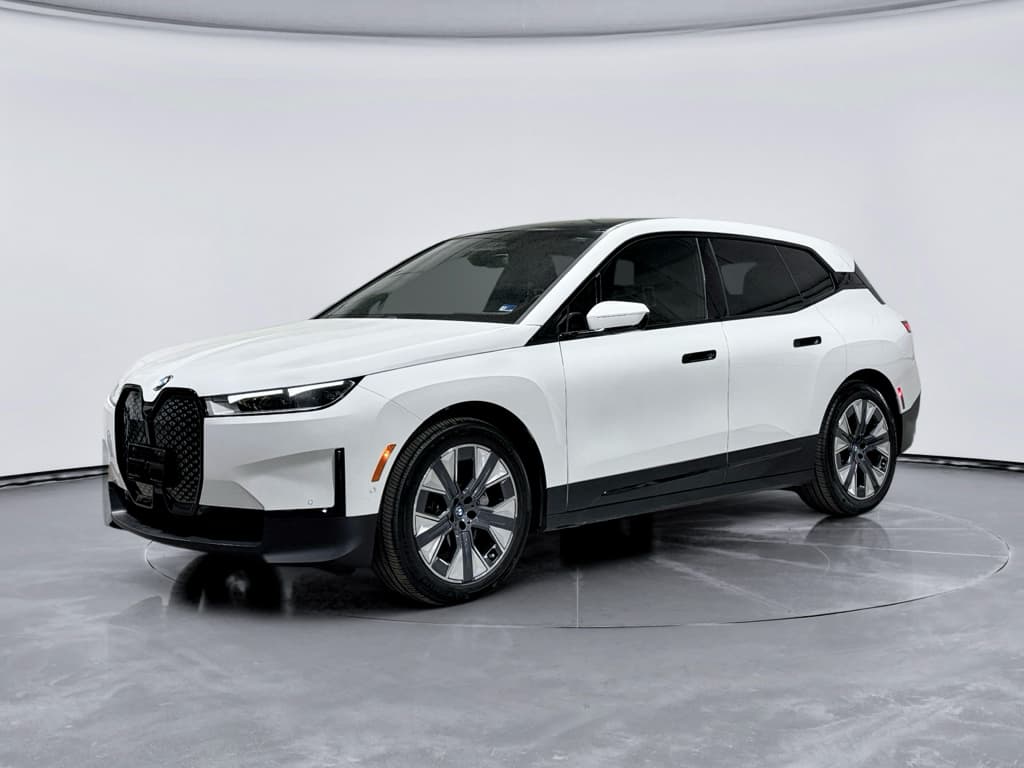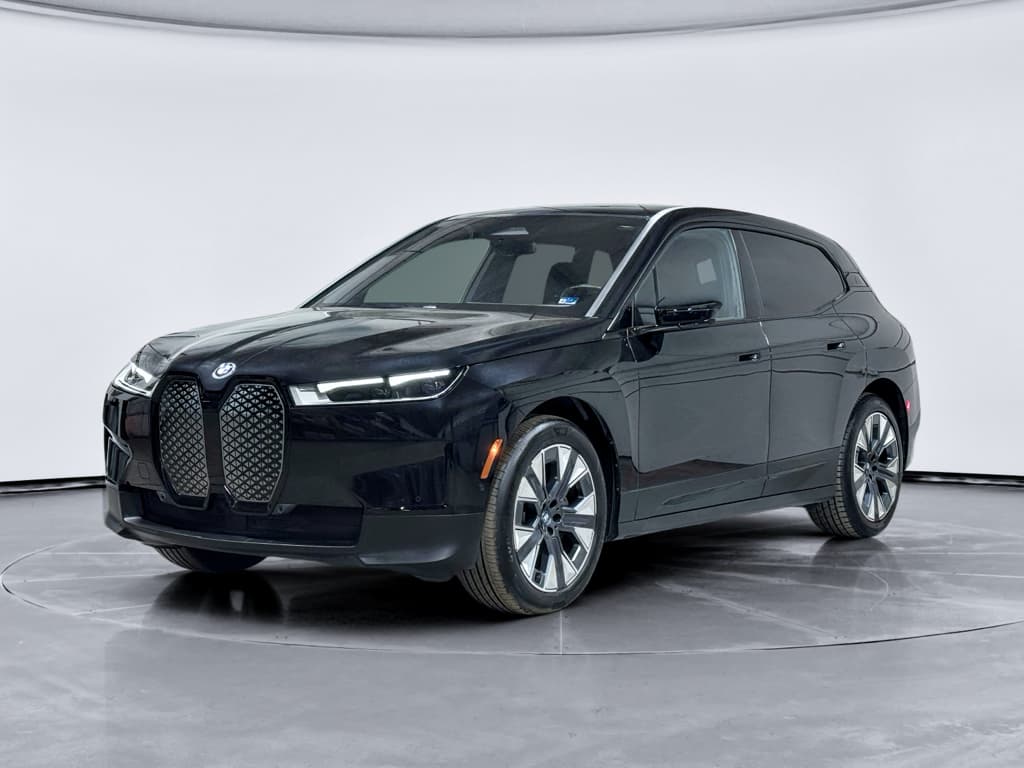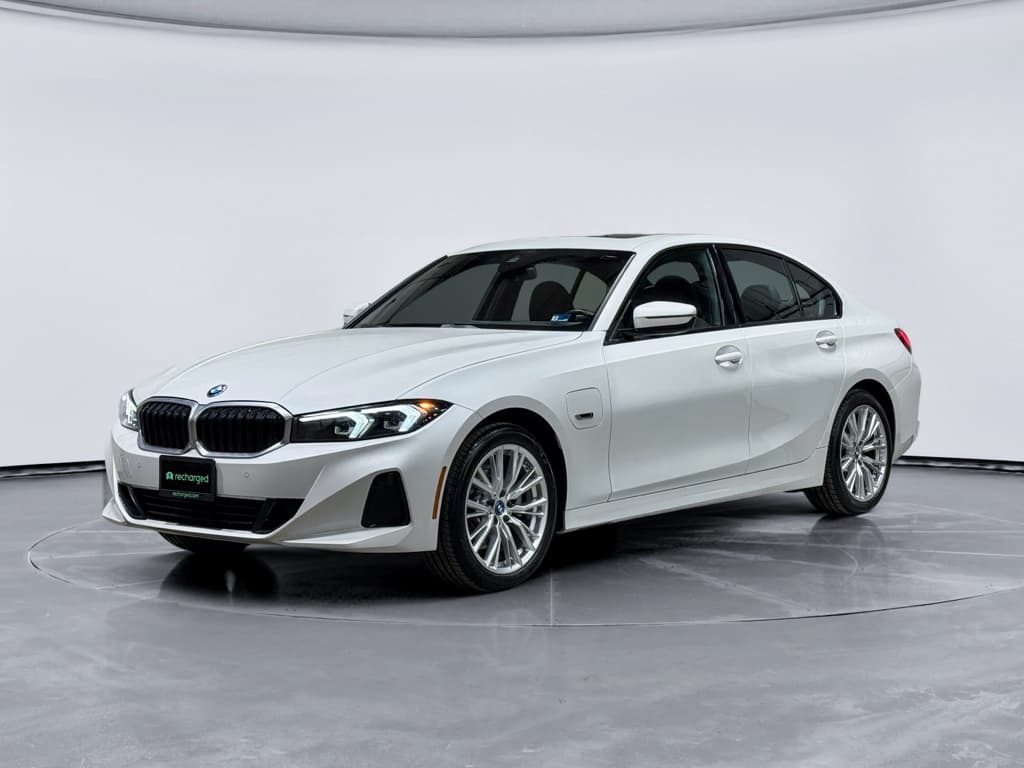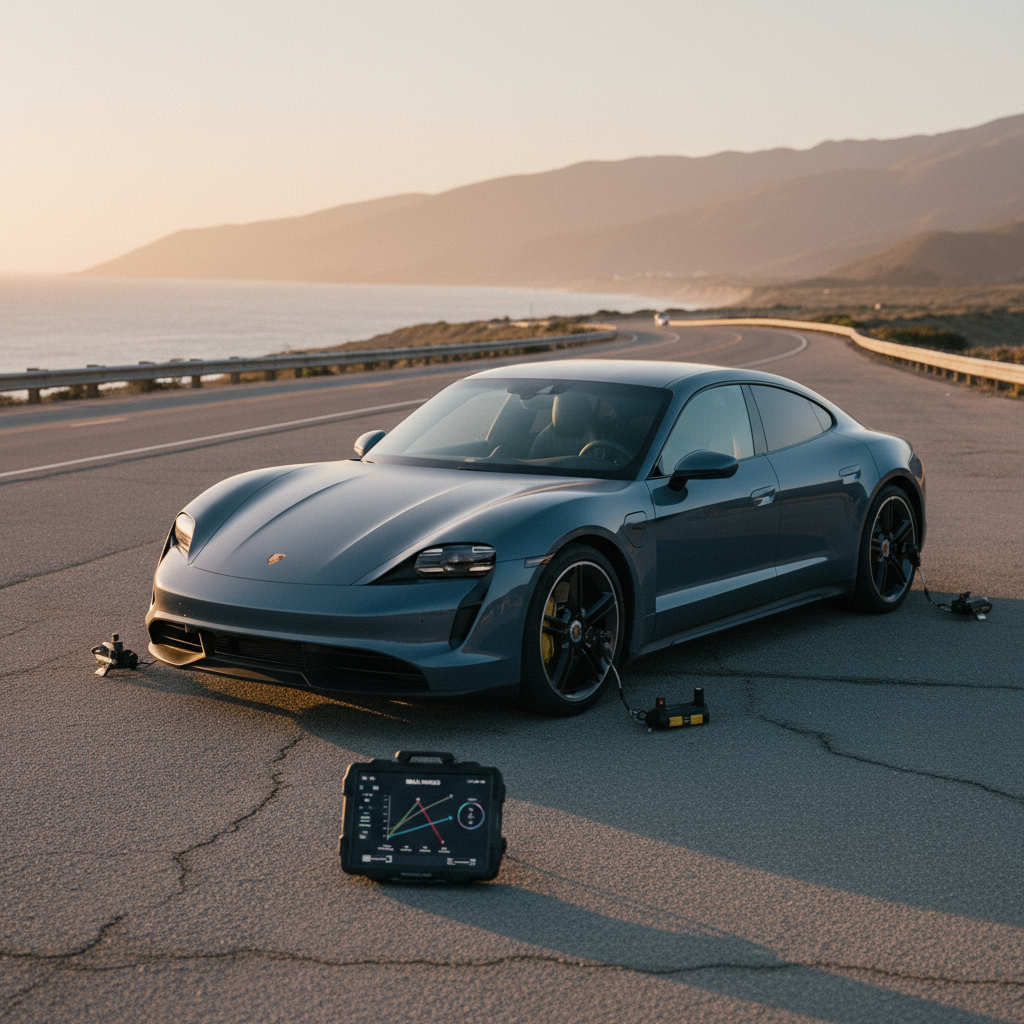
The 2022 BMW i4 is one of the first electric BMWs that genuinely feels like a classic BMW sport sedan, just without the gas. If you’re researching 2022 BMW i4 problems, you’re probably trying to decide whether a used i4 is a smart buy or a headache waiting to happen. The reality lives between those extremes: the i4 is generally a solid EV, but like any first‑model‑year electric, it has patterns of issues you should understand before you sign anything.
Key takeaway
Overview: How Reliable is the 2022 BMW i4?
From a high level, the 2022 BMW i4 has shown above‑average mechanical reliability so far. Its battery pack and electric motors share architecture with other BMW EVs and haven’t produced widespread failure trends. Where most owner complaints cluster is around the “new EV” parts of the car, software updates, infotainment quirks, electronic warning lights, and some charging behavior complaints.
2022 BMW i4 Reliability Snapshot (Early Ownership)
That doesn’t mean you should assume every 2022 i4 is trouble‑free. As with any luxury German car, repair costs can be steep once you’re outside warranty. If you’re looking at a used example, focus on how it’s been maintained, what software version it’s running, and whether any early‑build bugs or recalls have been properly addressed.
Most Common 2022 BMW i4 Problems Reported by Owners
Patterns are more important than one‑off horror stories. Looking across owner reports, forums, and early service data, several recurring 2022 BMW i4 issues emerge:
- Software glitches after over‑the‑air (OTA) updates, frozen screens, lost settings, or buggy driver-assist behavior until a reset
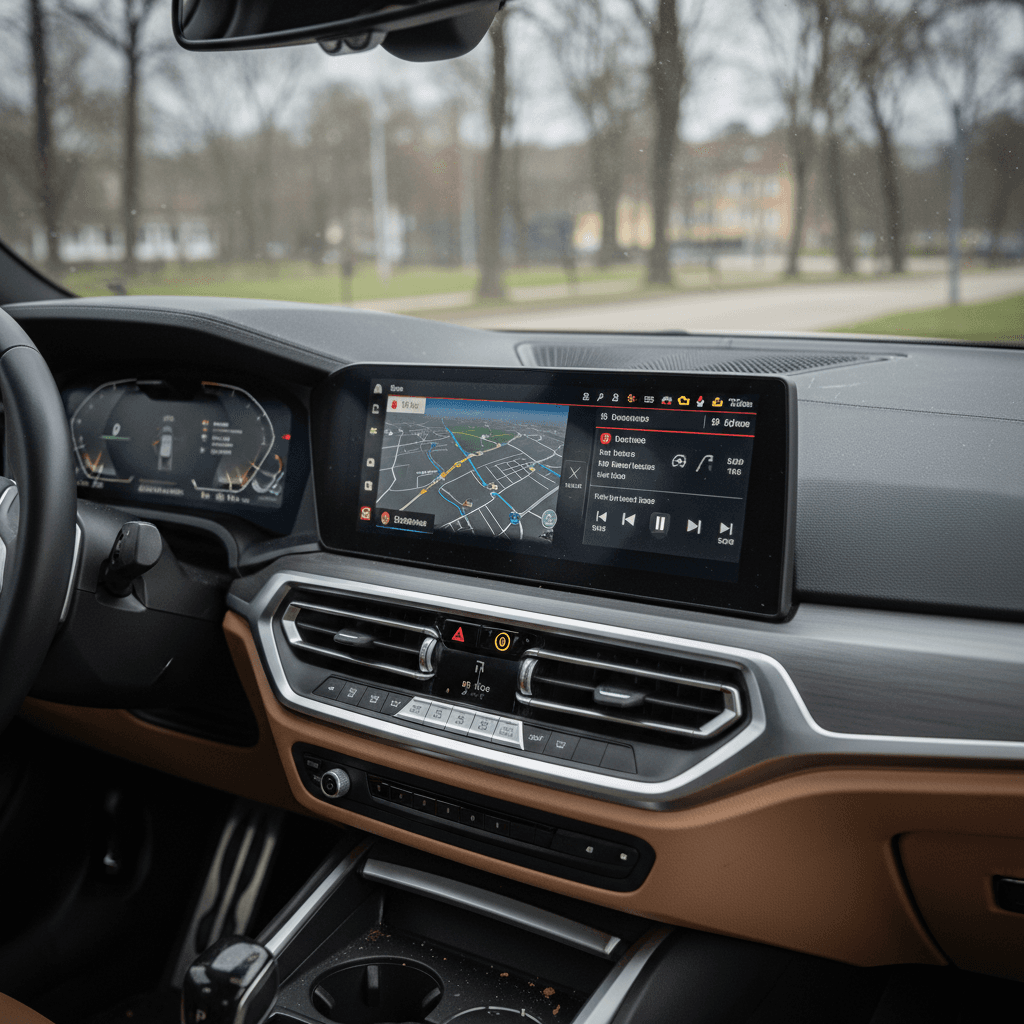
- Infotainment lags and iDrive 8 crashes, especially when running navigation and media simultaneously
- False or intermittent warning lights related to driver-assistance systems, parking sensors, or tire pressure monitoring
- Charge port or charging-session interruptions at certain public fast chargers
- Occasional 12‑volt auxiliary battery problems that can trigger multiple error messages
- Rattles and squeaks from the hatch area or interior trim on rough roads
- Wind noise around mirrors or windows at highway speeds on some early builds
How to interpret owner complaints
Battery Health, Range, and Charging Issues
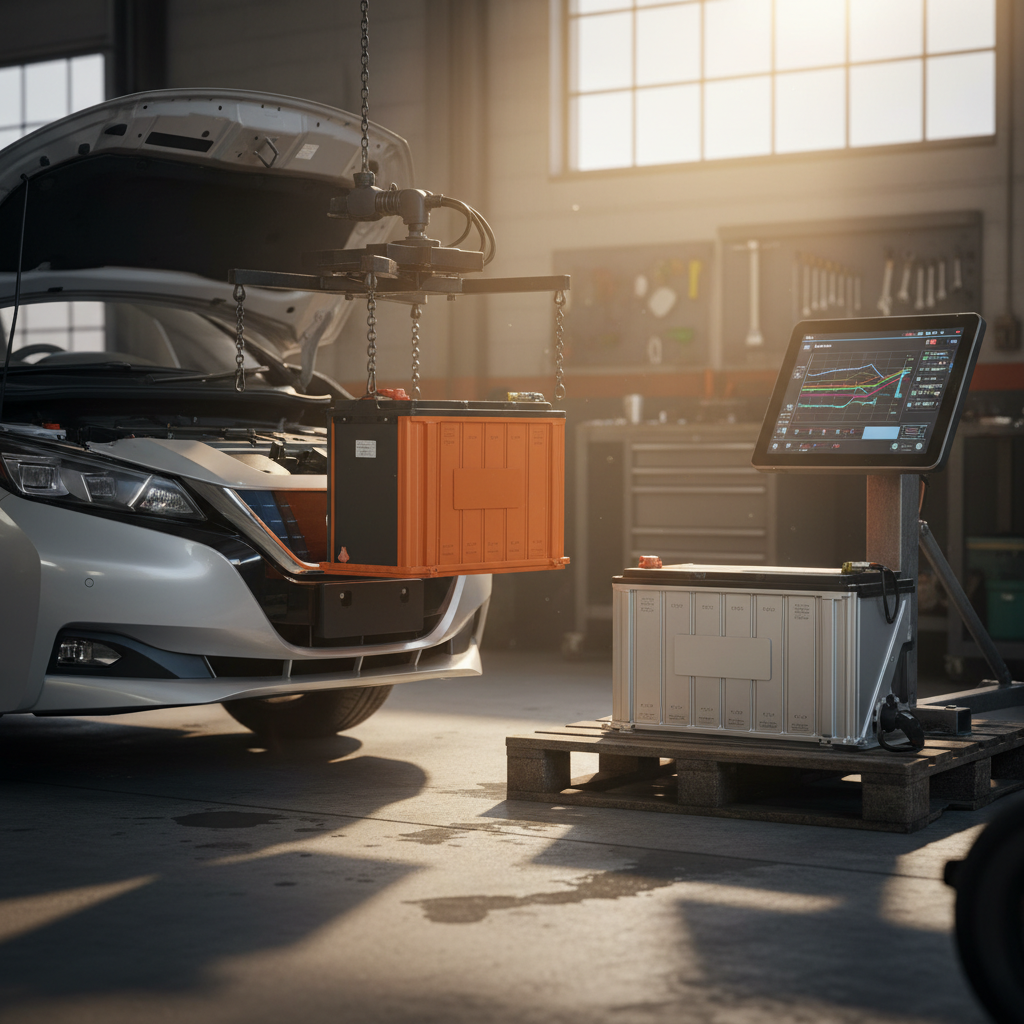
When you’re buying any used EV, the number‑one question is battery health. So far, the 2022 BMW i4 hasn’t shown dramatic, across‑the‑board degradation, but it’s still a relatively young model. You want to evaluate each car individually rather than relying on general reputation.
Typical Battery & Charging Concerns on 2022 BMW i4
Most are manageable, if you know what you’re looking at.
Range Loss vs. Sticker
Fast-Charging Inconsistency
Cold-Weather Range Hit
On a test drive, pay attention to the range estimate versus state of charge. If the car shows, for example, 70% battery and only 120 miles of estimated range in mild weather, something may be off. Ask the seller for charging history, use of DC fast charging, and where the car was primarily driven (hot and cold extremes are tougher on batteries).
Watch out for high fast‑charge use
Software, Infotainment, and Driver-Assist Glitches
BMW’s iDrive 8 system in the 2022 i4 is powerful and sleek, but it’s also complex. That combination can mean teething issues, particularly on early cars that shipped with earlier software builds.
Common Software Symptoms
- Frozen or black infotainment screen until the system reboots.
- Voice control that stops responding or misinterprets commands.
- Wireless Apple CarPlay/Android Auto dropping connection intermittently.
- Driver-assist features (lane keeping, adaptive cruise) temporarily unavailable after a restart or software update.
Why This Matters for You
- Glitches are annoying, but usually fixable via software updates.
- More serious cases can require dealer time and sometimes module replacement.
- On a test drive, cycle through navigation, audio, phone, and driver assist to check for odd behavior.
Ask about software history
Build Quality and Hardware Complaints
Mechanically, the i4 shares a lot with BMW’s gasoline 4 Series, which is well‑proven. But adapting a primarily gas platform for EV duty can introduce its own quirks. The most common physical or hardware complaints on 2022 i4s include:
- Rattles or squeaks from the hatch area, rear seatbacks, or cargo cover, especially on rough pavement
- Occasional water leaks around door seals or the trunk area after heavy rain or car washes
- Wind noise at highway speeds from mirrors, window seals, or the frameless door glass
- Premature wear on run‑flat tires, particularly on M50 models driven enthusiastically
- Loose trim pieces inside (creaky center console, door panels) on some early‑build cars
Simple but telling test
Warranty Coverage and Recall Checklist
A big advantage of shopping a 2022 BMW i4 today is that most examples are still well within factory warranty. That shifts some risk away from you, if you confirm the car is eligible and properly maintained.
Typical 2022 BMW i4 Warranty Coverage (U.S. Spec)
Always verify actual coverage by VIN and in writing before you buy.
| Coverage Type | Typical Term (Miles/Years) | What It Usually Covers |
|---|---|---|
| New Vehicle Limited Warranty | 4 years / 50,000 miles | Most non‑wear components, including major electronics and hardware. |
| High-Voltage Battery Warranty | 8 years / 100,000+ miles | Battery pack and related components, usually against excessive capacity loss or failure. |
| Rust Perforation | 12 years / unlimited miles | Corrosion that creates holes in body panels. |
| Maintenance Plans (if purchased) | Varies | Service items like cabin filters, brake fluid, etc., if a previous owner bought a plan. |
Battery coverage is especially important for long‑term peace of mind.
Beyond standard coverage, you should check the VIN for any open recalls or service campaigns. Early‑build i4s, like many first‑year EVs, may have had campaigns for software revisions, safety system calibration, or charging behavior. A clean record that shows completed campaigns is a plus.
Don’t skip the recall check
What to Check on a Used 2022 BMW i4
If you’re serious about a particular car, you want more than a quick walk‑around. A modern EV is a rolling software platform, and you need to evaluate it that way. Here’s a structured way to do it.
2022 BMW i4 Used-Buy Inspection Checklist
1. Verify Battery Health & Range
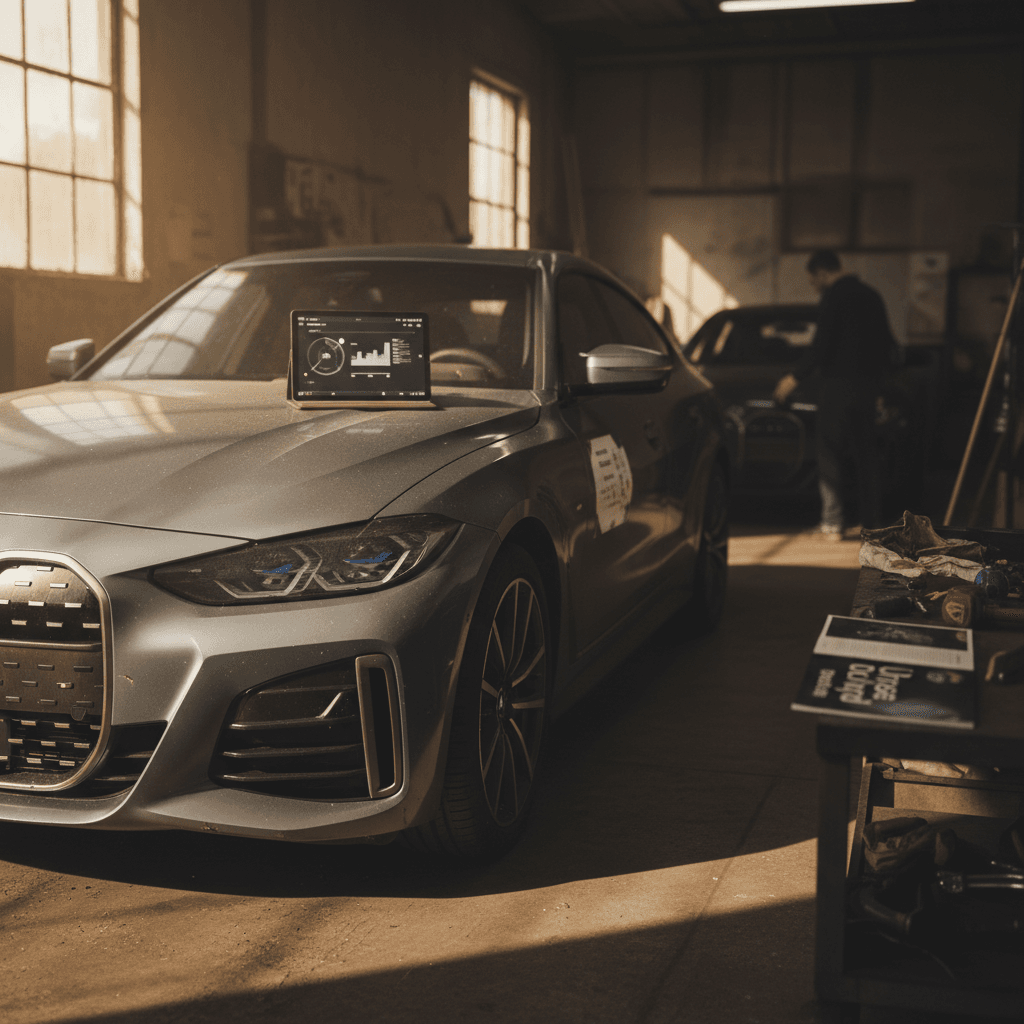
Look at the indicated range at a known state of charge and compare it to EPA ratings for that trim. If possible, review a <strong>third‑party battery health report</strong>, such as a Recharged Score, to see an objective measure of pack capacity.
2. Test DC Fast Charging
If you can, take the car to a DC fast charger. Confirm it connects reliably, ramps up to a reasonable kW figure for its state of charge, and doesn’t randomly drop the session.
3. Stress-Test Infotainment & Apps
Run navigation, Bluetooth audio, and phone mirroring at the same time. Try voice commands and switch drive modes. Watch for freezes, black screens, or repeated error messages.
4. Exercise Driver-Assistance Features
On a safe, marked road, test lane keeping, adaptive cruise, and parking sensors. They should engage smoothly, track consistently, and not throw warning lights afterward.
5. Inspect Tires, Brakes, and Suspension
Uneven tire wear, noisy wheel bearings, or clunky suspension over bumps can signal alignment problems or hard use, especially common on high‑torque EVs like the i4 M50.
6. Review Service History & Campaigns
Ask for service records, including software updates and any recall work. Regular visits and documented fixes are far better than a car that’s rarely seen a service bay.
How Recharged can help
Ready to find your next EV?
Browse VehiclesOwnership Costs: Maintenance and Depreciation
Compared with a gas‑powered 4 Series, the 2022 BMW i4 can save you money on fuel and routine maintenance, but it’s still a premium German car. That means some components and labor rates will be priced accordingly.
Where You Save
- No oil changes, spark plugs, or exhaust work.
- Brake wear is usually slower thanks to strong regenerative braking.
- Electric drivetrains have fewer moving parts than turbocharged gas engines.
- Home charging is typically cheaper per mile than premium gasoline.
Where Costs Can Bite
- Out‑of‑warranty electronics, sensors, and infotainment modules can be expensive.
- Body and trim repairs are priced like the luxury car it is.
- Run‑flat tires and large wheels on M50 trims aren’t cheap to replace.
- Dealer hourly rates for BMW EV diagnostics can be higher than mainstream brands.
Budget for a cushion
Should You Buy a Used 2022 BMW i4?
If you want a comfortable, fast, and genuinely premium electric sedan, a well‑vetted 2022 BMW i4 can be a very compelling choice. Its most common issues, software gremlins, minor build‑quality complaints, and some charging quirks, are annoying but rarely catastrophic. The high‑voltage battery and drivetrain, which are the wallet‑busters on any EV, have so far avoided widespread problem patterns.
The 2022 model year does carry the usual first‑year caveats: early production cars may have more software updates behind them and a longer list of minor fixes. That’s not a reason to walk away, but it is a reason to insist on strong documentation and a clear picture of battery health.
The bottom line: don’t let internet horror stories scare you away, but don’t buy on faith, either. If you combine a thorough inspection, a verified battery health report, and a realistic budget for out‑of‑warranty repairs, the 2022 BMW i4 can deliver exactly what it promises, a modern, fun‑to‑drive BMW that just happens to plug in instead of fill up. And if you’d rather not decode all of this on your own, shopping through Recharged means you’ll see transparent condition data, battery diagnostics, and expert EV support from first click to final delivery.