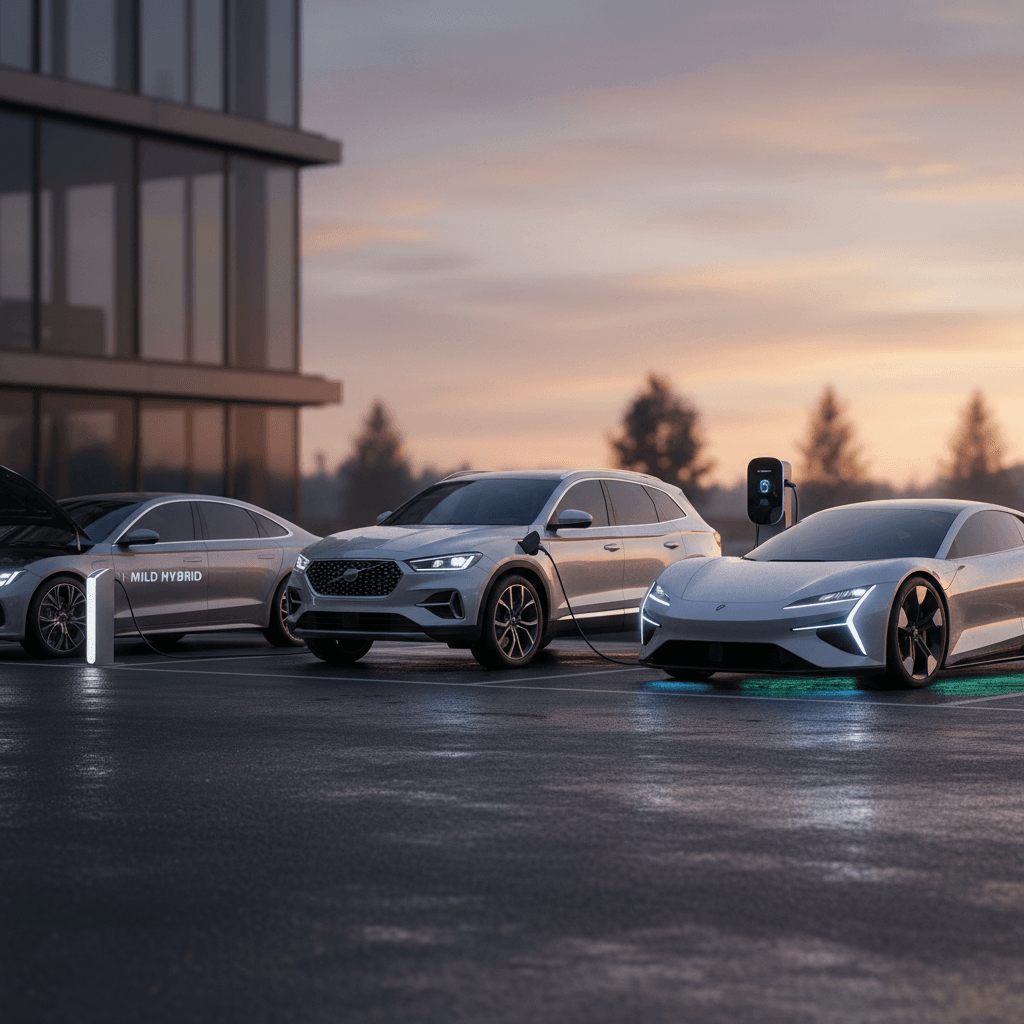
Shopping for plug in hybrid cars for sale can feel like standing in two worlds at once: you want the gas safety net, but you’re curious about going electric. In 2025, plug-in hybrids (PHEVs) sit right between conventional cars and full battery-electric vehicles, and the choices, new and used, have never been broader. The key is deciding whether a PHEV really fits your life better than a used EV, and what to watch for before you sign anything.
Quick definition
Why people search “plug in hybrid cars for sale”
Three common reasons shoppers pick PHEVs
If these sound like you, you’re in the right place.
You drive unpredictable distances
You might commute 15 miles on weekdays but road-trip a few times a month. A PHEV lets you do most local driving on electricity but lean on gas when plans change.
Gas anxiety > range anxiety
If you’re more nervous about finding chargers than paying for fuel, a PHEV feels safer. You’ll still cut fuel use sharply compared with a gas car.
You can’t fully commit to EV yet
Apartment parking, limited charging, or uncertainty about long-term plans? A plug-in hybrid can be a transition step while infrastructure and your life catch up.
Before you filter every listing site for plug-in hybrids, it helps to understand where they shine, where they fall short, and how they compare with the used EVs you’ll increasingly see on sites like Recharged.
How plug-in hybrids work (and how they differ from regular hybrids)
Conventional hybrid (HEV)
- Small battery that can’t really power long all-electric driving.
- You don’t plug it in; the engine and regenerative braking charge the battery.
- Great for city fuel economy, but you’re burning gas almost all the time.
Plug-in hybrid (PHEV)
- Larger battery, often 20–50 miles of electric-only range.
- You plug in at home or public chargers like a full EV.
- When the battery is depleted, it behaves like a traditional hybrid using mostly gas.
For many U.S. buyers, a 30–50 mile electric range covers most daily driving. Charge nightly, and your gas fill-ups may drop to once a month. The catch is that PHEVs are carrying two powertrains in one car, which adds weight, complexity, and future maintenance items you won’t find on a pure EV.
Rule of thumb
The plug-in hybrid market in 2025: what’s actually out there
Plug-in hybrids by the numbers (U.S. & global trends)
In the U.S. new-car market, you’ll see plug-in versions of familiar models, compact crossovers, mid-size SUVs, luxury sedans, even performance cars. On the used side, the most common listings are a few years behind the new-vehicle curve, skewing toward earlier PHEV generations with shorter electric ranges and smaller batteries.
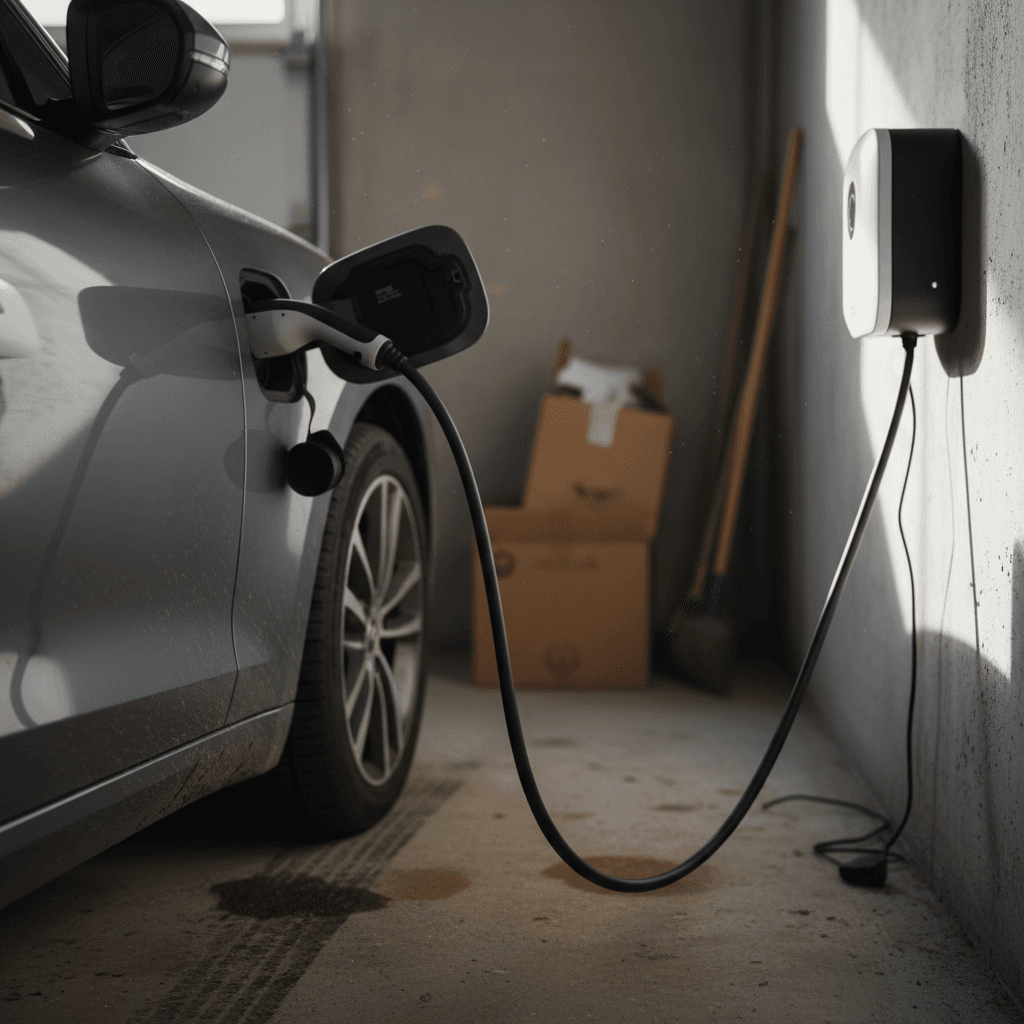
Popular PHEV body styles
Typical plug-in hybrid options by segment
Not an exhaustive list, just a snapshot of the kinds of vehicles you’ll see when you search for plug-in hybrid cars for sale.
| Segment | What you’ll commonly see used | Typical electric range (EPA) | Buyer profile |
|---|---|---|---|
| Compact sedan | Older plug-in sedans from Japanese and Korean brands | 20–30 miles | Budget-minded commuters, first EV-curious buyers |
| Compact SUV | Plug-in compact crossovers from mainstream brands | 30–45 miles | Families wanting one do-it-all vehicle |
| Mid-size / 3-row SUV | Plug-in versions of popular family haulers | 30–40 miles | Larger families, carpoolers, road-trip crowd |
| Luxury sedan / SUV | European and premium-brand PHEVs | 30–50+ miles | Shoppers prioritizing comfort, power, and features over lowest cost |
Examples are illustrative and may vary by year and trim.
Pros and cons: plug-in hybrid vs fully electric
Advantages of plug-in hybrids
- No range anxiety on long trips. Once the battery is empty, the gas engine takes over, no need to hunt for fast chargers in unfamiliar places.
- Easier transition for multi-driver households. If not everyone is ready for a pure EV, a PHEV feels familiar and reduces household fuel use.
- Great for mixed driving patterns. You can do city driving on electricity but still tow or road-trip without worrying about charging speed or availability.
- Early used pricing softens quickly. As new EV and PHEV choices expand, first-generation PHEVs often see steeper early depreciation, which can benefit used buyers who do their homework.
Drawbacks vs a used EV
- More parts to maintain. You have an engine, transmission, exhaust, and fuel system plus high-voltage components.
- Heavier and less efficient on gas. Once the battery is depleted, many PHEVs get lower MPG than regular hybrids because of the extra weight.
- Smaller battery than a full EV. You won’t get 250–300 miles of electric range; daily charging discipline matters more.
- Tax credits and incentives can be complex. Eligibility depends on where and how the vehicle was built, its battery size, and local rules, especially on used models.
Don’t overpay for “future-proofing”
What to look for when buying a used plug-in hybrid
Used PHEVs can be smart buys, but their strengths and risks are different from both conventional used cars and used EVs. You’re evaluating battery health, charging hardware, and traditional wear-and-tear together. Here’s how to approach it methodically.
Essential used PHEV checklist
1. Confirm the original electric range
Look up the EPA-rated electric-only range for the exact year, trim, and wheel size. A car that started at 25 miles of EV range will feel very different from one that launched at 50 miles.
2. Ask how it was charged and driven
Frequent DC fast charging is rare on PHEVs but worth asking about if the model supports it. Short commutes with regular charging are ideal; heavy towing and constant highway driving can age the whole powertrain faster.
3. Check current EV range in real use
On a test drive with a full battery, note how many miles the car projects in EV mode and how quickly those miles drop in your normal driving style. Big gaps from the original rating can signal battery degradation or climate-related losses.
4. Inspect both gas and electric systems
You still need a trusted mechanic to check the engine, transmission (if fitted), and cooling systems. At the same time, ask about any history of high-voltage system warnings, charger replacements, or inverter failures.
5. Review service history and recalls
Plug-in hybrids sometimes have software updates for charging, emissions, or hybrid system behavior. Confirm recalls and campaigns are closed and that routine services were done on time.
6. Understand remaining warranties
Many PHEVs carry separate warranties for the hybrid or high-voltage components. Know what’s left, especially on the battery, drive motor, and power electronics.
Be wary of cheap, neglected PHEVs
Running costs, tax credits, and incentives
When you see plug in hybrid cars for sale, the asking price is only part of the story. You’ll want to think about fuel and electricity costs, maintenance, and any incentives that might still apply, especially if you’re cross-shopping with used EVs.
Where PHEVs save you money, and where they don’t
Zooming out beyond the sticker price.
Electricity vs gasoline
If you can charge at home on a standard or Level 2 outlet, every electric mile typically costs less than a gasoline mile, especially in regions with reasonable residential rates.
Maintenance reality
PHEVs still need oil changes, exhaust components, and engine cooling service. Over time they’re usually cheaper to maintain than a comparable gas-only car, but not as low-maintenance as a pure EV.
Tax credits & rebates
New PHEVs may qualify for federal or state tax credits depending on battery size, assembly location, and your income. Used PHEVs sometimes qualify for smaller used clean vehicle credits, but rules change often, always verify before you buy.
Check incentives before you negotiate
Should you buy a plug-in hybrid or a used EV?
If you’re deciding between plug in hybrid cars for sale and a used EV, you’re really deciding how much you value the gas safety net versus the simplicity and lower running costs of driving fully electric. There’s no one-size-fits-all answer, but you can get close by being honest about your daily use and charging options.
Quick decision guide: PHEV vs used EV
Match your situation to the better fit.
When a used EV is usually better
- You have reliable home charging (driveway or garage).
- Your daily driving fits inside 150–250 miles.
- You want minimal maintenance and no gas stops.
- You prefer simpler tech with fewer moving parts.
- You live near public fast charging for occasional road trips.
When a plug-in hybrid makes more sense
- You can’t depend on charging where you park.
- You do frequent long trips through charger deserts.
- Multiple drivers need a familiar gas backup.
- You tow regularly or drive in very remote areas.
- You’re okay with more complexity in exchange for flexibility.
A blended strategy for households
How Recharged can help if you lean toward a used EV
Recharged focuses on making used EV ownership simple and transparent. If you’re comparing plug-in hybrid cars for sale with fully electric options, the biggest unknown is often battery health and long-term value. That’s where our tooling, and our specialists, come in.
Why many PHEV shoppers end up in a used EV at Recharged
We’re built around answering the questions plug-in shoppers actually have.
Verified battery health
Every vehicle comes with a Recharged Score Report, including verified battery diagnostics. You can see how the pack has aged instead of guessing from range estimates alone.
Fair market pricing
Our pricing reflects real transaction data, battery condition, and equipment, so you see how a used EV stacks up financially against the plug-in hybrids you’re considering.
End-to-end support
From financing and trade-in to nationwide delivery, EV-specialist guidance, and our Richmond, VA Experience Center, we help you move from research to keys without the usual dealership friction.
Ready to find your next EV?
Browse VehiclesTry before you decide
FAQ: plug-in hybrid cars for sale
Frequently asked questions about plug-in hybrid cars for sale
Plug in hybrid cars for sale can be a smart bridge between the world you know and the fully electric future that’s coming fast. They work best when you charge regularly, drive mostly within their electric range, and genuinely need the gas backup for edge cases. If your daily life fits neatly inside what a modern used EV can do, and you have somewhere to plug in, shifting your search from plug-in hybrids to well-vetted used EVs can simplify ownership and cut costs even further. Either way, go in with clear eyes about range, maintenance, and incentives, and lean on transparent tools like the Recharged Score Report to turn an uncertain transition into a confident decision.