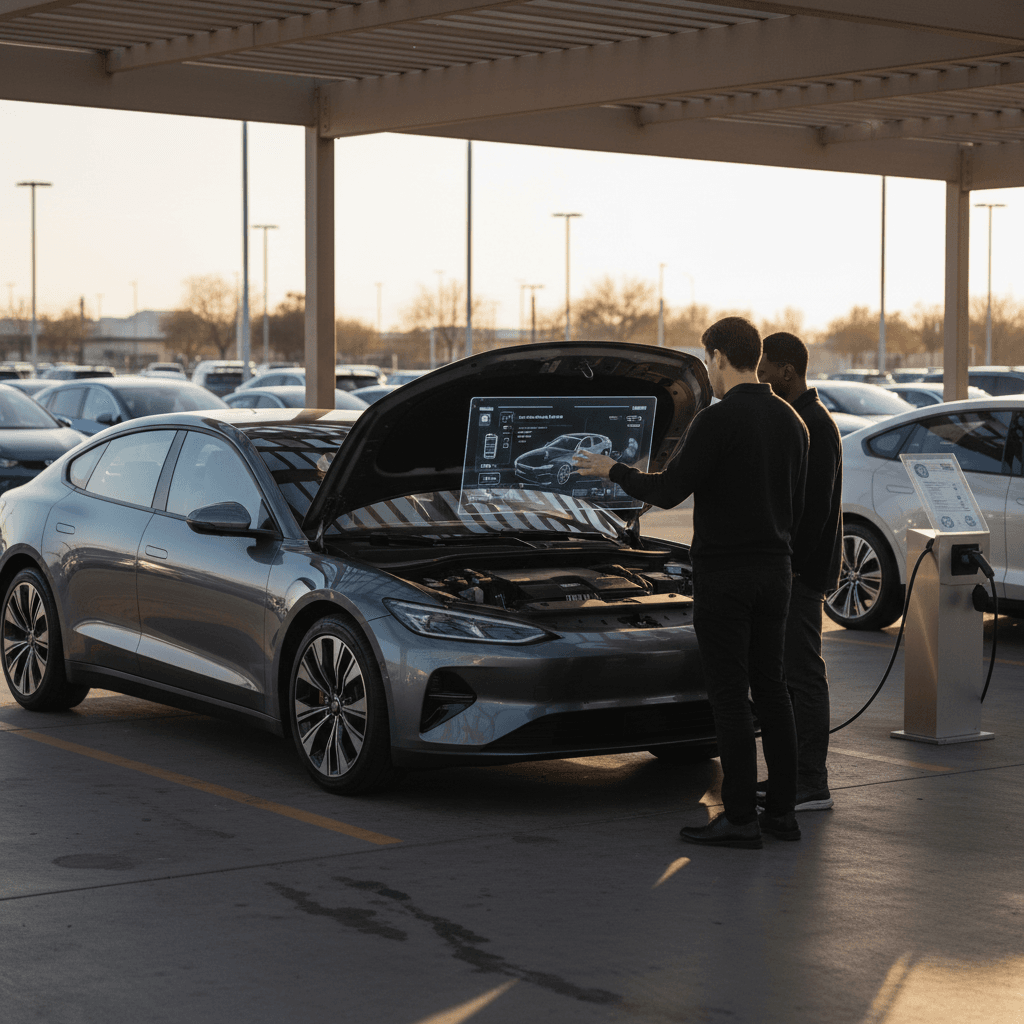
If you’ve searched for pictures of electric cars, you’ve probably seen everything from sleek concept cars to very ordinary-looking hatchbacks plugged in at the grocery store. The photos are eye-catching, but if you’re thinking about owning an EV, especially a used one, those images can also be a powerful research tool. The trick is knowing how to read what you’re looking at.
What this guide covers
Why pictures of electric cars matter more than you think
Automakers and dealers spend serious money producing glossy electric car photos, but you don’t have to be a designer to get value from them. Images can reveal how easy a car is to live with: visibility, cargo space, touchscreen layout, and how the charging port is positioned. For used electric vehicles, photos are often your first, and sometimes only, look before you buy online.
Electric cars are no longer rare in those pictures
Use photos like a reporter
The main types of electric car pictures you’ll see online
4 common kinds of EV photos
Recognize the style and you’ll know how much to trust it
Concept & press shots
Real-world street photos
Charging photos
Used listing images
As you scroll through pictures, keep in mind who took them and why. A manufacturer wants you to focus on dramatic lighting and futuristic lines. A used seller might crop out panel damage or a warning light. Your goal is to slow down just enough to spot the details others gloss over.
How to read exterior electric car pictures
1. Proportions, roofline, and visibility
Start with the side profile. A sleek, coupe-like roof can look great in pictures, but for tall passengers or child seats, it may mean headroom compromises and tricky rear visibility. Boxier small SUVs like the Chevrolet Equinox EV and Volvo EX30 tend to offer more upright seating and easier ingress than low-slung sedans.
- Big wheels, thin tires look sporty but can be more fragile and expensive to replace.
- High beltlines (tall doors, small glass) often mean a more cocooned feel and potential blind spots.
2. Real size vs. the photo trick
Wide-angle lenses can make compact EVs look huge. Use reference points: compare the car to known objects like garage doors, curbs, or nearby cars. If you’re seeing a Fiat 500e parked next to a full-size pickup, you’ll quickly understand how city-friendly it really is.
- Look for front and rear three-quarter shots, they show shape and overhangs better than a straight side view.
- Check mirrors and door handles to gauge how easy it’ll be to get in and out in tight parking spaces.
Watch the background
Interior EV pictures: what they really tell you
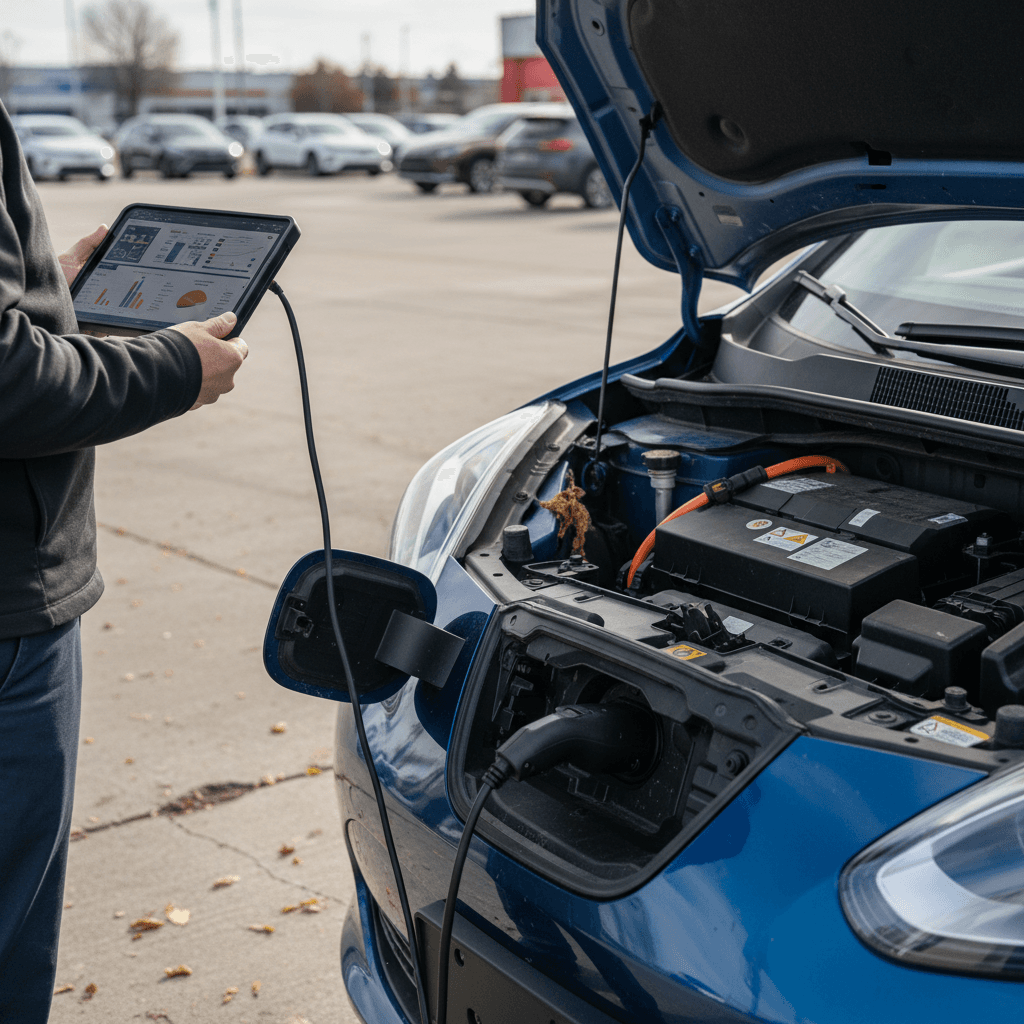
Scroll long enough and you’ll notice a common theme in electric car interior pictures: big screens, minimal buttons, and light fabrics. That’s only half the story. The other half is about comfort, usability, and build quality, especially in a used EV.
What to look for in EV interior photos
1. Seating position and support
Look at the distance between the seat base and the floor. Tall passengers usually prefer slightly higher seating, like in compact electric SUVs. Zoom in on bolstering and lumbar support, flat, thin seats may feel fine in a photo but tiring on a 2-hour drive.
2. Physical controls vs. screen overload
Screens are great until you’re trying to change climate settings on a bumpy road. Interior photos that show a mix of physical knobs and a clean touchscreen often signal better usability than all-screen-everything.
3. Storage and family practicality
Cabin pictures that include the center console and door pockets tell you how well an EV handles water bottles, bags, and tech. Look for under-armrest storage and wireless charging pads if you travel with multiple devices.
4. Rear seat and child-seat reality
If the listing or gallery only shows the front seats, that’s a clue. Ask for photos of the rear bench with the front seats set to a normal driving position, especially if you’re installing child seats or carrying tall teenagers.
5. Materials and wear patterns
Close-ups of the steering wheel, armrests, and seat bolsters reveal how gently an electric car has been used. Shiny, worn leather or frayed fabric on a low-mileage EV deserves follow-up questions.
How Recharged helps on interiors
Ready to find your next EV?
Browse VehiclesDecoding EV charging pictures
Charging shots are some of the most common pictures of electric cars online, and they can be surprisingly informative. They show how and where a car charges, which matters more now that federal EV tax credits have expired and public charging is a bigger part of the cost equation in the U.S.
Three kinds of charging photos and what they mean
Look beyond the glowing lights and cables
Home charging in a garage or driveway
Public Level 2 and DC fast charging
Connector and port close-ups
Screenshot photos matter too
Pictures that hint at EV battery health and real-world range
You can’t diagnose battery chemistry from a JPEG, but certain electric car photos do give clues about battery health and range expectations, especially when sellers include dashboard screenshots.
- Look for instrument-cluster pictures taken at a high state of charge (80–100%) and note the estimated range. Compare that to the original EPA range you find in the specs.
- If the photo shows an 80% charge with a remaining range that’s dramatically lower than the EPA estimate, it might indicate battery degradation or lots of highway use.
- Interior temperature readouts and climate settings in the same shot matter: running heat or A/C at full blast will reduce predicted range.
- Photos of the trip computer can show average efficiency (mi/kWh). Higher numbers generally mean the car has been driven gently and is capable of stretching its range.
How Recharged handles battery health
Used EV listing photos: red flags and green lights
Used EVs are flooding the market as early adopters trade up and off-lease vehicles hit dealer lots. That’s great for buyers, average used EV prices have dipped below the broader used-car market, but it also means you’ll see a wide range of photo quality. Here’s how to sort the keepers from the time-wasters.
Common used EV photo red flags and what they might mean
No single picture tells the whole story, but patterns do.
| Photo Clue | Why It Matters | What to Do |
|---|---|---|
| Only a few low-res photos | Seller may be hiding cosmetic or interior issues, or rushing the listing. | Request a full photo set and a walk-around video before committing time or money. |
| No close-ups of wheels or tires | Curb rash and uneven wear are common with heavier EVs. | Ask for detailed wheel and tire photos; replacements on big EVs can be expensive. |
| No charger or charging port shown | You don’t know whether the original equipment or cable is included. | Confirm that the portable charger and any adapters come with the car. |
| Dashboard never shown powered on | You can’t see range, warning lights, or software status. | Request a clear photo with the car in “Ready” mode and the cluster visible. |
| Photos taken at weird angles or in the dark | Intentional or not, this makes it harder to see flaws. | Ask for daytime, level shots outside or in a well-lit garage. |
Ask for more photos, or walk away, when you see too many red flags at once.
One photo that should always worry you
Mini gallery: what today’s electric cars actually look like
Modern EV design is far more diverse than the early days of quirky city cars. When you browse pictures of electric cars now, you’ll see everything from tiny urban runabouts to three-row family haulers.
- Compact city EVs like the Fiat 500e or Volvo EX30 emphasize short overhangs, tall glass areas, and playful colors in photos aimed at urban drivers.
- Family crossovers such as the Chevrolet Equinox EV and Blazer EV typically appear in lifestyle shots with bikes, strollers, or roof boxes to highlight space and flexibility.
- Sporty sedans and liftbacks lean on low stances, frameless windows, and dramatic lighting, great for showroom appeal, but double-check headroom and ground clearance if you’ve got rough roads or steep driveways.
- Work and utility EVs show up in photos towing trailers, hauling gear, or plugged in at job sites, underscoring torque and low operating costs rather than just sleek styling.
You can learn a lot about where the EV market is headed just by scrolling pictures, manufacturers are quietly telling you which buyers they care about most.
FAQ: pictures of electric cars
Frequently asked questions about pictures of electric cars
Bringing the pictures to life with a test drive
Pictures of electric cars are a powerful starting point, whether you’re just curious about how EVs look in the real world or you’re seriously shopping for a used one. When you slow down and study the details, seat shape, roofline, dashboard screenshots, charging equipment, you move from scrolling pretty images to gathering real information about comfort, range, and everyday usability.
From there, the next step is to experience how that picture feels from behind the wheel. At Recharged, you can browse used EVs online with consistent photos, a verified Recharged Score for battery health, financing options, and support from EV specialists who live this market every day. If you’re near Richmond, VA, you can bring those images to life at our Experience Center, or shop fully online and have your next electric car delivered to your driveway.