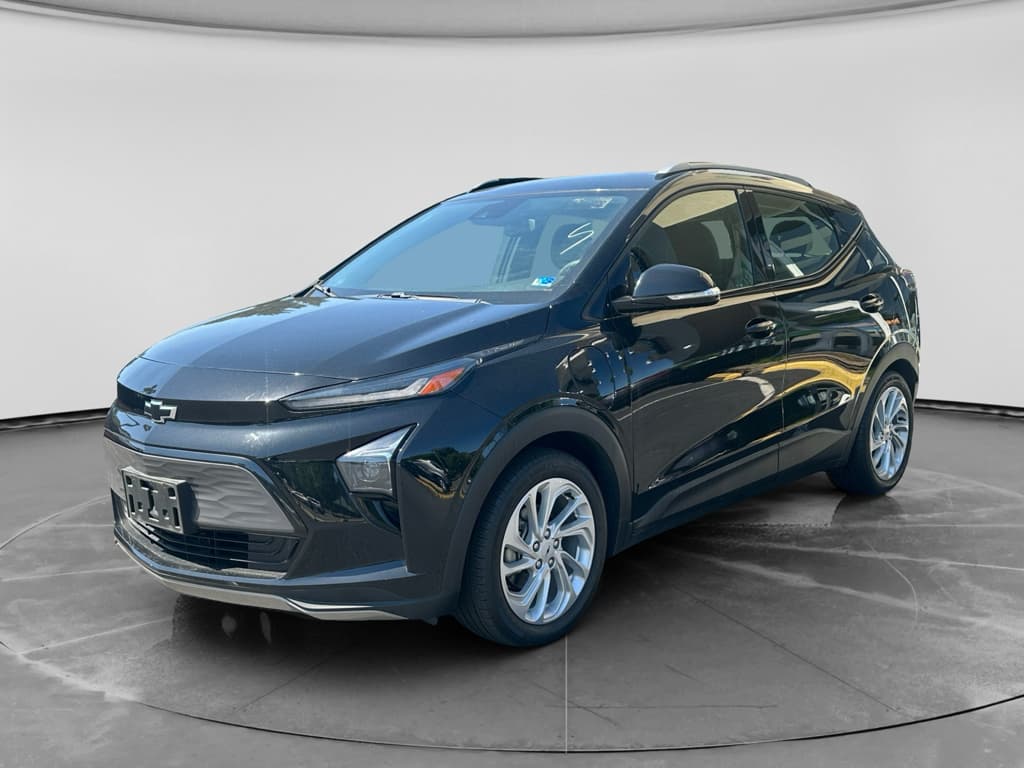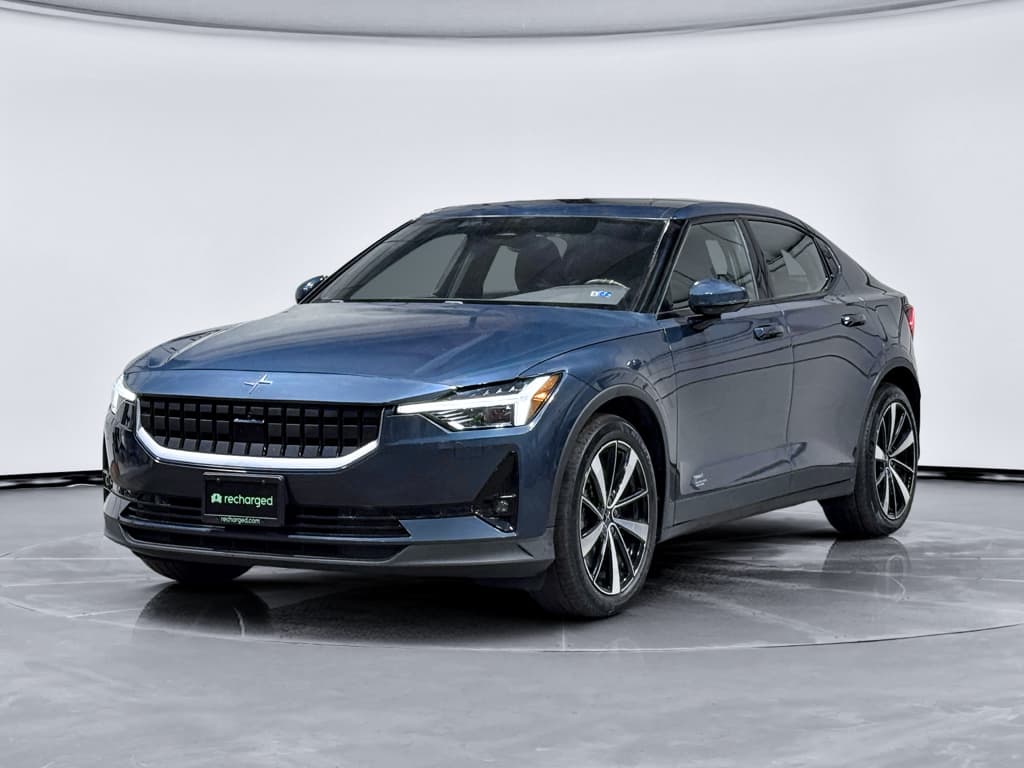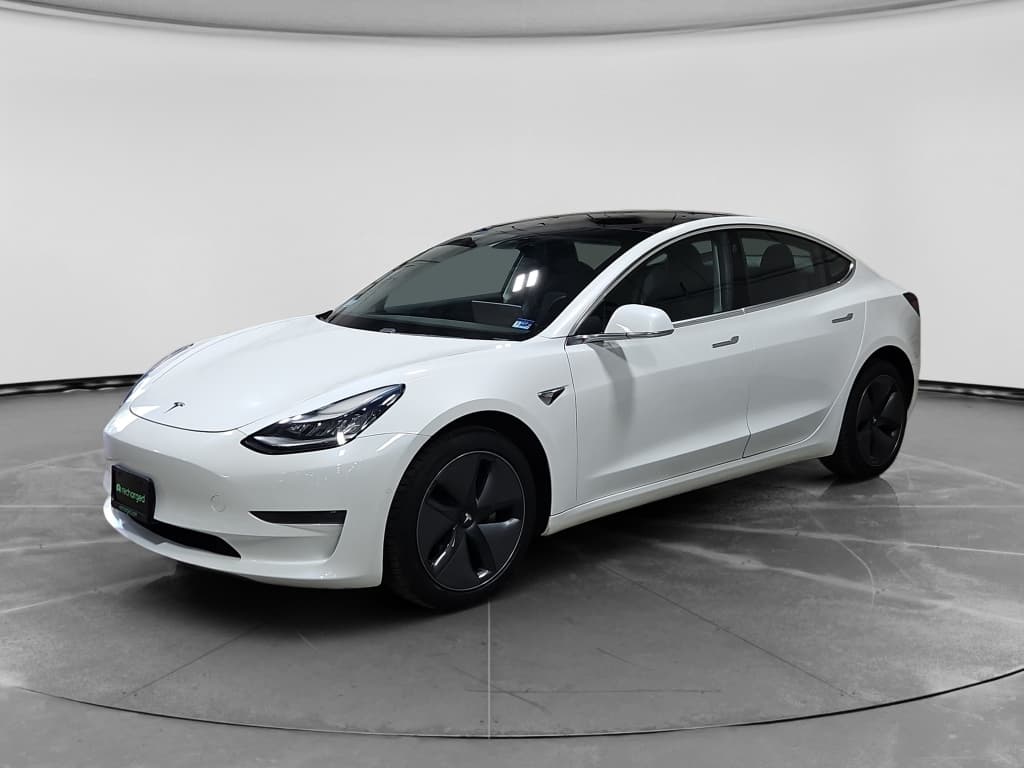
“Old electric cars” went from quirky science projects to some of the best used-car bargains on the market almost overnight. If you’re eyeing a cheap Nissan Leaf, an early Tesla Model S, or a first‑generation Chevy Bolt, you’re not alone, and you’re asking the right question: are old electric cars actually a smart buy, or a ticking battery time bomb?
Quick definition
Why “old electric cars” are a hot topic now
Old EVs: huge depreciation, big opportunity
Two big forces are colliding in 2025: rapid EV depreciation and better‑than‑expected battery longevity. Used EV prices have dropped sharply, especially for 1–5‑year‑old cars, while research shows real‑world driving can make batteries last longer than lab tests predicted. Put those together and you get a market where an “old” electric car can deliver years of useful service for a fraction of its original price, if you buy carefully.
Where Recharged fits in
How old is “old” for an electric car?
1. Early pioneers (2011–2015)
Think first‑gen Nissan Leaf, Mitsubishi i‑MiEV, early Tesla Model S. These cars proved EVs could work in the real world, but they often have:
- Short original range (70–90 miles for many Leafs)
- No active battery cooling in some models
- Outdated charging speeds
They can be amazing cheap city cars, but you must go in with eyes wide open about range.
2. Second wave (2016–2019)
Here you see big leaps: Chevy Bolt EV, updated Leafs, BMW i3, Hyundai Ioniq/Kona Electric, and more mature Teslas. These typically offer:
- 150–250+ miles of original range
- Better thermal management
- Modern safety and driver‑assist tech
For most buyers, this is the sweet spot for "old electric cars", aged enough to be affordable, modern enough to live with daily.
By the time an EV is 8–10 years old, you should assume it’s well past the shiny‑new phase. The key question isn’t just mileage; it’s how the battery has aged, how it was charged, and whether the car’s range still fits your life.
Do old electric cars last? Battery life reality check
Here’s the part most shoppers get wrong: age alone doesn’t kill an EV battery. Today’s data suggests many packs will last 12–15 years in moderate climates before dropping to about 70–80% of their original capacity, and real‑world, stop‑and‑go driving can actually extend life compared with lab tests. Time, heat, and repeated fast‑charging matter more than the odometer number printed on the window sticker.
- Most EV batteries carry 8‑year / ~100,000‑mile warranties (or longer in some states).
- Large studies show average capacity loss around 2–3% per year early on, often slowing as the pack ages.
- For many drivers, a car that started with 250 miles of range is still very usable at 190–200 miles several years later.
- Only a small fraction of packs have needed replacement due to natural aging, defect‑related recalls are a different story.
But batteries don’t last forever
The upside: why old electric cars can be bargains
Where old electric cars really shine
You’re trading cutting‑edge tech for serious savings, and for many drivers, that’s a great swap.
Massive depreciation
Some EVs lose 60% or more of their value in five years. That hurts the first owner, but it means you can get a well‑equipped, comfortable electric car for the price of a basic new gas sedan.
Low running costs
No oil changes, fewer moving parts, and cheaper per‑mile energy. Even an older EV can cost dramatically less to keep on the road than a comparable gasoline car, especially if you can charge at home.
Perfect for shorter commutes
If you drive 30–50 miles a day, a 120–150‑mile used EV is plenty. For urban and suburban life, old electric cars are quiet, quick, and surprisingly relaxing to drive.
If your daily life is mostly commuting, errands, and the occasional weekend trip, an older EV can feel like cheating. You pay a used‑car price, skip gas stations almost entirely, and enjoy a smooth, silent car that still feels surprisingly modern, especially compared with an old gas sedan of the same age.
Real‑world sweet spot
Ready to find your next EV?
Browse VehiclesThe downside: common problems with old EVs
Of course, old electric cars have their own set of headaches. They’re different from gasoline cars, and different from new EVs, too. The most common gotchas fall into a few predictable buckets.
- Range shrinkage: A Leaf that once did 84 miles might realistically deliver 50–60 miles now, especially in cold weather.
- Outdated fast‑charging: Early EVs often have slow DC charging, or none at all, limiting road‑trip flexibility.
- Limited parts and support: For low‑volume models or brands that exited the EV space, repairs can be slower or pricier.
- Software and infotainment age: Old screens, laggy nav, no over‑the‑air updates, it can all make the car feel older than its mileage suggests.
- Unknown charging history: A life of constant DC fast‑charging and desert heat is harder on a pack than easy suburban commuting.
Red flag to watch for
Battery health is everything: what to look for
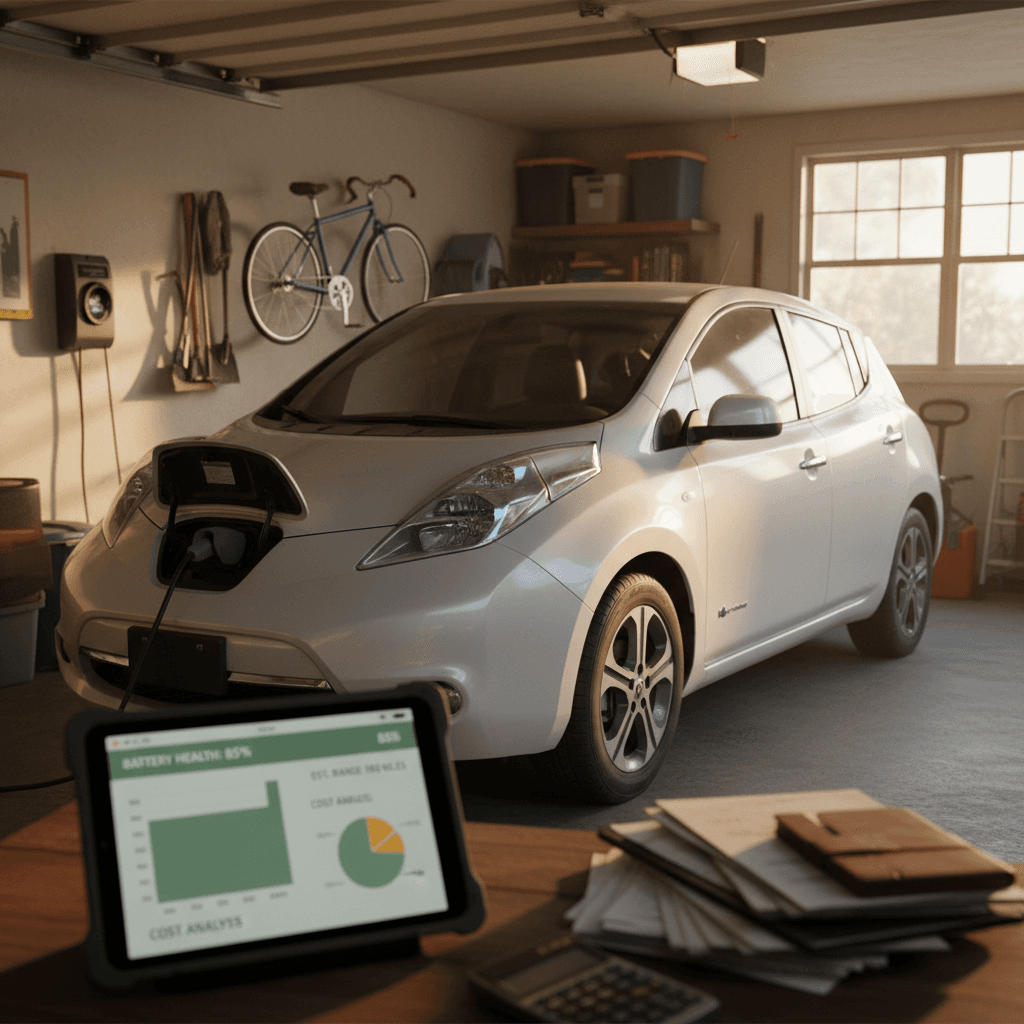
On an old electric car, the single most important number isn’t the odometer, it’s usable battery capacity. That tells you how much energy the pack can still hold compared with when it was new, and it directly translates into real‑world range.
Battery‑health checklist for old electric cars
1. Ask for a battery health report
Many modern EVs can display a state‑of‑health figure or at least show how many capacity bars are left. At Recharged, the <strong>Recharged Score</strong> includes independent battery diagnostics, so you’re not relying on guesswork or a single dash screen.
2. Compare to original range
Look up the car’s <strong>original EPA range</strong>. If a 238‑mile Bolt now shows 190 miles after a full charge, that’s relatively normal. If it shows 110, you need a big discount, or a different car.
3. Check for battery recalls and replacements
Some models (like certain Chevy Bolt and Hyundai Kona EV years) had recall campaigns with full battery replacements. That can make an older car more attractive, not less, if the work was done.
4. Look for climate clues
Cars spending life in very hot regions tend to see faster degradation. A vehicle history report can hint at whether it’s been baking in Phoenix or cruising in Portland.
5. Review charging habits, if possible
Ask how the previous owner charged: mostly home Level 2 to 80–90% is ideal. A diet of constant 100% charging and frequent DC fast‑charging isn’t automatically bad, but it’s more stressful over time.
6. Plan your worst‑case day
Think about your longest regular day of driving. Add winter weather, highway speeds, and battery age. If the car still covers that without anxiety, its current battery health is probably good enough for you.
Which old electric cars age best (and worst)?
No two EVs age exactly the same, but patterns have emerged over the last decade. Some models hold their range and value gracefully; others become cheap for a reason. Here’s a broad, high‑level look, individual cars still need individual inspection.
How common old electric cars tend to age
Generalized patterns, always confirm battery health and history on the specific car you’re considering.
| Model group | Typical original range | How they age | Good use case as they get old |
|---|---|---|---|
| Early Nissan Leaf (2011–2016) | 73–84 miles | Often significant degradation; some cars under 60% of original range, especially in hot climates and without active cooling. | Short‑range city car, second car in multi‑car households. |
| Second‑gen Leaf & similar (2018–2019) | 140–150 miles | Better, but still sensitive to heat and fast‑charging; range shrinkage noticeable but often manageable. | Daily commuting under 60–70 miles, suburban use. |
| Chevy Bolt EV (2017–2019) | ~238 miles | When recall battery is fitted, packs can be very healthy; good thermal management. Original packs vary by use and climate. | Great all‑rounder commuter and light road‑trip car with planning. |
| Early Tesla Model S/X | 200–270+ miles | Relatively robust packs; some degradation but often still 180–220 miles real‑world. Repair costs can be high. | Long‑distance comfort on a budget, if you’re ready for premium‑car maintenance costs. |
| BMW i3 | 80–153 miles (battery‑only) | Small pack means range loss is felt sooner, but many age reasonably if lightly used. | Urban runabout, stylish city commuter with home charging. |
| Hyundai/Kia early EVs | 120–258 miles | Generally good battery management; range loss modest on well‑cared‑for cars. | Daily driver for moderate commutes; can stretch to occasional trips. |
Use this as a starting point, not the final verdict.
Location matters
How to test-drive and inspect an old EV
Test‑driving an old electric car is less about listening for squeaks and more about feeling for confidence: does the car behave predictably, charge as expected, and display range that matches reality? Here’s a road map.
Old EV test‑drive game plan
1. Start fully (or nearly) charged
Ideally, see the car close to 100% charge. Note the estimated range on the dash and compare it to the original EPA rating you looked up earlier.
2. Drive your real route
If you commute mostly highway, test on the highway. If it’s city stop‑and‑go, do that. Watch how quickly the projected range drops relative to miles driven.
3. Test regen and brakes
Lift off the accelerator and feel for smooth regenerative braking. There should be no grinding, jerking, or warning lights when you brake normally.
4. Try a quick fast‑charge, if possible
If the seller agrees and there’s a DC fast charger nearby, plug in for 10–15 minutes. Does the car connect quickly and ramp up to a reasonable power level, or does it refuse or charge extremely slowly?
5. Check all high‑voltage accessories
Turn on cabin heat (especially in cold weather), A/C, seat heaters, old EVs that struggle with these may have HVAC issues that affect range and comfort.
6. Scan the dash for warnings
Any persistent battery, charging, or powertrain warning light on an old EV is a major bargaining chip, or a reason to move on.
Warranties, support, and repairs on older EVs
With old electric cars, warranty coverage is a dividing line between “interesting deal” and “you’re on your own.” Most manufacturers offer separate coverage for the high‑voltage battery and the rest of the car.
- Battery warranty: Commonly 8 years or around 100,000 miles, sometimes longer. Many cover the pack if capacity drops below a certain threshold (often 70%).
- Bumper‑to‑bumper warranty: Usually expires at 3–4 years / 36,000–50,000 miles, so it’s typically gone on genuinely old EVs.
- Certified pre‑owned (CPO) programs: Some brands sell used EVs with extended coverage, but availability varies and may exclude very early models.
- Independent specialists: As the EV fleet ages, more independent shops are learning to service battery packs, cooling systems, and high‑voltage components.
How Recharged handles older EVs
Financing and value: how to avoid overpaying
The market for old electric cars is still sorting itself out. Some sellers cling to outdated price expectations, while others panic‑discount anything with a plug. Your goal is to pay for the range and battery health you’re actually getting, not for a brochure fantasy from a decade ago.
Price with your head, not your heart
- Base your offer on current usable range, not original EPA numbers.
- Factor in the cost of a potential battery replacement or major repair, even if you hope you never need it.
- Remember that extremely cheap EVs with very short range can be hard to resell, even if they work fine for you.
Use financing to protect your budget
If you finance an old EV, make sure the term length matches how long you realistically plan to keep it, given its age and range. At Recharged, you can pre‑qualify for EV financing online with no impact on your credit, then shop knowing exactly where your budget sits.
Leverage the depreciation curve
FAQ: old electric cars
Frequently asked questions about old electric cars
Bottom line: are old electric cars worth it?
Old electric cars are neither magical free‑energy machines nor hopeless dead ends. They’re simply used cars with a different set of trade‑offs, and in 2025, those trade‑offs increasingly favor savvy buyers. If you understand how EV batteries age, shop for verified battery health, and choose a car whose current range matches your real life, an older EV can deliver years of quiet, low‑cost driving for surprisingly little money.
If you’d rather skip the guesswork, you can shop used EVs at Recharged with a Recharged Score on every car, expert EV‑specialist support, and the option to pre‑qualify for financing online before you fall in love with anything. That way, when you do find the right old electric car, you’ll know it’s a smart decision, not a gamble.