If you’ve just bought an electric vehicle, or you’re eyeing a used EV, in Ohio, it’s natural to wonder about Ohio electric car inspection requirements. Do you need E-Check? Is there a safety inspection? What about VIN or salvage inspections if the car came from another state? This guide breaks it down in plain English so you know exactly what to expect before you register, renew, or buy an EV in the Buckeye State.
Quick takeaway
Ohio electric car inspection requirements: the short version
- Ohio has no statewide annual safety inspection for standard passenger cars, gas or electric.
- Seven Northeast Ohio counties still use the E-Check emissions program, but battery-electric and plug-in EVs are permanently exempt once they’re identified correctly.
- You may still encounter inspections tied to titles and special situations: out-of-state VIN verification, salvage or rebuilt inspections, and commercial or bus inspections.
- Local ordinances can require inspections for special vehicle types (like under-speed neighborhood vehicles) but these rules don’t apply to normal highway-capable EVs.
- If you’re buying a used electric car, it’s smart to get a voluntary pre‑purchase inspection and battery health report, even if the state doesn’t require one. That’s where services like the Recharged Score come in.
Fast facts for Ohio EV owners
Does Ohio require annual safety inspections for electric cars?
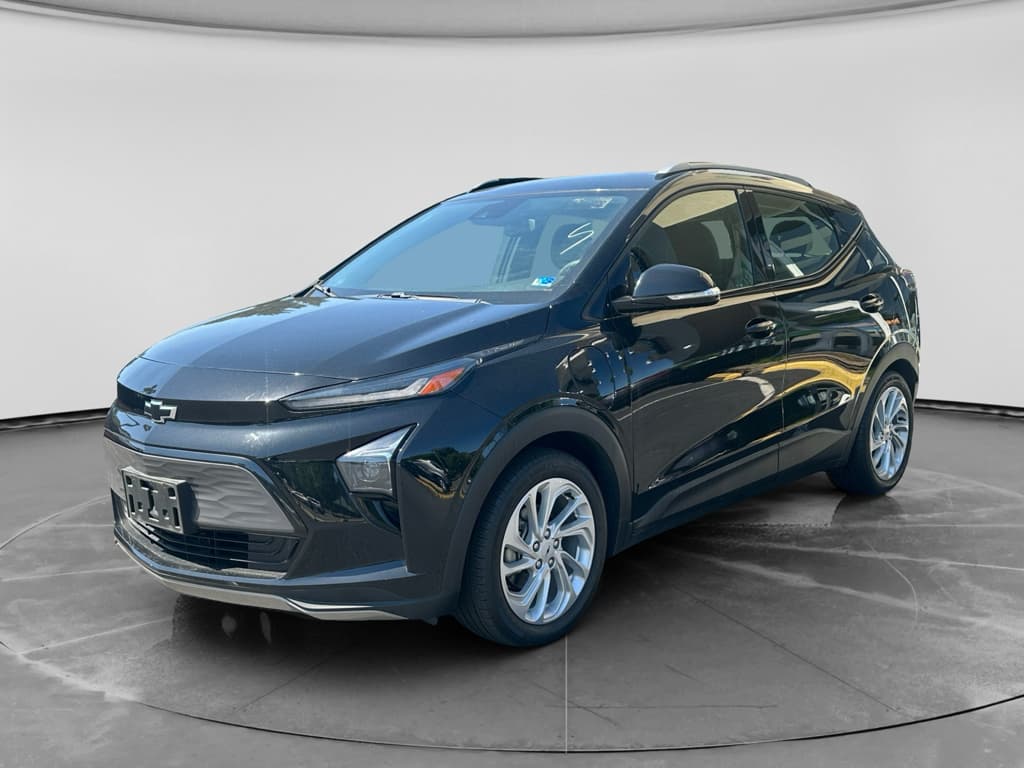
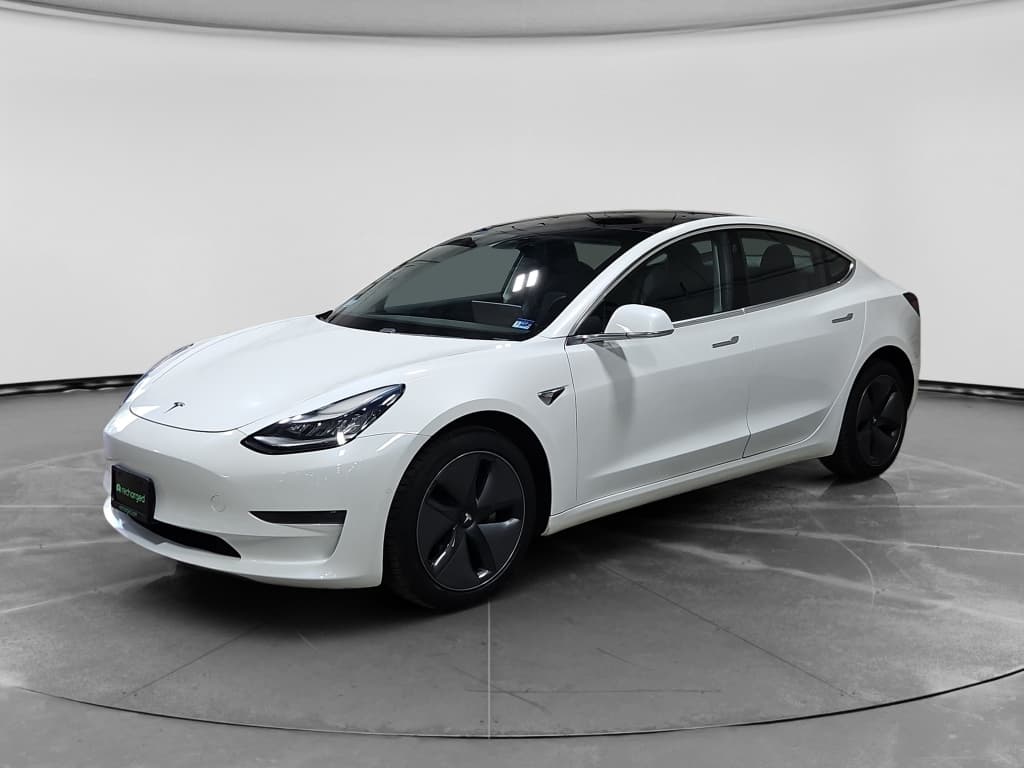
For everyday drivers, the answer is simple: No, Ohio does not require an annual safety inspection for standard passenger vehicles, whether they’re gasoline, hybrid, or fully electric. If you drive a typical highway‑capable EV, think Nissan LEAF, Tesla Model 3, Chevy Bolt, Hyundai IONIQ 5, you won’t be lining up every year for a mandatory state safety check.
That doesn’t mean no inspections exist at all in Ohio. Certain categories of vehicles still face required inspections, such as commercial buses, under‑speed neighborhood vehicles in some cities, and salvage or self‑assembled vehicles. Those rules are mostly about safety or fraud prevention, not about whether your EV is clean enough to drive.
Watch for local quirks
How Ohio E-Check works for electric and plug-in hybrid vehicles
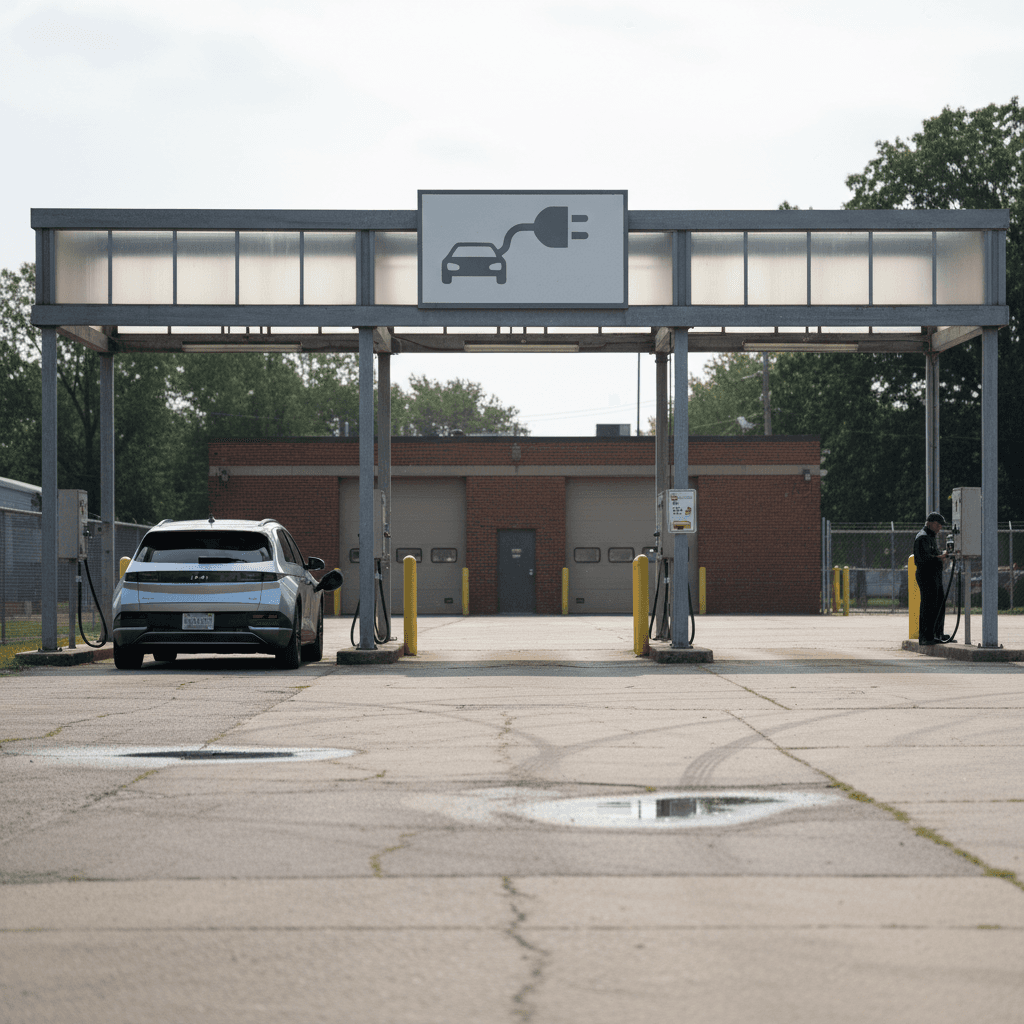
Ohio’s best‑known inspection requirement is E-Check, the state’s emissions testing program for certain vehicles in Cuyahoga, Geauga, Lake, Lorain, Medina, Portage, and Summit counties. Gasoline and diesel vehicles in those counties must pass an emissions test every two years to renew registration, depending on model year and weight.
Electric vehicles, though, are different. Under Ohio EPA’s rules, plug-in electric vehicles, including battery-electric and plug-in hybrids, are permanently exempt from emissions testing. That means once your car is properly flagged as a plug‑in EV in the system, you shouldn’t get an E-Check requirement on future renewals.
How the exemption works for EVs
Battery-electric vehicles (BEVs)
- Examples: Tesla Model 3/Y, Nissan LEAF, Chevy Bolt, Hyundai Kona Electric.
- Run 100% on electricity, with no tailpipe emissions.
- Outcome: Permanently exempt from E-Check once properly coded as an electric vehicle.
Plug-in hybrids (PHEVs)
- Examples: Toyota Prius Prime, Chevy Volt, Ford Escape PHEV.
- Have both a plug‑in battery and a gasoline engine.
- Outcome: Also treated as plug‑in electric and permanently exempt from E-Check under Ohio EPA’s rules.
If your plug‑in EV still shows an E-Check requirement
County-by-county: Ohio E-Check basics for EV owners
Only drivers in seven Northeast Ohio counties ever see E-Check notices. If you live, or garage your car, in one of these counties, it affects your gasoline vehicles, but not your plug‑in EVs once exempt.
Where E-Check applies (and how EVs fit in)
EVs are exempt, but if you have a mixed garage, gas SUV plus electric commuter, this is how the rules intersect.
| County | E-Check required for eligible gas/diesel vehicles? | E-Check required for plug-in EVs? |
|---|---|---|
| Cuyahoga | Yes, every two years by model year schedule | No, plug‑in EVs are permanently exempt |
| Geauga | Yes | No |
| Lake | Yes | No |
| Lorain | Yes | No |
| Medina | Yes | No |
| Portage | Yes | No |
| Summit | Yes | No |
Remember: plug‑in EVs are emissions‑test exempt, even in E-Check counties, but you might still have to test a gasoline daily driver.
E-Check may be on its way out
Other inspections that can affect Ohio EV owners
Even though Ohio doesn’t require annual safety inspections, you can still run into inspections tied to titles, ownership changes, or special vehicle statuses. These apply equally to EVs and gas cars, but some details feel different when there’s a battery pack involved.
Four inspection types Ohio EV owners should know
Most are one‑time checks tied to paperwork, not recurring yearly hassles.
1. Out-of-state VIN inspection
If your EV was titled in another state, you’ll need an out-of-state VIN inspection before getting an Ohio title. It’s a quick verification of the vehicle identification number and basic data, completed at a deputy registrar license agency or participating dealership.
2. Salvage or rebuilt inspection
If your EV has a salvage or rebuilt title, you must schedule a state highway patrol inspection. Inspectors verify repairs, parts documentation, and that the car is safe to return to the road.
3. Bus and commercial inspections
Some electric vehicles used as buses or commercial shuttles fall under Ohio’s bus safety inspection rules. These are annual checks focused on brakes, lighting, and other safety systems rather than emissions.
4. Local under-speed vehicle inspections
Certain cities, like Cleveland, require inspections for under-speed or neighborhood vehicles, some of which are electric. These rules don’t apply to standard EVs registered for normal highway speeds.
Be careful with flood or heavily damaged EVs
Inspection requirements when buying a used EV in Ohio
From the state’s point of view, buying a used EV is mostly about paperwork, not inspections. The Bureau of Motor Vehicles wants accurate titles, odometer disclosures, and taxes paid. Unless the car is coming from out of state or carries a salvage/rebuilt title, Ohio won’t ask for a special inspection before you drive away.
If the EV already has an Ohio title
- Private sale or dealer sale both work.
- Seller signs the Ohio title over to you with the proper odometer disclosure.
- You visit the title office to get a new title in your name, then handle registration and plates.
- No state inspection is triggered just because you bought the car.
If the EV is titled out of state
- You’ll need an out-of-state VIN inspection before the title transfer.
- The inspection is brief: they verify the VIN on the car matches the paperwork.
- Once you have the inspection form, the title office can issue an Ohio title.
- After that, you register the vehicle and get plates like any other car.
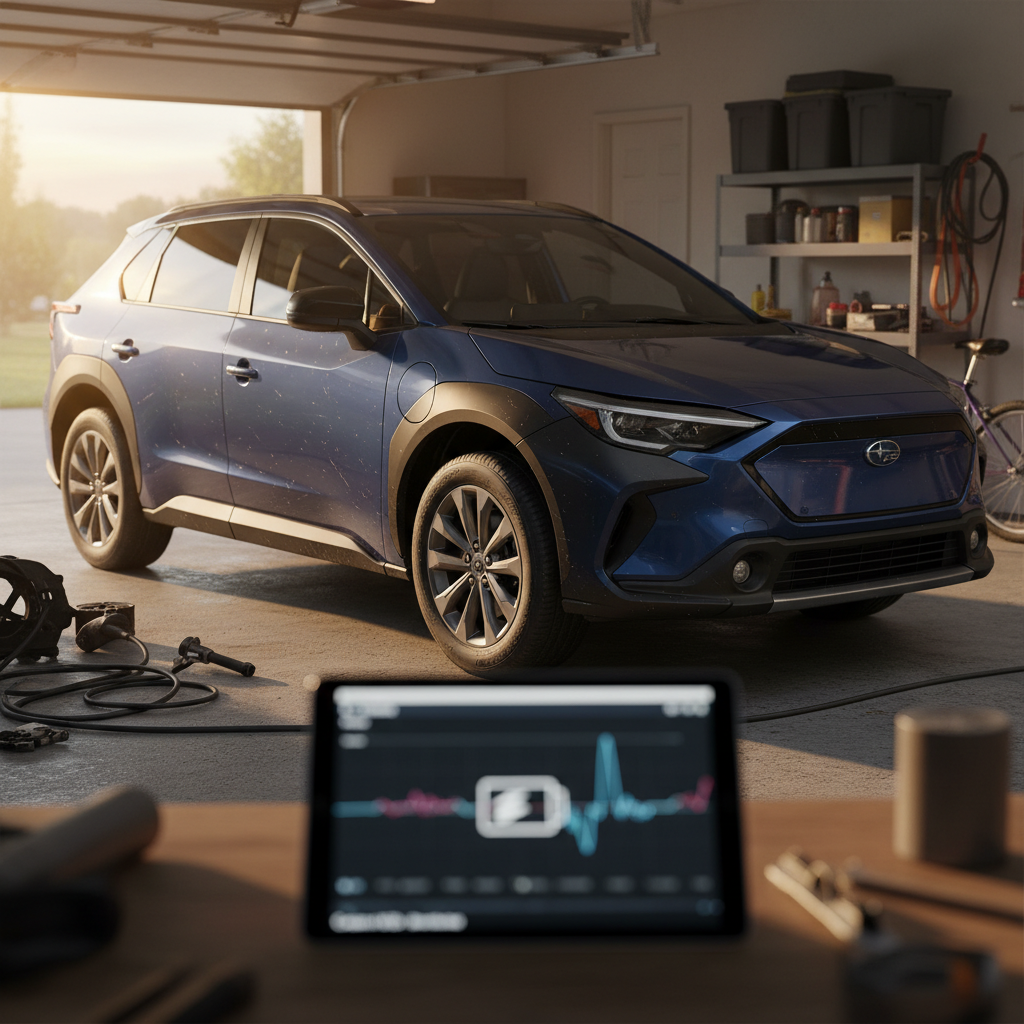
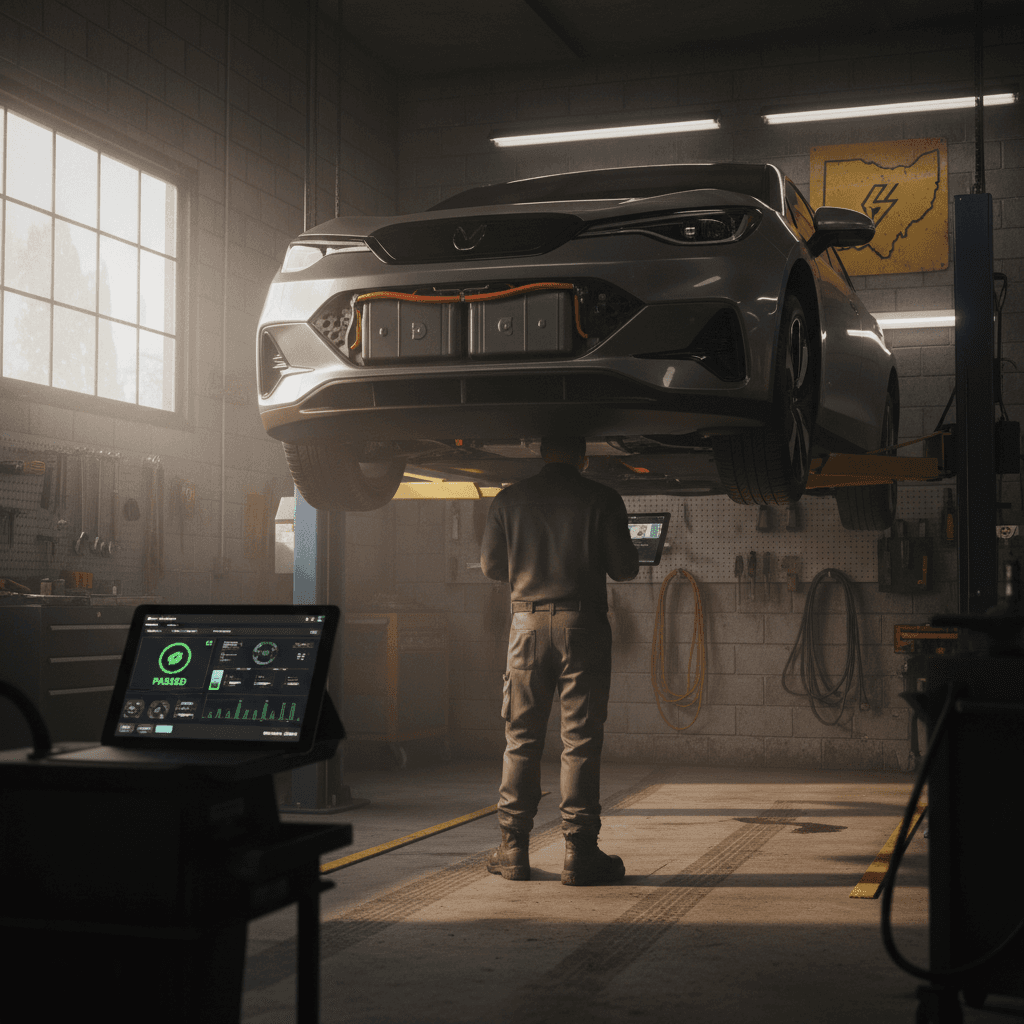
What the state doesn’t check is often what matters most to EV buyers: battery health, charging performance, and high‑voltage system condition. That’s where a specialized EV inspection or a verified battery health report, like Recharged’s Score, fills an important gap.
Why EV-specific inspections matter
Checklist: Ohio inspection steps for EV owners
Your Ohio EV inspection & paperwork game plan
1. Confirm whether you live in an E-Check county
If your home or garaging address is in Cuyahoga, Geauga, Lake, Lorain, Medina, Portage, or Summit County, you’ll see E-Check notices for gasoline vehicles. Plug‑in EVs are exempt, but you’ll still want to know the rules for any other cars in the household.
2. Make sure your EV is coded as a plug-in
Check your registration renewal notice or online BMV account. If your plug‑in EV still shows an E-Check requirement, contact the E-Check program or Ohio EPA with your registration or title so they can update your exemption.
3. Buying an out-of-state EV? Schedule a VIN inspection
Before you can get an Ohio title, you’ll need an out‑of‑state VIN inspection at a deputy registrar license agency or participating dealership. Bring the vehicle, its current title or registration, and a photo ID.
4. Dealing with a salvage or rebuilt EV? Plan for patrol inspection
If the EV has a salvage or rebuilt title, you must schedule a state highway patrol inspection. Gather all parts receipts and repair documentation; without them, the car can fail or even be seized.
5. Get an EV-specific pre-purchase inspection
State inspections don’t look at battery health, charging hardware, or software history. Protect yourself by getting an EV‑focused inspection and battery report before you buy, especially on high‑mileage or out‑of‑warranty cars.
6. Keep paperwork organized for smooth renewals
Once everything’s set, title, VIN inspection (if needed), and any exemptions, hang on to receipts and exemption letters. That way, if a system glitch ever asks your EV for E-Check again, you can quickly clear it up.
Common mistakes Ohio EV drivers make around inspections
Avoid these inspection and paperwork pitfalls
A little prep goes a long way toward a drama‑free registration.
Assuming all EVs must do E-Check
Some new EV owners panic when they see E-Check mentioned in general Ohio car guides. Remember: plug‑in EVs are permanently exempt. If your renewal notice disagrees, the issue is usually coding, not your car.
Skipping documentation on salvage EVs
For salvage or rebuilt titles, inspectors care as much about proof of parts as they do about repairs. Show up without receipts and you risk failing the inspection, even if the EV looks perfect.
Relying on a generic mechanic for battery health
Internal‑combustion shops often aren’t trained on high‑voltage diagnostics. You might walk away with a clean bill of health while the car’s battery is quietly down 25% from new.
Buying sight-unseen without an inspection
Out‑of‑state and online EV purchases are common, but skipping an independent EV inspection before it lands in your driveway is an expensive gamble, especially with high‑voltage components.
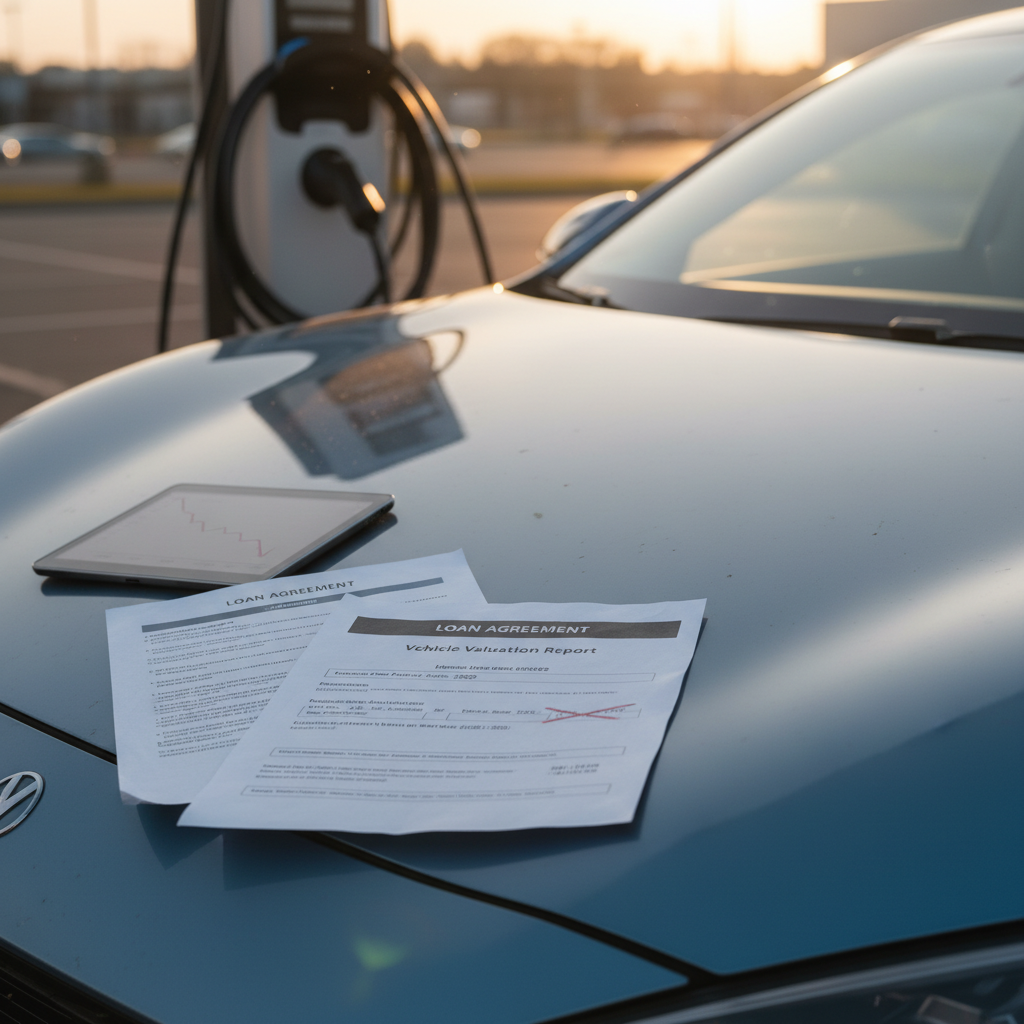
Think like a lender, not just a driver
How Recharged helps you navigate Ohio used EV inspections
Ohio’s official rules keep things relatively simple for electric cars, but they also leave some big blind spots for used‑EV shoppers. That’s exactly the gap Recharged was built to fill.
- Every EV on Recharged comes with a Recharged Score Report, which includes verified battery health, charging performance, and fair‑market pricing, far deeper than any state‑mandated inspection.
- If you’re trading in or selling an EV, Recharged can provide an instant offer or consignment option, plus guidance on titles, VIN inspections, and paperwork so your deal fits Ohio requirements.
- With EV-specialist support and a fully digital buying experience, you can shop used EVs anywhere in the country and have them delivered to Ohio, with the title, VIN inspection, and registration steps clearly mapped out.
- If you’re local to Virginia or shopping remotely, Recharged’s Experience Center in Richmond, VA lets you see how our diagnostics work before we help you find or ship a vehicle home to Ohio.
Buying a used EV into Ohio?
Ready to find your next EV?
Browse VehiclesOhio electric car inspection FAQ
Frequently asked questions about Ohio EV inspections
Ohio keeps official inspection requirements relatively light for electric cars, especially once you understand how E-Check exemptions, VIN checks, and salvage rules work. That’s good news for EV drivers, but it also means the responsibility for protecting yourself falls more on you: get the right inspections, ask for battery health data, and don’t rely on paperwork alone. When you’re ready for a used EV that’s already been through rigorous, EV‑specific checks, Recharged is here with verified battery diagnostics, transparent pricing, and expert guidance tailored to Ohio drivers.