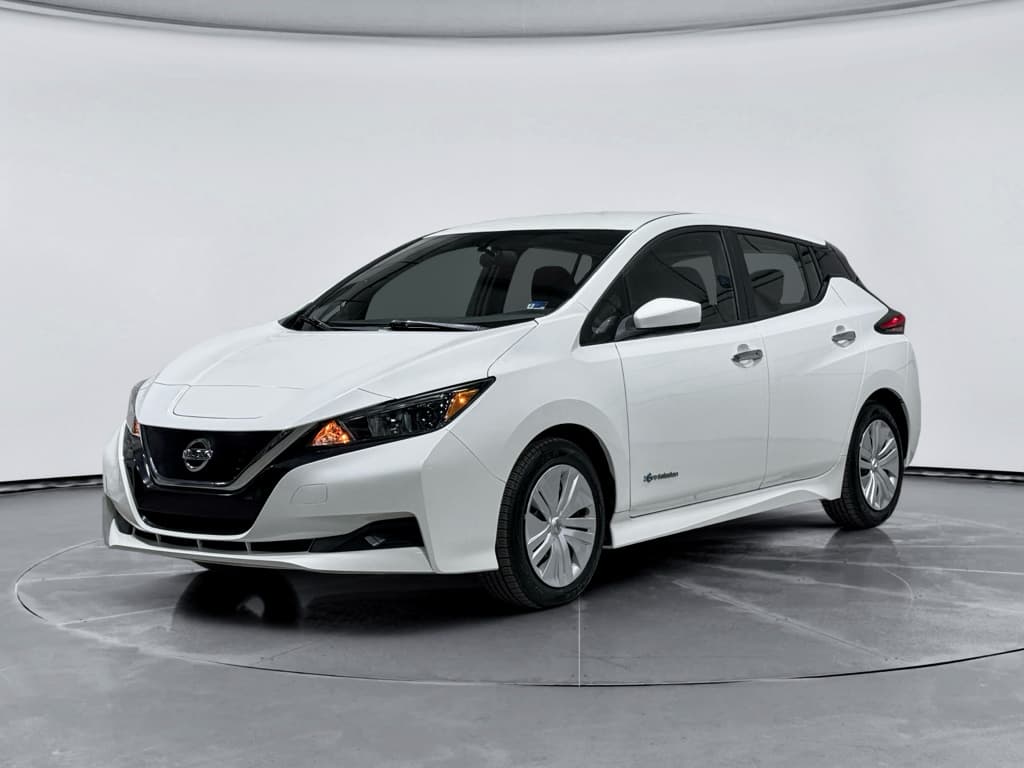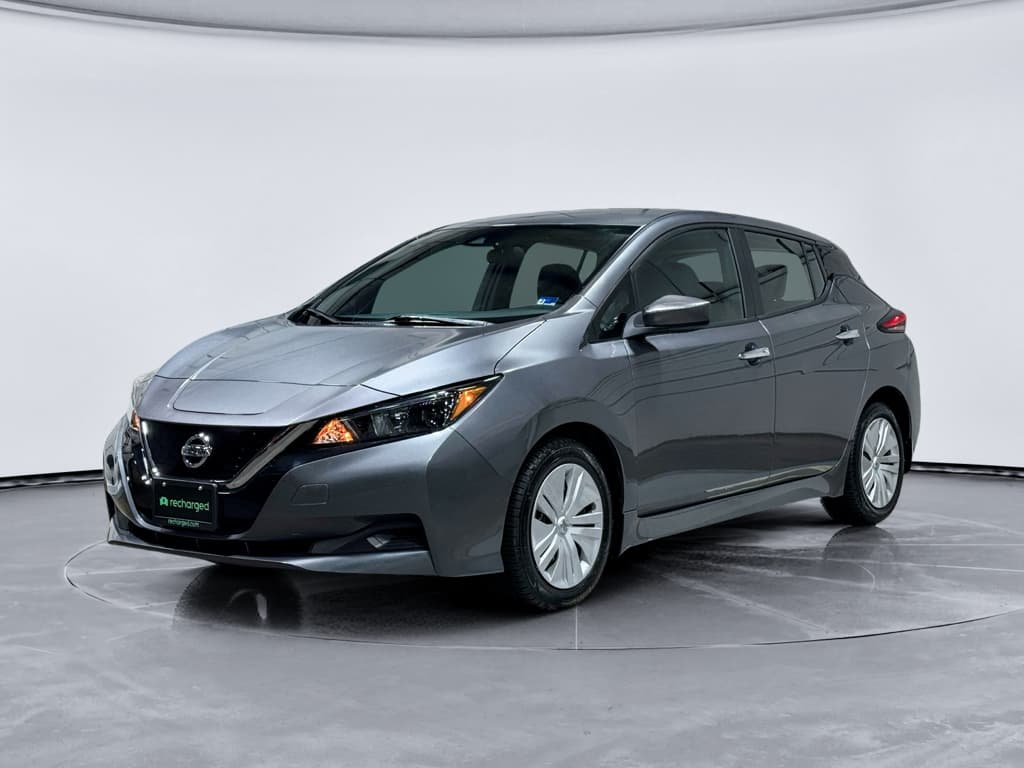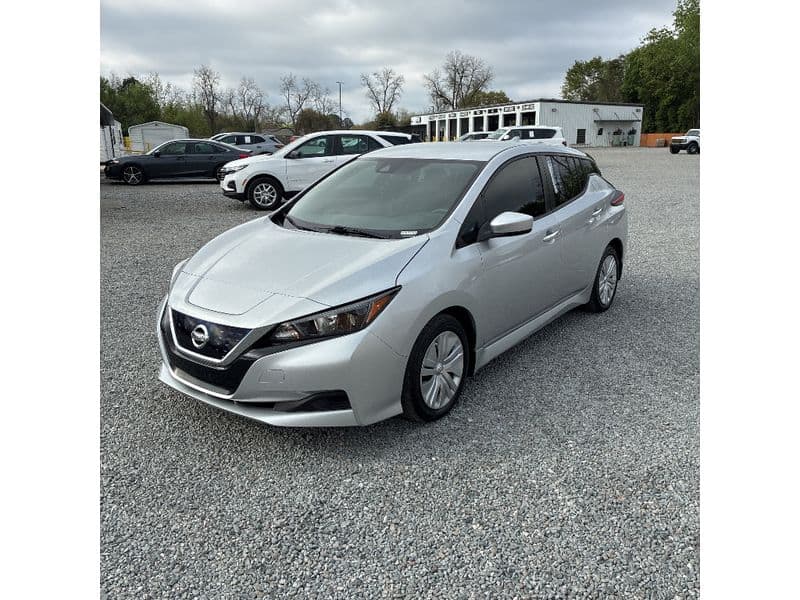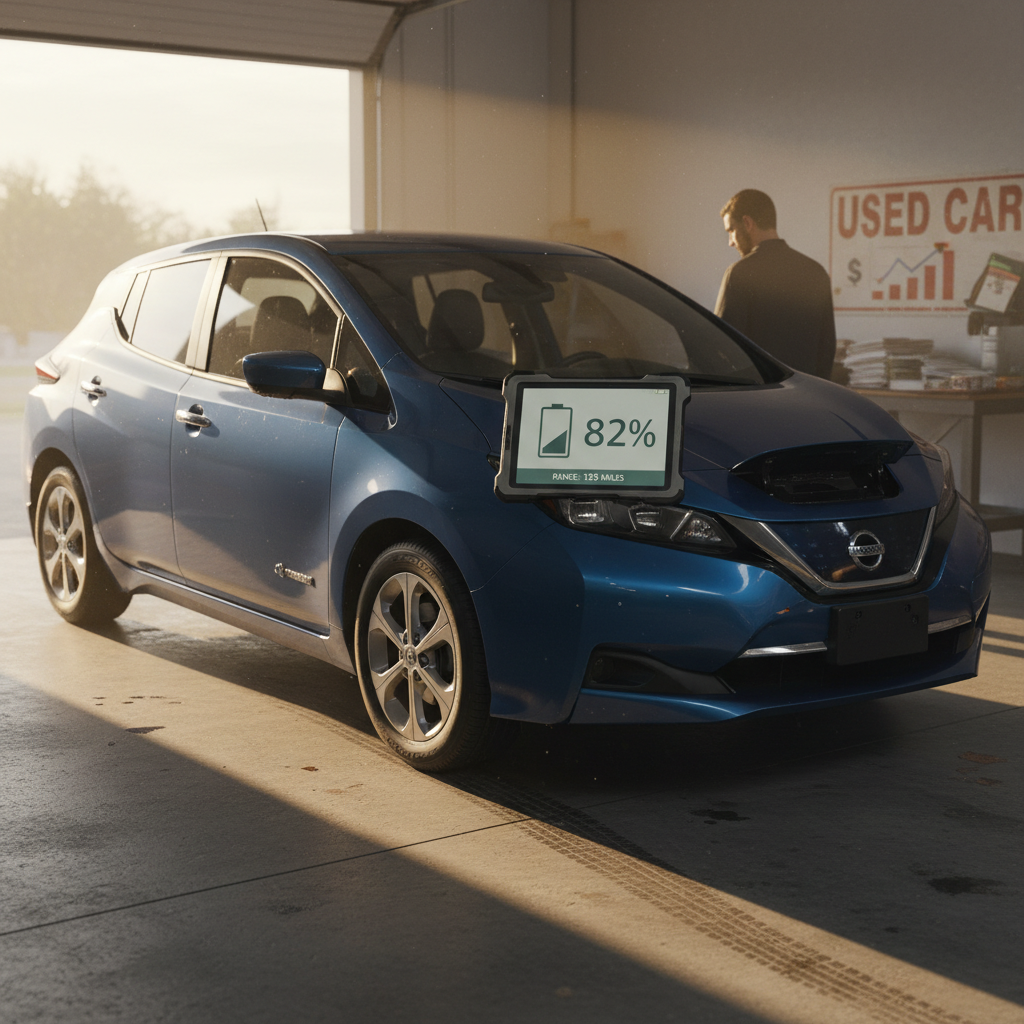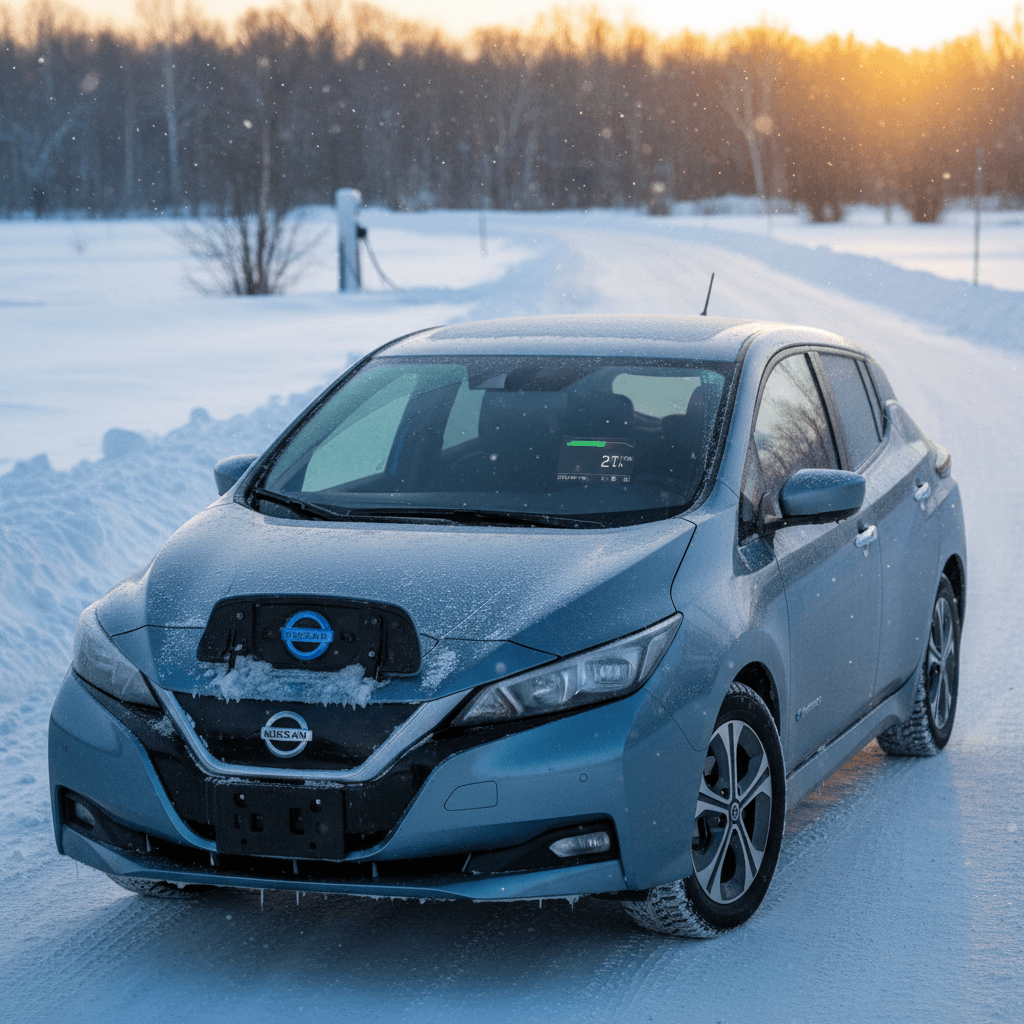
If you live with snow, slush, or long stretches below freezing, you’ve probably heard scary stories about Nissan Leaf winter range loss percentage. Some owners swear their Leaf loses nearly half its range in January. Others say it’s barely noticeable. The truth lives in the middle, and it depends heavily on your battery size, trip length, and how you use the heater.
Cold‑weather context
Why Nissan Leaf winter range loss matters
The Leaf has been on sale since 2011, with everything from early 24 kWh city runabouts to newer 62 kWh Leaf Plus highway cruisers. Those early cars are now popular, affordable used EVs, especially through marketplaces like Recharged. But winter can turn a "just enough" summer commute into a nail‑biter if you don’t understand how much range you’ll lose in the cold.
Two things make the Leaf a special case in winter. First, most models lack active battery thermal management, so the pack simply gets cold and stays cold. Second, many Leafs were sold with smaller batteries, so losing 25–35% of a modest range hurts more than losing 25–35% of a big one. That doesn’t mean the Leaf is a bad winter car, it just means you need realistic numbers.
Quick look: typical Nissan Leaf winter range loss
How much range does a Nissan Leaf lose in winter?
Let’s cut to it. For most drivers in a typical U.S. winter, say 20–35°F (−6 to 2°C), mixed city and suburban driving, you can expect your Nissan Leaf winter range loss percentage to land roughly here:
- Many 40–62 kWh Leafs: around 20–30% range loss
- Older 24 kWh Leafs: often 25–35%, sometimes more
- Extreme cold (single digits °F and below) or very short trips: losses can spike to 35–50%
Independent winter testing that compared different EV models found the Leaf on the worse end of the spectrum for cold‑weather range, with around 38% loss in harsh conditions for some trims. At the same time, broader EV studies show the *average* electric car keeps about 80% of its range in the cold. The reality is that a healthy, newer Leaf Plus can behave much closer to that average than the old, small‑battery commuter specials.
Rated range vs. real range
Winter range loss percentages by battery size
Because the Leaf has come in several battery sizes, and because most used Leafs on the market now are the 24, 30, 40, or 62 kWh variants, it helps to look at winter range loss by pack size. These are realistic ballpark figures for a healthy battery (good state of health) in mixed driving at roughly 20–35°F, with normal heater use.
Typical Nissan Leaf winter range loss by battery
Approximate winter range loss percentages for a healthy battery in mixed driving, based on real‑world tests and owner reports. Your results will vary with speed, terrain, wind, and heater use.
| Leaf battery | Mild‑weather real range* | Typical winter loss | Winter real range estimate |
|---|---|---|---|
| 24 kWh (2011–2016) | 55–75 mi | 25–35% | 35–55 mi |
| 30 kWh (2016–2017) | 75–95 mi | 25–35% | 50–70 mi |
| 40 kWh (2018–present) | 120–150 mi | 20–30% | 85–115 mi |
| 62 kWh Leaf Plus (2019–present) | 170–220 mi | 20–30% | 120–175 mi |
Use this table as a planning tool, not a promise. Always leave yourself a safety buffer in winter.
About those mild‑weather numbers
What actually causes winter range loss in a Leaf
1. Cold batteries are less efficient
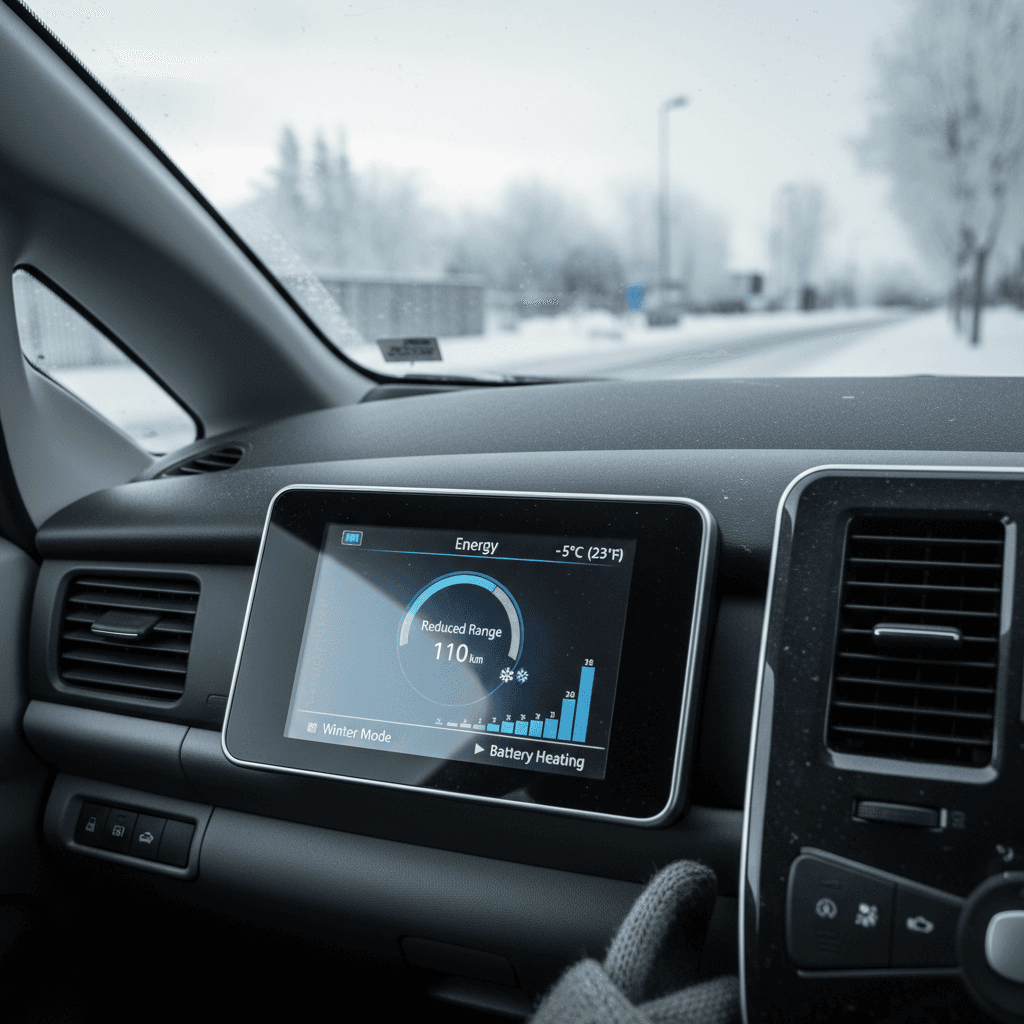
A lithium‑ion battery likes a Goldilocks temperature range. When the pack is cold, its internal resistance goes up. That means the car has to work harder to pull the same power, so you get fewer miles per kWh. The Leaf’s pack is passively cooled and heated, so it takes longer to warm up than packs with liquid thermal management.
2. Cabin heat is a battery hog
In a gas car, you get “free” heat from the engine. In an EV, heat is made electrically. Early Leafs with traditional resistive heaters can chew through several kilowatts just to keep the cabin warm. Newer trims with a heat pump are much thriftier, but blasting the defroster on a short hop will still eat into your range quickly.
Two more factors sneak up on Leaf drivers in winter: short trips and higher speeds. If you make lots of 3–10 mile errands, the car never gets a chance to bring the pack and cabin up to temperature efficiently, so your effective winter range loss percentage may look worse than it would on a longer drive. And like any EV, a Leaf will burn through range quickly at 70–75 mph, add freezing temps and headwinds, and the loss stacks up fast.
Know your heater hardware
Driving profiles and real‑world Leaf winter range
Let’s put some flesh on those percentages with a few realistic driving scenarios. These assume healthy batteries and typical cold‑weather driving in the northern U.S. or southern Canada.
How winter hits different Leaf drivers
Same car, different use cases, very different winter experience.
Short‑hop city commuter
Car: Early 24 kWh Leaf
Use: 6‑mile each‑way commute, errands, always parked outside.
Owner reports going from about 60–70 miles of usable summer range to 35–45 miles on the coldest days, roughly 30–40% loss, thanks to lots of heater‑heavy short trips.
Suburban mixed driving
Car: 40 kWh Leaf
Use: 25‑mile each‑way commute, mix of 45–60 mph, some city.
In mild weather the car comfortably does 130–140 miles. In winter, that drops to around 95–110 miles of confident range for most owners, about 20–30% down.
Highway winter road‑tripper
Car: 62 kWh Leaf Plus
Use: 65–75 mph interstate runs, ski trips, loaded with gear.
Real‑world mild‑weather range of 190–210 miles might fall to 130–160 miles on cold, fast highway drives, roughly 25–35% loss, especially if you’re climbing grades and running full heat.
Owner reports back this up: some Leaf Plus drivers see winter consumption jump from roughly 4.0 mi/kWh in shoulder seasons to 3.0–3.3 mi/kWh in deep winter. Translate that, and it’s a comfortable 15–25% winter range loss on longer drives, worse on short ones.
7 ways to cut Nissan Leaf winter range loss
You can’t cheat physics, but you can work with it. Here are practical ways to keep that Nissan Leaf winter range loss percentage on the lower end of the spectrum.
Winter driving playbook for Leaf owners
1. Precondition while plugged in
Use the climate timer or remote climate control to warm the cabin while the car is still charging. That way, the grid, not your battery, pays for the biggest heating load, and the pack starts out warmer.
2. Favor heated seats and wheel over cabin heat
Heated seats and steering wheel use far less energy than blasting hot air. Set the cabin a little cooler, let the seat do the heavy lifting, and you’ll see fewer miles vanish from the guess‑o‑meter.
3. Combine errands into fewer, longer trips
Every time you start from a cold soak, the car has to invest energy warming the cabin and, slowly, the battery. String errands together so you warm things once and then stay in the efficient zone.
4. Slow down a notch on the highway
Aerodynamic drag climbs quickly with speed. Dropping from 75 to 65 mph can save a surprising chunk of energy in cold, dense winter air, often more than the heater is using.
5. Use Eco mode and gentle acceleration
Eco mode tames throttle response and can soften heater demand. It won’t magically fix bad planning, but it nudges you toward smoother, more efficient driving habits.
6. Park indoors or out of the wind when possible
Even a basic carport or parking garage can keep the pack a few degrees warmer than an open, windy lot. That’s free battery conditioning that pays off in the first few miles.
7. Keep tires properly inflated
Cold weather drops tire pressure. Under‑inflated tires increase rolling resistance and chew through range. Check pressures monthly in winter and set them to the door‑jamb spec when tires are cold.
Good news for used Leaf buyers
Ready to find your next EV?
Browse VehiclesShopping used? Winter checklist for Nissan Leaf buyers
Winter range can turn a great used‑Leaf deal into a daily stress test if you choose the wrong car for your life. Here’s how to sanity‑check a Leaf for your climate before you sign anything.
Key winter questions before you buy a used Leaf
Match the car’s real capabilities to your cold‑weather routine.
1. Map your longest ugly‑day drive
Think worst case: freezing rain, headwind, highway detours. How many miles is your longest daily round trip, realistically? Add at least a 30–40% buffer to cover winter losses and unexpected errands.
2. Check battery health and history
On any used Leaf, ask for state‑of‑health (SOH) data, not just the dash bars. A 40 kWh Leaf at 90% SOH will feel very different in winter from one at 75%. Recharged includes this in the Recharged Score so you’re not guessing.
3. Consider your climate zone
In a mild U.S. climate (Mid‑Atlantic, Pacific Northwest), you may only see 15–25% losses most of the time. Upper Midwest or Canada, with long periods below 10°F, can push Leaf winter loss into the 30–40% range on some days.
4. Home charging situation
Overnight Level 2 charging makes winter with a Leaf far easier. If you can start every morning with a full battery and a preconditioned cabin, even a modest‑range Leaf can handle more winter duty than you might think.
When a 24 kWh Leaf is a bad idea
When a Leaf might be too limited for your winter use
I love small EVs, but there are honest cases where a Leaf, especially an older, smaller‑battery example, isn’t the right winter tool. It’s better to admit that now than to wake up to a car that can’t do your Tuesday.
- You regularly need to drive 70+ winter miles at 65–75 mph with no reliable charging at your destination.
- Your area spends weeks well below 0°F (−18°C), and parking is always outside and uncovered.
- You’re considering a 24 or 30 kWh Leaf that already shows significant battery degradation.
- You frequently haul a full car of people and gear through hilly terrain in winter.
If one or more of those sound like your life, you don’t have to give up on the Leaf entirely, just aim higher on battery size and health. A strong 40 kWh or 62 kWh car can turn a marginal winter into an easy one. And if you’re not sure, talking with an EV‑specialist team like Recharged can help you pressure‑test your daily route against a specific car’s battery report.
FAQ: Nissan Leaf winter range loss percentage
Common questions about Nissan Leaf winter range
Bottom line: planning winter driving in a Nissan Leaf
When you hear that a Nissan Leaf can "lose half its range" in winter, what you’re usually hearing is an extreme case: a small‑battery car, short trips, deep cold, and the heater on full blast. For most owners, the real winter range loss percentage lives closer to 20–30% in everyday cold weather, and careful driving habits can keep it toward the lower end of that range.
The key is to start with honest numbers. Know your longest ugly‑weather day, add a healthy buffer, and choose a Leaf, with the right battery size and health, to match. If you’re shopping used, a platform like Recharged does that math with you: every car comes with a Recharged Score battery health report, fair‑market pricing, financing options, and EV‑specialist guidance. Get that right, and winter in a Leaf stops being a question mark and starts feeling like any other day you turn the heated seat on and enjoy the quiet.