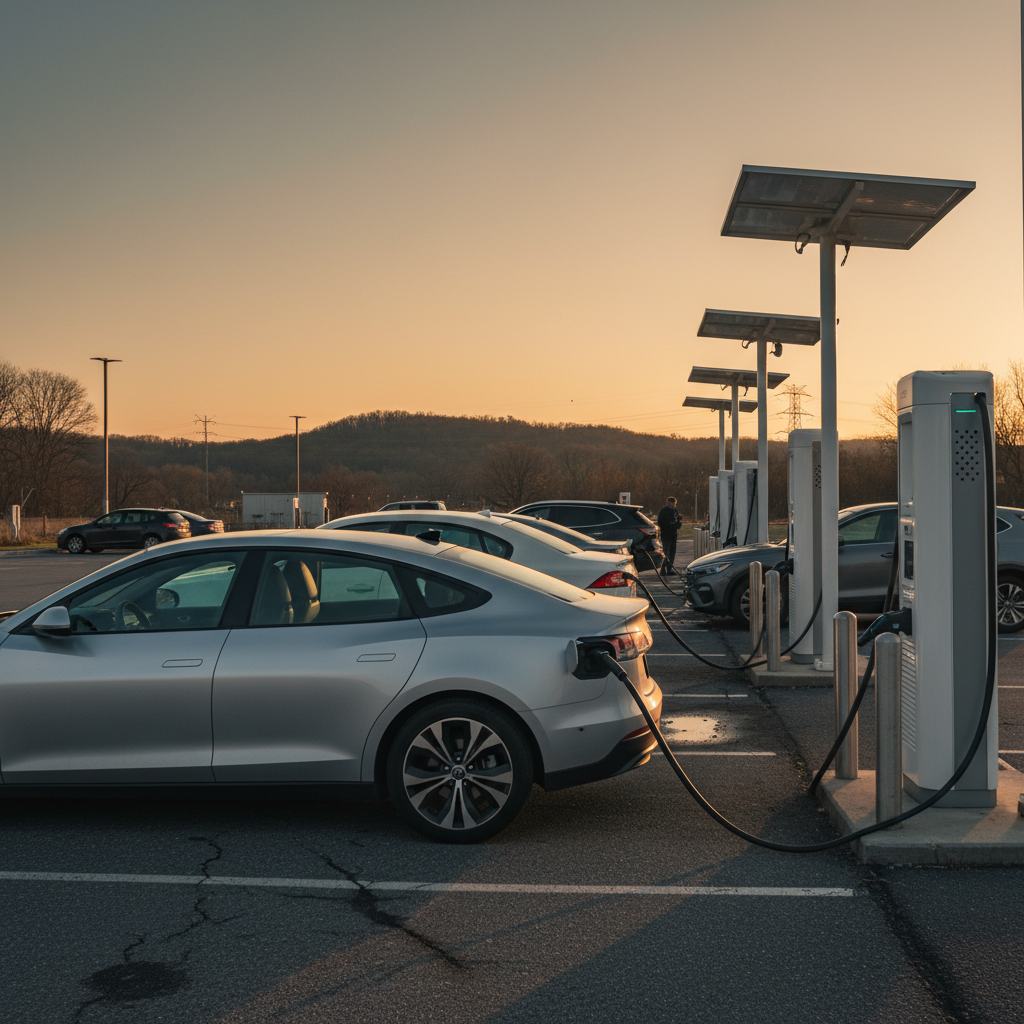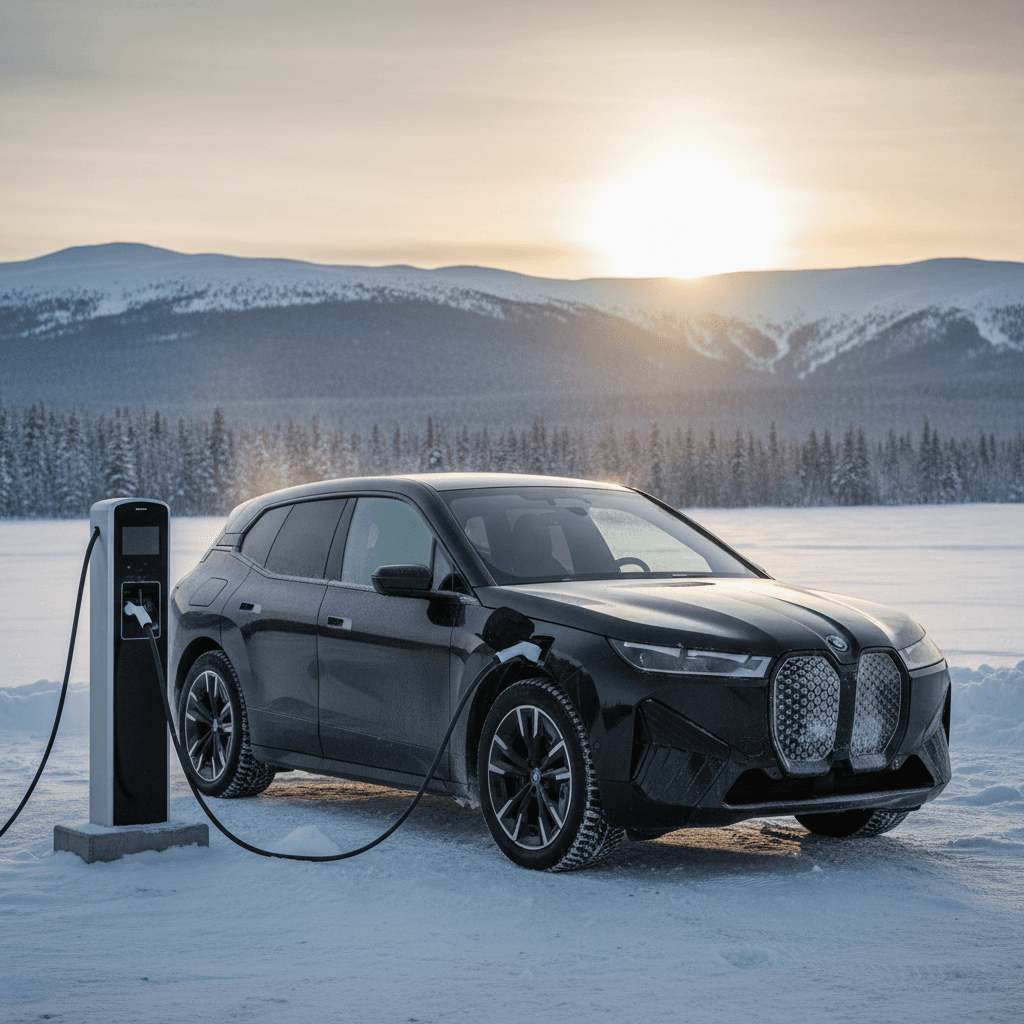
If you own or are considering a Nissan Leaf, you’ve probably heard horror stories about winter range loss: trips that suddenly feel too long, guess-o-meters falling faster than the odometer, and batteries that seem to “shrink” when temperatures drop. The reality is that every EV loses range in the cold, but the Nissan Leaf’s design means you’ll notice it more than with some newer models. This guide explains how much winter range loss is normal for a Leaf, why it happens, and what you can realistically do about it, especially if you’re looking at a used Leaf in a cold-weather state.
Cold isn’t killing your Leaf battery
Nissan Leaf winter range loss: what’s actually happening
Lithium‑ion batteries hate extremes. In winter, the chemistry inside the cells slows down, internal resistance goes up, and your Leaf has to spend precious energy simply staying warm and heating the cabin. On top of that, the Leaf’s early generations lack active thermal management, so the pack can’t warm itself as effectively as some newer EVs.
- Cold battery = less usable energy. At freezing temps, you may only be able to tap 60–80% of your usual practical range until the pack warms up through driving.
- Cabin heat is expensive. Unlike many newer EVs, most Leafs use energy‑hungry resistive heaters instead of an efficient heat pump. Running the heater on full blast can pull 3–5 kW by itself, similar to cruising power at city speeds.
- Air is denser in winter. Highway driving takes more energy, especially with winter tires and slush increasing rolling resistance.
Put it together and a Leaf that comfortably does 130–150 miles in mild weather might struggle to deliver 80–100 miles when it’s below freezing, particularly if you rely on climate control and highway speeds.
How much winter range loss is normal on a Nissan Leaf?
Typical Nissan Leaf winter range loss
Across the industry, modern EVs typically retain around 80% of their rated range in freezing conditions. The Nissan Leaf generally does worse: multiple real‑world datasets show Leafs retaining roughly 60–80% of their EPA range around freezing temperatures, depending on battery size, driving profile, and heater use. In other words, losing about a third of your summer range in winter is very normal for a Leaf.
Rough real-world Nissan Leaf winter range estimates
These are conservative, planning‑friendly estimates for steady winter driving around freezing temperatures (about 32°F/0°C) with some heater use. Your actual numbers will vary with speed, terrain, and climate control habits.
| Battery & Era | EPA Rated Range* | Mild Weather Realistic | Cold Weather Planning Range (Freezing) |
|---|---|---|---|
| 24 kWh (2011–2015) | 73–84 mi | 55–70 mi | 35–50 mi |
| 30 kWh (2016–2017) | 107 mi | 80–95 mi | 50–70 mi |
| 40 kWh (2018+ base) | 149–151 mi | 115–135 mi | 70–100 mi |
| 60/62 kWh (Leaf Plus) | 212–226 mi | 165–190 mi | 105–145 mi |
Plan around the lower end of these ranges if you can’t afford surprises.
These are planning numbers, not promises
If your Nissan Leaf seems to deliver roughly the planning ranges above on full charges in “normal” winter driving, it’s probably working as intended. The bigger concern isn’t that winter shrinks range, that’s just physics, it’s whether your Leaf’s summer range is already compromised by degradation or weak cells before winter even starts.
Leaf battery sizes and what they really deliver in the cold
How different Leaf batteries behave in winter
Older packs are more sensitive to cold and degradation. Newer packs have more buffer, but no magic.
24 kWh Leafs (2011–2015)
These early Leafs were revolutionary, but in today’s terms they’re short‑range city cars, especially in winter.
- Original EPA: ~73–84 miles.
- Many used examples have noticeable degradation already.
- In real winter driving, plan around 35–50 miles between charges, sometimes less.
Great as a second car for short commutes; stressful for highway or rural use in cold climates.
30 kWh Leafs (2016–2017)
These gained capacity but still use the same basic passive‑cooled chemistry.
- EPA: ~107 miles new.
- Winter: expect ~50–70 realistic miles if the pack is healthy.
- Fast charging and hot climates accelerate degradation.
In snowy states, you’ll want frequent home charging and limited highway use in deep winter.
40 & 60/62 kWh Leafs (2018+ and Plus)
Modern Leafs have much more headroom, which makes winter loss easier to live with.
- 40 kWh: ~149–151 miles EPA, often 70–100 miles in winter.
- 60/62 kWh Plus: ~212–226 miles EPA, commonly 105–145 miles in winter.
- More range means you feel a 30% loss less acutely.
If winter range is a top concern, the Plus models are by far the most forgiving.
Why the Nissan Leaf can struggle more than some EVs in winter
1. Limited thermal management, especially on older Leafs
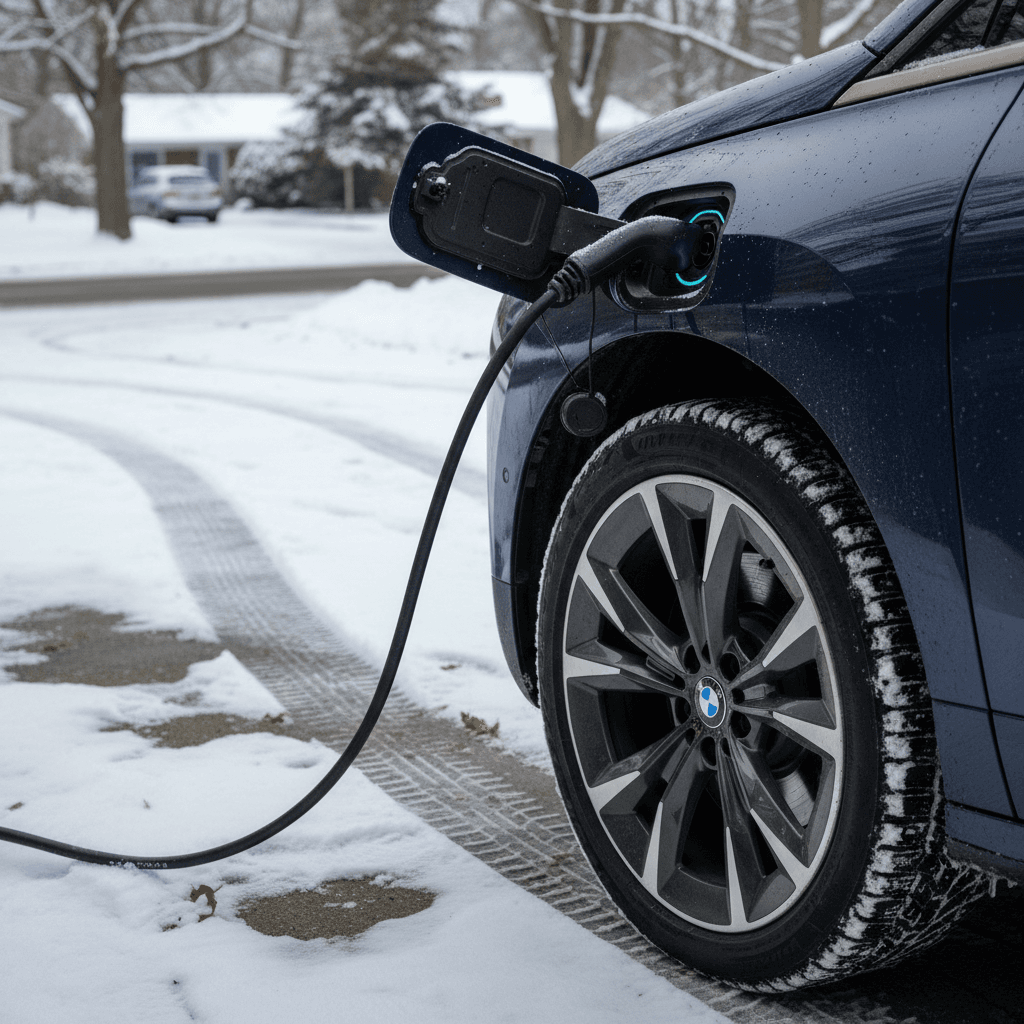
Until very recently, the Leaf relied heavily on passive cooling and has limited ability to heat or cool its battery pack compared to liquid‑cooled rivals. In hot weather that accelerates long‑term degradation; in cold weather it means the pack simply stays cold longer, especially on short trips.
That’s why many owners see the state of charge and range estimate plunge under load on a cold day, then partially recover when they back off the accelerator. The pack voltage is sagging because cold cells can’t deliver current as easily, and the Leaf’s guess‑o‑meter is trying, and failing, to keep up.
2. Cabin heating design and missing heat pump on many trims
Heating the cabin is the single biggest energy draw in winter besides propulsion. Many Leafs use resistive heaters that work like an electric space heater, drawing several kilowatts when cranked up. Some trims and markets added a heat pump, but plenty of U.S. Leafs still rely mainly on resistive heat.
If you cruise at 4–5 kW on a flat road and your heater is pulling another 3–4 kW, you’ve almost doubled your consumption. That’s why smart climate‑control habits are so important for Leaf owners in the winter months.
Watch for “SOC freefall” on very cold days
Driving strategies to cut Nissan Leaf winter range loss
You can’t completely beat winter physics, but you can shrink the penalty. For many Leaf owners, smart driving habits reclaim 10–20 miles of usable winter range, often the difference between relaxed and stressful commutes.
Winter driving habits that give your Leaf more usable range
1. Preheat while plugged in, not on the road
Use the timer or app to warm the cabin and (indirectly) the battery while the car is still charging. That way, grid power, not your battery, pays for the worst of the heating. This is especially helpful on 24–30 kWh Leafs, where every mile counts.
2. Rely on seat and steering‑wheel heaters first
These draw far less power than blowing hot air. In moderate cold, many Leaf drivers stay comfortable using mostly heated seats and wheel, with the cabin temp set just high enough to keep windows clear.
3. Keep speeds down in deep cold
Above 60–65 mph, aerodynamic drag dominates. In heavy, cold air, slowing just 5–10 mph can add a surprising amount of range, often more than turning the heater off would.
4. Use Eco mode in winter
Eco mode softens throttle response and can dial back climate control consumption. It’s not magic, but it makes it easier to drive smoothly and avoid wasteful acceleration that drains a cold battery faster.
5. Avoid short, back‑to‑back trips on a cold pack
Five separate 4‑mile errands from a cold start will eat much more range than a single 20‑mile loop, because you’re paying the cabin‑heating penalty repeatedly while the battery never really warms up.
6. Plan routes with fewer elevation swings when possible
Climbing a big hill on a cold battery often triggers scary‑looking range drops as the pack voltage sags. If there’s a flatter alternative route that adds a couple of minutes but saves energy, it may be worth it in deep winter.
Think in energy, not just miles
Charging habits that help your Leaf in cold weather
How and when you charge your Leaf has a big impact on how much usable range you see in winter, and on how healthy that battery will be five or ten years from now, especially on older, passively cooled cars.
- Time charging to finish near departure. If your Level 2 session wraps up shortly before you leave, the pack will be a little warmer and more willing to deliver power and accept regen.
- Avoid frequent DC fast charging on a frozen battery. Quick charging is a great tool, but repeatedly hitting a very cold pack with high power can add stress. If you must DC fast charge in winter, drive a bit first to warm the pack, and don’t always charge to 100%.
- At home, Level 2 is your friend. A 240‑V home charger is ideal for daily use, gentle on the battery and convenient. If you only have Level 1 (120‑V), expect much longer charge times in cold weather and plan accordingly.
- Don’t chase 100% unless you need it. In normal use, keeping the Leaf between roughly 20–80% state of charge reduces long‑term stress. Save full charges for days when you truly need the extra buffer, especially on older 24–30 kWh packs.
How Recharged helps with winter readiness
Ready to find your next EV?
Browse VehiclesWhen winter range loss might signal a battery problem
Not every dramatic winter range drop is “just the cold.” Sometimes, big swings reveal a pack that’s already struggling. That’s especially true of some 40 and 60/62 kWh Leafs where a handful of weak cells can drag down the whole pack under load.
Red flags that suggest more than normal winter loss
1. Massive drops on mild days
If you’re seeing 30–40% apparent range loss at 45–50°F with modest heater use, your Leaf may have more going on than seasonal behavior, particularly if summer range already feels short.
2. Sudden SOC “freefall” under normal acceleration
On a healthy pack, the charge display should drop roughly in proportion to distance driven. If the gauge plunges during modest climbs or freeway merges and then bounces back when you ease off, weak cells or voltage sag could be the culprit.
3. Turtle mode at high displayed state of charge
If the car is dropping into power‑limited turtle mode with, say, 20–30% showing on the gauge and temperatures only moderately cold, that’s worth professional investigation, not just a heavier coat.
4. Big mismatch between summer and winter behavior
All EVs lose range in winter, but if your Leaf is already barely meeting your needs in summer, a big winter drop can expose underlying battery wear. A proper capacity test or a third‑party scan can separate normal seasonal loss from genuine degradation.
Why a real battery health report matters
Shopping for a used Nissan Leaf if you live with real winters
If you’re in the U.S. snowbelt, Rockies, or upper Midwest, a Nissan Leaf can absolutely work, but you need to buy with winter in mind. The right Leaf in the wrong climate or use case is how you end up on forums complaining that your car “lost half its range” overnight.
Cold‑climate Leaf buyer playbook
Match the car to your winter reality, not just the brochure range.
Questions to ask yourself
- How long is your worst‑case winter day? Think distance, speed, and whether you can plug in at work or mid‑trip.
- How often will you do it? Daily commute, occasional errands, or rare long trips?
- Where will the car sleep? A garage can easily be worth 10+ miles of effective winter range versus open‑air street parking.
- Do you have or plan to install Level 2 at home? If not, you’ll need more buffer, especially on older packs.
What to look for in the car
- Battery size & health: In cold climates, a 40 kWh or Leaf Plus with a healthy pack is dramatically more livable than an aging 24–30 kWh Leaf.
- Heated features: Heated seats and steering wheel are more efficient and more comfortable in the cold.
- Real battery diagnostics: Ask for a recent capacity test or battery health report, not just the dash SoC bars.
- Service history: Look for signs of heavy fast‑charging or severe hot‑climate use if you’re buying a car that migrated from the Sun Belt.
Buying through a specialist used‑EV retailer can simplify this a lot. At Recharged, for example, every Leaf gets a Recharged Score with verified battery health, pricing that reflects real capacity, and EV‑specialist guidance on whether its winter range fits your daily life. That kind of transparency is particularly valuable when you’re counting on a small or mid‑size pack to handle real winters.
FAQ: Nissan Leaf winter range loss
Frequently asked questions about Nissan Leaf winter range loss
Bottom line: can a Nissan Leaf handle your winter?
Every EV loses range in winter, but the Nissan Leaf’s mix of relatively simple thermal management and, on many trims, energy‑hungry cabin heaters means you’ll feel it a bit more than in some newer designs. If you understand that a healthy Leaf may only deliver 60–75% of its mild‑weather range on the coldest days, and you size the battery, charging setup, and your expectations accordingly, the Leaf can still be a smart, efficient winter car.
Where Leaf owners get into trouble is assuming that the EPA number on the window sticker applies year‑round, or buying a heavily degraded small‑pack Leaf and expecting it to behave like a new long‑range EV in a snowstorm. The antidote is simple: good data and honest planning. A proper battery health report, realistic winter range expectations, and a charging plan tuned to your climate will tell you whether a particular Leaf fits your life. That’s exactly the transparency Recharged is built to provide for used EV shoppers, so your first snowy morning in a Leaf feels confident, not like a science experiment.