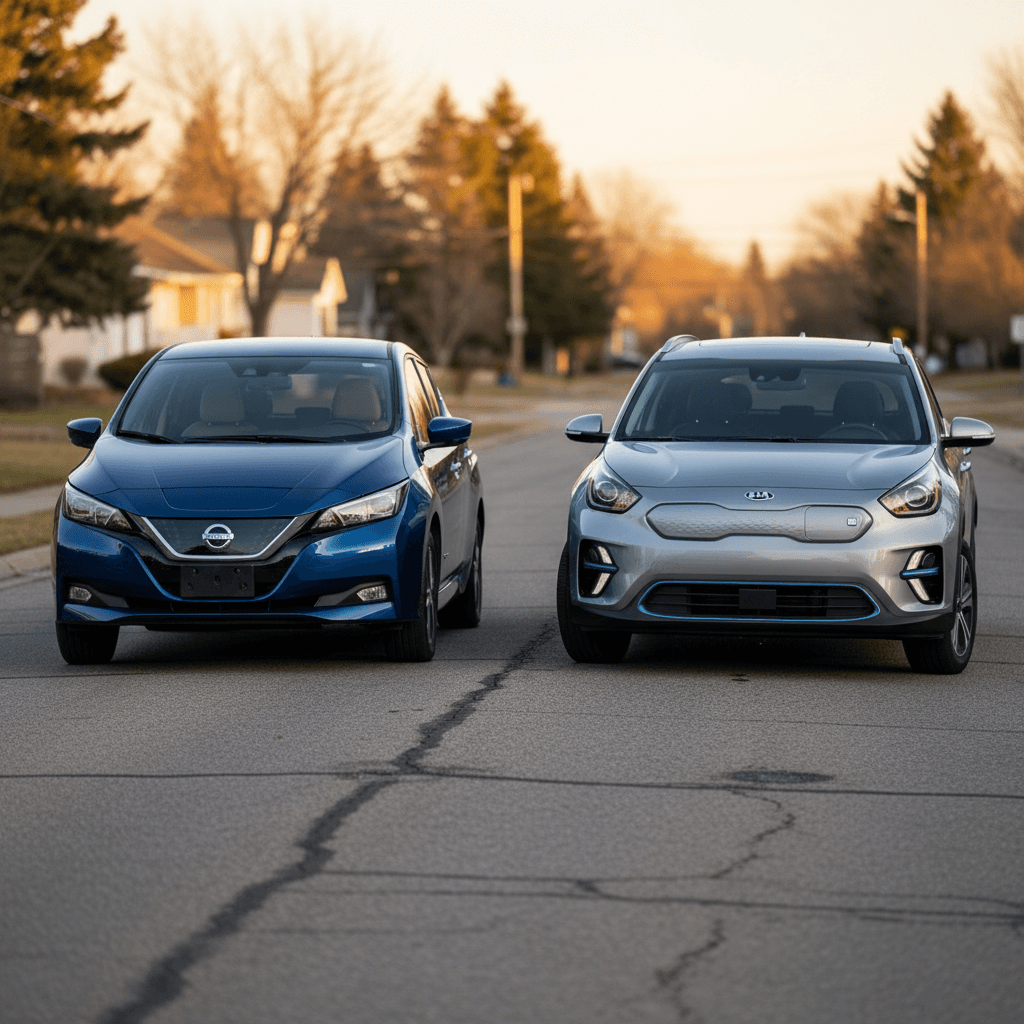
If you’re cross-shopping the Nissan Leaf vs. Kia Niro EV and asking which is better, you’re not alone. Both are compact, front‑wheel‑drive electric hatchbacks that show up frequently on the used market, but they serve slightly different kinds of drivers. The right answer depends less on the badge and more on how far you drive, where you charge, and how much space you need.
Big Picture
Nissan Leaf vs. Kia Niro EV: Quick Overview
How the Leaf and Niro EV differ at a glance
Think of the Leaf as a value urban commuter and the Niro EV as a do‑it‑all compact crossover.
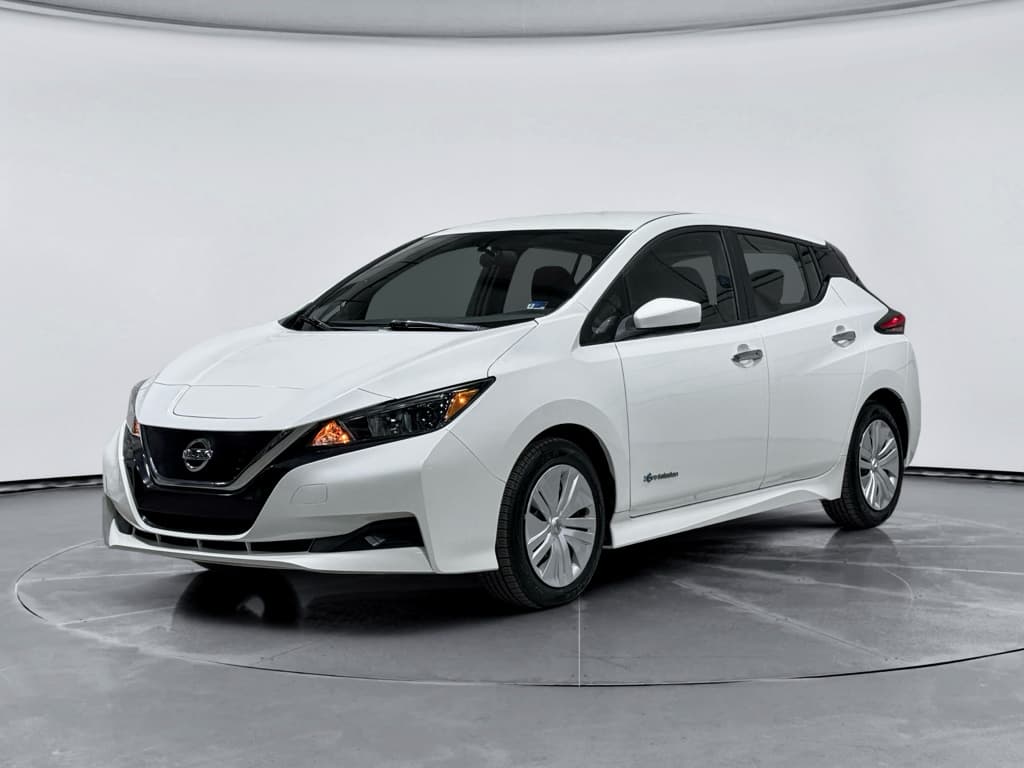
Nissan Leaf: Budget-Friendly Urban EV
- Body style: Compact hatchback
- Typical usable range (recent models): ~150–215 miles depending on battery
- Fast charging: CHAdeMO only
- Strengths: Low prices on the used market, easy to park, good for short to medium commutes
- Watch for: Older battery packs with more degradation, CHAdeMO network shrinking in the U.S.
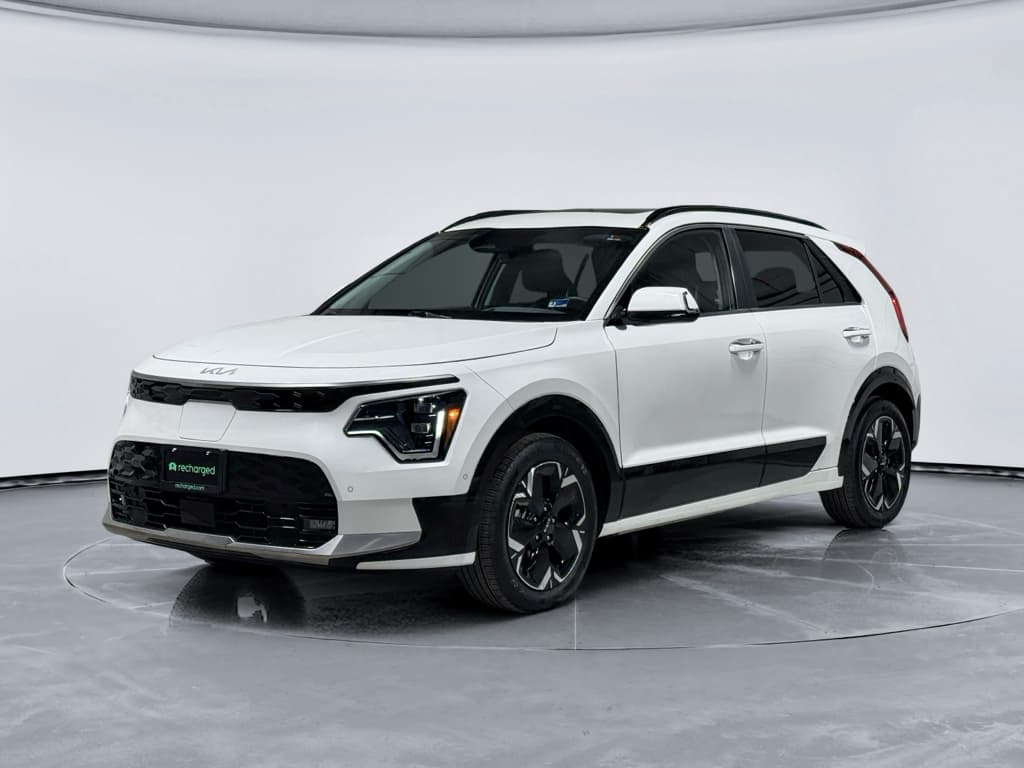
Kia Niro EV: Versatile Small Crossover
- Body style: Subcompact crossover
- EPA range (64.8 kWh pack): about 239–253 miles depending on year and trim
- Fast charging: CCS1 DC fast charging, up to ~85 kW on recent models
- Strengths: More range and cargo room, modern tech, comfortable for road trips
- Watch for: Higher purchase price, modest fast‑charge speeds vs newer EVs
Leaf vs. Niro EV: Key Numbers
Core Specs: Leaf vs. Niro EV at a Glance
Nissan Leaf vs. Kia Niro EV: Key Specifications (Recent Model Years)
Approximate specs for late‑generation Leaf (40 & 60 kWh) vs. current‑generation Niro EV with 64.8 kWh battery. Always verify exact numbers for the model year you’re shopping.
| Spec | Nissan Leaf (40 kWh) | Nissan Leaf SV Plus (60 kWh) | Kia Niro EV (64.8 kWh) |
|---|---|---|---|
| Usable battery capacity | ~40 kWh | ~60 kWh | 64.8 kWh |
| EPA range (approx.) | ~149 miles | Up to ~212 miles | ~239–253 miles |
| Horsepower | 147 hp | 214 hp | 201 hp |
| DC fast‑charge connector | CHAdeMO | CHAdeMO | CCS1 |
| Max DC fast‑charge power | ~50–100 kW (site‑dependent) | ~100 kW peak in ideal conditions | ~85 kW peak, ~43–45 minutes 10–80% |
| 0–60 mph (mag tests, approx.) | ~7.5–8.0 seconds (SV Plus quicker) | ~7.0 seconds range | ~7.5 seconds |
| Cargo volume behind 2nd row | About 23.6 ft³ (varies by year) | About 23.6 ft³ | About 22.8–23 ft³ |
| Seating | 5 passengers | 5 passengers | 5 passengers |
Specs vary slightly by model year, trim, and wheel choice. Treat these as ballpark figures when comparing used examples.
Check the exact year and trim
Range and Battery: How Far Can You Really Go?
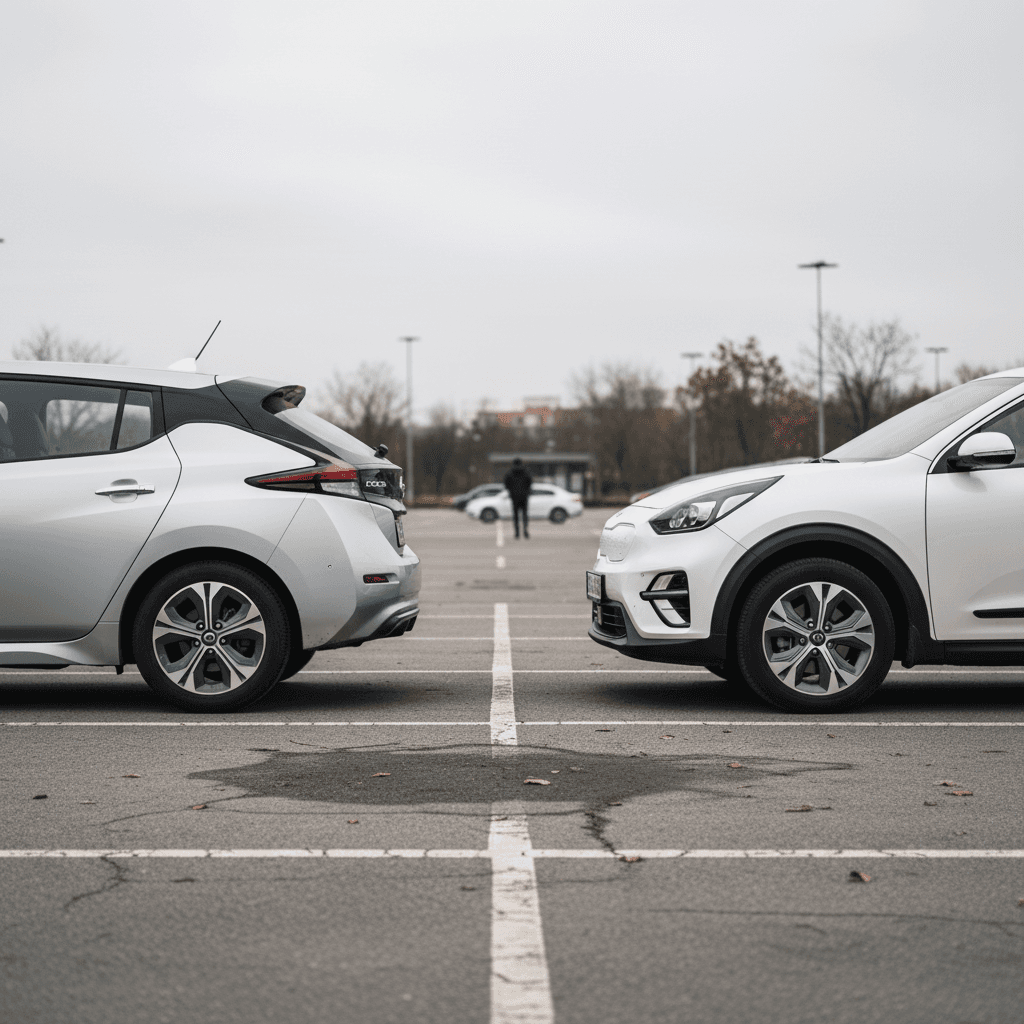
Range is usually the first question shoppers ask, and it’s where the Kia Niro EV pulls ahead. A late‑model Niro EV with the 64.8 kWh battery is rated around 239–253 miles of EPA range, depending on trim and wheel size. Recent Leaf models top out at about 212 miles for the SV Plus with the larger 60 kWh battery, while the 40 kWh versions sit closer to 149 miles. In day‑to‑day driving, that gap is noticeable if you regularly see highway speeds or colder weather.
When the Leaf’s range is enough
- Short daily commutes: If you’re doing 30–60 miles a day and can charge at home, even a 40 kWh Leaf is comfortable.
- Second car duty: School runs, errands, and in‑town driving rarely expose its shorter range.
- Low acquisition cost: You may be able to afford a newer, lower‑mileage Leaf for the same money as an older Niro EV.
When the Niro EV’s extra range pays off
- Longer daily drives: If you’re regularly out past 80–100 miles a day, the Niro’s bigger battery buys you buffer.
- Weekend trips: 240+ miles of rated range gives you more flexibility between DC fast charges.
- Battery aging: All batteries lose capacity over time, so starting with more range gives you more room to age.
Real-world range reality check
Charging and Connector Types: CHAdeMO vs. CCS (and NACS)
Here’s one of the most important, and often overlooked, differences in the Nissan Leaf vs Kia Niro EV which is better debate: the charging port. The Leaf uses the older CHAdeMO DC fast‑charging standard in North America, while the Niro EV uses CCS1. As more networks and automakers move toward CCS and the Tesla‑style NACS connector, CHAdeMO stations are slowly disappearing in many regions.
Leaf CHAdeMO vs. Niro EV CCS1: What it means in practice
Your connector choice affects how easy road trips will be in 3–5 years, not just tomorrow.
Nissan Leaf – CHAdeMO
- Pros: Older networks like early Electrify America sites and some local utilities still support CHAdeMO; usually simple to use.
- Cons: Most new DC fast chargers are CCS/NACS only; some sites now have one CHAdeMO plug vs. several CCS plugs.
- Long‑term outlook: Expect declining availability; good for local use but increasingly limiting for cross‑country trips.
Kia Niro EV – CCS1
- Pros: CCS has become the de facto standard for non‑Tesla fast charging in the U.S.; more stalls per site and wider coverage.
- Cons: Peak charging speed (~85 kW) is decent but not cutting‑edge; you’ll spend longer at a fast charger than owners of some newer EVs.
- Long‑term outlook: As NACS rolls out, CCS adapters and dual‑standard hardware will likely keep the Niro better supported than CHAdeMO cars.
Don’t ignore fast‑charging if you road-trip
For primarily home‑charging owners who rarely drive beyond their Leaf’s range, the CHAdeMO limitation is less painful. But if you want an EV that can comfortably handle both commuting and road trips over the next 5–8 years, the Niro EV’s charging standard is the safer bet.
Space, Comfort, and Practicality
From the driver’s seat, both cars feel like compact, easy‑to‑maneuver vehicles. But the Kia Niro EV has a more SUV‑like stance, with a slightly higher seating position and a boxier cargo area. That makes it easier to load strollers, luggage, or dogs compared with the Leaf’s lower, more traditional hatchback shape.
- Both offer seating for five, but the Niro’s rear seat feels a bit more accommodating for adults on longer drives.
- Cargo space behind the rear seats is broadly similar on paper, but the Niro’s squared‑off hatch makes bulky items easier to fit.
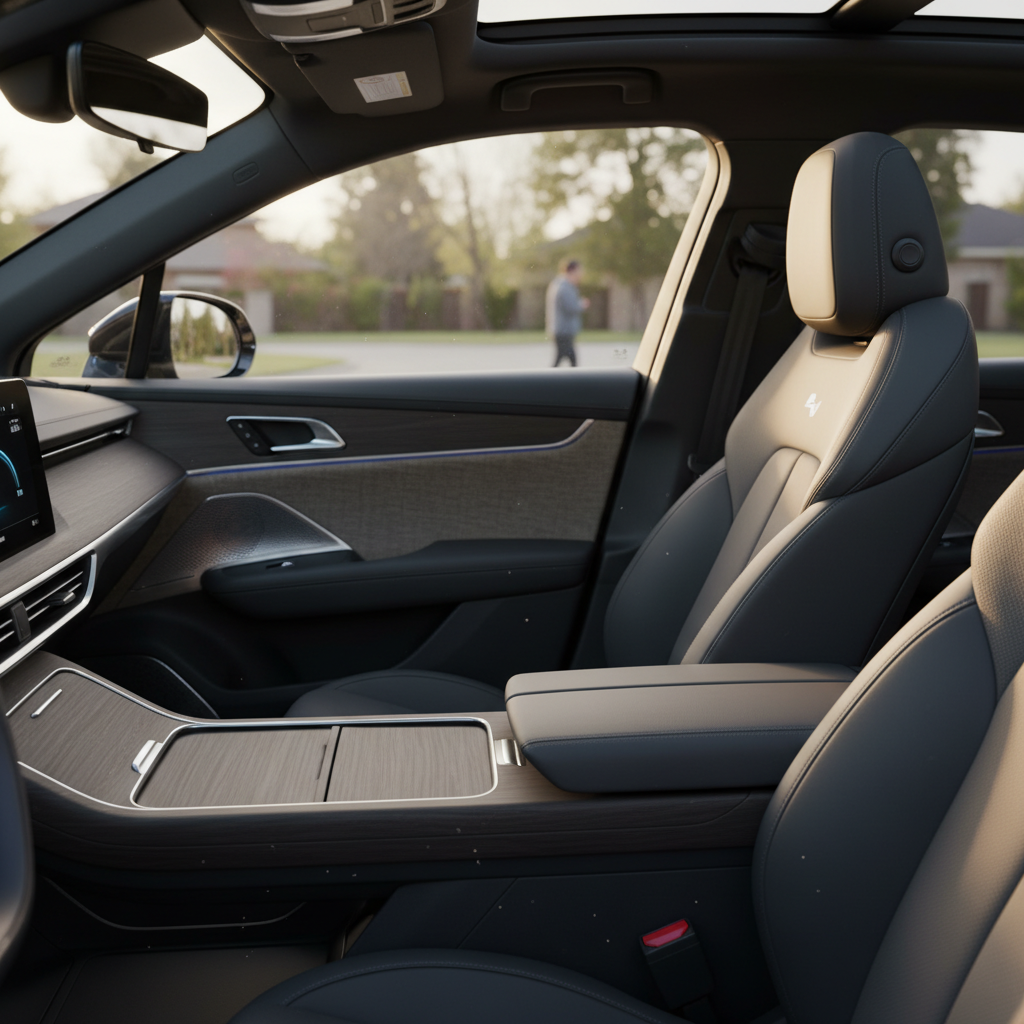
- The Niro EV’s cabin design and infotainment feel more in line with current crossovers; older Leafs can feel dated inside even if the fundamentals are solid.
- If you have kids in car seats or frequently haul taller cargo, the extra vertical space in the Niro is genuinely useful.
Family-hauler perspective
Driving Experience and Performance
Neither of these EVs is a performance hero, but they’re quick enough that they don’t feel out of their depth in modern traffic. The Leaf SV Plus and the Niro EV both live in the roughly 200 hp neighborhood, with instant electric torque giving them a responsive feel around town.
Nissan Leaf driving character
- City-friendly: Compact size and light steering make it effortless in tight urban spaces.
- Low‑end punch: Instant torque gives you brisk launches from stoplights, especially in the higher‑power Plus versions.
- Highway feel: Earlier Leafs can feel a bit soft and less composed at 75+ mph compared with newer EVs.
Kia Niro EV driving character
- More planted: The Niro feels a bit more solid and refined at highway speeds.
- Comfort bias: Suspension tuning favors comfort over sharp handling; great for commuting and family duty.
- One‑pedal driving: Strong regenerative‑braking modes make in‑town driving smooth and efficient.
Everyday drivability
Reliability, Battery Health, and Warranty Support
Early Nissan Leafs earned a reputation for noticeable battery degradation in hot climates, especially the first generation without active battery cooling. Later models improved, but battery health still varies widely car to car based on age, mileage, and climate. The Kia Niro EV, by contrast, uses a liquid‑cooled pack and is generally regarded as robust, though no brand is completely free of issues.
Reliability themes from owners and industry data
Always judge the specific car in front of you, but patterns matter.
Nissan Leaf battery health
- Older Leafs (especially in hot states) can show noticeable range loss.
- Later models fare better, but pack health still swings based on use.
- Battery warranty on newer Leafs is typically 8 years/100,000 miles for capacity and defects, but may be expired on older used cars.
Kia Niro EV track record
- Recent Niro EVs generally score well in reliability surveys and owner forums.
- Liquid‑cooled packs tend to age more gracefully when properly maintained.
- Long factory warranties (often 10‑year powertrain in the U.S., mileage‑limited) are a plus when buying newer used examples.
Why a battery health check matters
- Two same‑year cars can have very different real‑world range.
- Objective testing lets you compare cars apples‑to‑apples.
- At Recharged, every vehicle comes with a Recharged Score battery health report, so you know what you’re getting before you buy.
Do not skip a battery health report
Ownership Costs and Resale Value
On the used market, the Nissan Leaf usually undercuts the Kia Niro EV on price. That’s great news if you’re budget‑conscious, but there are trade‑offs.
Cost factors to weigh before you pick a winner
Purchase price today
Used Leafs are among the most affordable EVs you can buy in the U.S. A comparable‑year Niro EV will typically cost several thousand dollars more, reflecting its larger battery, longer range, and crossover body style.
Fuel and maintenance savings
Both vehicles dramatically reduce fuel and routine maintenance versus a gas car. Tire rotations, cabin filters, brake service, and coolant checks (for the Niro EV) dominate the maintenance schedule.
Insurance and taxes
Insurance quotes can vary by region and trim. Some states still offer EV‑specific registration fees or incentives, so get quotes based on the exact VINs you’re considering.
Depreciation and resale
Leaf values have fallen harder in part because of CHAdeMO and earlier battery‑aging concerns. The Niro EV’s stronger range, CCS charging, and crossover form factor give it an edge in future desirability.
Value vs. staying power
Nissan Leaf vs Kia Niro EV: Which Is Better for You?
There isn’t a single universal winner in the Nissan Leaf vs. Kia Niro EV debate. Instead, each one shines for a particular kind of driver. Think about your real‑world use pattern and match it to the profile that fits you best.
Who should choose which?
Use these profiles as a starting point, not a verdict carved in stone.
Choose a Nissan Leaf if…
- You mainly drive around town and rarely exceed 80–100 miles in a day.
- You can charge at home and don’t depend on DC fast charging.
- You want the lowest upfront price and are comfortable shopping carefully for good battery health.
- You’re okay treating it as a commuter or second car rather than a long‑distance road‑tripper.
Choose a Kia Niro EV if…
- You want an EV that can handle daily commuting and weekend trips with fewer compromises.
- You value more range, more cargo versatility, and CCS fast‑charging.
- You’d like a more modern interior and tech experience.
- You’re thinking about long‑term ownership and future resale value.
When you’re comparing two good EVs, the best choice is rarely the one with the flashiest spec sheet. It’s the one that matches how you actually live and drive, not how you imagine you might someday.
Smart Used-EV Buying Tips for Leaf and Niro EV Shoppers
Shopping used is where these two cars often cross paths in the real world. Here’s how to make a smart choice whether you’re browsing classifieds or considering a certified used EV, especially if you’re looking at vehicles listed on a marketplace like Recharged.
Checklist: What to verify before you buy
1. Confirm battery size and rated range
Leafs come in different battery sizes, and some Niro EV specs vary by year. Look up the exact model year and trim to confirm whether you’re getting a 40 vs. 60 kWh Leaf or the full‑range 64.8 kWh Niro EV.
2. Get an objective battery health report
Do not rely on dashboard guess‑o‑meters alone. Ask for a third‑party report or a <strong>Recharged Score battery diagnostic</strong> so you know how much usable capacity is left compared with new.
3. Inspect the charging history and connector
Check which networks the previous owner used and how often the car was DC fast‑charged. Inspect the charge port for physical damage or corrosion, especially on older Leafs with CHAdeMO use.
4. Test your daily route
If possible, duplicate your longest regular drive on a test day. Pay attention to energy use at highway speed; this will quickly reveal whether a 40 kWh Leaf, 60 kWh Leaf, or Niro EV fits your comfort zone.
5. Review warranty coverage
For newer used examples, confirm what’s left of the original battery and powertrain warranties. A remaining battery warranty is a meaningful safety net, particularly on a higher‑mileage car.
6. Consider total cost, not just sticker price
Factor in charging access, potential adapter costs, future resale, and how long you plan to keep the car. A slightly more expensive Niro EV can be cheaper in the long run if it lets you avoid replacing it early.
How Recharged can help
Ready to find your next EV?
Browse VehiclesFAQ: Nissan Leaf vs. Kia Niro EV
Frequently Asked Questions
When you strip away the marketing and focus on how these cars actually live, the story is straightforward: the Nissan Leaf is your budget‑friendly electric commuter, and the Kia Niro EV is your more capable all‑rounder. One isn’t “right” and the other “wrong”, they’re tools built for slightly different jobs. Define your range needs, be honest about how often you’ll fast‑charge or road‑trip, insist on solid battery‑health data, and then choose the car that fits the life you actually lead. That’s how you end up with an EV you’ll be happy to live with for years, not just something that looked good on paper.