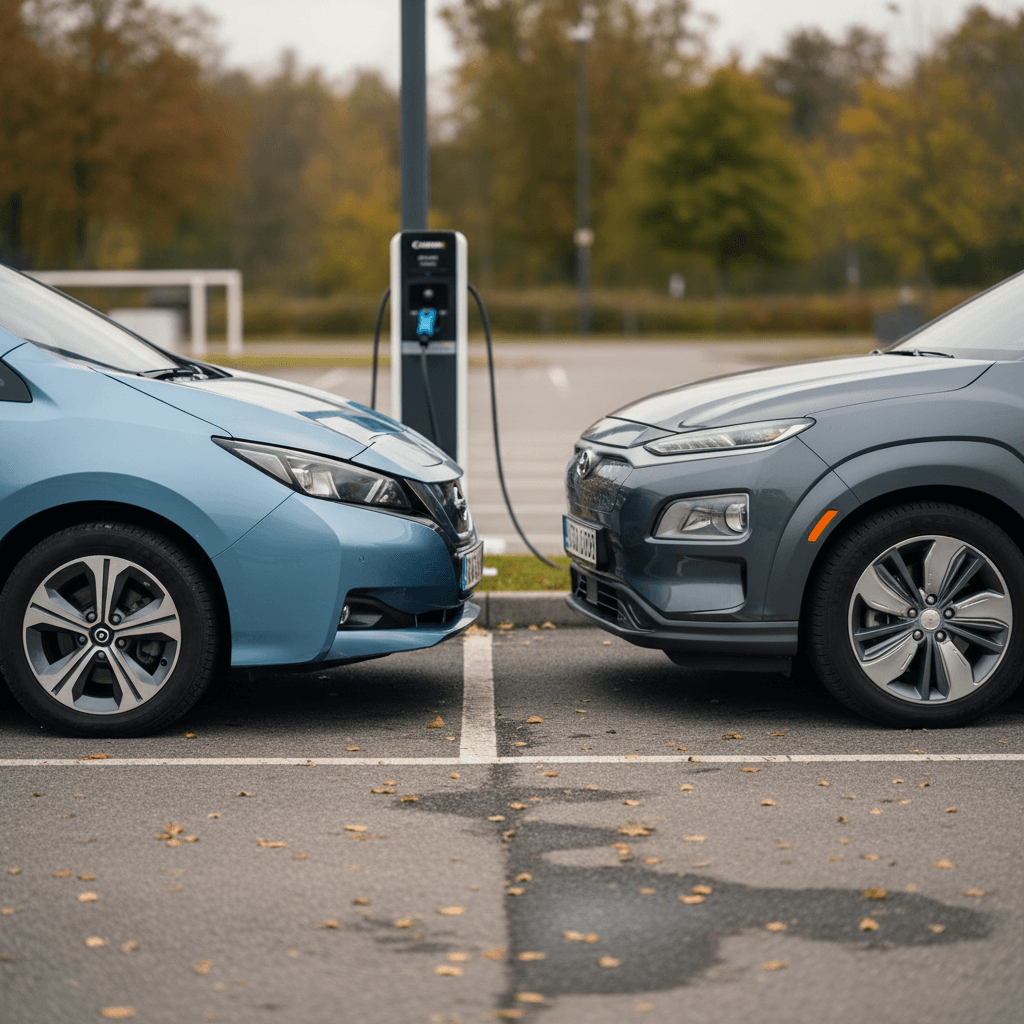
Trying to decide between a Nissan Leaf and a Hyundai Kona Electric is a classic budget-EV dilemma. Both are compact, front-wheel-drive EVs with hatchback practicality, but they take very different approaches to range, battery technology, and long-term ownership. If you’re shopping the used market, those differences matter even more than the brochure specs.
Quick Take
Nissan Leaf vs Hyundai Kona Electric: Overview
Nissan Leaf: Budget-Friendly City Specialist
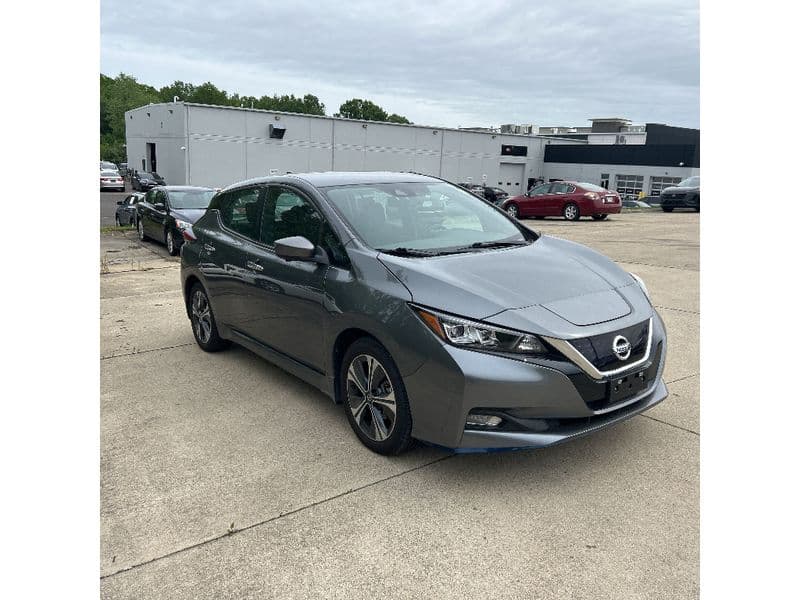
The Leaf was one of the first modern mass-market EVs, and it shows. Most U.S. models from 2018–2024 offer modest range, a relatively soft suspension, and a roomy cabin for the footprint. On the used market it’s often one of the cheapest EVs you can buy, but early generations use passive air-cooled batteries that are more vulnerable to degradation over time.
Hyundai Kona Electric: Long-Range Mini SUV
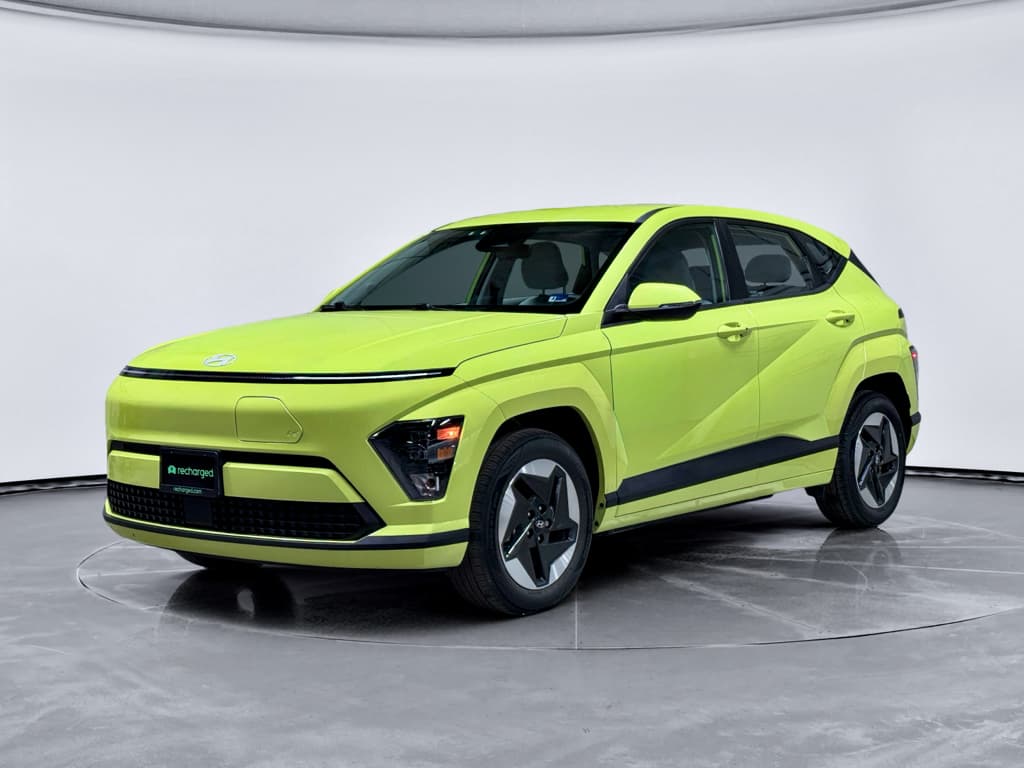
The Kona Electric arrives later but feels more modern. With a larger, liquid‑cooled battery and higher efficiency, it easily beats the Leaf on highway range. It also sits higher, with more crossover styling and stronger acceleration. You’ll usually pay more for a used Kona Electric than a comparable Leaf, but you get longer legs and a healthier long-term battery story in return.
Leaf vs Kona Electric: Headline Numbers (Recent U.S. Models)
Key Specs: Leaf vs Kona Electric at a Glance
Representative Specs: Recent U.S. Nissan Leaf vs Hyundai Kona Electric
Exact numbers vary by model year and trim, but this table captures the general differences you’ll see shopping late‑2010s to mid‑2020s used models.
| Model / Trim (typical) | Battery (usable kWh) | EPA range (mi) | Horsepower (approx.) | DC fast charging standard |
|---|---|---|---|---|
| Nissan Leaf S (40 kWh) | ~39–40 | Up to ~149 | ~147 | CHAdeMO |
| Nissan Leaf SV Plus (60 kWh) | ~59–60 | Up to ~212 | ~214 | CHAdeMO |
| Hyundai Kona Electric SE / base (~48 kWh) | ~48–49 | ~200–230 | ~133–150 | CCS |
| Hyundai Kona Electric SEL/Limited (~64–65 kWh) | ~64–65 | ~250–260 | ~201 | CCS |
Always confirm exact specs for the model year and trim you’re considering.
Spec Sheet vs Real Life
Range and Efficiency: Daily Driving vs Road Trips
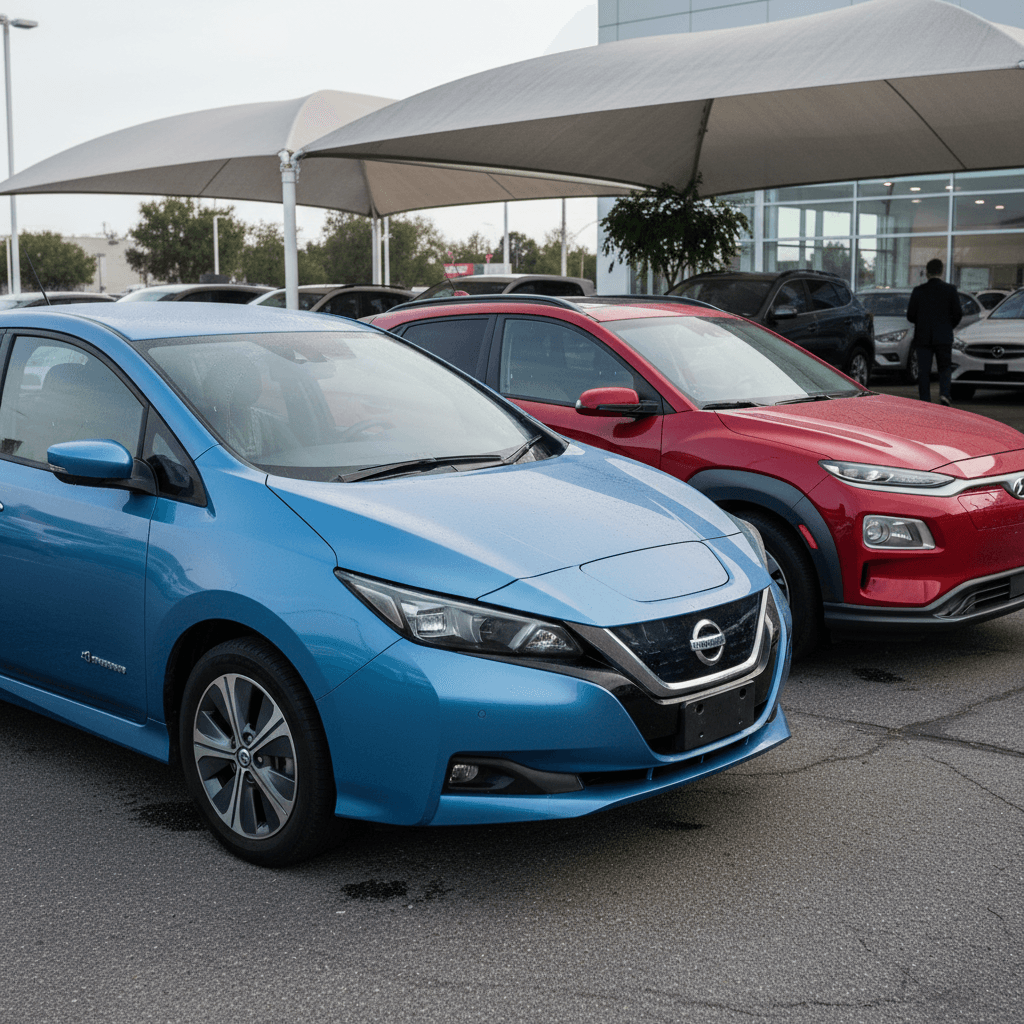
Range is where the Hyundai Kona Electric usually justifies its higher price. A typical long‑range Kona Electric with ~64–65 kWh of usable battery can deliver around 250 miles of EPA‑rated range, while many real‑world tests show efficiency near 3.8–4.5 mi/kWh in favorable conditions. The Nissan Leaf SV Plus, with a 60 kWh pack, tops out closer to ~212 EPA miles and tends to be less efficient at highway speeds due to older aerodynamics and powertrain tuning.
- If your daily driving is under ~50–70 miles and you charge at home, even a short‑range Leaf (40 kWh) is plenty, especially as a second car.
- If you regularly drive 150–200 miles in a day or dislike mid‑trip charging, a long‑range Kona Electric is the more relaxing option.
- For mixed city/highway commuting, Kona Electric’s efficiency advantage narrows the real‑world gap between its rated and actual range compared with many Leafs.
Think in “Worst‑Case Range,” Not Best Case
Battery Tech, Degradation and Warranty
Battery behavior over time is where the Leaf vs Kona Electric story really diverges. The Leaf’s earlier generations made headlines for battery degradation, particularly in hot climates. While 2018+ Leaf packs improved chemistry and durability, they still rely on passive air cooling. By contrast, the Kona Electric uses a liquid‑cooled battery, which does a better job controlling temperature during fast charging and long, hot drives.
Battery Design: Leaf vs Kona Electric
Why cooling and chemistry matter when you’re buying used
Nissan Leaf Battery
- Cooling: Passive air‑cooled pack (no liquid cooling).
- Impact: More sensitive to heat and repeated fast charges; degradation can be significant on older, high‑mileage cars.
- Warranty (typical U.S.): 8 years/100,000 miles against excessive capacity loss.
- Used market reality: Great deals exist, but battery health varies widely, inspection is critical.
Hyundai Kona Electric Battery
- Cooling: Liquid‑cooled pack with more consistent temperature control.
- Impact: Generally better long‑term capacity retention, especially in hot regions and for frequent fast‑chargers.
- Warranty (typical U.S.): Many Konas offer 10‑year/100,000‑mile battery warranties (check model year and region).
- Used market reality: Fewer “bargain basement” deals, but more confidence the pack will go the distance.
Why Battery Testing Matters More for a Leaf
Charging Experience: At Home and On the Road
Both cars are easy to live with if you can install Level 2 charging at home, but they diverge sharply once you leave your driveway. In the U.S., late‑2010s and early‑2020s Leafs use the CHAdeMO fast‑charging standard, while the Kona Electric uses CCS. That distinction deeply affects how many compatible DC fast chargers you’ll find on a road trip.
Home Charging
- Both models use a standard J1772 connector for Level 2 AC charging on most U.S. trims.
- On a 40–48 amp Level 2 charger, expect to go from near‑empty to full in 7–10 hours on both cars, depending on battery size.
- If you drive under ~60 miles a day, overnight charging is more than enough in either a Leaf or Kona Electric.
Public DC Fast Charging
- Nissan Leaf (CHAdeMO): The number of CHAdeMO stations in the U.S. is shrinking as networks prioritize CCS and NACS, making it harder to plan long trips in some regions.
- Hyundai Kona Electric (CCS): Plugs into most non‑Tesla fast‑charging networks today, and adapters are coming or available for access to NACS/Tesla Superchargers in many areas.
- In practice, a Kona Electric is much easier to road‑trip in North America than a Leaf, despite similar DC charge rates on paper.
Regional Reality Check
Space, Comfort and Everyday Usability
Cabin comfort rarely shows up on spec sheets, but you’ll feel it every day. The Leaf sits lower and feels more like a traditional compact hatchback. The Kona Electric has a slightly higher driving position and a more SUV‑like profile, which many shoppers prefer today. In the back seat, the Kona usually offers better rear legroom, while the Leaf’s upright roofline can feel a bit more airy for taller passengers up front.
Interior and Practicality Highlights
How each EV fits into daily life
Seating & Ride
Leaf: Softer, more comfort‑oriented ride with simple controls. Seats are supportive enough for city trips but can feel basic compared with newer EVs.
Kona Electric: Slightly firmer but more controlled ride. Available higher‑trim seats and modern infotainment make it feel newer inside.
Cargo & Storage
Leaf: Tall hatch and low liftover make it easy to load bulky items, though floor height and battery packaging can eat into volume.
Kona Electric: Split‑fold rear seats and a more SUV‑like shape help with daily errands, though total volume is similar on paper.
Noise & Refinement
Later‑model Kona Electrics generally feel quieter and more refined on the highway than older Leafs, with better noise insulation and modern active‑safety tech on many trims.
Ownership Costs and Used Pricing
On the used market, the Nissan Leaf almost always wins on headline price. You can find older Leafs in the U.S. for well under $15,000, and even relatively fresh 60 kWh SV Plus models often undercut comparable‑year Kona Electrics by several thousand dollars. The Kona Electric, however, tends to hold value better thanks to its longer range, modern battery cooling, and broader road‑trip usability.
Key Cost Factors to Compare
1. Purchase Price vs Battery Health
A low asking price on a Leaf can be a great deal, or a red flag. A degraded battery can erase any savings if you need to replace it early. For a Kona Electric, you’re paying extra partly for a battery that’s more likely to age gracefully.
2. Insurance and Registration
Both models sit in a similar compact‑EV insurance band, but regional differences and trim level (especially on higher‑spec Konas) can shift premiums. Always get quotes on the specific VINs you’re considering.
3. Charging Costs
Because the Kona Electric is generally more efficient on the highway and has a larger pack, you may pay slightly more per full charge but less per mile than in many Leafs, especially older ones. Home electricity rates matter more than the car here.
4. Maintenance and Repairs
Both EVs avoid oil changes and most traditional engine upkeep. Where they differ is in parts availability and dealer familiarity. Leafs have been in the U.S. market longer, so independent shops may be more comfortable with them, but Hyundai’s newer EV platform can be simpler to service for some repairs.
How Recharged Simplifies the Math
Ready to find your next EV?
Browse VehiclesWhich EV Is Better for You? Scenario-Based Advice
Leaf vs Kona Electric: Best Fit by Driver Type
Match your driving pattern to the right used EV
Urban Commuter or Second Car
- Daily driving mostly under 40–60 miles.
- Home Level 2 charging available.
- Occasional longer trips where you can plan slower charging stops or borrow another car.
Best fit: A 40 kWh Nissan Leaf offers excellent value here. You save upfront, and range is fine if you keep drives local.
Frequent Highway or Regional Travel
- Regular 100–200 mile days or weekend getaways.
- Dependence on public fast‑charging networks.
- Desire to future‑proof against shrinking CHAdeMO availability.
Best fit: A long‑range Hyundai Kona Electric (larger battery) is the safer, less stressful choice.
Budget‑Conscious Homeowner
If you’re stepping into your first EV, installing a home Level 2 charger, and need to keep payments low, a late‑model Leaf SV Plus can be a sweet spot, more range than the base Leaf without Kona‑level pricing.
Long‑Term Keeper
Planning to keep the car 8–10 years? The Kona Electric’s liquid‑cooled battery, CCS fast charging, and strong efficiency provide a longer runway. You might pay more upfront, but you’re also buying time and flexibility.
Buying a Used Leaf or Kona Electric the Smart Way
Regardless of which way you’re leaning, a used EV purchase lives or dies on battery health, charging compatibility, and how well the previous owner treated the car. That’s where a structured buying process, and objective data, can save you from surprises.
Essential Steps Before You Commit
1. Verify Battery Health, Not Just Odometer
Look beyond mileage. You want a clear, data‑driven view of remaining battery capacity and fast‑charge behavior. On Recharged, this is baked into the Recharged Score so you don’t have to guess.
2. Match Range to Your Worst‑Case Day
Map out your longest regular drives in bad weather and at highway speeds, then add a buffer. If a short‑range Leaf can’t comfortably cover that day, skip it, even if the price looks tempting.
3. Audit Charging Options
List your home options (120V vs 240V), nearby public stations, and any planned road‑trip routes. A Kona Electric’s CCS port gives you more flexibility on many corridors than a CHAdeMO Leaf.
4. Compare Total Cost of Ownership
Include purchase price, financing, potential tax credits on certain used EVs, home charger installation, insurance, and likely electricity costs. Sometimes the pricier Kona Electric wins once you factor in fewer fast‑charge stops and better long‑term battery health.
5. Consider Financing and Trade‑In
If you’re coming out of a gas car, know your trade‑in value and monthly budget before you shop. Recharged offers <strong>financing, trade‑in options, instant offers, and consignment</strong>, plus EV‑specialist support to walk you through the numbers.
Frequently Asked Questions: Nissan Leaf vs Hyundai Kona Electric
Common Questions About Leaf vs Kona Electric
Bottom Line: Leaf vs Kona Electric
If you’re chasing the absolute lowest price and mainly drive short, predictable routes with home charging, a used Nissan Leaf, especially a later‑model SV Plus with a healthy 60 kWh pack, can be a smart, affordable gateway into EV life. If you want more range, easier long‑distance travel, and a battery and charging setup that better matches today’s infrastructure, a Hyundai Kona Electric is the more future‑proof pick.
The real key is matching the car to your lifestyle and verifying the health of the battery you’re actually buying, not just the specs on paper. That’s where Recharged can tilt the odds in your favor. With Recharged Score battery diagnostics, transparent pricing, EV‑savvy support, and nationwide delivery, you can compare a Leaf and a Kona Electric side by side, then move forward with the one that fits your driving, and your budget, best.