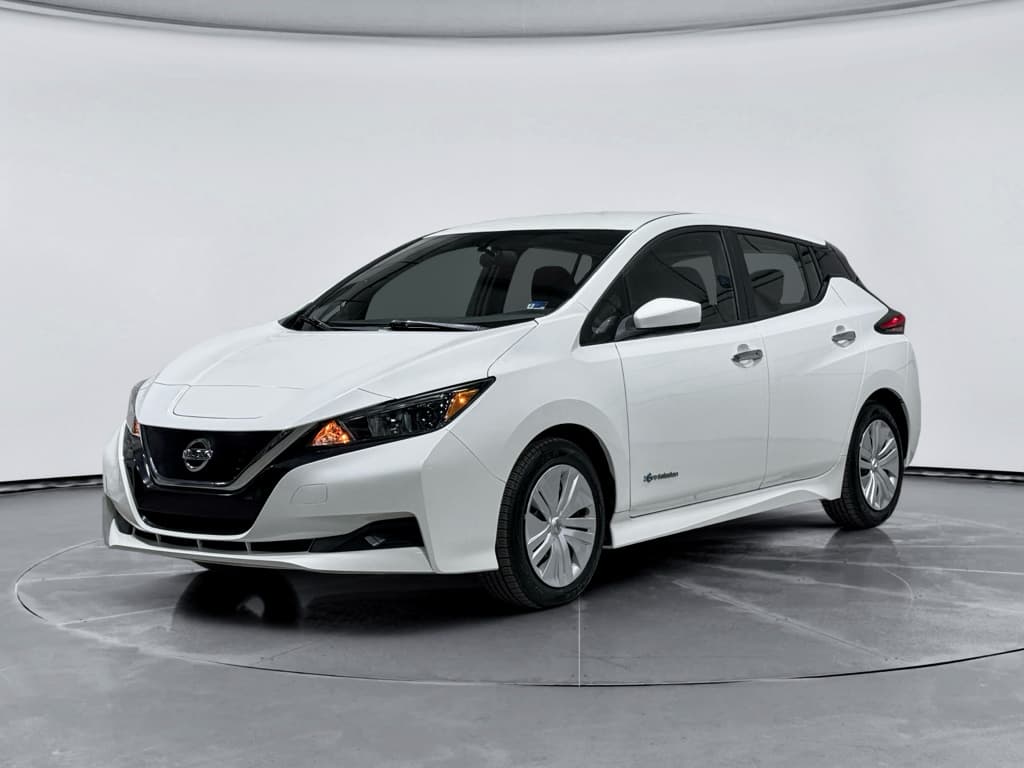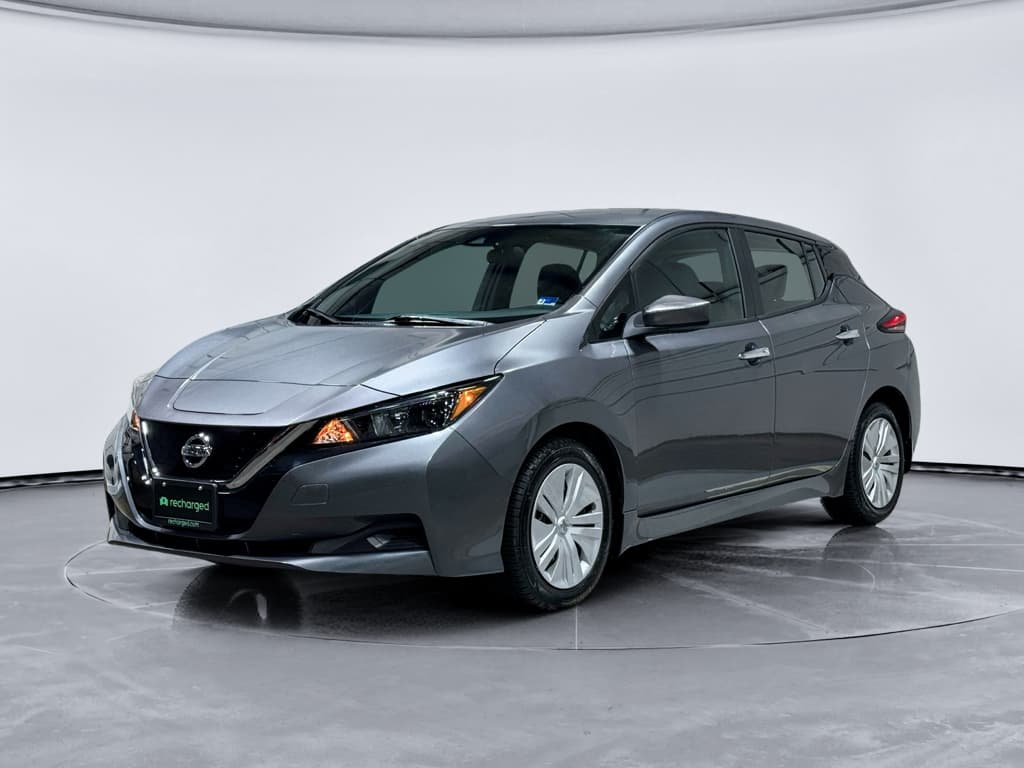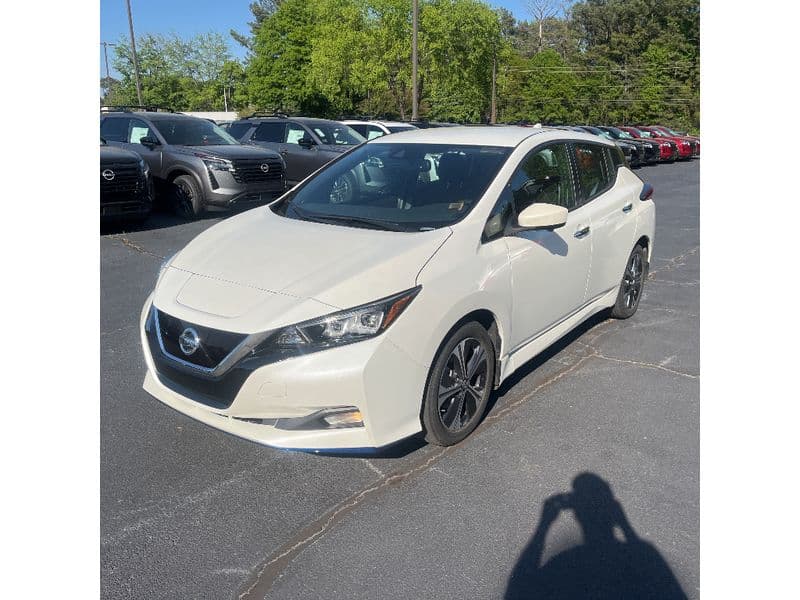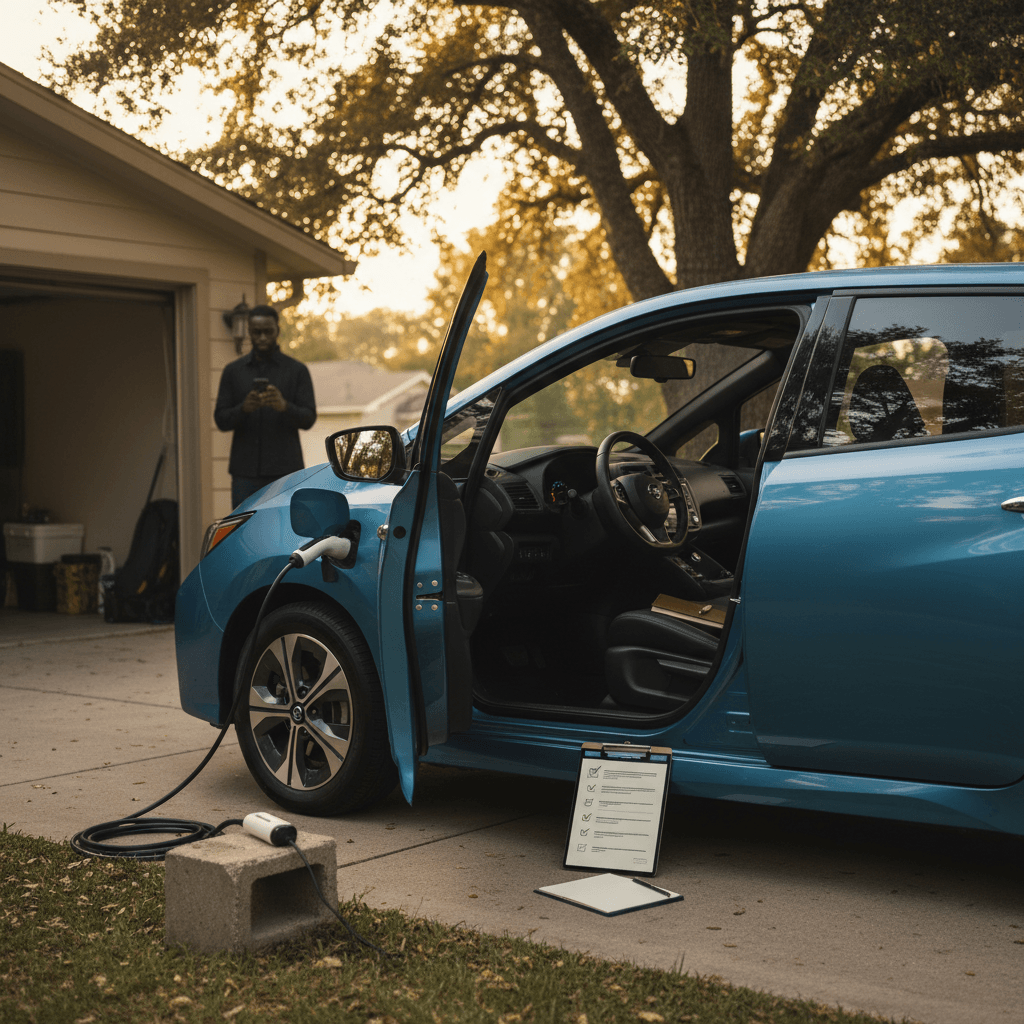
If you own a Nissan Leaf, you already know it’s one of the most affordable ways to go electric. But when it’s time to sell, the same thing that makes the Leaf a bargain for buyers, fast depreciation and sensitive battery health, can make it tricky for sellers. This Nissan Leaf selling checklist walks you step by step through what to gather, how to prove battery health, how to price your car, and which selling route makes the most sense in 2026.
Leaf resale in one sentence
Why you need a Nissan Leaf selling checklist
Selling any used EV is different from selling a gas car, and the Nissan Leaf adds a few unique twists: no active battery cooling, big variation in range between 24, 30, 40 and 62 kWh packs, and a resale market that moves quickly with incentives and new‑EV pricing. A clear checklist keeps you from forgetting small details that cost real money, like not mentioning remaining battery warranty, or failing to explain your real‑world range.
Common Nissan Leaf seller pain points
If you recognize any of these, a checklist will help you avoid headaches.
Battery questions
Buyers ask about SOH, bars, LeafSpy, and real range. If you don’t have answers, they walk, or lowball.
Depreciation anxiety
The Leaf’s reputation for depreciation makes many sellers worry they’re either asking too much or leaving money on the table.
Warranty confusion
Battery warranty varies by model year and mileage. If you can’t explain what’s left, buyers assume the worst.
How Recharged helps Leaf sellers
Step 1: Collect Leaf‑specific info and documents
Before you think about pricing or photos, make sure you have all the details a serious Leaf buyer will ask for. Unlike a generic compact hatchback, the Leaf’s trim, battery size, and charging options dramatically change its usefulness and resale value.
Nissan Leaf info to gather before you list
Confirm VIN, year, trim, and battery size
The difference between a 24 kWh early Leaf and a 62 kWh PLUS model is night and day. Note the exact trim (S, SV, SL, SV PLUS, SL PLUS) and pack size from your window sticker, owner’s manual, or Nissan portal.
Note charging capabilities
Buyers care whether your Leaf has <strong>CHAdeMO DC fast charging</strong> or just Level 2. List whether it has the quick‑charge port, onboard charger rating (3.3 vs 6.6 kW on older cars), and included charge cables.
Gather service and battery records
Collect dealer invoices, tire and brake receipts, and any previous battery inspections or warranty work. For Leafs that had a battery replacement, proof of date and mileage at replacement is gold.
Print a recent registration and title status
Know whether your title is clean, rebuilt, or branded; whether there’s a lien; and when registration expires. Many buyers won’t pursue a car if these basics are unclear.
List accessories and extras
Floor mats, winter wheels, EVSE cables, roof racks, or a second set of keys can help justify your asking price. Note everything that’s staying with the car.
Step 2: Document battery health and real-world range
For a Nissan Leaf, battery health is the whole ballgame. Two identical‑looking cars can differ by 30–40 miles of usable range depending on climate, charging habits, and age. The more transparent you are about battery condition, the more confident buyers feel, and the easier it is to defend your price.
Visual checks any buyer understands
- Battery “bars” on dash: Take a clear photo of the capacity bars next to the state of charge. On Leafs, 12 bars = no major capacity loss, while fewer bars indicate degradation.
- Typical commute range: Share how many miles you comfortably drive between charges and under what conditions (city vs highway, climate, HVAC use).
- Recent full‑charge reading: Photograph the guess‑o‑meter at 100% charge so buyers see the estimated range they’re likely to get.
Deeper battery data for savvy buyers
- LeafSpy report (optional): If you’re comfortable, use a Bluetooth OBD‑II dongle and the LeafSpy app to show State of Health (SOH) and cell balance. Screenshot results for your listing.
- Professional battery test: Marketplaces like Recharged provide an independent battery health score, which is far more persuasive than a seller’s word.
- Warranty status: Note whether the original 8‑year/100,000‑mile battery warranty is still active and if any prior claims were made.
Be honest about degradation
Step 3: Price your Nissan Leaf realistically
Because the Leaf depreciates faster than many newer EVs, pricing is where many sellers freeze. The goal isn’t to get back what you paid, it’s to beat other comparable Leafs on value while not leaving hundreds or thousands of dollars on the table.
What typically drives Leaf resale price
Hypothetical pricing bands for used Nissan Leafs
These ranges are purely illustrative. Always check current local comps on sites like Recharged, Autotrader, and marketplace listings.
| Example Leaf | Battery / bars | Real-world range | Relative price band |
|---|---|---|---|
| 2015 SV 24 kWh, 90k mi | 9–10 bars | 55–65 mi city | Budget commuter |
| 2018 S 40 kWh, 60k mi | 11–12 bars | 110–130 mi mix | Mainstream sweet spot |
| 2020 SL PLUS 62 kWh, 45k mi | 11–12 bars | 160–190 mi mix | Higher‑value long‑range |
| 2022 S 40 kWh, 20k mi | 12 bars | 120–140 mi mix | Near‑new pricing |
Battery health and range can shift a Leaf up or down a band even within the same model year.
How to set your asking price
Step 4: Decide how you want to sell your Leaf
Not every seller wants to deal with strangers, and not every Leaf is ideal for private sale. Your car’s condition, your timeline, and your appetite for hassle should drive which path you choose.
Selling options for your Nissan Leaf
Match the channel to your timeline and risk tolerance.
Private party sale
Best for: Max dollars, good battery, clean history.
- Highest potential sale price.
- More questions, test drives, and tire‑kickers.
- You manage paperwork, payment, and safety.
Trade‑in or instant offer
Best for: Convenience, quick timeline.
- Lower sale price but almost no hassle.
- Good if your Leaf has cosmetic issues.
- Can stack with tax savings on your next car in some states.
EV‑focused marketplace
Best for: Balanced price and convenience.
- Platforms like Recharged specialize in used EVs.
- Battery health is professionally verified.
- Options for consignment, instant offer, or trade‑in.
Where Recharged fits
Ready to find your next EV?
Browse VehiclesStep 5: Get the car ready to photograph and show
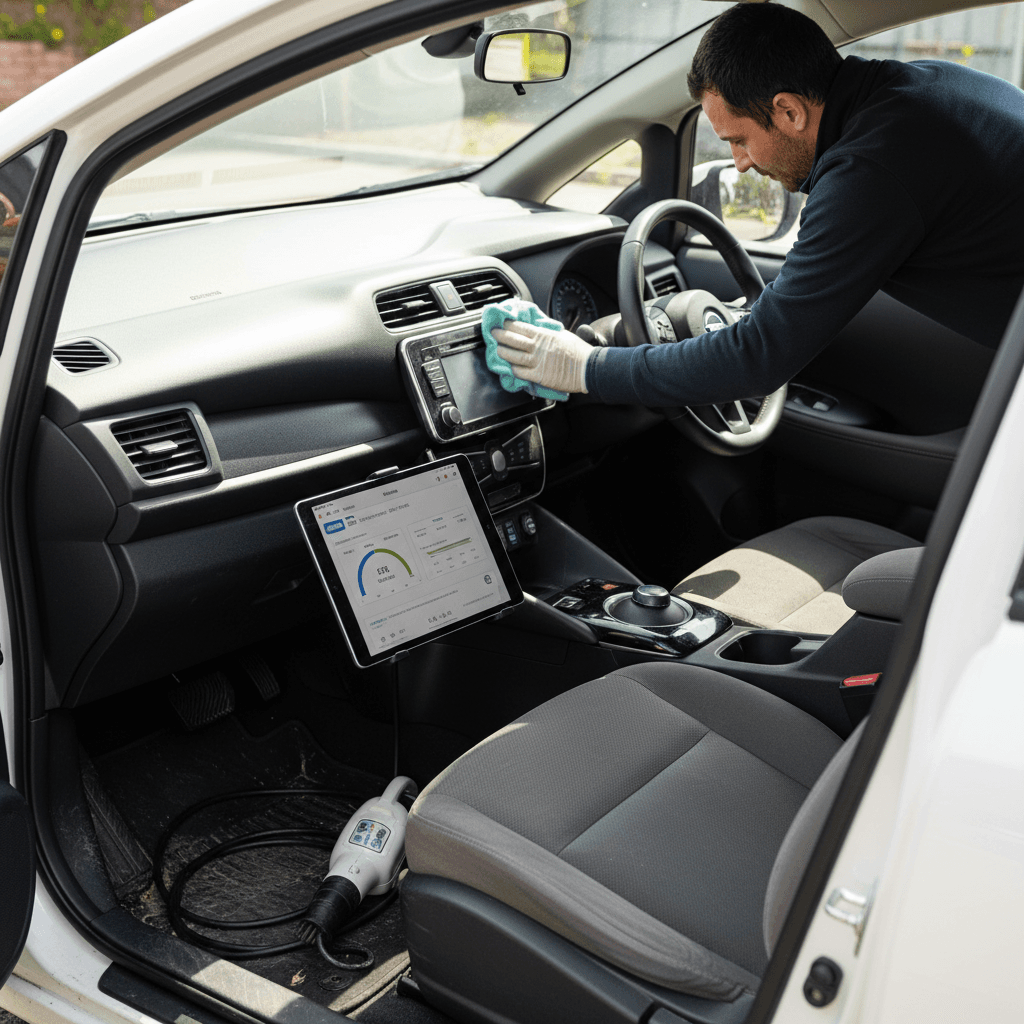
Pre‑listing prep checklist for your Leaf
Deep clean inside and out
Vacuum seats and carpets, wipe plastics, clean screens, and wash the exterior. De‑clutter doors, cargo area, and cupholders. A Leaf doesn’t have a roaring engine to distract buyers, cosmetic condition stands out more.
Fix inexpensive wear items
Replace burnt bulbs, wiper blades, and deeply worn floor mats. Consider inexpensive wheel covers if yours are badly scuffed. Skip big cosmetic work unless it clearly adds back more value than it costs.
Address obvious EV concerns
If there are warning lights, charging quirks, or door‑handle issues, resolve what you can or be prepared to explain them honestly and price accordingly.
Charge to 80–100% for photos
Show the dash at a healthy state of charge so buyers can see your remaining capacity bars and estimated range. This instantly answers the most common EV questions.
Organize keys, manuals, and cables
Find all keys, the owner’s manual, portable EVSE, and any adapters. Photograph them together so buyers know exactly what’s included.
Step 6: Build a listing buyers actually trust
Most used‑Leaf listings fall into two extremes: vague one‑liners that scare away EV‑savvy buyers, and dense technical posts that confuse everyone else. You want a listing that’s honest, specific, and easy to skim.
Must‑have photos
- Full exterior from all corners, plus close‑ups of any notable damage.
- Interior overview, front and rear seats, cargo area with seats up and down.
- Dashboard close‑up showing miles, state of charge, and capacity bars.
- Charging ports (J1772 and CHAdeMO if equipped) with dust caps open.
- Accessories group shot of cables, keys, mats, and extras.
Key details to include in your description
- Exact model and battery: “2019 Nissan Leaf SV, 40 kWh, CHAdeMO fast charge.”
- Battery health story: Mention bars, SOH (if known), and typical range at your driving speeds.
- Ownership and use: Daily commuter, short‑trip city car, or second vehicle.
- Charging habits: Home Level 2 every night, DC fast‑charging frequency, storage in garage vs outdoors.
- Recent maintenance: Tires, brakes, software updates, or any warranty work.
Steal this headline formula
Step 7: Handle inquiries, test drives, and negotiation
Once your listing is live, the work shifts from preparation to filtering serious buyers and keeping the process safe. A little structure here goes a long way toward avoiding wasted time and awkward conversations about range and charging.
Managing interest and test drives
Screen for basic fit up front
Ask prospective buyers a couple of questions: How far is their daily drive? Do they have home or workplace charging? A Leaf with 70–80 miles of real range can be fantastic for the right use, and terrible for the wrong one.
Share your battery info early
Send your dash photo and any LeafSpy or Recharged Score report before meeting. Buyers who are still interested after seeing real battery data are far more likely to be serious.
Meet in a safe, public place
Choose a well‑lit public location for test drives. Bring a friend if possible, and verify the buyer’s driver’s license and insurance before they drive your car.
Plan a route that shows strengths
Combine a short city loop (where the Leaf shines in efficiency) with a bit of highway to set realistic expectations for higher‑speed range.
Negotiate based on facts, not feelings
If the buyer points to battery degradation or cosmetic flaws, reference your comparables and battery report. Be ready with a small, pre‑planned discount range you’re comfortable with, instead of negotiating from scratch.
Step 8: Close the sale and hand-off safely
The final step is making sure money and paperwork change hands cleanly, and that you don’t leave personal data behind in the car or its connected services.
Closing checklist for your Nissan Leaf sale
Agree on price and payment method
For private sales, prioritize <strong>bank‑to‑bank transfer</strong>, cashier’s check verified at the issuing bank, or completing the transaction at the buyer’s credit union. Avoid large peer‑to‑peer app transfers with low limits and no protection.
Handle payoff or lien release
If you still owe money, coordinate with your lender so the buyer knows exactly how the title will be released. Many EV‑focused marketplaces, including Recharged, can manage payoff logistics for you.
Complete title, bill of sale, and local forms
Follow your state’s DMV instructions for title transfer and odometer disclosure. Some states require a separate bill of sale; others embed key items on the title itself.
Factory reset and remove accounts
Log out of Bluetooth devices and navigation accounts, clear garage door buttons, and remove your car from any connected Nissan apps. Only then perform a full factory reset if your infotainment system offers it.
Hand off everything the buyer expects
Provide all keys, the portable EVSE, adapters, manuals, and any service records. Walk buyers through how to open the charge port, start a charge, and interpret the dash range display.
Printable Nissan Leaf selling checklist
Want a quick at‑a‑glance reference? Here’s a condensed Nissan Leaf selling checklist you can screenshot or print. Use it to track your progress from “thinking about selling” to “keys handed over.”
- Gather VIN, year, trim, battery size, charging options, service records, and title status.
- Document battery health: bars photo, typical range, optional LeafSpy or professional report.
- Research comparable Leaf listings and set a realistic asking price with room to negotiate.
- Choose a selling path: private party, trade‑in/instant offer, or EV‑focused marketplace like Recharged.
- Detail and clean the car, charge to at least 80%, and organize keys, cables, and accessories.
- Take clear photos of exterior, interior, dash, charging ports, and included equipment.
- Write a transparent listing with exact model, battery, range story, charging habits, and maintenance.
- Screen inquiries for basic fit, share battery info, and schedule safe test drives.
- Negotiate based on real battery data and recent comps, not just sticker shock about EV depreciation.
- Finalize payment and paperwork; reset personal data and hand off keys, cables, and documentation.
Shortcut: let Recharged handle most of this
Nissan Leaf selling FAQ
Frequently asked questions about selling a Nissan Leaf
The Nissan Leaf will probably never be a resale champion, but that doesn’t mean you’re powerless as a seller. When you treat battery health, charging capability, and real‑world range as your core value story, and follow a disciplined checklist from documents to delivery, you can stand out in a crowded used‑EV market. Whether you decide to sell privately, take an instant offer, or lean on a specialist like Recharged, a well‑prepared Leaf with a clear, honest listing is far more likely to sell quickly and for a fair price.