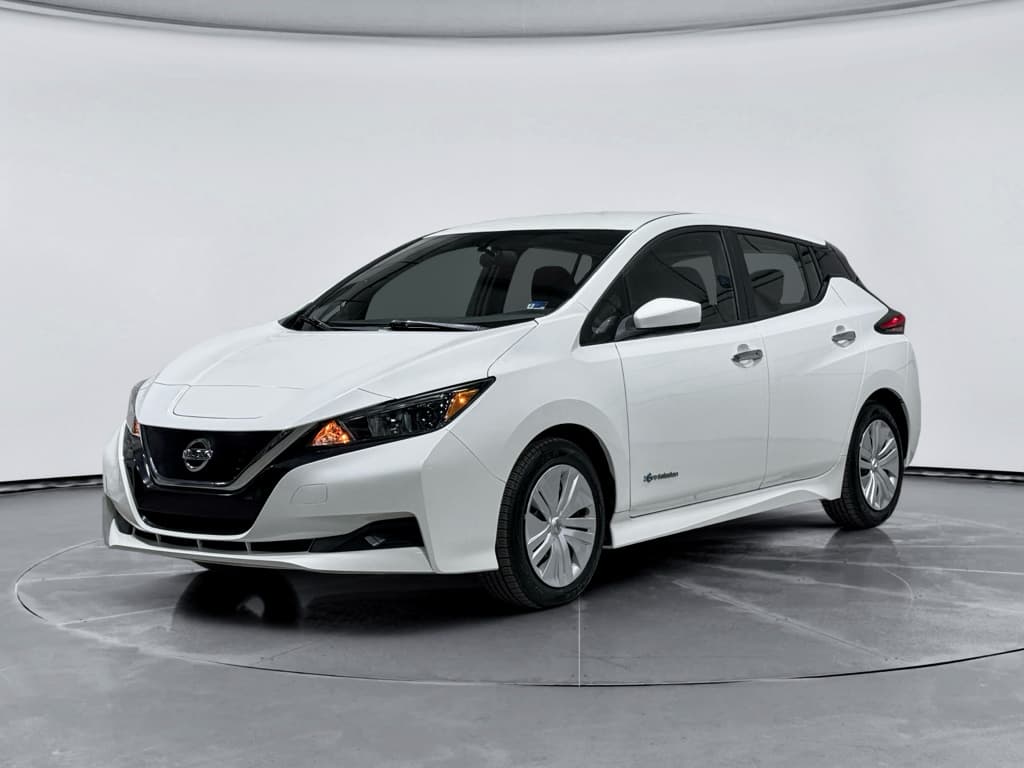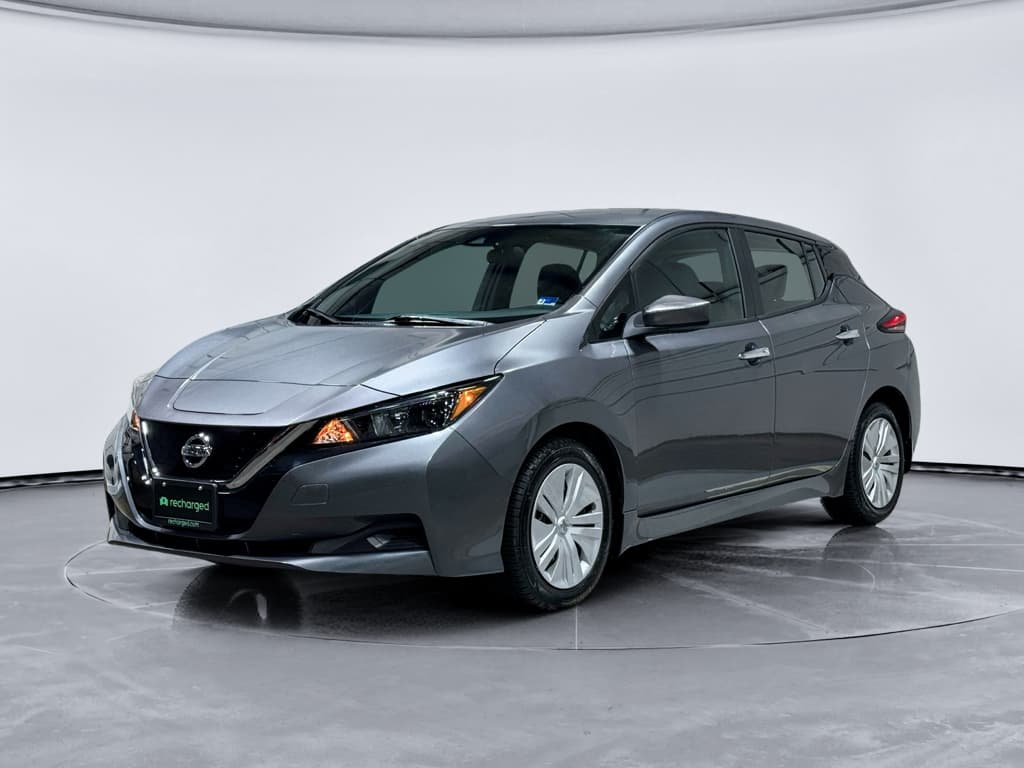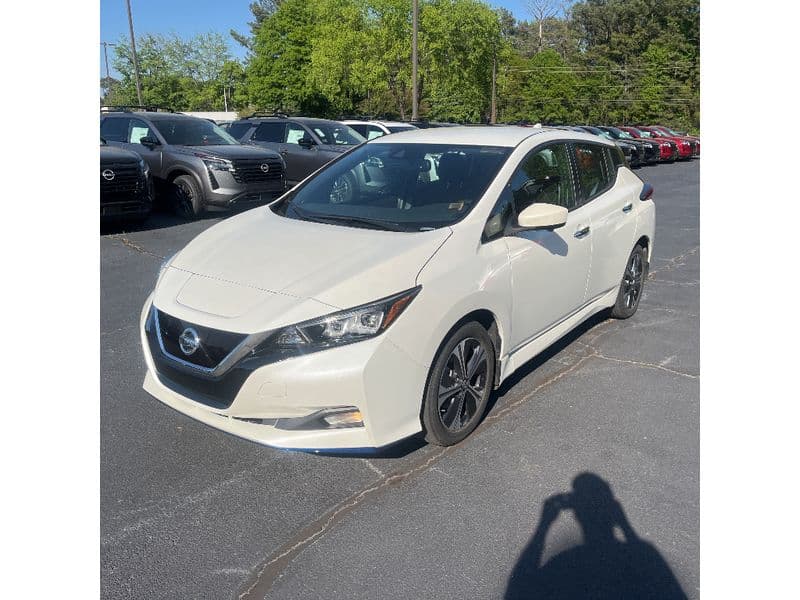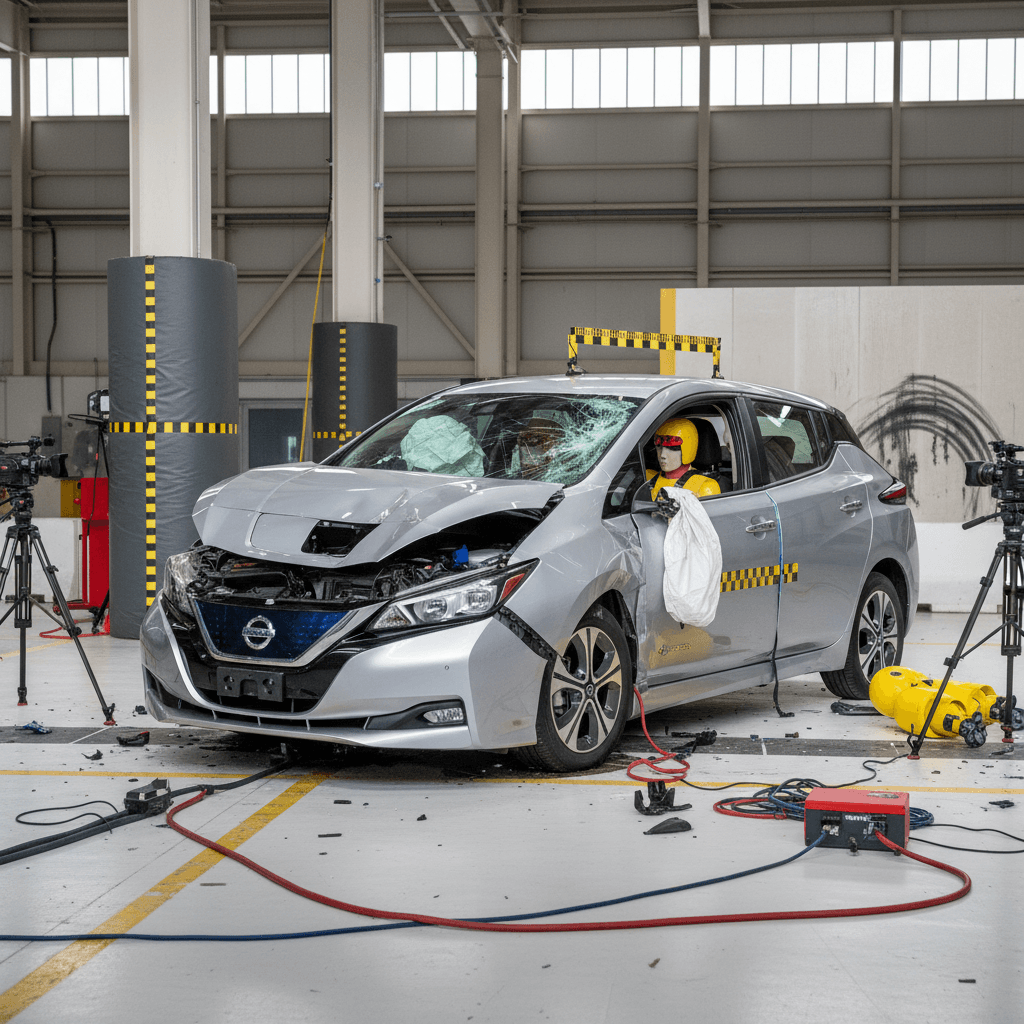
If you’re considering a Nissan Leaf, especially a used one, its safety rating and crash‑test performance matter just as much as range and price. The good news: across two generations, the Leaf has generally performed very well in major crash tests, with a few details you’ll want to understand before you buy.
Quick take
Nissan Leaf safety overview at a glance
Nissan Leaf crash-test snapshot (U.S. market)
The Leaf was one of the first modern mass‑market EVs, and safety engineering has evolved along with its battery and range. Early cars (2011–2012) already did well in major crash tests; later models add more airbags, better head restraints, and advanced driver assistance systems (ADAS) like automatic emergency braking and lane‑departure warnings.
Shopper tip
How Nissan Leaf crash tests and safety ratings are done
Two main organizations test the Nissan Leaf in the U.S.: the National Highway Traffic Safety Administration (NHTSA) and the Insurance Institute for Highway Safety (IIHS). Each runs different tests, so it’s worth knowing what you’re actually looking at when you see “5 stars” or “Top Safety Pick.”
Who’s testing the Nissan Leaf?
Understanding what each safety rating actually means
NHTSA (Government)
What you see: 1–5 star ratings.
- Frontal crash: driver and passenger.
- Side crash and side pole tests.
- Rollover resistance.
They combine these into an overall star rating to make comparison easy.
IIHS (Independent lab)
What you see: Good, Acceptable, Marginal, Poor.
- Moderate and small overlap frontal crashes.
- Side‑impact with a moving barrier.
- Roof‑strength and head‑restraint tests.
- Optional: crash‑avoidance tech and headlight tests.
Don’t compare stars to words directly
Nissan Leaf NHTSA safety ratings
In U.S. government testing, many Nissan Leaf model years earn a 5‑star overall safety rating. That reflects strong performance in frontal and side crashes plus good rollover resistance for a small hatchback.
Typical NHTSA ratings for Nissan Leaf generations
Exact scores may vary slightly by model year; always confirm the specific year you’re shopping.
| Generation / years | Overall rating | Frontal crash | Side crash | Rollover |
|---|---|---|---|---|
| 1st gen (2013–2017 refresh) | 5 stars | 4–5 stars | 5 stars | 4 stars |
| 2nd gen (2018–2024) | 5 stars on many trims | 4–5 stars | 5 stars | 4 stars |
Star ratings: 5 is the highest score in NHTSA testing.
About early 2011–2012 Leafs
NHTSA’s rollover test is especially interesting for EVs. The Leaf’s battery pack is mounted low in the chassis, which helps keep the center of gravity down. That tends to reduce rollover risk compared with similarly sized gasoline hatchbacks.
Nissan Leaf IIHS crash‑test results
The Insurance Institute for Highway Safety gives the Nissan Leaf mostly “Good” (top‑tier) scores in its core crashworthiness tests, with some variation over time in areas like headlights and crash‑avoidance tech.
First‑generation Leaf (2013–2017)
- Moderate overlap frontal: Good
- Side impact: Good
- Roof strength: Good
- Head restraints & seats: Good
- Small overlap driver‑side: Ratings improved after updates; earlier years may not match later performance.
Headlight and collision‑prevention ratings were more limited or optional on early cars.
Second‑generation Leaf (2018–present U.S. models)
- Moderate and small overlap frontal: Generally Good.
- Side impact: Good, with strong protection for the torso and pelvis.
- Roof strength: Good, important in rollover‑style crashes.
- Head restraints: Good.
- Crash avoidance & mitigation: Automatic emergency braking and lane‑departure warnings available and often rated from Advanced up to Superior when equipped.
Headlight ratings can range from Acceptable to Poor depending on trim and specific lighting package.
When the Leaf earns IIHS awards
Real‑world safety: what Nissan Leaf owners actually experience
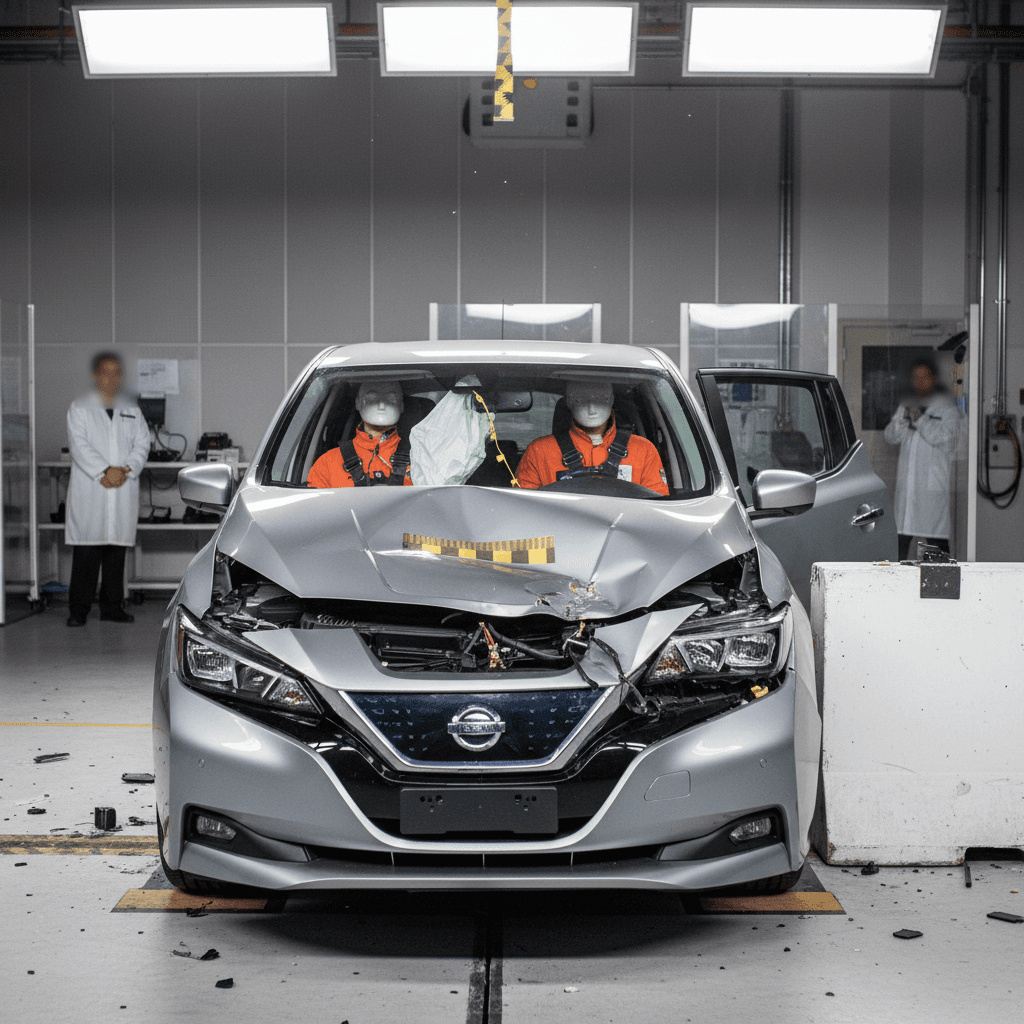
Crash tests are controlled experiments. Real roads are anything but. Still, the Leaf’s structure, battery placement, and safety‑tech story translate well to daily use. Owners and repair shops often point out how much deformation the Leaf’s front “sacrificial” structure will absorb before the passenger cabin is threatened.
- The heavy battery pack under the floor lowers the center of gravity, helping stability in abrupt maneuvers.
- The front and rear structures are designed to crumple in a controlled way, steering forces around the cabin.
- Multiple airbags (front, side, and curtain) are standard on U.S. cars.
- Later models with automatic emergency braking can help prevent or soften low‑speed impacts, exactly the sort of fender‑benders that make up many real‑world crashes.
Remember: size still matters in physics
Key Nissan Leaf safety features by model year
Safety ratings tell you how the structure and restraints perform in a crash. Safety features help you avoid that crash, or at least make it less severe. Here’s how Leaf safety tech has evolved over time in broad strokes (U.S. market focus):
Nissan Leaf safety feature evolution
Always confirm equipment on the specific car you’re shopping, features can vary by trim and package.
| Model years (U.S.) | Key standard safety features | Common available upgrades |
|---|---|---|
| 2011–2012 (launch) | Front, side, and curtain airbags; stability control; ABS; basic traction and brake assist. | Rearview camera on higher trims; basic parking sensors in some markets. |
| 2013–2015 | Improved airbags and restraint tuning; rearview camera more widely available; tire-pressure monitoring. | Around‑view monitor (360° camera) on upper trims; upgraded head restraints. |
| 2016–2017 | More trims with navigation and camera systems; incremental software refinements to stability and traction control. | Optional advanced camera views and parking aids depending on trim. |
| 2018–2020 (2nd gen) | New body structure; automatic emergency braking standard on many trims; improved airbags; more robust crash sensors. | Blind‑spot monitoring, rear cross‑traffic alert, lane‑departure warning, and ProPILOT Assist (lane‑centering + adaptive cruise) on higher trims. |
| 2021–present | Expanded availability of driver‑assist features; refinements to automatic emergency braking and lane‑departure alerts; pedestrian detection on many trims. | More trims with ProPILOT Assist, upgraded headlights and driver‑attention alerts. |
Highlights of major safety equipment changes for Nissan Leaf in the U.S.
How to verify safety tech on a used Leaf
Safety checklist for buying a used Nissan Leaf
If you’re shopping the used market, you care about more than the original crash‑test scores. You want to know that the specific Leaf in front of you will protect you the way the lab car did. Use this checklist to keep yourself honest:
Used Nissan Leaf safety inspection checklist
1. Confirm crash‑test record for your year
Look up both NHTSA and IIHS results for the exact model year you’re considering. Minor changes in structure or equipment can change ratings between years.
2. Scan the Carfax or history report for accidents
Prior crashes, even if repaired, may affect how the car performs in a future impact. Pay extra attention to structural damage or airbags that were deployed.
3. Inspect airbag warning lights
When you turn the key or press Start, the airbag light should come on briefly, then go out. A light that stays on, or never illuminates, deserves a professional inspection.
4. Check seat belts and buckles
Make sure each belt latches and releases smoothly, retracts briskly, and isn’t frayed. Give buckles a firm tug after latching to confirm they’re secure.
5. Test driver‑assistance systems
In a safe, low‑speed environment, verify that features like blind‑spot monitoring, lane‑departure warning, and automatic emergency braking behave as expected. Watch for dashboard messages about unavailable sensors.
6. Examine headlights and visibility
Poor headlights can undermine otherwise strong crash performance. Make sure low and high beams work properly, lenses are clear, and you’re comfortable with nighttime visibility in a test drive.
Why professional inspections matter
Battery safety and crash protection in the Leaf
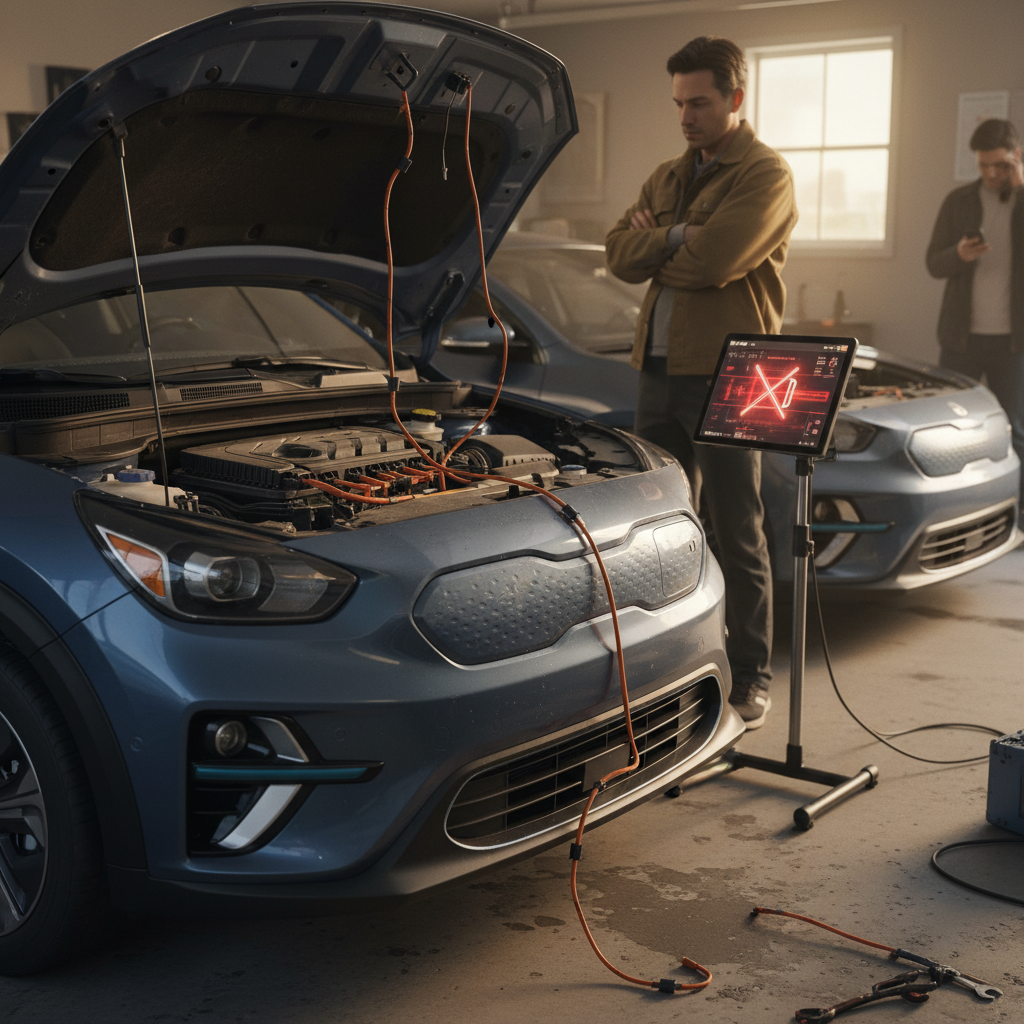
EV shoppers often ask a blunt question: “What happens to the battery in a crash?” With the Leaf, the pack sits in a reinforced case under the cabin floor, surrounded by energy‑absorbing structures and guarded by multiple electronic safeguards.
- Reinforced battery case: Designed to resist intrusion from below and from side impacts.
- Automatic high‑voltage shutoff: In a moderate or severe crash, the Leaf’s safety systems cut high‑voltage power within fractions of a second.
- Fire risk management: While no car is immune to fire, post‑crash EV fires are still relatively rare events; the Leaf’s design focuses on preventing punctures and short circuits in the pack.
- Crash sensors shared with airbags: The same network of impact sensors that commands airbags also helps determine when to isolate the high‑voltage system.
Battery health vs. battery safety
Nissan Leaf vs other small EVs on safety
If you’re cross‑shopping the Nissan Leaf with other compact electric vehicles, it holds its own very well on crash performance. The main differences usually come down to optional technology and headlights rather than basic structural safety.
How the Leaf stacks up against similar EVs
Generalized comparison for U.S. models of similar vintage
Nissan Leaf
- Strong crash‑test scores for a small hatchback.
- Automatic emergency braking and other ADAS widely available from 2018 onward.
- Headlight ratings vary by trim.
Chevy Bolt EV
- Also scores well in crash tests, with strong side‑impact results.
- Some years earn high IIHS awards when equipped with better headlights and crash‑avoidance tech.
- Later software adds more advanced safety options.
Hyundai Kona Electric / Kia Niro EV
- Both tend to perform strongly in IIHS testing.
- Well‑equipped trims often offer rich driver‑assistance suites.
- As with the Leaf, pay attention to headlights and which safety package the car actually has.
Think in terms of “safe enough for my life”
Nissan Leaf safety & crash‑test FAQ
Frequently asked questions about Nissan Leaf safety
Bottom line: Is the Nissan Leaf a safe EV to buy used?
If you’re looking for a practical, budget‑friendly electric car, the Nissan Leaf’s safety story is a strong selling point. Its crash‑test performance is competitive with other small EVs, battery‑pack safety is thoughtfully engineered, and later models offer a robust set of driver‑assistance technologies that can help you avoid trouble in the first place.
Your job as a shopper is to make sure the specific Leaf you’re considering still lives up to those lab results: no poorly repaired structural damage, no mystery airbag lights, and safety features that actually work. That’s where a transparent inspection and battery‑health report can turn a good bet into a confident decision.
On Recharged, every used EV comes with a Recharged Score report that covers verified battery health, structural condition, and key safety equipment, plus expert guidance from EV specialists who live and breathe this technology. If you’re ready to see how a safe, well‑vetted Nissan Leaf fits your life, you can search, finance, trade in, and even schedule delivery, all from your couch.