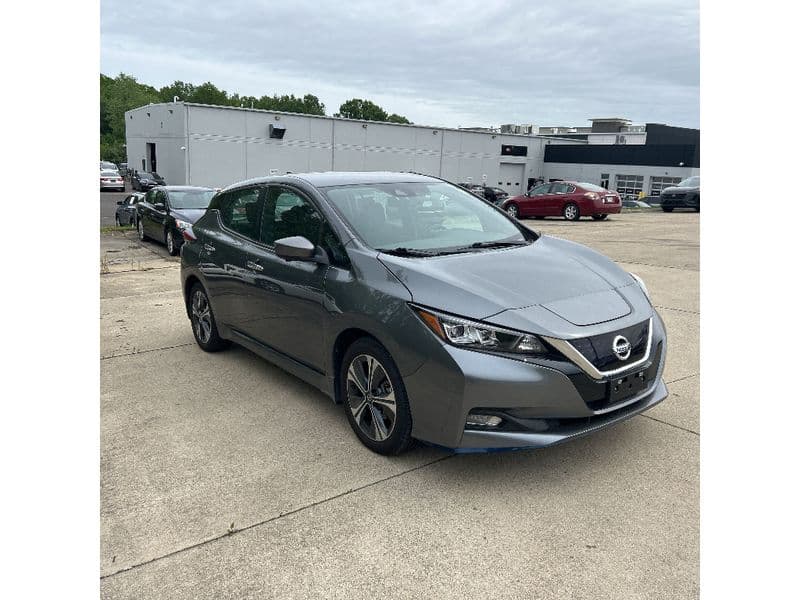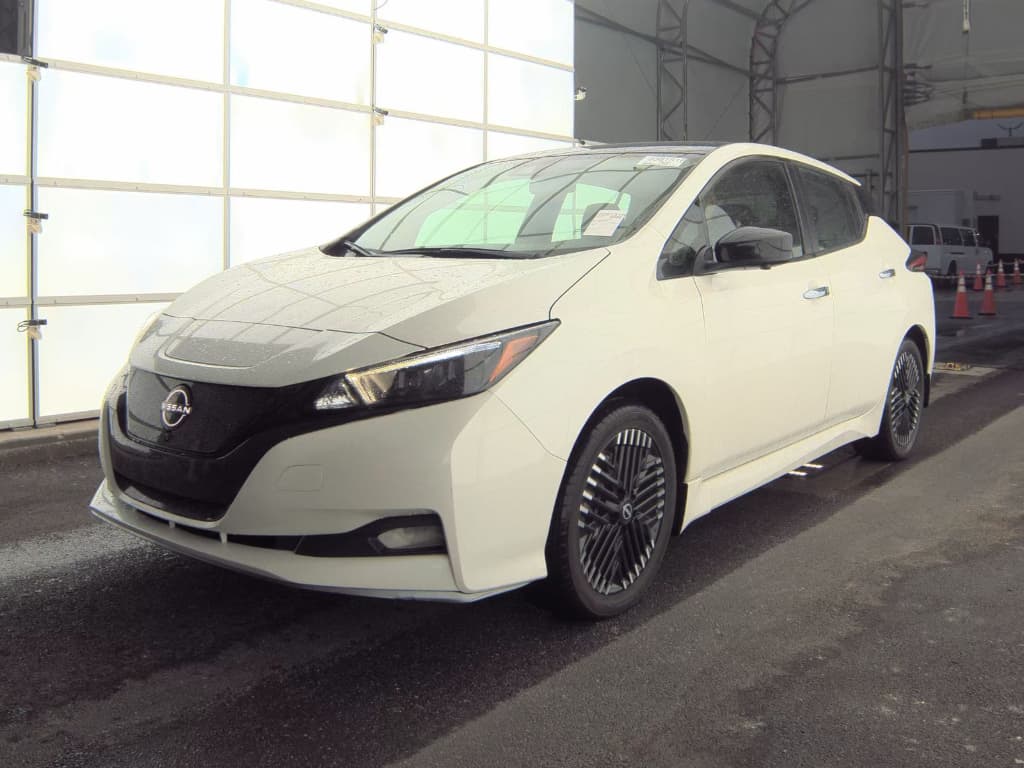
If you’re watching **Nissan Leaf resale value forecasts** in 2026, you’re not alone. Early Leafs became the poster child for EV depreciation, but the story is changing as newer models offer longer range, better batteries, and lower MSRPs. Whether you’re thinking about buying a used Leaf or figuring out when to sell yours, understanding where values are headed over the next few years is critical.
Quick take
Why Nissan Leaf resale value matters in 2026
The Leaf was one of the first mass‑market EVs, and it’s still one of the **most affordable used electric cars** in the U.S. That combination of age, volume, and price makes it a bellwether for used‑EV values. At the same time, the market around it is shifting: the federal EV tax credit changed in late 2025, automakers are scaling back some EV launches, and new budget EVs such as the next‑generation Leaf are targeting sub‑$30,000 stickers. All of that flows directly into what your current Leaf is worth, or what you should pay for a used one.
Nissan Leaf value snapshot in 2025–2026
Current Nissan Leaf used prices: 2026 snapshot
Used pricing always varies by region, trim, mileage, and battery health, but multiple pricing indexes give us a clean snapshot of where Leaf values stand as of early 2026. Market trackers show the **average used Leaf price in the low‑to‑mid‑$12,000s**, with recent model years a bit higher and early cars much cheaper.
Typical 2026 asking prices for used Nissan Leafs (U.S.)
Approximate retail asking ranges for common model‑year bands, assuming average mileage and normal battery health.
| Model years | Battery / gen | Typical 2026 retail range | What you usually get |
|---|---|---|---|
| 2011–2013 | 24 kWh, 1st gen | $3,000–$6,000 | Short‑range city car, heavy battery wear likely, limited DC fast charge. |
| 2014–2017 | 24/30 kWh, 1st gen | $4,000–$8,000 | Modest range, better reliability data, many used as second commuter cars. |
| 2018–2019 | 40 kWh, 2nd gen | $7,000–$12,000 | 151‑mile EPA range, updated styling and safety tech. |
| 2019–2021 Plus | 62 kWh, 2nd gen Plus | $11,000–$18,000 | 200+ mile range (up to ~226 mi), more desirable for highway use. |
| 2022–2023 | 40/62 kWh, refreshed | $13,000–$20,000 | Price cuts new, improved value retention, strong used demand. |
| 2024–2025 | Latest pre‑redesign | $16,000–$24,000 | High retention, many off‑lease/low‑mile examples. |
Use this as a directional guide; individual vehicles can sit well above or below these bands based on condition and battery state of health.
Beware of "too cheap" early Leafs
How the Leaf depreciates over time: data and patterns
We have unusually detailed depreciation data for the Leaf. One 2025 U.S. study that paired original MSRPs with 2025 used prices for every model year shows just how steep the early value drop can be, and how it eventually levels off.
- **Years 0–3:** The sharpest drop. Depending on incentives and trim, a Leaf can lose ~40–50% of its value by year three.
- **Years 4–6:** Depreciation slows. Many model years stabilize around 25–35% of original MSRP, especially 40 kWh and 62 kWh cars.
- **Years 7–10:** Values drift down into the teens as a percentage of MSRP, with higher‑miles and warmer‑climate cars at the bottom.
- **10+ years:** For 2011–2013 Leafs, resale values as a percent of MSRP are often in the single digits, most of the depreciation is already behind you.
Leaf vs typical car depreciation
Key drivers of Nissan Leaf resale value
Four factors that move Leaf resale up or down
Understanding these levers helps you read the market, and price or shop more confidently.
Battery health & chemistry
The Leaf’s early air‑cooled packs are more vulnerable to heat‑related degradation than many liquid‑cooled rivals. Later 40 kWh and 62 kWh packs still age, but generally fare better.
Buyers will pay a premium for verified strong battery health and walk away from cars with double‑digit capacity loss if the price doesn’t account for it.
Real‑world range & use case
For a commuter in a 30‑mile‑a‑day routine, a 100‑mile real‑world Leaf is perfectly serviceable. For a highway road‑tripper, it’s a non‑starter.
As newer budget EVs arrive with 250+ miles of range, Leafs with the longer‑range 62 kWh pack should hold value better than short‑range variants.
Charging speed & network access
The Leaf’s CHAdeMO fast‑charging standard is slowly being phased out as North America moves toward CCS and NACS.
This doesn’t kill resale, but it does cap appeal for long‑distance drivers. In contrast, buyers who mostly charge at home care less.
New EV pricing & incentives
Manufacturer price cuts on new Leafs, plus wave‑like changes in federal and state incentives, ripple into used values.
When a new Leaf (or rival) drops under $30,000, the ceiling on used prices tends to move down as well.
Nissan Leaf resale value forecast: 2026–2030
Forecasting used values is never precise, but the Leaf’s long sales history makes trend‑spotting easier than with newer EVs. Below is a conservative, directional view of how different Leaf cohorts are likely to behave through roughly 2030, assuming no major shock (for example, a massive subsidy that floods the market with cheap new EVs).
Directional Nissan Leaf resale value forecast (U.S., through ~2030)
Expected pricing and depreciation behavior by model‑year band, assuming typical mileage and average battery health.
| Model years in 2026 | Status in the market | 2026–2030 forecast | Who this favors |
|---|---|---|---|
| 2011–2013 | Oldest Leafs, 24 kWh | Values already near the floor. Expect mostly flat pricing with some cars aging out of the market entirely. | Budget shoppers who only need a short‑range city car and accept risk. |
| 2014–2017 | Late 1st gen | Slow additional depreciation; many cars drift into $3,000–$6,000 territory, heavily dependent on battery health. | Second‑car households needing cheap local transportation. |
| 2018–2019 | Early 2nd gen 40 kWh | Gradual, predictable declines. Expect many to land in the $6,000–$9,000 band by 2030 if mileage and battery are average. | Value‑focused buyers who want modern safety tech and don’t need long range. |
| 2019–2021 Plus | 62 kWh "Plus" | Better relative retention. These should remain the most desirable pre‑redesign Leafs and may command a several‑thousand‑dollar premium over 40 kWh cars. | Drivers who want 200+ mile capability on a budget. |
| 2022–2023 | Price‑cut era Leafs | Because Nissan cut new MSRPs, these years started life with better value retention. Expect them to track more like mainstream compact cars in depreciation. | Shoppers balancing price, features, and remaining warranty coverage. |
| 2024–2025 | Newest current‑gen | High retention now; anticipate a steeper step‑down as the next‑gen Leaf launches, then a slower curve afterward. | Sellers looking to exit before the new generation is fully established. |
Dollar ranges are estimates, not guarantees. Think of these as lanes, not lanes with guardrails.
Watch the next‑gen Leaf launch
What this means if you’re buying a used Leaf
1. Target the “sweet spot” years
For most buyers, the best balance of price, range, and depreciation curve sits in **2018–2022**:
- 2018–2019 40 kWh: lowest purchase price for a modern‑feeling Leaf.
- 2019–2021 Plus: more expensive but more future‑proof range.
- 2022: benefits from Nissan’s MSRP cut, supporting stronger value retention.
2. Remember: depreciation is your friend now
The Leaf’s historically steep depreciation means you’re often paying far below original MSRP, especially on five‑year‑old cars.
As long as you verify battery health and avoid overpaying for short‑range, early‑pack cars, you benefit from the pain the first owner already absorbed.
Buying a used Leaf in 2026: key steps
1. Start with battery health data
Ask for a recent, third‑party battery health report, not just dash bars. At Recharged, every Leaf listing includes a **Recharged Score** with verified state of health so you’re not guessing.
2. Match range to your real use case
Map your daily and weekly mileage. A 100‑mile real‑world Leaf can be perfect for city commuters but frustrating for frequent highway travelers.
3. Check charging options
Look at whether the car has DC fast‑charge capability, and whether CHAdeMO stations are convenient near you. If you’ll rely on home Level 2, this matters less.
4. Compare trims and equipment
Features like ProPILOT Assist, heated seats, and LED headlights improve livability and resale. A cheaper base S with fewer features should be priced accordingly.
5. Run total cost of ownership numbers
Include insurance, charging costs, and expected depreciation. A slightly more expensive Leaf with a healthier battery can be cheaper over five years than a bargain car that needs an early pack replacement.
6. Consider financing and trade‑in options
Used‑EV‑savvy retailers like Recharged can bundle **financing, trade‑in, and nationwide delivery**, which simplifies the switch out of your current gas car or EV.
What this means if you’re selling or trading a Leaf
If you already own a Leaf, the forecast is less about timing the perfect peak and more about **understanding which buyer you appeal to** and pricing accordingly. Remember: the car has likely already absorbed most of its depreciation, especially if it’s older than five years, so your downside risk is limited, but so is your upside.
Seller strategies by Leaf age
How to think about resale if you’re on the fence about when to move on.
Under 3 years old
Consider selling or trading **before** your Leaf is directly cross‑shopped with the new‑generation model in volume. A clean, low‑mile car with documentation can still command strong prices.
3–7 years old
This is the heart of the used market. Focus on battery proof, maintenance records, and cosmetic reconditioning. Small investments in detail work and tires can make a big difference in offers.
8+ years old
Here you’re largely selling a budget commuter. Price sharply, be transparent about battery capacity and any fast‑charge limitations, and aim for a quick, hassle‑free sale rather than squeezing the last dollar.
How Recharged can help sellers
Ready to find your next EV?
Browse VehiclesHow battery health shapes Nissan Leaf value

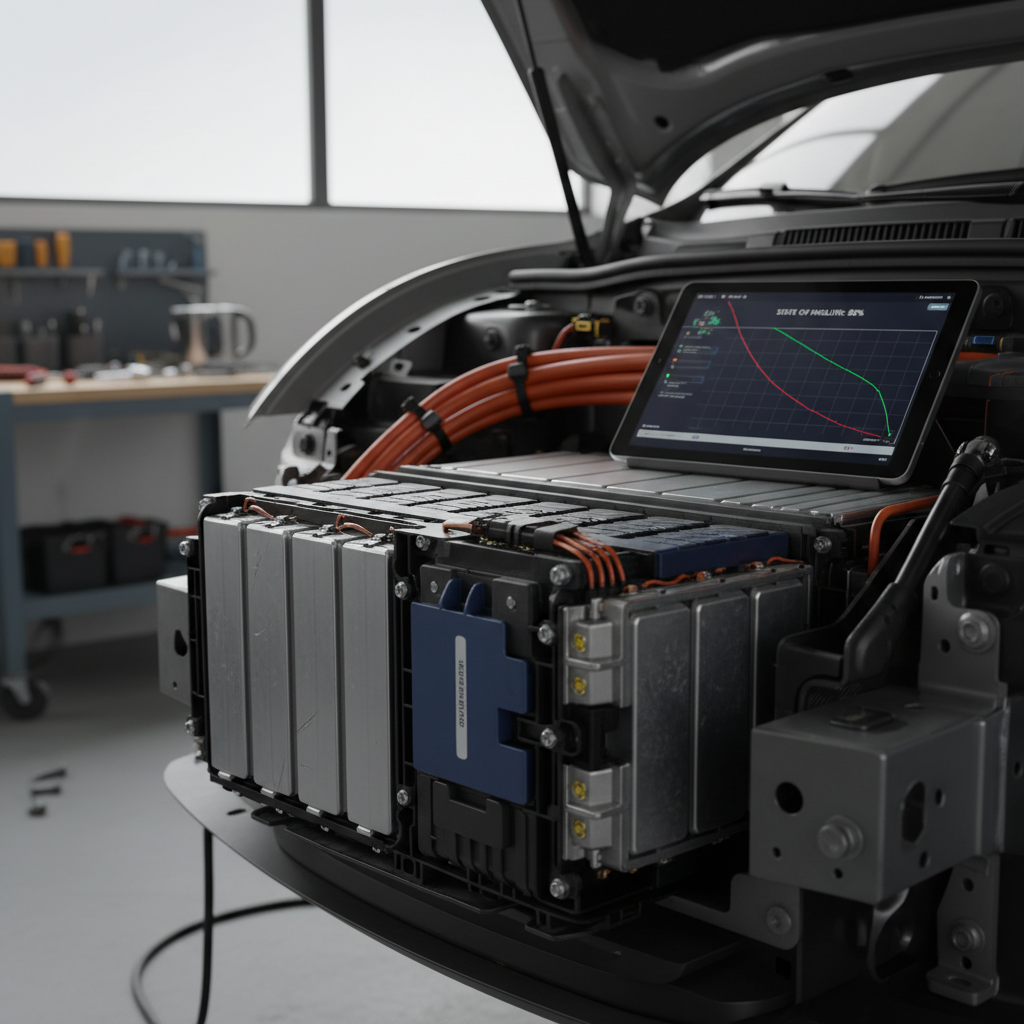
Unlike a gas car, where engine wear is hard for buyers to quantify, the Leaf’s value is tethered to a single number: **battery state of health (SoH)**. Two Leafs of the same year and mileage can be thousands of dollars apart purely on pack condition.
- A Leaf with 90–95% SoH will typically command a **healthy premium** and sell faster.
- Cars in the 80–85% range can be great buys if priced right for shorter range needs.
- Below ~75% SoH, the audience shrinks fast unless the price is rock‑bottom or the buyer plans only very short trips.
- Hot‑weather history and heavy DC fast‑charging use can accelerate degradation, especially on older air‑cooled packs.
Don’t rely only on dash bars
How Leaf resale compares with other EVs
The Leaf isn’t alone in depreciating quickly, but it is one of the more dramatic examples, mainly because it launched early and stayed on the market long as technology leaped ahead around it. Several mainstream EVs now show five‑year depreciation in the 55–65% range; the Leaf sits toward the higher end of that band.
Where the Leaf lags
- Range and charging: CHAdeMO fast charging and shorter highway range hurt long‑term desirability compared to CCS/NACS rivals.
- Early battery tech: First‑generation packs aged faster, pulling averages down and shaping perception.
Where the Leaf shines
- Entry price: For buyers, heavy depreciation means **low purchase prices** and short payback periods.
- Mature reliability data: A long track record helps buyers separate solid years and trims from those to avoid.
Practical tips to protect your Leaf’s resale value
Six moves that keep your Leaf’s value higher
1. Protect the battery from heat
Whenever possible, park in the shade or a garage and avoid leaving the pack at 100% in very hot weather. Heat is the enemy of early Leaf batteries.
2. Use DC fast charging sparingly
Occasional CHAdeMO fast charging is fine, but frequent sessions on a hot pack can speed degradation. Rely on Level 2 at home or work when you can.
3. Stay on top of maintenance and recalls
Keep documentation for tire rotations, brake service, firmware updates, and any recall work. A thick folder of records builds buyer confidence.
4. Fix inexpensive cosmetic issues
Curb‑rashed wheels, cloudy headlights, and small dents are relatively cheap to address and can move your car up a pricing tier in a buyer’s mind.
5. Document your charging habits
If you’ve primarily charged gently at home and kept the pack between roughly 20–80% for daily use, note that in your listing and be prepared to show logs when possible.
6. Get a third‑party battery report before you list
Knowing your exact SoH beforehand lets you price realistically and present the car confidently. Recharged’s **battery diagnostics and Recharged Score** are designed precisely for this.
Nissan Leaf resale value forecast: FAQ
Frequently asked questions about Nissan Leaf resale value
Bottom line: Is the Nissan Leaf a smart used buy?
From a resale‑value standpoint, the Nissan Leaf has already done its heavy falling. For buyers, that’s an opportunity: you can pick up a proven EV for a fraction of its original MSRP, especially in the 2018–2022 sweet spot. For owners, it means your risk of another massive value cliff is modest, as long as you keep the battery healthy and price realistically for your car’s age and range.
As the next‑generation Leaf and other low‑cost EVs arrive, the used market will keep shifting. The clearest constants will be **battery health, realistic range, and transparent pricing**. If you’re trying to time a purchase or sale, leaning on objective tools, like Recharged’s battery diagnostics, fair‑market pricing, and EV‑specialist support, can turn a volatile‑looking market into a much more predictable decision.