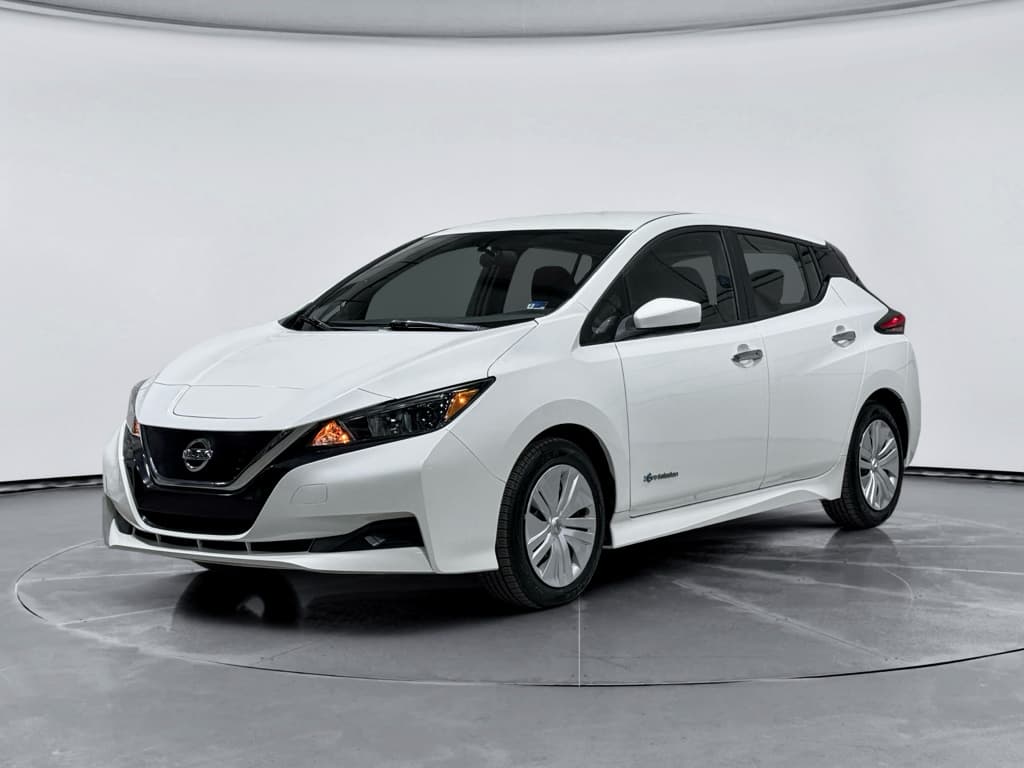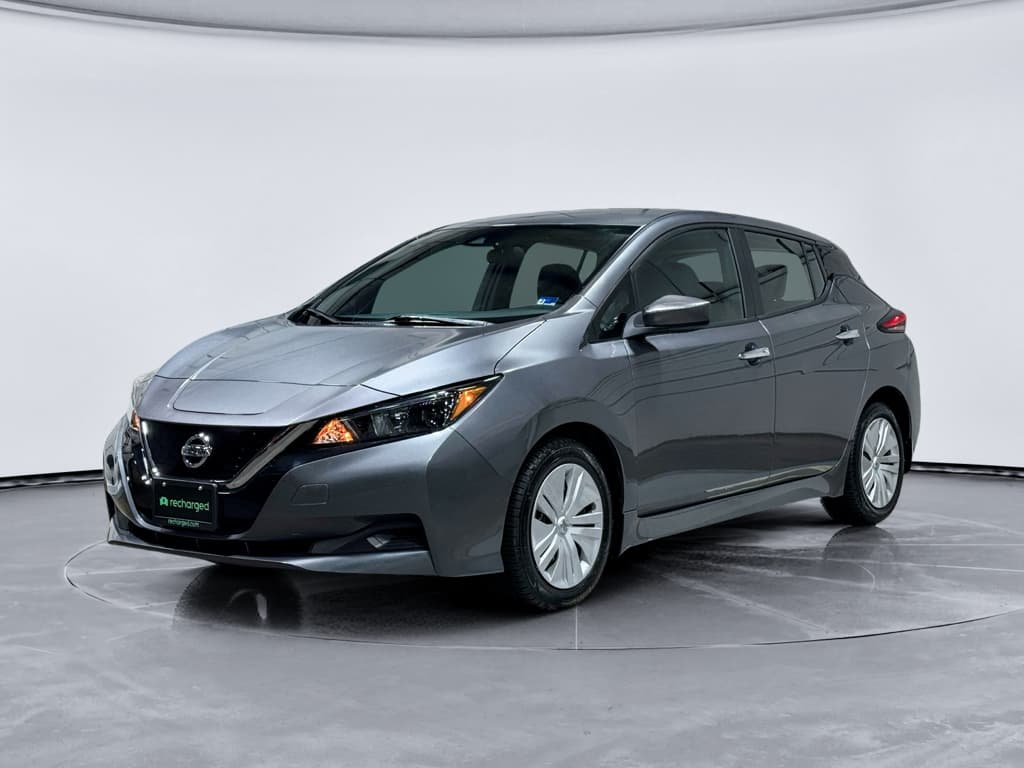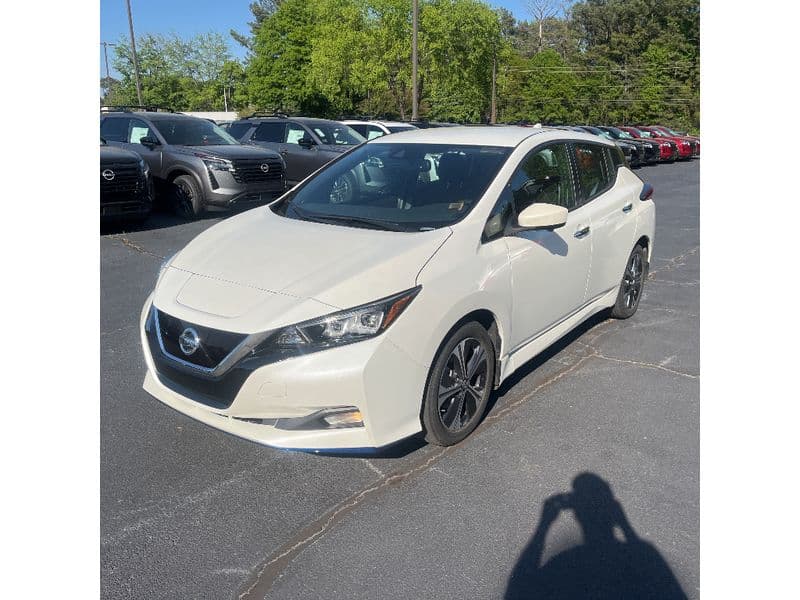
When you’re pricing out a Nissan Leaf, it’s easy to fixate on the monthly payment and electricity costs. But for many drivers, insurance is the surprise line item, especially for younger or brand‑new EV owners. Understanding Nissan Leaf insurance rates by age is one of the simplest ways to avoid budget shock and choose the right Leaf in the first place.
Quick take
Why age matters so much for Nissan Leaf insurance
Insurance companies don’t actually care that you’re driving a Nissan Leaf because you like instant torque or low emissions, they care about risk and replacement cost. Age is one of their bluntest tools for estimating how likely you are to file a claim. Teen drivers have significantly higher crash rates, while middle‑aged drivers tend to be the safest and most experienced behind the wheel. As drivers reach their 70s, claim frequency and severity tick up again, so premiums start to rise.
How age typically affects car insurance costs
Think in age bands, not birthdays
How much does Nissan Leaf insurance cost in 2026?
Exact numbers will always depend on your ZIP code, driving record, credit tier, coverage limits, and the specific Leaf you drive. Industry data in 2026 suggests EVs often cost 10–50% more to insure than comparable gas cars, largely because of higher repair and battery replacement costs. However, the Leaf tends to live in the calmer end of the EV pool, its premiums are usually closer to a compact car than a high‑end luxury EV.
Recent analyses of electric car insurance costs by model show that mainstream EVs like the Nissan Leaf, VW ID.4, and Hyundai Kona Electric are often among the cheaper electric vehicles to insure, with typical premiums well below attention‑grabbing numbers you see for large luxury EVs. On a national basis, a typical adult driver with a clean record might see full‑coverage Nissan Leaf insurance cluster around average U.S. premiums, sometimes slightly higher, sometimes slightly lower depending on state and trim level.
Don’t anchor on national averages
Nissan Leaf insurance rates by age: a practical breakdown
No public dataset breaks out Nissan Leaf insurance rates by age for every insurer, but we can combine what we know about age‑based pricing with the Leaf’s relatively modest insurance profile. Think of the Leaf as usually costing roughly what a well‑equipped compact car or small crossover would cost to insure in the same area. Then, layer in typical age‑driven multipliers.
How age typically affects Nissan Leaf‑like insurance costs
Illustrative ranges comparing how much different age groups might pay relative to a safe 40‑year‑old Leaf driver with full coverage. These are not quotes, just a way to think about age effects.
| Driver age band | Relative cost vs. safe 40‑year‑old | What that can look like in dollars* | Context |
|---|---|---|---|
| 16–18 (own policy) | 2.5x–3.5x | If a 40‑year‑old pays ~$1,800/year, a teen might see $4,500–$6,000+ | Very high crash risk and little driving history; EV repair costs amplify the dollar impact. |
| 18–20 | 2x–3x | Using the same $1,800 baseline, ~$3,600–$5,400/year | Rates fall from the 16–17 peak but are still steep compared to any other age group. |
| 21–24 | 1.5x–2x | Roughly ~$2,700–$3,600/year | Experience improves, but young‑driver surcharges remain significant. |
| 25–34 | 1.1x–1.3x | ~$2,000–$2,400/year | Big drop as you age into more mature risk bands, assuming a clean record. |
| 35–54 | Baseline (1.0x) | ~$1,600–$2,000/year | Often the lowest Leaf insurance rates of your driving life. |
| 55–69 | 0.9x–1.0x | ~$1,500–$1,900/year | Some drivers see modest discounts for long, clean histories. |
| 70+ | 1.1x–1.4x | ~$1,800–$2,500/year | Premiums start to rise again as claim statistics worsen for older drivers. |
Assumes a clean record and the same Leaf in the same ZIP code; your actual numbers will depend heavily on state, insurer, and coverage choices.
About those dollar numbers
What age‑based Leaf insurance looks like in real life
Same car, very different budgets
Teen buying their first Leaf
Profile: 18‑year‑old, new license, financing a used Leaf, individual policy.
Even though the Leaf is a safe compact EV, the teen’s lack of history means premiums can rival or exceed their monthly car payment. Keeping comprehensive/collision on a lower‑value Leaf may or may not pencil out.
40‑year‑old commuter
Profile: 40‑year‑old with a clean record commuting 30 miles a day in a mid‑trim Leaf.
They’re in a sweet spot: decent experience, lower claim frequency, and a mainstream EV. Their Leaf insurance often sits near the national average for full coverage.
Retiree downsizing to an EV
Profile: 72‑year‑old downsizing from an SUV to a used Leaf, driving fewer miles.
Lower annual mileage helps, but age‑related risk can push premiums up. Choosing higher deductibles and keeping mileage low can offset some of the age impact.

Is a Nissan Leaf cheaper to insure than a gas car?
Across the market, EVs still tend to cost more to insure than comparable gas cars, especially newer, higher‑end models. Industry studies in 2024–2025 found EV insurance averages that were roughly 20–50% higher than gas vehicles overall. A big part of that story is high‑dollar vehicles and structural battery designs that are expensive to repair after even moderate collisions.
The Nissan Leaf is something of a counterweight to that trend. It’s relatively affordable, not a 600‑horsepower performance car, and repair costs don’t sit in the same stratosphere as large luxury EVs. As a result, many insurers price a Leaf more like a mainstream compact hatchback or small crossover than like a premium EV. In practice, that means:
- Versus a similarly priced compact gas car: your Leaf might run modestly higher to insure, especially for full coverage, but the gap is often small.
- Versus a high‑value SUV or pickup: the Leaf can actually be cheaper to insure, particularly if you’re cross‑shopping against upscale trucks or performance models.
- Versus other EVs: Leaf premiums are typically far lower than insurance on premium EV sedans and crossovers, especially from brands associated with expensive collision repairs.
Where a Leaf’s insurance can shine
Beyond age: other factors that move Leaf insurance rates
Age is one of the bluntest rating tools, but it’s not the only lever insurers pull. For Leaf owners and shoppers, a few other variables matter almost as much:
Key non‑age factors for Nissan Leaf insurance
These often move your premium more than trim level
Where you live and park
ZIP code and garaging heavily influence what you pay. Dense urban areas with high claim frequency, theft, or severe weather usually produce higher Leaf premiums than low‑traffic suburbs or rural areas.
Driving record & usage
A clean record, no at‑fault crashes, and modest annual mileage are huge. A Leaf used for a short daily commute with no tickets looks very different to insurers than the same car racking up rideshare miles.
Coverage limits & deductibles
Choosing low deductibles and high liability limits offers better protection but costs more. With an older Leaf, some drivers intentionally raise deductibles or consider dropping collision once the car’s value falls.
Repair costs & parts availability
EV‑qualified body shops, battery pricing, and parts availability in your region all influence how expensive a Leaf is to fix, and therefore how high insurers set premiums.
Use quotes to test assumptions
How a used Nissan Leaf changes the insurance math
The used EV market has shifted quickly. As used Nissan Leafs get cheaper to buy, their claim severity, how much an insurer might have to pay out to replace the car, drops too. From an insurer’s perspective, paying to repair or total a $16,000 used Leaf is less painful than writing a check for a $40,000 new EV. That’s one reason used Leafs can look surprisingly reasonable to insure, particularly for older, safer drivers.
Newer Nissan Leaf
- Higher vehicle value means collision and comprehensive are expensive to drop.
- Better for drivers who want full protection and qualify for strong safe‑driver and multi‑policy discounts.
- Monthly payment plus higher insurance may still pencil out if you drive a lot and value the latest safety tech.
Used Nissan Leaf
- Lower vehicle value can bring collision/comprehensive costs closer to what you’d pay on a small gas car.
- Some owners raise deductibles or eventually drop collision once replacement cost falls below a threshold.
- Great fit if you want EV savings and are watching both payment and insurance closely.
Where Recharged fits in
Strategies to lower Nissan Leaf insurance at any age
The Leaf gives you a head start by being a relatively tame, well‑rated EV. You still have levers to pull, whether you’re a teen, a parent adding a driver, or a retiree downsizing into electric.
Practical ways to cut Leaf insurance costs
1. Right‑size your coverage
Make sure your liability limits are adequate (especially if you have assets to protect), but think critically about collision and comprehensive on an older Leaf. If the car’s value is low, high deductibles, or eventually dropping collision, may make sense.
2. Ask about EV and telematics discounts
Some insurers now offer discounts for EVs, usage‑based programs, or connected‑car data. A Leaf driven gently and not many miles can score very well in these systems.
3. Bundle and clean up your record
Bundling home or renters insurance with auto is still one of the biggest discounts out there. So is a clean record for 3–5 years. If you’ve got old tickets, set calendar reminders for when they age out and re‑shop your policy.
4. Compare quotes before you buy the car
Before you commit to any Leaf, new or used, get quotes on its exact model year, trim, and VIN when possible. Rates can swing more between insurers than between trims.
5. Adjust deductibles thoughtfully
If you can realistically afford a $1,000 repair hit, raising a $500 deductible to $1,000 can knock meaningful dollars off your Leaf premium. Just be honest with yourself about what you could cover in an emergency.
6. Put the right driver on the right car
In multi‑car households, putting higher‑risk drivers (like teens) on your least expensive, easiest‑to‑repair vehicle and assigning the safest drivers to pricier cars can lower the overall household premium.
Teens and Leafs: watch the collision line item
What insurers worry about with EVs like the Leaf
Even though the Nissan Leaf isn’t a six‑figure performance car, it still carries characteristics that make insurers cautious about EVs in general. Understanding those concerns can help you see why your quote looks the way it does, and what might change over time.
- Battery repair and total losses: If a crash damages the high‑voltage battery or its cooling structure, repair can be expensive enough that an insurer totals the car rather than fixing it.
- Specialized repair networks: Not every body shop is qualified or equipped to work safely on high‑voltage EVs, which concentrates repair work at more expensive facilities.
- Parts and calibration: Modern Leafs have advanced driver‑assistance systems (ADAS). Cameras, radar sensors, and their calibrations add cost to what used to be simple bumper jobs.
- Rapid market changes: Used EV values have moved quickly in recent years. When residual values fall faster than expected, past rate assumptions can break, and insurers adjust premiums while they recalibrate.
Why this may improve over time
FAQ: Nissan Leaf insurance rates by age
Common questions about Nissan Leaf insurance costs
Bottom line: Making Nissan Leaf insurance work for you
Age is one of the strongest predictors of what you’ll pay to insure a Nissan Leaf. Teen and early‑20s drivers often see premiums two to three times higher than a safe 40‑year‑old; middle‑aged drivers tend to get the best deals; and older drivers may see rates creep back up even as their annual mileage falls. But the Leaf itself is an inherently reasonable EV to insure compared with many of its battery‑powered peers, especially once it’s a few years old.
If you’re shopping, especially on the used market, it pays to run the numbers holistically: purchase price, insurance, and charging costs together. At Recharged, every used Leaf comes with transparent pricing and a Recharged Score battery‑health report, making it easier to decide how much coverage you really need and what deductible fits your risk tolerance. Combine the right car with smart insurance choices, and a Nissan Leaf can be one of the most budget‑friendly ways to go electric, no matter how many birthdays you’ve had.