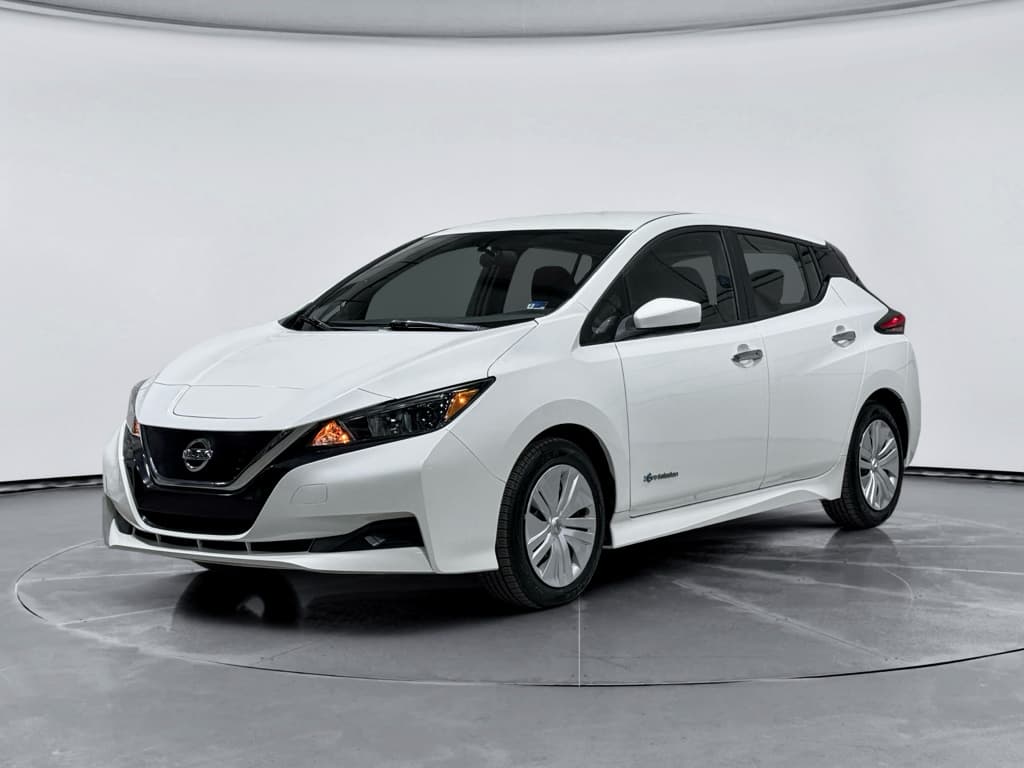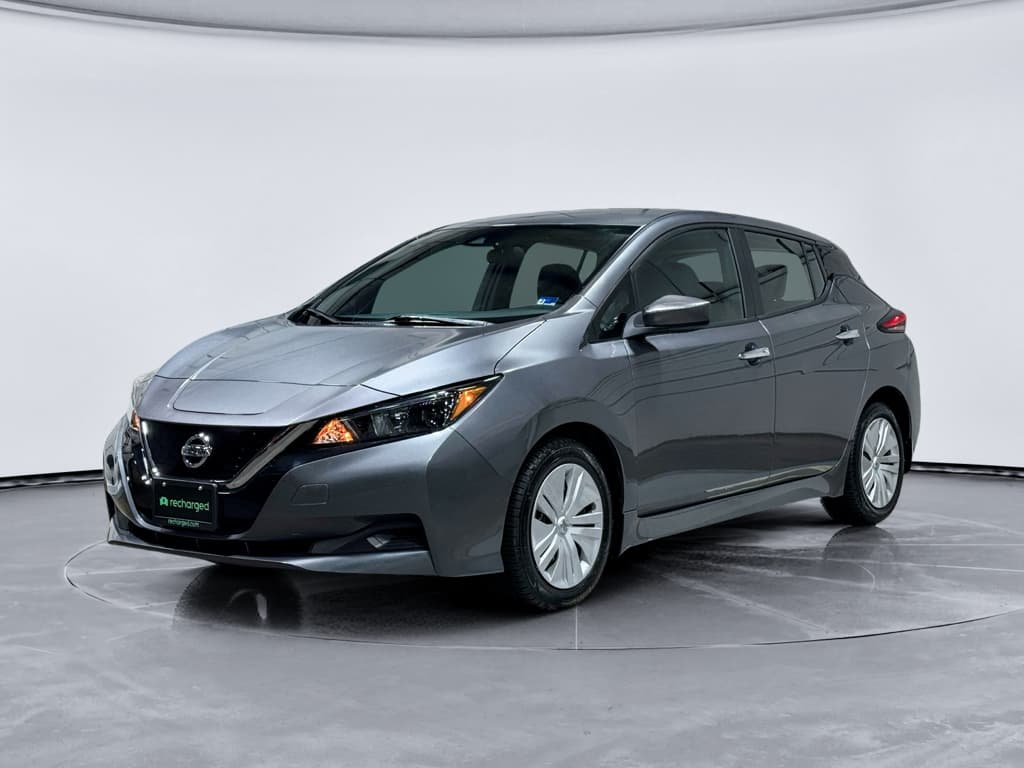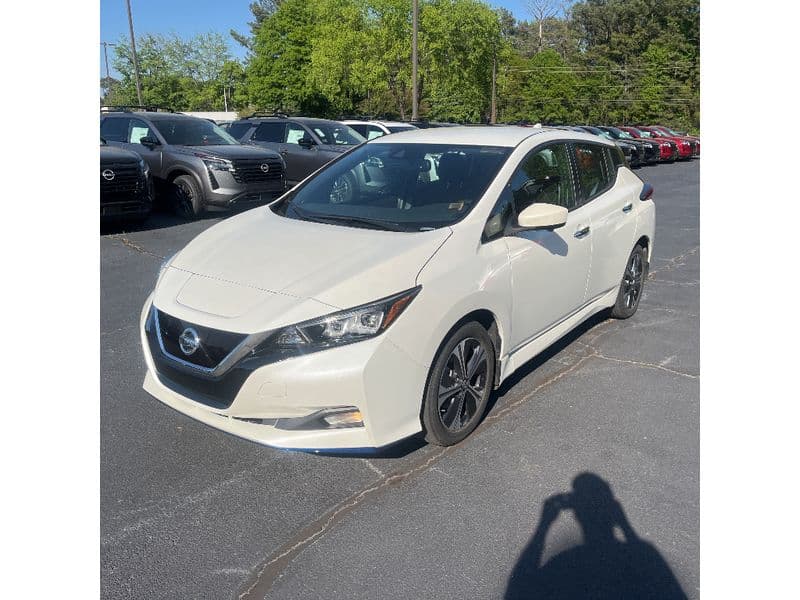
If you’re considering a Nissan Leaf, especially a used one, insurance cost is a big part of the ownership math. The good news: Nissan Leaf insurance cost is generally on the affordable side for an EV, but rising auto premiums across the U.S. mean you still need to run the numbers carefully.
Key takeaway
What does Nissan Leaf insurance cost in 2026?
There’s no single price for Nissan Leaf insurance, but recent data and insurer quotes give us a useful range. One national carrier that publishes model‑specific data reports average Leaf premiums of roughly $35–$38 per month for basic coverage for many drivers with clean records, with higher limits and full coverage landing closer to the low‑hundreds per month for others. Another ownership‑cost analysis pegs a new Leaf’s insurance at about $2,900 per year for full coverage in its first five years, roughly $240 a month, before discounts, telematics programs, or shopping around.
Nissan Leaf insurance at a glance (2026)
Think of these numbers as a starting point, not a quote. Your exact Nissan Leaf insurance cost will depend on who you are, where you live, your driving history, and the specific Leaf you insure.
How Nissan Leaf insurance compares to the average car
Where the Leaf can be cheaper
- No gasoline engine means fewer engine‑related repair claims.
- Compact hatchback with moderate power, not a high‑performance or luxury model.
- Strong safety and crash‑test scores help reduce injury‑related payouts for insurers.
- Many Leafs are driven fewer miles as commuters or second cars, which can lower risk.
Where the Leaf can be similar or higher
- EV‑specific parts and body repairs can be more expensive than for a basic gas compact.
- Insurers are still pricing in EV battery and repair uncertainty in some markets.
- General US auto premiums have risen sharply since 2022, affecting all models.
- Newer trims with driver‑assist tech can be costly to repair after a crash.
Put simply, the Leaf usually isn’t as cheap to insure as a bare‑bones subcompact, but it also avoids the sky‑high premiums you see on large SUVs, performance cars, or luxury EVs. For budget‑minded EV shoppers, that’s a meaningful middle ground.
9 factors that impact Nissan Leaf insurance cost
Every insurer is doing the same basic math: how likely is it that you’ll have a claim, and how expensive will that claim be? Here’s how that plays out for a Nissan Leaf.
What drives your Leaf premium up or down
1. Your driving record
Accidents, at‑fault crashes, speeding tickets, and DUIs are some of the biggest premium drivers. A clean record can easily save hundreds per year on Nissan Leaf insurance.
2. Location and garaging
Insurers look at where your Leaf is parked overnight. Dense urban areas with more theft and crashes, or coastal regions with higher repair costs, tend to have higher rates than small towns and suburbs.
3. Annual mileage and usage
A Leaf used for a short daily commute or weekend errands is cheaper to insure than one used for rideshare or long‑distance delivery. Fewer miles generally mean lower risk of a claim.
4. Coverage level and deductibles
Full coverage (liability, collision, and comprehensive) with low deductibles will cost more than a state‑minimum liability policy. Raising your collision and comprehensive deductibles often trims premiums, if you can comfortably afford the out‑of‑pocket risk.
5. Leaf trim, model year, and value
Newer Leafs with higher MSRPs, bigger batteries, and more tech usually cost more to insure because the potential claim payout is higher. Older, lower‑value Leafs can often carry cheaper collision and comprehensive coverage.
6. Safety features and crash technology
Automatic emergency braking, lane‑keeping assist, and strong crash‑test scores generally help. Still, those cameras and sensors are pricey to replace, so the repair side of the equation can pull in the opposite direction.
7. Credit‑based insurance scores (in many states)
In most states, insurers legally factor in credit‑based insurance scores. Stronger credit can translate to lower Nissan Leaf insurance cost, while weaker credit can push it higher, even with a clean driving record.
8. Age, experience, and household drivers
Teen drivers and inexperienced drivers pay significantly more, regardless of vehicle. A Leaf insured for a 45‑year‑old commuter will be priced very differently than the same Leaf with a 17‑year‑old on the policy.
9. Discounts and telematics programs
Usage‑based programs that track driving behavior, multi‑car discounts, bundling home and auto, and EV‑friendly insurers can all pull your Leaf premium down, sometimes by 10–30% from the starting quote.
State rules matter
New vs. used Nissan Leaf: Insurance cost differences
A brand‑new Leaf SV or SL Plus and a 6‑year‑old used Leaf might look similar in your driveway, but they land differently on an insurer’s balance sheet.
How new and used Leafs typically differ on insurance
The age and value of your Leaf shape how much coverage you really need
New or nearly new Nissan Leaf
- Higher vehicle value means collision and comprehensive coverage are more expensive.
- Lenders usually require full coverage if you finance or lease.
- More likely to carry higher limits and add‑ons (rental, GAP, OEM parts).
- Advanced driver‑assist tech standard on newer years can be costly to repair.
Result: Full‑coverage premiums often land closer to or above the US average for all vehicles.
Used Nissan Leaf (5+ years old)
- Lower market value makes collision and comprehensive cheaper.
- Some owners choose to drop collision once the car’s value falls below a certain point.
- Many used Leafs are bought outright, so you can tailor coverage without lender requirements.
- Older Leafs may have fewer high‑end sensors, trimming some repair costs.
Result: Savvy owners can often get very affordable full‑coverage or liability‑only premiums.
Practical rule of thumb
Why your state can double (or cut) Leaf insurance costs
Two Leaf owners with identical profiles can see wildly different premiums depending on where they live. That’s not your imagination, state‑level rate data backs it up.
Sample full‑coverage premiums by state (all vehicles)
These ranges show how dramatically location alone can change what you pay. A Leaf typically prices at or slightly below these statewide averages for many drivers.
| State example | Typical full‑coverage band (per year) | What that can mean for a Leaf |
|---|---|---|
| Low‑cost states (e.g., Idaho, Vermont, Maine) | $1,400–$1,800 | A safe, middle‑aged driver in a used Leaf could realistically see premiums under $1,200–$1,400. |
| Middle‑of‑the‑pack states (e.g., Ohio, Virginia, Arizona) | $2,000–$2,600 | Leaf drivers often land near or slightly below the state average, roughly $1,800–$2,200 for full coverage. |
| High‑cost states (e.g., Florida, New York, Louisiana) | $3,000+ | Even an economy EV like the Leaf can cost $2,500+ annually to insure if you live in a high‑risk, high‑cost market. |
Use this as a directional guide, your Nissan Leaf quote may be higher or lower based on your specific profile.
Urban vs. rural location inside your state also matters. The same insurer can quote very different prices for a Leaf in downtown Miami versus a small town in the Panhandle, simply because crash and theft statistics are different.
15 smart ways to lower your Nissan Leaf insurance cost
You don’t control state‑level risk or macro‑level inflation, but you do control a lot of the levers that affect your premium. Here are practical steps tailored to Leaf owners.
- Shop multiple insurers, including EV‑friendly carriers that publish competitive Nissan Leaf rates.
- Bundle your Leaf with home, renters, or an additional vehicle to unlock multi‑policy discounts.
- Ask about EV, low‑mileage, and telematics discounts, many Leaf owners naturally drive less and more smoothly.
- Right‑size your coverage limits and deductibles instead of defaulting to whatever you’ve always carried.
- If you own an older, low‑value Leaf outright, price policies with and without collision and compare savings versus risk.
- Keep your driving record clean; a single at‑fault accident or speeding ticket can push an otherwise low Leaf premium sharply higher.
- Improve your credit profile where it’s legally factored into auto insurance pricing.
- Choose a safe garaging location when possible (locked garage vs. on‑street parking in a high‑theft neighborhood).
- Add advanced anti‑theft or tracking devices if available for your Leaf and check whether your insurer discounts for them.
- Avoid heavy customization or aftermarket performance mods that can be expensive to replace or encourage aggressive driving behavior.
- Update your insurer when your annual mileage changes, if you move closer to work or start remote work, your Leaf’s risk profile improves.
- Take a recognized defensive‑driving course if your insurer offers a discount for completing it.
- Review your policy every renewal; insurers adjust rates frequently, especially for EVs, and the best deal one year may not be the best the next.
- Consider paying your premium in full or via automatic bank draft if your carrier offers a pricing break for either.
- If you’re adding a teen driver, compare scenarios: separate policy vs. adding them to your Leaf vs. assigning them to a different family vehicle.
Leaf advantage: easy fit for usage‑based programs
How battery health, mileage and usage affect insurance
Insurers don’t plug into your Leaf’s battery‑health report directly, but the same factors that matter for used‑EV buyers can show up indirectly in your insurance pricing and claims experience.
Battery health & value
- A Leaf with strong battery health and higher remaining range commands a higher market value, which can increase collision and comprehensive premiums slightly.
- Poor battery health may drag down the car’s value enough that you decide to reduce or drop collision coverage, trimming your premium.
- Insurers look at vehicle value and age, not just the fact that it’s an EV, when calculating what a total loss might cost.
Mileage and use patterns
- A Leaf used strictly as a low‑mileage commuter or around‑town second car typically gets cheaper rates than one doing cross‑state trips weekly.
- Usage‑based insurance apps can see time of day, trip frequency, and braking/acceleration patterns, not your battery stats, and reward safer patterns.
- Planned high‑mileage use (like delivery work) may require different coverage or commercial policies.
Where Recharged’s battery data helps you
Where Leaf insurance fits in your total ownership costs
Insurance is just one slice of what it costs to run a Leaf. EVs trade fuel for electricity and engine maintenance for tires, brakes, and the occasional software update, but you still write checks to several parties over a typical year.
Typical annual Leaf ownership cost buckets
When you zoom out, a slightly higher insurance bill doesn’t necessarily kill the EV equation. Lower fueling and maintenance costs often make up ground, especially if you buy a reasonably priced used Leaf and keep your coverage dialed into what you genuinely need.
How Recharged helps Leaf shoppers keep insurance costs in check
If you’re shopping for a Nissan Leaf, especially used, it’s smart to think about insurance before you sign anything. That’s built into how Recharged approaches EV retail.
Buying a Leaf with Recharged: Insurance‑friendly advantages
Better transparency up front makes it easier to get the right coverage at the right price
Verified battery health
Fair market pricing
Financing that fits insurance
Nationwide delivery & trade‑ins
EV‑specialist guidance
Digital, quote‑friendly process
Ready to find your next EV?
Browse VehiclesNissan Leaf insurance: Frequently asked questions
Common questions about Nissan Leaf insurance costs
The bottom line: Nissan Leaf insurance cost in 2026 is manageable for most drivers, especially if you’re thoughtful about coverage and shop around. The Leaf’s safety record and modest footprint help offset broader trends that are pushing premiums higher nationwide, and a well‑priced used Leaf can be one of the more budget‑friendly all‑electric options to insure. When you layer in lower fueling and maintenance bills, and use tools like Recharged’s battery‑health reports and EV‑savvy support, the numbers can tilt even more in your favor.