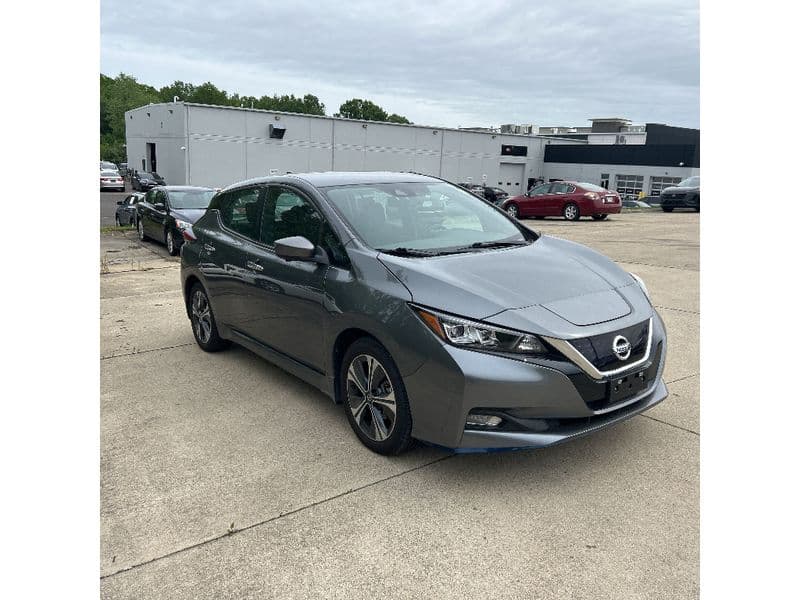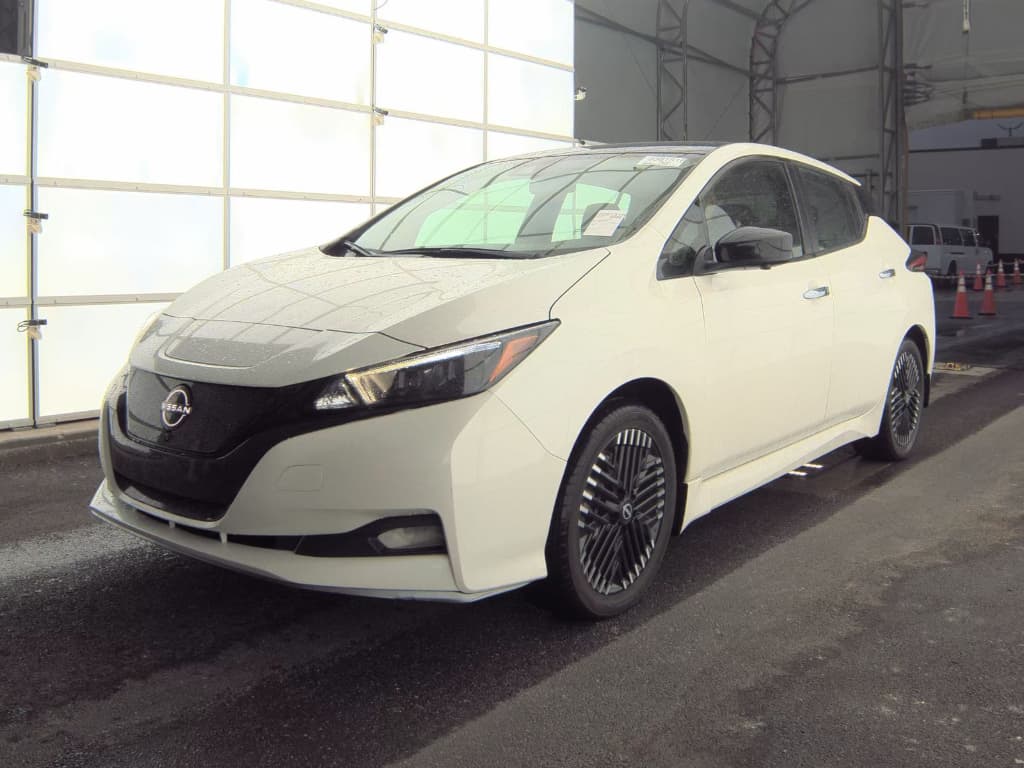
If you’re shopping for a Nissan Leaf in 2026, you’ve probably already priced chargers, electricity, and maybe even a road‑trip or two. Insurance is the line item that sneaks up on people. The good news: among electric cars, Nissan Leaf insurance costs in 2026 are on the lower end of the spectrum, but they can still surprise you if you don’t know what drives the number.
The short answer
Nissan Leaf insurance cost in 2026: quick overview
Nissan Leaf insurance snapshot for 2026
Insurance premiums move constantly, and no article can tell you exactly what your quote will be. But looking at 2025–2026 data from multiple insurance comparison sites and EV cost studies, a realistic full‑coverage Nissan Leaf insurance cost in 2026 for many drivers falls roughly between $1,600 and $2,100 per year. That’s cheaper than plenty of other EVs, but it may still be higher than the gas compact you’re trading out of.
Expect big swings by state
How much does it cost to insure a Nissan Leaf in 2026?
Typical 2026 Nissan Leaf insurance costs (U.S., full coverage)
Approximate national averages for a clean‑record driver. Your actual premium can be higher or lower based on age, state, credit, mileage, and prior claims.
| Leaf situation | Estimated annual premium | Estimated monthly premium | Notes |
|---|---|---|---|
| Used Leaf (2015–2019) | $1,400–$1,800 | $115–$150 | Lower vehicle value can offset higher repair costs. |
| Used Leaf (2020–2023) | $1,600–$2,000 | $135–$165 | More tech and higher replacement value raise comprehensive/collision a bit. |
| Late‑model / 2025 Leaf | $1,800–$2,100 | $150–$175 | Newer car, more expensive to replace if totaled. |
| All‑new 2026 Leaf | $1,900–$2,200+ | $160–$185+ | Redesigned platform, fresh pricing and parts; insurers may price cautiously at first. |
These numbers are directional, not quotes, use them as a sanity check when you compare offers.
If you’re seeing quotes for a Nissan Leaf in 2026 that are wildly above this band, say, $250 a month for a middle‑aged driver with a clean record, it’s worth digging into the details. Sometimes the culprit is a very low deductible, stacked add‑ons you don’t actually need, or a rating quirk like high annual mileage or a recent at‑fault accident on your record.
Reality check against other EVs
Why the Nissan Leaf is one of the cheapest EVs to insure
When you hear that “EVs are expensive to insure,” the picture in most underwriters’ heads isn’t a humble Leaf. It’s a heavy, high‑horsepower crossover stuffed with sensors and a massive battery pack. The Leaf is different enough that many insurers quietly treat it as the “easy” EV on their books.
What helps keep Leaf insurance costs in check
Not every EV is an insurance nightmare. The Leaf has a few things going for it.
Modest performance
Simpler construction
Strong safety record
Against gas cars, you still pay a bit of an “EV tax” in insurance, primarily because batteries, high‑voltage components, and specialized body repairs remain pricey. But inside the EV world, the Leaf tends to sit in the budget‑friendly corner, closer to compact sedans and hatchbacks than to high‑end crossovers.
9 factors that change your Nissan Leaf insurance cost
Two Leaf drivers can own almost identical cars and see quotes that differ by more than $100 a month. That’s not a mistake; it’s how the rating system works. Here are the biggest levers you actually control, and the ones you don’t.
Key factors that move your Leaf premium up or down
1. Your driving record
Accidents, speeding tickets, and DUIs are major price multipliers. A Leaf won’t magically erase your past; insurers still look back three to five years in most states.
2. Where you garaged the car
Dense urban ZIP codes with high crash and theft rates cost more than quiet suburbs or rural areas. A Leaf in downtown Los Angeles will never price like a Leaf in rural Iowa.
3. Your age and experience
Teen and very young drivers, even in safe EVs, face steep premiums. Mature drivers with a long, clean record usually get much better Leaf rates.
4. Annual mileage and usage
Drive 20,000 miles a year or use your Leaf for app‑based delivery? Insurers see more exposure. A low‑mileage commuter or second car can be substantially cheaper to insure.
5. Credit‑based insurance score (in most states)
In many states, insurers use a credit‑based score as a risk proxy. Strong credit can knock serious dollars off your Leaf premium; weak credit can push it the other way.
6. Model year and trim
A brand‑new 2026 Leaf Platinum+ loaded with tech costs more to repair or replace than an older S trim. More car value usually means higher comprehensive and collision costs.
7. Chosen coverage limits
Full coverage with high liability limits, low deductibles, rental car, and OEM‑parts riders will cost more than a lean policy. We’ll talk about what’s smart to carry on a Leaf next.
8. Household and policy bundling
Multi‑car and home/auto bundles can trim 10–20% off your bill. Putting your Leaf on a bare‑bones solo policy often means leaving money on the table.
9. Telematics and driver‑monitoring programs
Usage‑based programs that score your driving can reward smooth, light‑braking Leaf drivers with serious discounts. But if you’re a hard‑braking, late‑night commuter, they can backfire.
Watch those repair assumptions
New 2026 Leaf vs used Leaf: insurance cost differences
For 2026, Nissan has redesigned the Leaf, moved it onto a new platform, and positioned it as one of the least expensive new EVs in the U.S. That’s great news for buyers, but it also means insurers are learning this generation from scratch. They don’t yet have years of real‑world data on repair times, battery costs, and total‑loss thresholds for the new body style.
Insuring a brand‑new 2026 Leaf
- Higher replacement value means higher comprehensive and collision premiums, especially in the first few years.
- New safety tech (ADAS, cameras, sensors) can prevent crashes, but is expensive to recalibrate if it’s damaged.
- Some carriers may price cautiously until they see real repair‑shop data for this generation.
- On the plus side, you’ll usually qualify for new‑car discounts and the latest safety‑feature credits.
Insuring a used Leaf (2011–2025)
- Lower market values can pull comprehensive and collision costs down, especially on older Leafs.
- Parts are more widely available and shops have a decade of experience with first‑ and second‑gen Leafs.
- You may decide to drop collision or comprehensive entirely on older, low‑value Leafs, cutting the bill dramatically.
- On the flip side, some insurers bake older driver‑assist technology or missing features into slightly higher risk scores.
If you’re sitting on the fence between a used Leaf and a new 2026 model, it’s smart to get quotes for both VINs or at least both model years. The difference in insurance cost won’t usually make or break the deal by itself, but it does affect your real monthly payment once you roll in loan or lease costs.
What coverage do you actually need on a Leaf?
People fixate on price, but the better question is: what protection do you really want around your Leaf and your wallet? Cutting coverage too far to save a few dollars a month is how a minor fender‑bender turns into an expensive headache.
Common coverage levels for Nissan Leaf owners
These are typical choices we see Leaf drivers make. Exact dollar figures vary by state and insurer.
| Coverage type | What it does | Typical Leaf owner choice | Cost impact |
|---|---|---|---|
| Liability (bodily injury & property damage) | Pays others if you cause a crash. | $100k/$300k/$100k or higher, often above state minimums. | Higher limits add cost, but usually not as much as people expect. |
| Collision | Repairs your Leaf after a crash, regardless of fault (minus deductible). | Kept on newer Leafs and Leafs with loans/leases; sometimes dropped on older paid‑off cars. | Biggest lever on older, low‑value Leafs, dropping it can dramatically cut the bill. |
| Comprehensive | Non‑collision damage: theft, hail, fire, vandalism, falling objects, animal strikes. | Usually kept even on older Leafs, because weather and theft can total a cheap EV. | Raising the deductible from $500 to $1,000 can noticeably shrink your premium. |
| Uninsured/underinsured motorist | Protects you if a driver with little or no insurance hits you. | Frequently matched to liability limits in states where it’s offered. | Not expensive relative to protection; worth maintaining strong limits. |
| Medical payments/PIP | Helps with medical bills regardless of fault (varies by state). | Often carried at modest limits; required in some states. | Cost varies, but dropping to the legal minimum isn’t always wise. |
| Add‑ons (OEM parts, rental car, gap, roadside) | Extras that fine‑tune your protection. | Selected a la carte, especially on newer, financed Leafs. | Each line item is small, but together they can add up quickly. |
Use this as a framework when you talk to your agent or compare quotes online.
EV‑specific add‑on to ask about
7 smart ways to lower Nissan Leaf insurance in 2026
You chose a Leaf at least partly because it’s a practical, budget‑minded EV. Your insurance should behave the same way. Here’s how to nudge your 2026 Nissan Leaf insurance cost toward the bottom of that national range.
- Quote at least three insurers, and include one that likes EVs. Different companies price the Leaf very differently, especially in its first years on a new platform. Use an online comparison tool and ask specifically about EV‑friendly programs or discounts.
- Right‑size your deductibles. Moving collision and comprehensive deductibles from $500 to $1,000 can shave meaningful dollars off the premium, especially on a used Leaf. Just be sure you could comfortably pay that amount out of pocket after a crash.
- Bundle where it makes sense. Putting your Leaf on the same policy as your home or renters insurance can unlock multi‑policy discounts. If your current carrier still prices EVs like exotic sports cars, it may be time to move everything to a more EV‑savvy insurer.
- Use telematics, if you’re a calm driver. Plug‑in devices and smartphone apps that reward smooth acceleration and gentle braking tend to favor Leaf drivers who already drive efficiently for range. If you’re aggressive or frequently drive late at night, skip it.
- Ask about EV and safety discounts. Many carriers quietly offer breaks for driving an electric car, using advanced safety systems, or equipping anti‑theft tech. Those little line items add up.
- Don’t carry collision on a Leaf that isn’t worth it. On an older, high‑mileage Leaf that’s worth only a few thousand dollars, paying hundreds a year for collision might not pencil out. Run the math: premium vs. potential payout after your deductible.
- Shop before and after you buy, especially with used EVs. If you’re shopping used Leafs, get quotes on two or three specific VINs before you sign. At Recharged, your EV Specialist can help you compare vehicles and budget insurance realistically before you commit.
How Recharged helps
Ready to find your next EV?
Browse Vehicles
Where Leaf insurance fits in your total EV ownership cost
When you zoom out, insurance is one slice of the Leaf ownership pie. EV skeptics love to point at insurance increases without mentioning the fuel and maintenance savings that come along for the ride.
Costs that go up with a Leaf
- Insurance: Often 10–25% higher than a comparable gas hatchback, depending on where you live.
- Comprehensive/collision severity: Battery and electronics can be expensive when they’re damaged.
- Financing on newer EVs: Even with recent price drops, some EVs still cost more than used gas cars, though the Leaf is among the cheapest new EVs in 2026.
Costs that usually drop
- Fuel: Electricity is typically far cheaper per mile than gasoline, especially if you can charge at home on off‑peak rates.
- Routine maintenance: No oil changes, fewer moving parts, and less brake wear thanks to regeneration.
- Emissions‑related repairs: No exhaust system, catalytic converter, or transmission to worry about.
Run it out over several years and many EV owners find that slightly higher insurance still nets out to lower total cost of ownership, especially with a value‑oriented EV like the Leaf. That’s doubly true if you buy used and let someone else pay the steepest first‑year depreciation.
Battery health matters for insurance, and resale
Nissan Leaf insurance cost 2026: FAQ
Frequently asked questions about Nissan Leaf insurance in 2026
Insuring a Nissan Leaf in 2026 isn’t the budget shock some EV headlines make it out to be. Yes, you may pay a bit more than you would for a comparable gas hatchback, but among electric cars the Leaf earns its reputation as a sensible, relatively affordable choice. If you understand the factors that drive your premium, and you’re willing to shop around, tweak coverage, and maybe choose a well‑cared‑for used Leaf, you can keep your Nissan Leaf insurance cost in 2026 firmly under control. And if you want help picking the right Leaf, the right battery, and a monthly budget that actually works in the real world, Recharged is set up to guide you from first quote to final delivery.