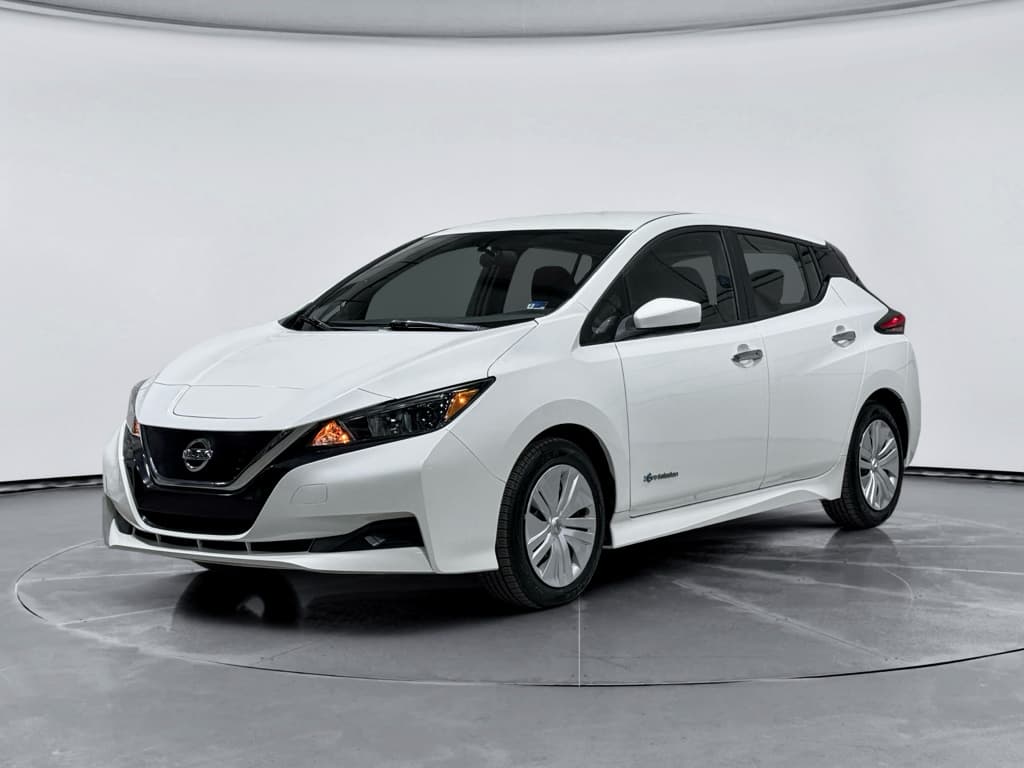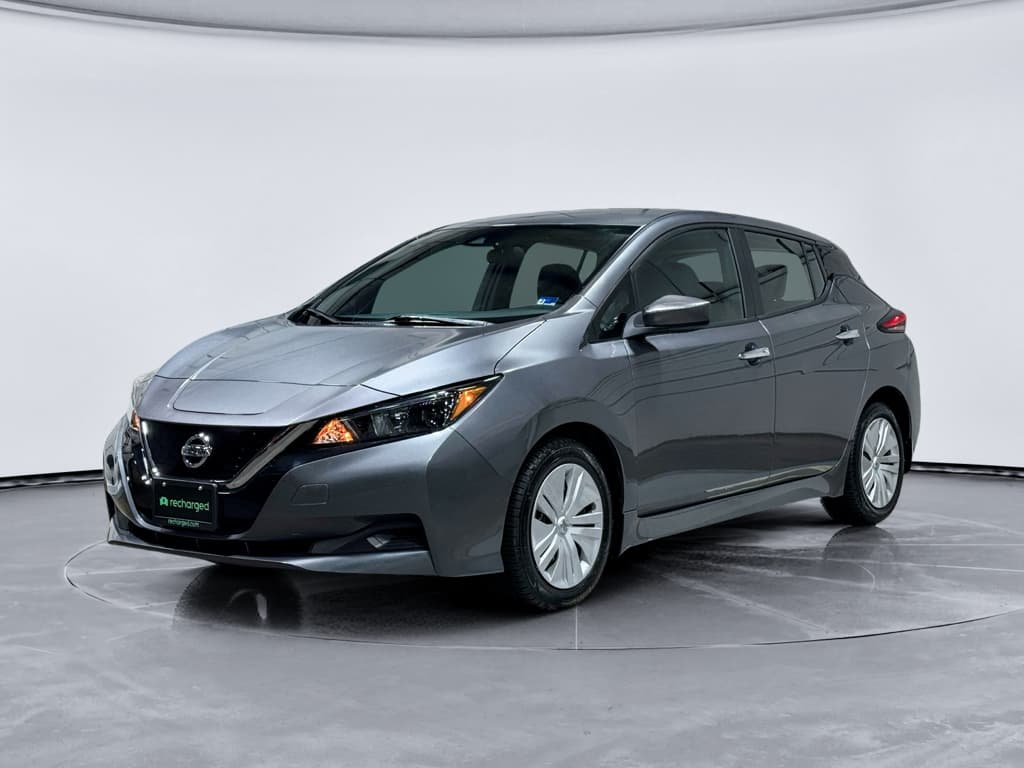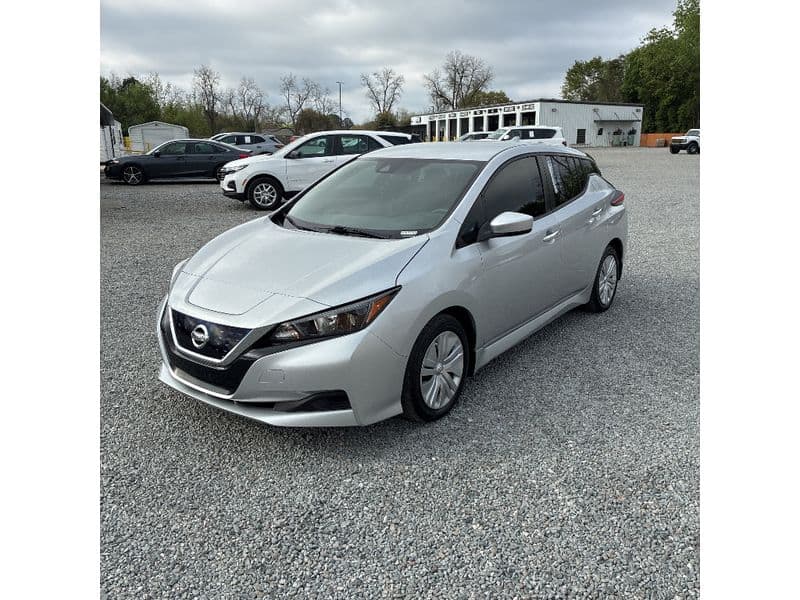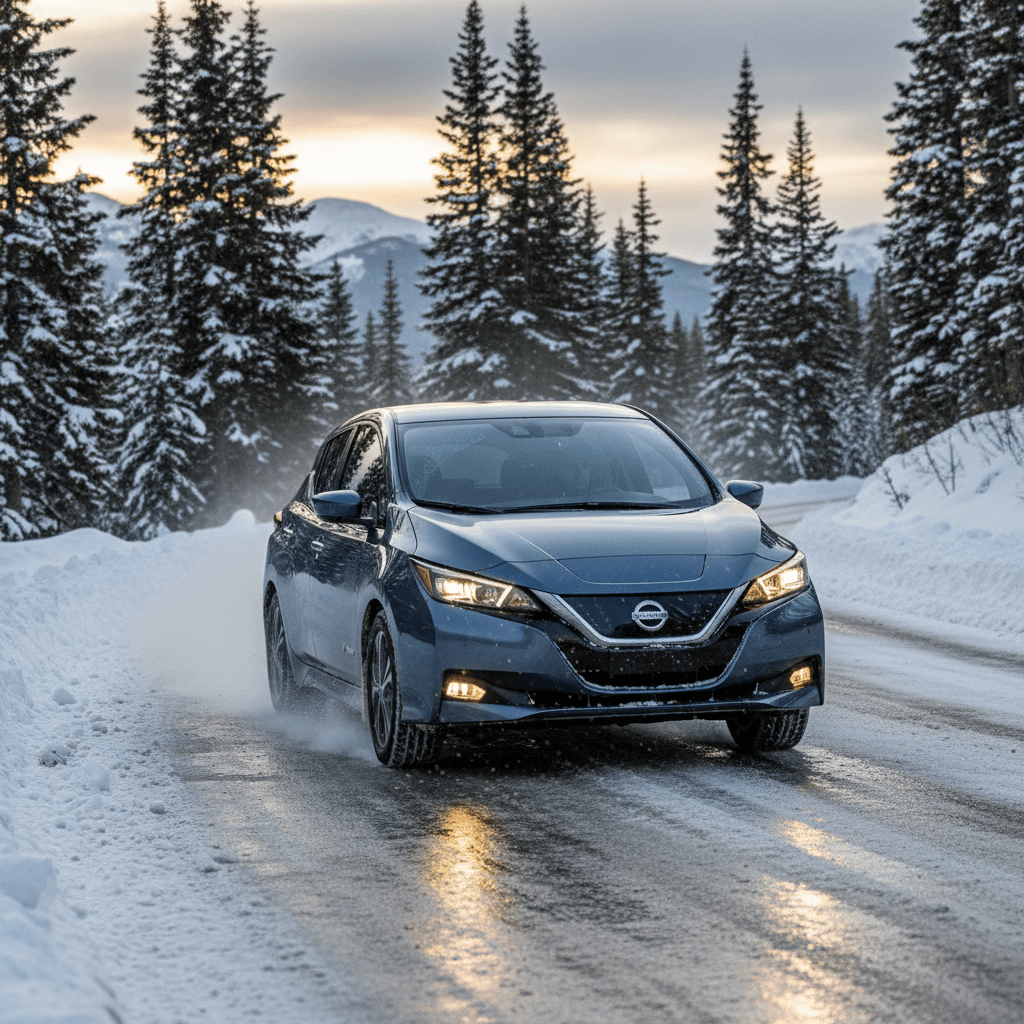
Is the Nissan Leaf best for snow and ice? It depends what you mean by “best.” As a front‑wheel‑drive hatchback with fine traction control and instant torque, a Leaf on proper winter tires can feel wonderfully sure‑footed on snowy city streets. But cold weather is kryptonite for range, and the Leaf’s air‑cooled battery and front‑drive layout aren’t built for back‑country blizzards. This guide walks through what the Leaf does well in winter, where it struggles, and how to set one up to survive a real winter without drama.
Big picture on the Leaf in winter
Overview: Is the Nissan Leaf good for snow and ice?
Where the Leaf works well in winter
- Front‑wheel drive and a heavy battery pack give stable, predictable traction on plowed roads.
- Fine throttle control and Eco/e‑Pedal modes help you meter power on slick surfaces.
- Instant electric torque helps you get moving in deep slush without rev‑flaring drama.
- Cabin heat arrives quickly, and many trims have heated seats and steering wheel.
Where it falls short
- No AWD option; you’re always front‑drive only.
- Cold‑weather range loss is very noticeable, especially on highway runs.
- Ground clearance is modest; deep snow will high‑center it like any compact hatchback.
- Early models lack heat pumps and can be inefficient heaters in very cold climates.
So is a Nissan Leaf “best” for snow and ice? No, if you live in the Rockies, chase ski storms, or routinely drive through unplowed roads, an all‑wheel‑drive crossover with more range is objectively better. But if your winter reality is city streets, suburbs, and a sane commute within the Leaf’s trimmed‑down winter range, it can be an excellent, confidence‑inspiring choice when paired with the right tires.
How the Nissan Leaf actually handles in winter
On snow and ice, the Leaf’s basic physics are on your side. The battery pack lives low in the floor, which lowers the center of gravity and makes the car feel planted. Power goes to the front wheels, which are carrying much of the car’s weight, and the electric motor can apply torque far more smoothly than a gas engine cycling up and down the rev range.
- Traction control cuts power the instant it senses slip, helping keep the car pointing straight.
- Electronic stability control will gently rein in slides if you enter a corner too hot.
- Owners consistently report that with decent winters or good all‑weathers, their Leafs feel calmer and more predictable in snow than many older gas compacts.
- The downside: once the snow depth approaches the Leaf’s modest ground clearance, you’re plowing rather than driving, just like any other low hatchback.
Use the car’s “soft” modes in bad weather
Traction tech: Leaf features that help on snow and ice
Key Leaf features that matter in snow and ice
These matter more than you might think when roads turn white.
Fine torque control
Low center of gravity
Cold‑weather package
Later‑model Leafs also added a battery warmer that can gently protect the pack when temps plummet into true arctic territory. You won’t see it working, but you may notice the car limiting power or charging speed until the battery is in its happy zone. That’s intentional, when it’s that cold, the right answer is often to slow down, literally and figuratively.
Don’t confuse grip with ground clearance
Cold-weather range: How far the Leaf really goes
Typical winter range realities for the Nissan Leaf
Cold weather hits every EV, but the Leaf is more sensitive than some newer rivals because it relies on an air‑cooled battery and, in earlier years, a relatively simple resistance heater. Below freezing, you’re paying a double tax: the chemistry in the pack is less willing to give up electrons, and you’re pouring a steady stream of energy into heat.
- Short, stop‑and‑go trips in the city are where the Leaf shines in winter; you’re driving slowly and regenerating often.
- Long high‑speed freeway commutes in sub‑freezing temps will expose the Leaf’s smaller pack and less‑efficient heating. Plan conservative range margins.
- Pre‑heating the cabin while plugged in, especially on 240V home charging, can claw back a surprising amount of usable range because you start warm and let the car “coast” on that warmth.
Pre‑condition like it’s your job
Why tires matter more than the badge
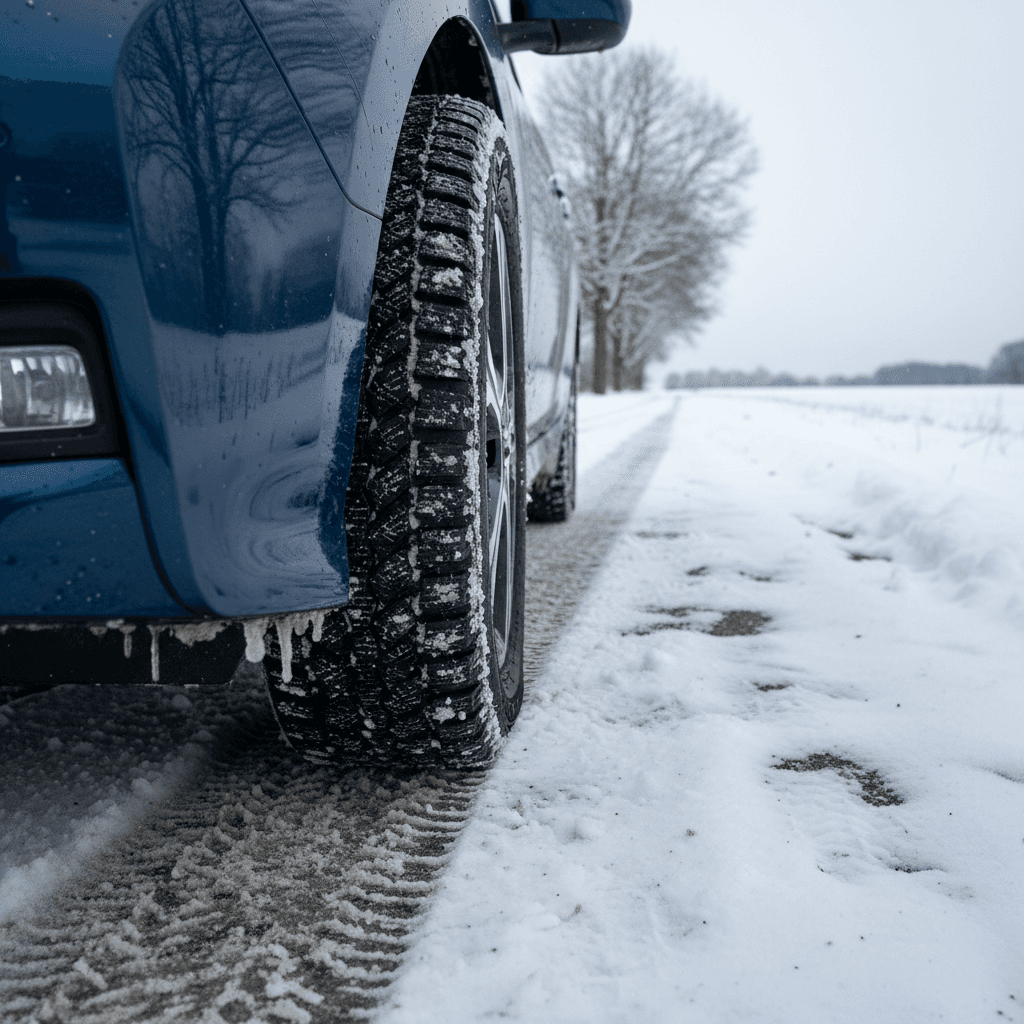
You’ll hear Leaf owners say, over and over: the car is fantastic in winter, on the right tires. On worn all‑seasons, any front‑drive hatch is an adventure. On a fresh set of dedicated winter tires or truly winter‑rated all‑weathers, the Leaf becomes a composed snow commuter that stops and steers with far more authority.
Choosing the right winter rubber for your Leaf
Look for the 3‑Peak Mountain Snowflake
A true winter or severe‑snow all‑weather tire will carry the 3‑peak mountain snowflake symbol on the sidewall. That mark means it has passed a defined snow‑traction test; M+S alone is not enough for real ice and snow.
Prioritize grip over range
Aggressive winter tread and softer compounds will cost you a bit of efficiency. That’s a good trade. Being able to stop on ice and claw up a hill safely is worth a couple of percentage points of range.
Mind your wheel size
If you can, choose a slightly narrower winter tire on a smaller wheel (for example, 16s instead of 17s). Narrow footprints cut through slush better and give you more predictable behavior in ruts.
Plan for TPMS sensors
If you buy a separate winter wheel set, budget for tire‑pressure sensors or accept a warning light. The Leaf will drive fine without sensors, but most people prefer a clean dash and working pressure readings.
The unsung hero: modern all‑weather tires
Which Nissan Leaf years and trims are best for winter?
Nissan Leaf generations and their winter strengths
Later Leafs add range, better heaters, and more cold‑weather amenities, important if you’re shopping used for a snowy climate.
| Model years | Battery sizes | Key winter notes | Best use case in snow |
|---|---|---|---|
| 2011–2012 | 24 kWh | Shortest range, basic heater, early cold‑weather package optional in some regions. | Mild climates or short urban commutes with easy charging. |
| 2013–2017 | 24–30 kWh | Incremental range gains and more common cold‑weather packages with heated seats/wheel. | Urban/suburban winters where daily miles are modest. |
| 2018–2019 (2nd gen early) | 40 kWh | Modern body, better cabins; range still shrinks noticeably in deep cold. | Daily commuting under ~60–70 winter miles round‑trip. |
| 2019–present Leaf Plus | 62 kWh | Much more range overhead; many trims add heat pump and standard cold‑weather features. | Best Leaf choice for true snow‑belt drivers who want margin in bad weather. |
Not all Leafs are equal in winter. Here’s how the main eras stack up for snow‑belt duty.
If you’re shopping a used Nissan Leaf for winter driving, the Plus models with the larger 62 kWh battery give you the most breathing room when the thermometer dives. That extra capacity doesn’t just buy highway range; it buys emotional range, the luxury of not watching the gauge like a hawk every time a cold front rolls through.
Be cautious with very early Leafs in harsh winters
Winter setup checklist for Leaf owners
Leaf winter readiness checklist
1. Install proper winter or all‑weather tires
This is non‑negotiable if you see real snow and ice. The Leaf’s traction electronics can only work with the grip the tires give them.
2. Service brakes and wipers
Regenerative braking does a lot, but you still need healthy pads and rotors for panic stops on ice. Fresh wiper blades and de‑icer fluid turn winter night drives from exhausting to manageable.
3. Set up pre‑conditioning schedules
Use the car’s timer and your home charger so the Leaf pre‑heats while plugged in on winter mornings. You start warm, windows clear, with more usable range.
4. Learn Eco and e‑Pedal behavior on slick roads
Find an empty lot after a snowfall and gently explore how Eco and e‑Pedal feel. Get comfortable with how the car adds and removes regenerative braking before you need it in traffic.
5. Adjust range expectations
Assume you’ll have 20–35% less usable range in sustained freezing weather, sometimes more on the highway. Build that into your mental trip planning so you’re never surprised.
6. Keep charging options flexible
Map out reliable public chargers near work or along your winter routes, and test them before you need them during a storm. In deep cold, having a back‑up charger is peace of mind, not paranoia.
When the Leaf is not the best for snow and ice
No amount of fan enthusiasm can turn a Leaf into something it isn’t. There are real cases where this car is simply the wrong answer for winter.
- You routinely drive long, high‑speed freeway stretches in sub‑freezing temps with limited charging along the way.
- Your local roads stay unplowed for long stretches, or you regularly traverse steep, unpaved grades in winter.
- You carry heavy loads or tow in the snow, where extra weight and traction demands amplify the Leaf’s limitations.
- You don’t have reliable access to home or work charging, and public chargers in your area are sparse or unreliable.
Snow‑belt realism test
Buying a used Leaf for winter driving with Recharged
If you’re considering a used Nissan Leaf specifically for winter commuting, you’re doing the right kind of homework. The key questions are: how healthy is the battery, how realistic is the winter range for your life, and is the car already set up for cold weather with the right equipment?
How Recharged helps you pick the right Leaf for winter
Battery clarity, fair pricing, and expert guidance matter even more when it’s 15°F and sleeting.
Recharged Score battery health report
Fair pricing for age and climate
EV‑specialist support
Ready to find your next EV?
Browse VehiclesIn winter, the Nissan Leaf is neither the hero nor the villain of the story. It’s a tool, and like any tool, it shines in the right job. On plowed city streets and reasonable commutes, wearing proper winter tires and driven with a bit of mechanical sympathy, a Leaf can be a calm, efficient winter companion. Ask it to be an all‑terrain snow beast or a 200‑mile blizzard tourer, and you’ll find its limits quickly. If you match the car to your climate and use case, and verify the battery’s health before you buy, a used Leaf can be a smart, budget‑friendly way to electrify your winters without white‑knuckle drives.