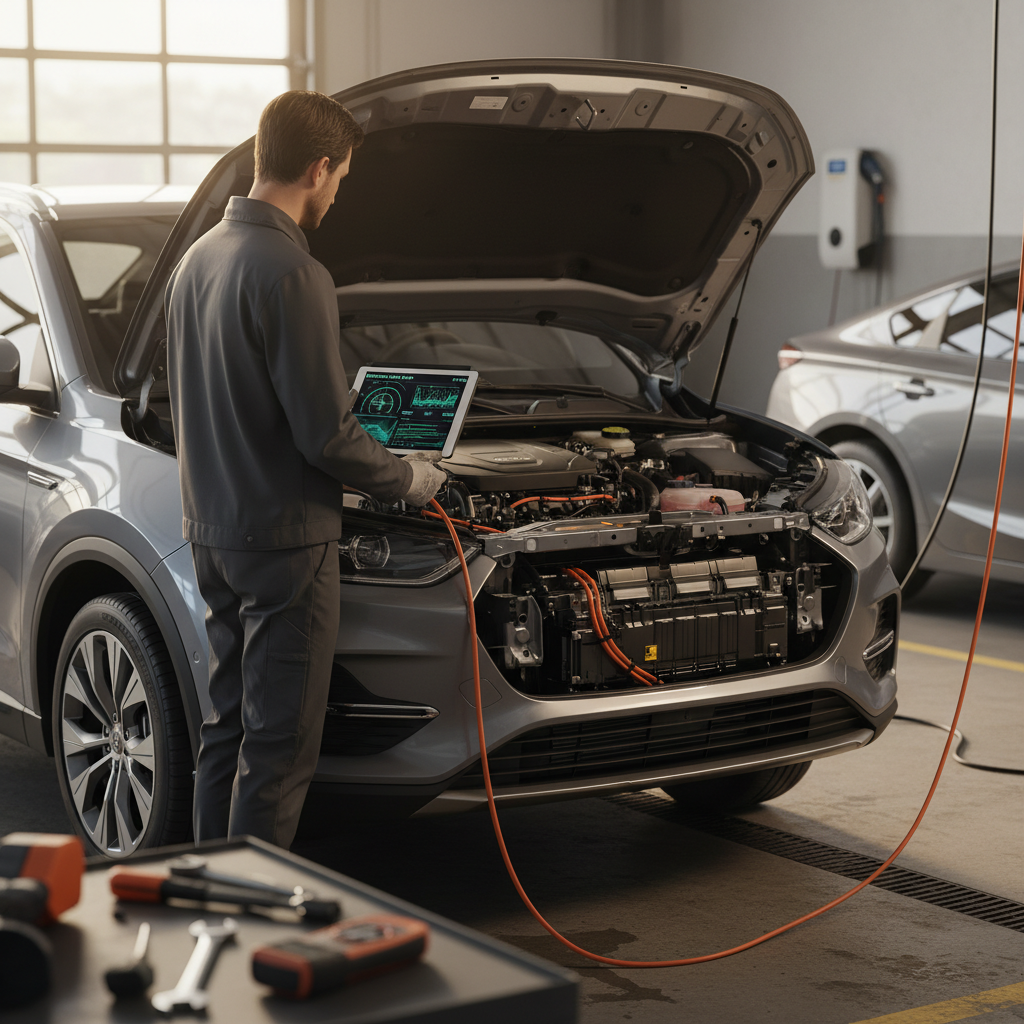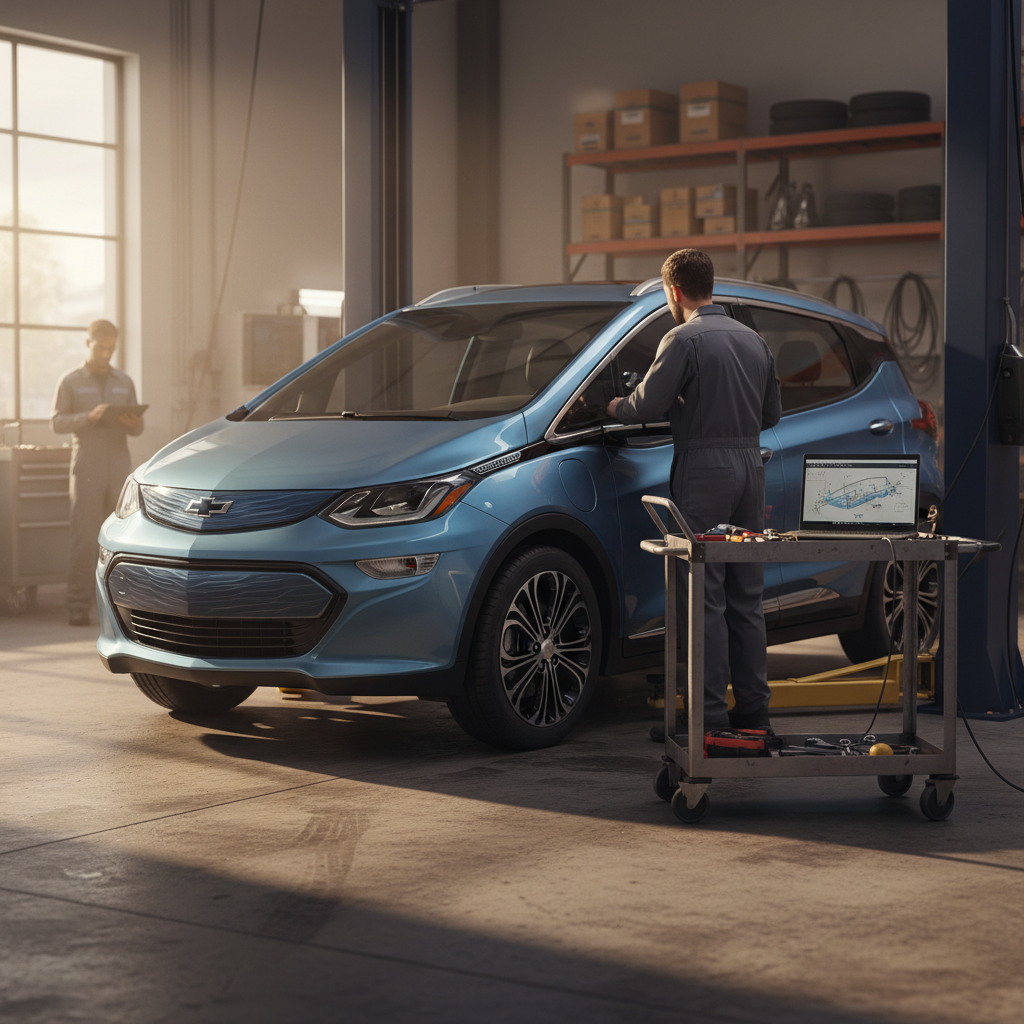
If your Nissan Leaf’s battery has degraded, you’re feeling it every morning: fewer bars, shorter range, more planning, less freedom. Owners naturally go searching for a magic “Nissan Leaf battery degradation fix”, some secret reset or additive that brings the miles back. The reality is more complicated, but there *are* smart ways to claw back usable range, upgrade the pack, or decide when it’s time to move on to a different EV.
Degradation vs. Damage
Why Your Nissan Leaf Loses Range Over Time
The Leaf’s traction battery is a big lithium‑ion pack that slowly loses capacity with age, heat, and use. Early Leafs (2011–2015 24 kWh packs) were especially vulnerable in hot climates because they relied on passive air cooling. Later packs (30, 40, 62 kWh) use improved chemistry and, in some trims, better thermal management, so they usually hold up better, but none are immune.
- Calendar age: Even low‑miles Leafs lose capacity just sitting, especially in heat.
- High temperatures: Parking outside in hot climates and fast‑charging when the pack is already warm accelerates degradation.
- Frequent 100% charges: Living at the top of the pack’s state‑of‑charge window is harder on the cells.
- Deep discharges: Regularly running it down to “, , ” or turtle mode adds stress.
- Fast‑charging abuse: Heavy use of DC quick charging (CHAdeMO) heats the pack and speeds wear.
Hot‑Climate Leafs Suffer Most
Can Nissan Leaf Battery Degradation Actually Be “Fixed”?
You can’t un‑age lithium‑ion cells. Once the chemistry has worn, that capacity is gone. What people call a Leaf battery degradation fix usually falls into four buckets:
Four Kinds of Nissan Leaf Battery “Fixes”
From free tweaks to full multi‑thousand‑dollar surgery
1. Behavior & Settings
Change how you charge and drive so you squeeze more usable miles out of what’s left. This is low‑cost, and every owner should start here.
2. Software / BMS Calibration
Update or reset the Battery Management System so the dash estimates match reality. This can fix displayed range, not true chemistry loss.
3. Hardware Repairs
Address specific faults: bad modules, corroded connections, faulty contactors. Rare compared to normal wear, but sometimes worth chasing.
4. Pack Replacement / Upgrade
Swap in a healthier or larger‑capacity pack, anything from a used 24 kWh to a brand‑new 62 kWh or 50 kWh aftermarket pack.
Start With the Cheap Stuff
Quick Diagnostics: How Bad Is Your Leaf’s Battery?
You can’t choose the right “fix” until you know what you’re working with. A 2013 Leaf that’s down one bar in a cool climate is a totally different story from a 2016 30 kWh Leaf that’s dropped four bars in Phoenix.
5 Steps to Understand Your Leaf’s Battery Health
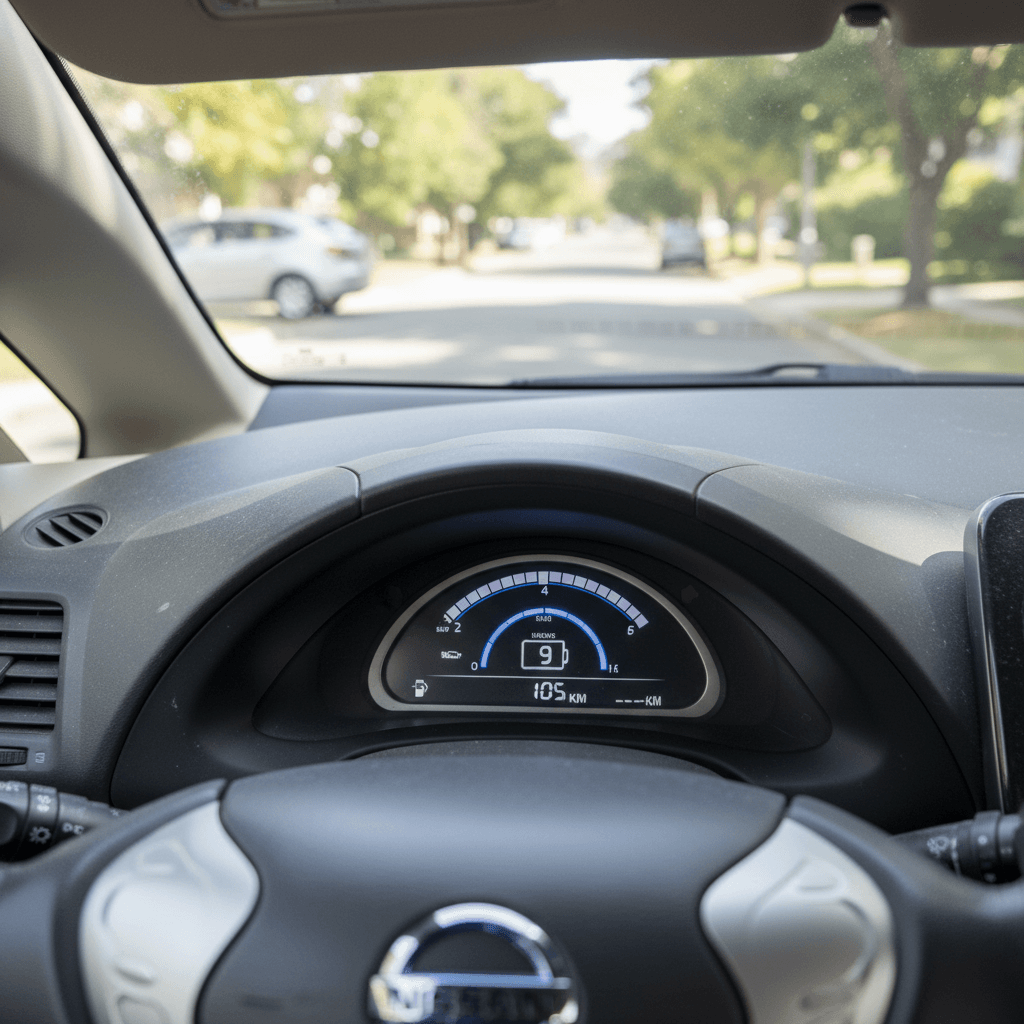
1. Read the capacity bars
On the right side of the cluster, count the thin battery capacity bars. Losing 1–2 bars is normal on an older car; at 8 bars or fewer, range becomes limiting for many drivers.
2. Note real‑world range
On a mild‑weather day (no AC or heat blasting), drive from ~80% down to 20% and log the miles. That’s your realistic daily range window, not the optimistic guess‑o‑meter.
3. Use a proper scan tool
Apps like Leaf Spy (with an OBD2 dongle) can show <strong>State of Health (SOH)</strong>, individual cell voltages, and pack temperature, much more telling than the dash alone.
4. Look for pack imbalance
If one or two cells are way out of line on Leaf Spy, you may have a localized fault, not uniform wear. That can hint at a repair instead of a full replacement.
5. Get a professional diagnostic
A shop that knows EVs can run full tests, check for fault codes, and advise whether you’re a good candidate for BMS calibration, module repair, or a new pack.
Cheap or Free “Fixes”: Habits, Settings, and Simple Tweaks
If your Leaf still has most of its bars but feels like it’s shrinking on you, simple changes can reclaim a surprising amount of usable range, especially in cold weather.
- Charge to 80–90% for daily use: Avoid sitting at 100% overnight. On most Leafs that means unplugging earlier or using charge timers.
- Avoid deep discharges: Try to keep the pack between about 20–80% for daily driving. Don’t make a habit of turtle‑mode arrivals.
- Park in the shade or indoors: Anything you do to keep battery temps down, garage parking, shade, covered lots, pays back slowly but surely.
- Drive a little slower: Aerodynamic drag climbs quickly above 65 mph. Backing off 5–10 mph on the freeway can net 10–20% more range.
- Use Eco mode & gentle acceleration: You don’t have to hypermile, but smoother driving and more regen recapture energy you’d otherwise waste as heat.
- Be strategic with HVAC: Pre‑condition the cabin while plugged in, use seat and steering‑wheel heaters more than blasting the cabin heater.
Range “Fix” That Costs $0
Software-Side Fixes: BMS Resets, Updates, and Myths
Because the Leaf’s cluster and range estimate run through the Battery Management System (BMS), a whole cottage industry has sprung up around BMS resets and reprogramming. It’s important to separate what’s real from what’s wishful thinking.
What Software Can, and Can’t, Fix
Before you pay for a “miracle reset”
Calibration Issues
Sometimes the displayed capacity bars or range don’t match reality, especially after a pack swap. Proper BMS programming can make the dash honest again.
Software Updates
Dealer updates and reputable third‑party BMS reprogramming can fix bugs, improve estimates, and properly recognize larger replacement packs (40/50/62 kWh).
What It Can’t Do
No software update can restore lost chemistry. If your pack is truly at 70% SOH, a BMS reset won’t magically give you the missing 30% back.
Beware “Miracle Reset” Claims
The one place BMS work really shines is after a battery upgrade. When you install, say, a 40 kWh or 62 kWh pack into an older Leaf, the BMS must be told about the new capacity so your range estimate, charge bars, and turtle mode all behave correctly.
Hardware Fixes: Repair, Module Swaps, and Full Replacement
Sometimes what looks like degradation is really a hardware fault, a weak module, corroded connector, or a contactor problem. In those limited cases, a targeted repair can help. But most of the time the pack has simply aged out, and the only meaningful hardware “fix” is a healthier battery.
When a Repair Might Make Sense
- One or two bad modules: Leaf Spy shows a couple of cells much lower than the rest.
- Clear fault codes: The car logs specific battery or contactor errors.
- Sudden large range drop: A sharper loss than normal aging suggests a component failure.
Specialist shops can sometimes replace individual modules or address wiring and contactor faults. It’s still high‑voltage work and not DIY‑friendly.
When Only a New Pack Is Realistic
- Uniformly low SOH: All cells are evenly tired; the whole pack is just old.
- Multiple bars lost over years: Classic gradual degradation pattern.
- Your range needs exceed the car: No amount of tinkering will turn a worn 24 kWh pack into a road‑trip car.
At that point, the only real “fix” is a replacement or upgraded battery pack, or changing vehicles.
Leaf Battery Replacement & Upgrade Options in 2026
Battery prices have been drifting downward with cheaper lithium and more aftermarket options, but a Leaf pack is still the single most expensive component in the car. Real‑world U.S. numbers in 2025–2026 look roughly like this (parts plus labor, ballpark, not quotes):
Typical Nissan Leaf Battery Replacement Costs (2026, US Market)
Approximate installed pricing ranges; exact numbers vary by shop, region, and warranty.
| Pack / Model Years | Type of Pack | Approx. Installed Cost | Typical Real‑World Range* |
|---|---|---|---|
| 24 kWh (2011–2015) | Used or remanufactured | $4,000–$7,000 | 60–80 miles |
| 30 kWh (2016–2017) | Remanufactured / upgraded | $6,000–$9,000 | 80–110 miles |
| 40 kWh (2018–2022, upgrades for older cars) | New OEM‑equivalent or aftermarket | $10,000–$14,000 | 130–160 miles |
| 50 kWh (aftermarket upgrade) | New third‑party pack | $11,000–$15,000 | 170–190 miles |
| 62 kWh / 60+ kWh (Leaf Plus, high‑capacity upgrades) | New OEM‑equivalent or aftermarket | $12,000–$18,000 | 200–230+ miles |
These ranges assume professional high‑voltage work. DIY projects can be cheaper but carry serious safety and reliability risks.
Why the Ranges Have Asterisks
How a Leaf Battery Swap Stacks Up
Don’t Spend $14k on a $6k Car Lightly
Costs & Math: When to Fix the Leaf vs Change Cars
Here’s the uncomfortable truth: the right answer is not always “fix the battery.” Sometimes the math, and your sanity, say it’s time to move on. The trick is to compare cost per year of range you actually need.
Should You Replace the Battery or Replace the Car?
1. Define your real range requirement
How many miles do you truly need on your worst normal day, winter, highway, kids, errands? If it’s 60–70 miles, a modest pack is fine. If it’s 150+, you’re in different territory.
2. Price a realistic pack option
Get actual quotes (not forum rumors) for the pack size you’d need, 24 vs 40 vs 62 kWh. Include labor, taxes, and any shipping or core charges.
3. Check the car’s overall condition
Is the rest of the Leaf rock‑solid, no rust, no crash history, interior good, electronics healthy? Or are you also staring down tires, brakes, suspension, or cosmetic repairs?
4. Compare to the used EV market
See what a healthier used Leaf or another EV costs. Through platforms like <strong>Recharged</strong), you can compare vehicles by verified battery health and total cost.
5. Run a simple payback
Divide the total battery job cost by the extra years you expect to keep the car. If you’re spending $12,000 to drive it three more years, a different EV might be the better long‑term play.
6. Consider your risk tolerance
A big aftermarket pack can be fantastic, but it’s still a modified car. If you hate uncertainty, a newer, factory‑original EV with a strong warranty may sleep better at night.
Think in Years, Not in Upfront Dollars
How to Slow Future Battery Degradation
Whether you keep your current Leaf, upgrade the pack, or buy a different used EV, slowing further degradation is the one place you absolutely can win. The habits are boring, but they work.
- Stay out of the red zone: Avoid frequent deep discharges below ~10% if you can help it.
- Limit time at 100%: Charge to full right before you leave on longer trips; don’t leave it full for days.
- Be choosy with fast charging: Use CHAdeMO when you need it, not as a daily habit. In summer, give the pack time to cool between sessions.
- Control temperature where possible: Garage parking, shade, pre‑conditioning, and not charging immediately after a hot highway run all help.
- Use Level 2 as your default: A good 240 V home charger is gentler on the pack and more convenient than living at the quick‑charger.
Home Charging Is Battery‑Friendly
How Recharged Helps With Battery Health and Upgrades
If you’re reading this, you’re probably standing at a crossroads: pour money into your current Leaf, or step into a different EV with better range baked in. This is exactly where Recharged is designed to help.
What Recharged Brings to the Table
For current Leaf owners and future EV shoppers
Verified Battery Health
Every EV on Recharged comes with a Recharged Score Report that includes a verified battery health assessment, so you aren’t guessing about degradation.
Fair Market Pricing
We price used EVs, including Leafs, against real‑world battery condition, not just odometer and paint. That protects you from overpaying for a worn pack.
Flexible Ways to Move On
Trade in your current Leaf, get an instant offer, or use consignment. We can help you swap into a newer Leaf or a different EV with the range you actually need.
If you’re attached to your Leaf and leaning toward a battery upgrade, a detailed health report and fair valuation also help you decide whether a $10,000–$14,000 pack really pencils out, or whether it’s smarter to let someone else enjoy your car as‑is and step into something fresher.
Nissan Leaf Battery Degradation Fix: FAQ
Frequently Asked Questions
Bottom Line on Fixing Nissan Leaf Battery Degradation
You can’t talk a worn Nissan Leaf pack back to full health, and anyone selling you a software‑only miracle is selling you a story. But you’re far from powerless. You can tune your charging and driving habits, correct BMS quirks, and, if the numbers make sense, drop in a healthier or larger pack that transforms how the car feels.
The most important piece is clarity: knowing exactly how much capacity you have, what it will cost to improve it, and what your other EV options look like. That’s the gap the Recharged Score, fair pricing, and expert EV guidance are built to fill. Whether you ultimately fix your Leaf, upgrade its battery, or trade into a different EV with more range, the right information turns a frustrating problem into a survivable decision.