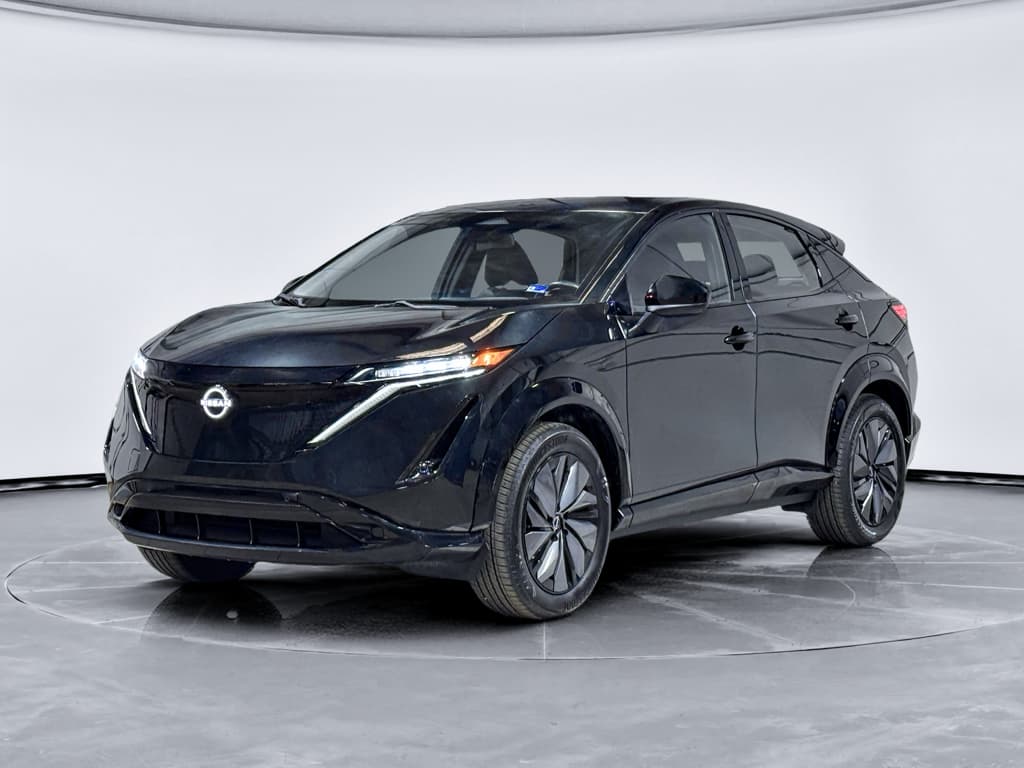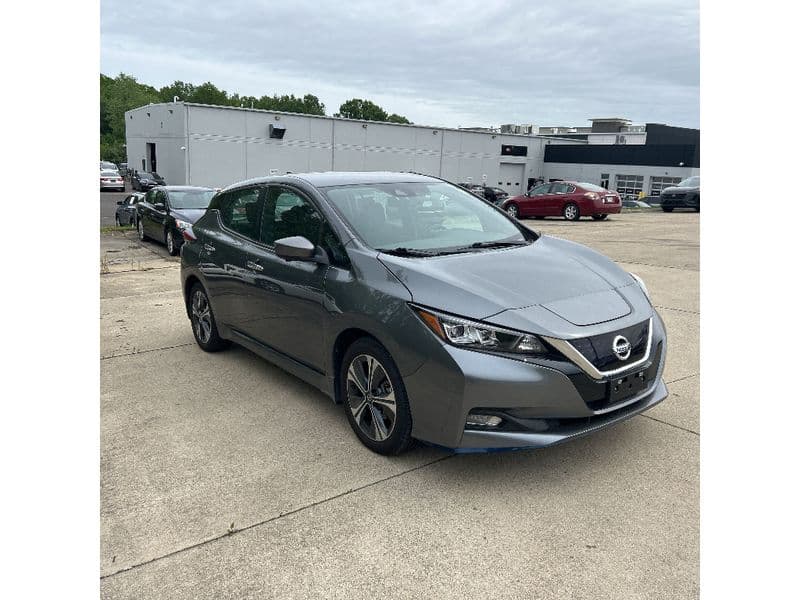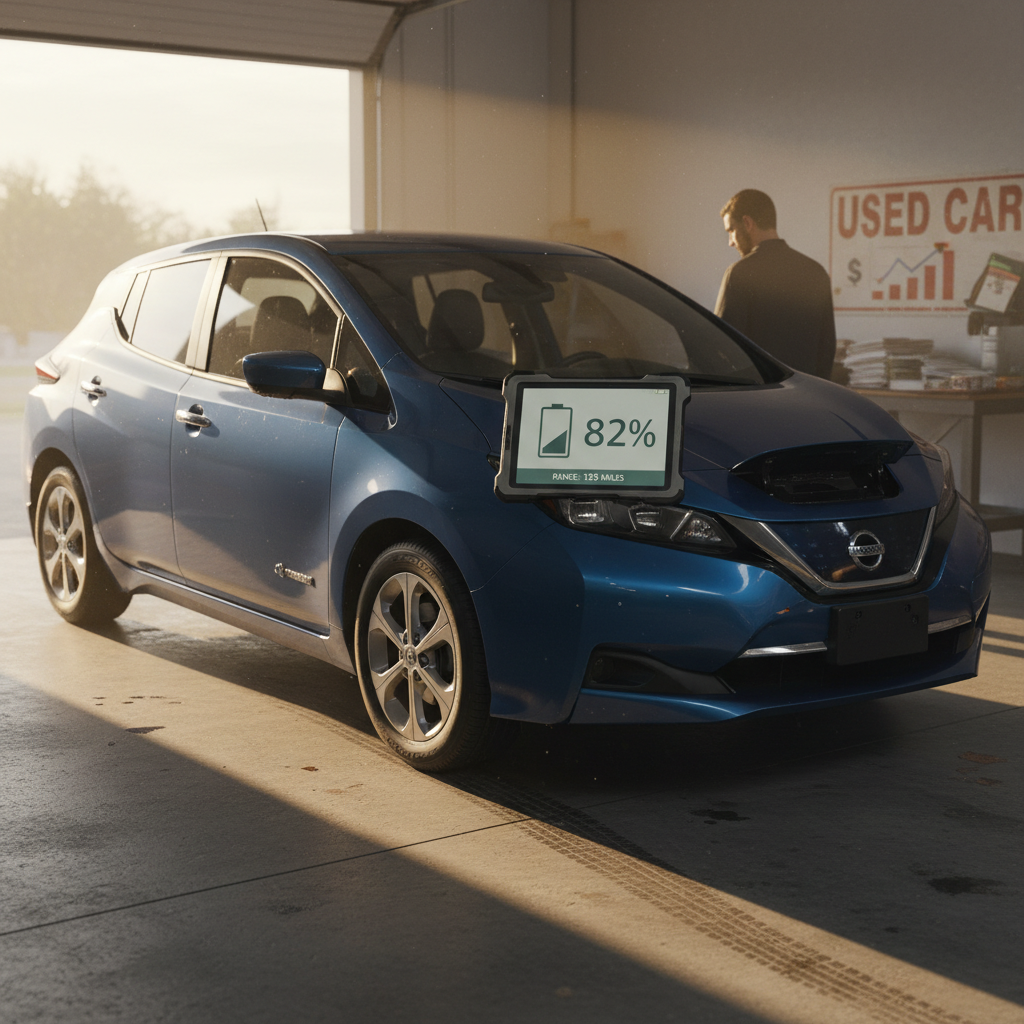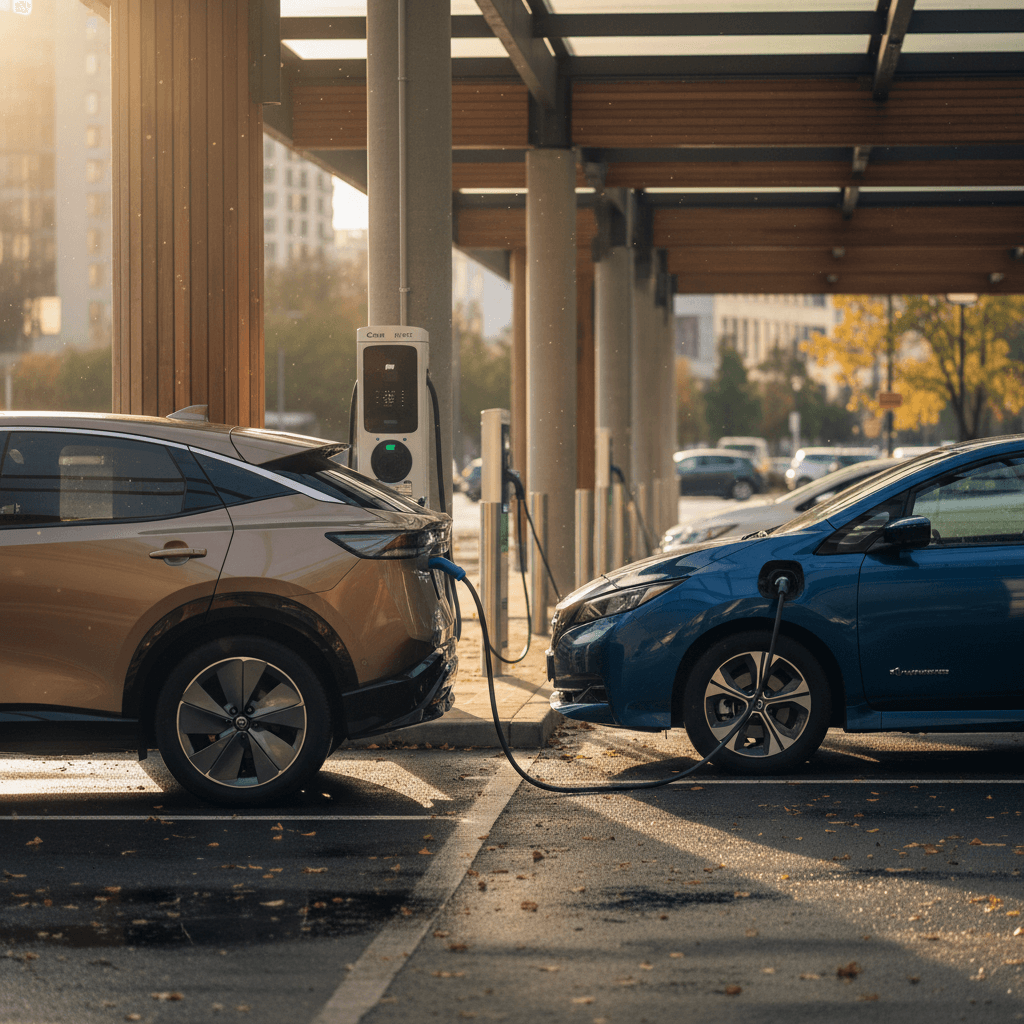
Shopping for a Nissan electric vehicle charger can feel like buying your first smartphone all over again: lots of jargon, lots of models, and everyone has an opinion. Whether you drive a Leaf, Ariya, or you’re eyeing a used Nissan EV on Recharged, the right charger will decide how easy your EV life feels day to day.
Quick answer
How Nissan EV charging works in 2025
Before you choose a Nissan electric vehicle charger, it helps to separate three ideas that often get tangled together: where you charge, how fast you can charge, and what connector your car uses. Get those three straight, and the rest is just picking the right hardware and installation.
- Where: Home, work, public Level 2, or DC fast charging stations
- How fast: Level 1 (slow), Level 2 (daily sweet spot), DC fast (road trips/emergencies)
- Connector: J1772 for AC charging on all Nissan EVs in the U.S.; CHAdeMO or CCS for DC fast charging depending on model/year
Tip for new EV owners
Charger levels for Nissan electric vehicles
When people say “Nissan EV charger,” they might mean the cable that comes with the car, an upgraded home unit, or the big DC stations off the highway. Here’s how the charging levels actually break down for Nissan Leaf and Ariya drivers in North America.
Charging levels for Nissan Leaf & Ariya
Approximate charging speeds from empty to 80–100% under typical conditions. Your results will vary based on battery size, temperature, and driving habits.
| Level | Typical power | Where you use it | Real-world use for Nissan EVs |
|---|---|---|---|
| Level 1 (120V) | 1–1.4 kW | Standard household outlet | Emergency or very light use; 3–5 miles of range per hour |
| Level 2 (240V) | 3.3–11 kW | Home, workplace, public chargers | Daily charging; 15–35 miles of range per hour for most Leafs & Ariyas |
| DC fast charging | 50–150 kW+ | Highway & select urban sites | Fast top‑ups on trips; 20–80% in roughly 30–45 minutes on compatible models |
Most Nissan drivers rely on Level 2 at home and treat DC fast charging as an occasional tool, not a daily habit.
Don’t abuse fast charging
Home charging options for your Nissan EV
Home is where your Nissan electric vehicle charger earns its keep. The good news is that Nissan doesn’t lock you into a proprietary system: any properly installed J1772 Level 2 charger will work with a Leaf or Ariya in the U.S. The question is how fast you need to refill your daily miles and what wiring your home can handle.
Three common home charging setups for Nissan owners
Match the charger to your driving, not the other way around.
120V wall outlet (Level 1)
Best for: Short commutes, street parking near an outlet, or temporary setups.
- Uses the portable 120V cord that often comes with the car.
- Adds only a few miles of range per hour.
- Can work if you drive under ~25 miles a day and plug in every night.
Think of this as a trickle charger, not a long-term solution.
Dedicated 240V Level 2 circuit
Best for: Most homeowners and many renters with access to a garage or driveway.
- Requires a 240V circuit (similar to an electric dryer).
- 32–40 amp chargers add ~20–30 miles of range per hour on many Nissan EVs.
- Can fully recharge overnight, even from a low state of charge.
This is the “set it and forget it” option for most drivers.
NEMA plug-in Level 2 charger
Best for: Renters or drivers who want flexibility.
- Plugs into a 240V outlet like NEMA 14‑50 or 6‑50.
- Can be taken with you if you move.
- Still needs a properly installed outlet by a licensed electrician.
Great balance of speed, flexibility, and cost.
Safety first
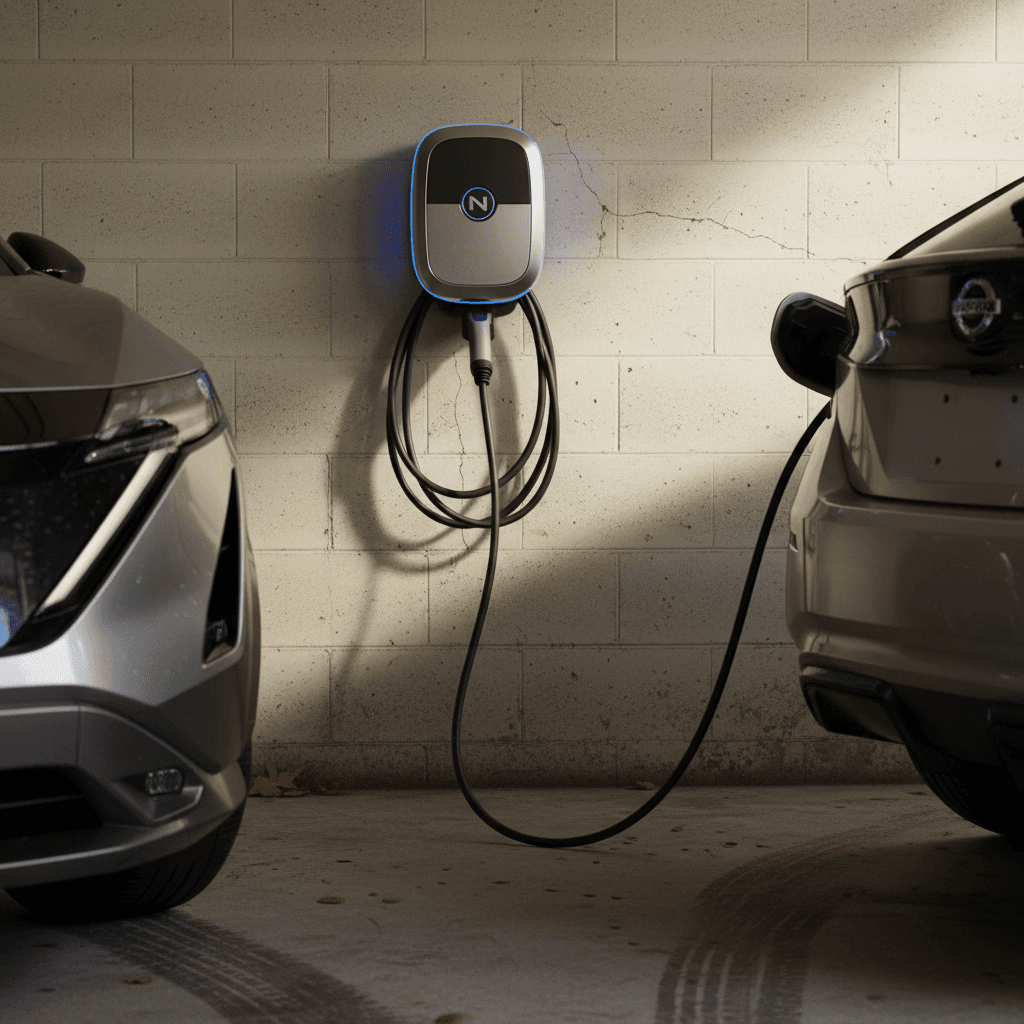
Public and DC fast charging for Nissan drivers
Once you’ve solved home charging, public and DC fast charging become tools you use on your schedule, not emergencies you scramble for. Nissan drivers have slightly different connector stories depending on model year, so it pays to know what’s on your car before you map a road trip.
Leaf: J1772 + CHAdeMO
- AC charging: J1772 port for Level 1 & Level 2 at home and public stations.
- DC fast charging: CHAdeMO port on most U.S. Leafs equipped with quick‑charge option.
- CHAdeMO fast chargers are less common than CCS, but still available in many metro areas and along older corridors.
Before a long trip, use your favorite charging app’s filter to confirm CHAdeMO stations along your route.
Ariya: J1772 + CCS
- AC charging: Same J1772 Level 1 & 2 port as Leaf in North America.
- DC fast charging: Combined Charging System (CCS1) port for modern DC fast networks.
- CCS access opens up a wider selection of 50–350 kW fast chargers on major routes.
This makes Ariya better suited to cross‑country travel than an older CHAdeMO‑only Leaf.
Planning road trips in a Nissan EV
Which Nissan electric vehicle charger should you buy?
For most Nissan drivers, the big decision isn’t public charging, it’s what lives on your garage wall. The right home charger depends on how much you drive, your panel capacity, and whether you rent or own. Here’s how that typically shakes out.
Best Nissan EV charger by driver type
Use your daily miles and living situation as your North Star.
Urban commuter
Profile: 20–40 miles per day, mix of city and highway, overnight parking at home.
- Recommended: 32 amp Level 2 charger on a dedicated 240V circuit.
- Benefits: Full recharge overnight; low impact on electrical panel.
- Nice-to-have: Wi‑Fi scheduling to use off‑peak electricity rates.
High‑mileage driver
Profile: 50–100+ miles per day, frequent highway use.
- Recommended: 40–48 amp Level 2 charger, assuming your panel and car support it.
- Benefits: Faster recovery when you come home with a low battery.
- Note: Check your Nissan’s max onboard charger rating; there’s no point in oversizing beyond what the car can accept.
Renter or condo owner
Profile: Limited control over wiring, shared parking, or frequent moves.
- Recommended: Plug‑in 32 amp Level 2 charger with NEMA 14‑50 or 6‑50 plug.
- Benefits: Portable, easier to remove when you move.
- Fallback: Level 1 charging + workplace/public Level 2 where possible.
Where Recharged fits in
Ready to find your next EV?
Browse VehiclesCosts, speeds, and plug types at a glance
It’s easy to get lost in spec sheets. This table pulls together the pieces Nissan owners actually care about: how fast will it charge, what plug does it use, and what you’ll roughly spend to get set up at home.
Nissan EV charger options compared
Approximate U.S. pricing and real‑world usage notes for Nissan Leaf and Ariya owners.
| Option | Connector on charger | Charger power | Approx. hardware cost | Typical use |
|---|---|---|---|---|
| Portable Level 1 cord | J1772 to car | 1–1.4 kW | Usually included with vehicle or ~$200 | Emergency or very light daily driving |
| Wall‑mounted Level 2 | J1772 to car | 32–48 amps (7.7–11 kW) | ~$400–$800 for a quality unit | Primary home charging for most Nissan EVs |
| Plug‑in Level 2 (NEMA 14‑50/6‑50) | J1772 to car | 24–40 amps (5.7–9.6 kW) | ~$350–$700 | Flexible home solution for renters/condos |
| Public Level 2 | J1772 to car | Up to 19.2 kW (limited by car) | Pay per kWh, per hour, or session | Workplace or top‑ups while shopping |
| DC fast charging (Leaf) | CHAdeMO to car | Up to ~50 kW on most Leafs | Priced per kWh/minute | Road trips and occasional quick boosts |
| DC fast charging (Ariya) | CCS1 to car | Up to much higher kW, depending on trim and station | Priced per kWh/minute | Faster long‑distance travel and quick top‑ups |
Installation costs vary widely based on your home’s electrical panel and distance from the service panel to the charger location.
Charger vs. car limits
Charging a used Nissan Leaf or Ariya
Used Nissan EVs are some of the most budget‑friendly electric cars on the road, but they come with history. How they’ve been charged and cared for matters just as much as the odometer. That’s where a bit of detective work, and good data, comes in.
Charging questions to ask about a used Nissan EV
The answers tell you how the battery has lived so far.
How was it mostly charged?
- Look for a history of mostly Level 2 home or workplace charging.
- Occasional DC fast charging is normal; daily fast‑charging for years is a yellow flag.
- Ask if the previous owner used any third‑party fast‑charging networks regularly.
Where has it lived?
- Hot climates and constant high‑state‑of‑charge parking can age batteries faster.
- Garage‑kept vehicles that avoided baking in summer sun tend to fare better.
- Cold climates cut winter range but don’t necessarily destroy batteries if managed well.
What does the battery data show?
- For Leafs, state‑of‑health and lost capacity bars tell part of the story.
- Professional diagnostics (like the Recharged Score) give a clearer picture than a gut feeling on a test drive.
- Compare reported range to the original EPA rating to set realistic expectations.
Is the charging gear included and safe?
- Confirm which portable cables or wall units are included with the sale.
- Inspect cords for damage, overheated plugs, or taped repairs.
- If anything looks suspect, budget for a new, safety‑certified Level 2 charger.
How Recharged helps used Nissan shoppers
Nissan EV charger buying checklist
Before you buy a Nissan electric vehicle charger
1. Confirm your connector and year
Check whether your Nissan uses CHAdeMO (most Leafs) or CCS (Ariya) for DC fast charging. All U.S. models use J1772 for Level 1 and Level 2 AC charging, which sets your home charger compatibility.
2. Check your electrical panel
Look at available breaker spaces and total service (often 100A, 150A, or 200A). An electrician can tell you whether a 32, 40, or 48 amp charger is realistic without an expensive panel upgrade.
3. Estimate your daily miles
If you regularly drive under 40 miles per day and can charge nightly, a 32 amp Level 2 charger is usually plenty. Higher‑mileage drivers may benefit from a faster charger if the car supports it.
4. Decide between hard‑wired and plug‑in
Hard‑wired units are tidy and permanent; plug‑in units are easier to relocate and can be unplugged if you move. Both can work well when installed on a properly sized 240V circuit.
5. Look for smart features you’ll actually use
Wi‑Fi apps, scheduling, and energy monitoring can be helpful, especially if your utility offers time‑of‑use rates. Don’t pay extra for features you’ll never open after day three.
6. Plan for future vehicles
If you might upgrade to a newer Ariya or a different EV later, consider a charger that can deliver enough power for future needs, as long as your electrical panel can handle it safely.
Nissan electric vehicle charger FAQ
Frequently asked questions about Nissan EV chargers
Key takeaways for Nissan EV owners
Living with a Nissan EV gets a lot simpler once you pair the car with the right charging setup. For most Leaf and Ariya drivers, that means a dependable Level 2 J1772 home charger on a properly sized 240V circuit, with DC fast charging reserved for trips and occasional top‑ups. From there, it’s all about choosing hardware that fits your home, your driving, and your future plans.
If you’re exploring a used Nissan Leaf or Ariya, or you’re just not sure what charger makes sense for your life, Recharged can help. Every EV we sell comes with a Recharged Score battery health report, transparent pricing, and EV‑savvy humans who’ll walk you through home charging, road‑trip planning, and everything in between, so the only surprise is how quickly an electric Nissan starts to feel like the easiest car you’ve ever owned.