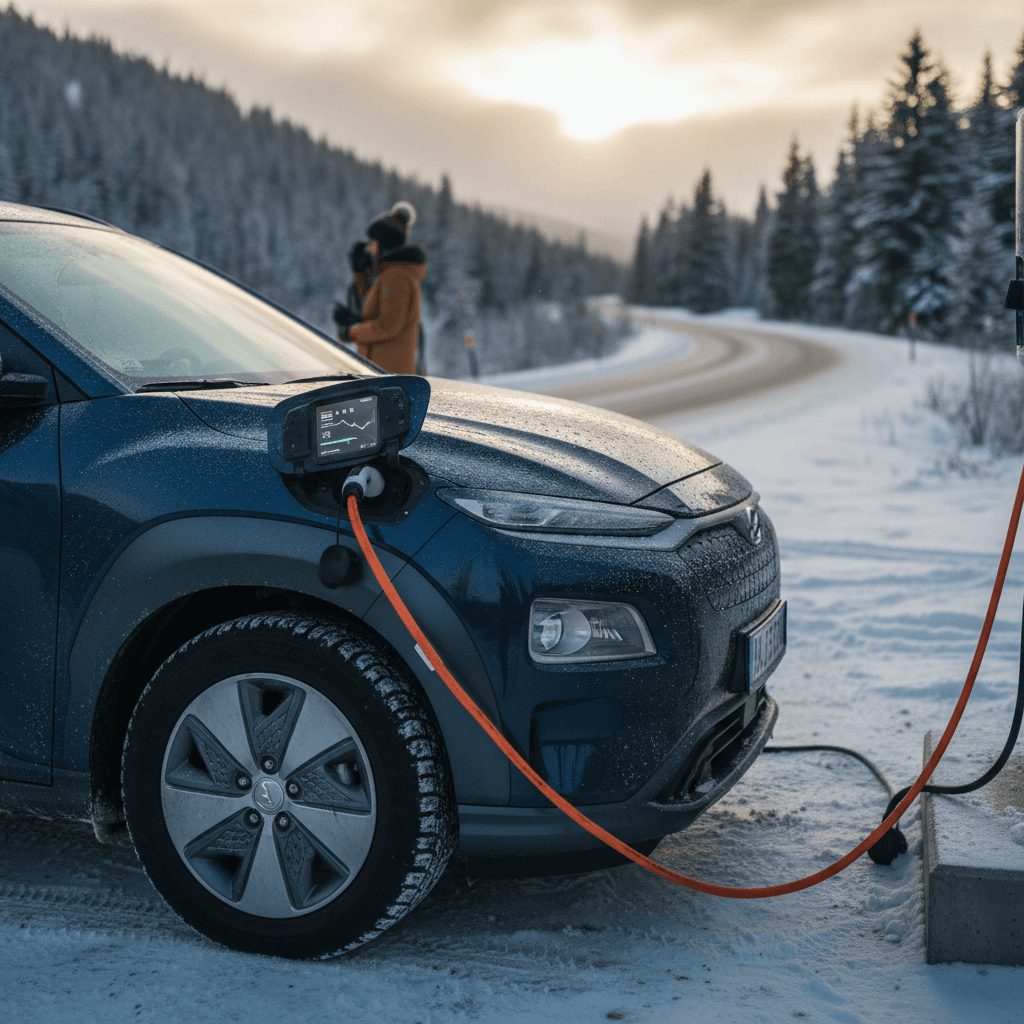
If you own, or are considering, a Nissan Ariya and live where temperatures routinely dip below freezing, you’ve probably wondered how much winter range loss you’ll see. Cold weather affects every EV, and the Ariya is no exception. The upside: once you understand what’s happening and adjust a few habits, winter doesn’t have to derail your commute or weekend trips.
EVs and Winter: It’s Not Just Nissan
Why the Nissan Ariya Loses Range in Winter
To make sense of Nissan Ariya winter range loss, it helps to know what cold weather does to a lithium‑ion battery. At low temperatures, the chemical reactions inside the cells slow down, internal resistance rises, and you get less usable energy from the same pack. On top of that, your Ariya has to warm the cabin, battery, and sometimes the drivetrain, all of which pull power that would otherwise go to the wheels.
- Battery chemistry slows down: At freezing temperatures and below, lithium‑ion cells deliver less power and accept charge more slowly.
- Cabin heating is energy‑hungry: Unlike a gas engine, an EV doesn’t have waste heat to warm you, so it uses a heat pump and/or resistive heater that draw directly from the battery.
- Tire and road conditions worsen: Winter tires, snow, slush, and wet pavement all increase rolling resistance.
- Thicker fluids in the drivetrain: Even in an EV, colder lubricants can add a bit of drag, especially until things warm up.
Cold Soaks Hurt Most
How Much Winter Range Loss to Expect
Real‑world tests and owner data show that the Nissan Ariya can lose 20–35% of its rated range in typical winter conditions, and more in deep cold with a lot of short trips. How that looks depends on your battery size, drivetrain, and driving style.
Estimated Nissan Ariya Winter Range vs. EPA Rating
Approximate real‑world winter range for common Ariya trims at highway speeds in cold weather (around 14°F/‑10°C with heat on). These are directional estimates, not guarantees.
| Ariya trim (EPA rated) | EPA rated range (mi) | Mild winter (~32°F) est. range | Cold winter (~14°F) est. range | Deep cold (~0°F) short trips |
|---|---|---|---|---|
| Engage FWD 63 kWh | ~216 | 170–180 | 145–160 | 120–135 |
| Engage e‑4ORCE 63 kWh | ~205 | 160–170 | 135–150 | 115–130 |
| Venture+ FWD 87 kWh | ~289 | 230–245 | 190–210 | 165–185 |
| Empower+/Evolve+ FWD 87 kWh | ~289 | 225–240 | 185–205 | 160–180 |
| Platinum+ e‑4ORCE 87 kWh | ~265 | 210–225 | 175–195 | 155–175 |
Use this as a planning tool, not an exact promise, local conditions and driving style have a big impact.
Think in Percentages, Not Just Miles
Quick Winter Impact Snapshot for Nissan Ariya Owners
City vs. Highway Winter Driving in the Ariya
You’ll notice winter range loss differently in town versus on the freeway. The Ariya’s electric powertrain and regenerative braking help in stop‑and‑go traffic, but heating loads and short trips can still eat into your numbers.
City & Suburban Driving
- Better regen: Frequent slowing lets the Ariya recover energy through regenerative braking.
- Lower speeds: Aerodynamic drag is much lower at 25–45 mph than 70+ mph.
- Short‑trip penalty: Repeatedly warming a cold car for 5–10 minute errands is very inefficient.
- Takeaway: If you batch errands and precondition while plugged in, winter range in town can be surprisingly solid.
Highway & Interstate Driving
- Aero drag dominates: At 65–75 mph, cold, dense air increases drag and energy use.
- Continuous cabin heat: The heater runs constantly, especially if the cabin never fully warms.
- Less regen advantage: You brake less, so there’s less opportunity to recapture energy.
- Takeaway: Expect the biggest winter range hit on long highway runs, plan conservative distances between chargers.
Highway Rule of Thumb
Heat Pump, Battery Pack, and Trim Differences
Not every Nissan Ariya behaves the same way in winter. Battery size, front‑wheel drive vs. e‑4ORCE all‑wheel drive, and whether your trim has a heat pump all change the winter math.
How Ariya Configurations Affect Winter Range
Battery size and HVAC hardware make a noticeable difference in the cold.
63 kWh vs. 87 kWh Packs
The 63 kWh pack has less total energy, so the heater and cold‑weather overhead take a larger percentage of your usable range. The 87 kWh pack absorbs winter losses more gracefully, especially on longer drives.
Heat Pump vs. Resistive Heat
Many mid‑ and upper‑trim Ariyas include a heat pump, which uses less energy to warm the cabin than a pure resistive heater. In cold weather, a heat‑pump Ariya can retain noticeably more range, especially on highway trips.
FWD vs. e‑4ORCE AWD
e‑4ORCE all‑wheel drive adds traction and performance but also weight and a second motor. Expect a bit lower range than FWD, and similar or slightly higher percentage losses in winter.
Good News for Cold‑Climate Buyers
Daily Driving Strategies to Cut Winter Range Loss
You can’t negotiate with physics, but you can stack the deck in your favor. A few tweaks to how you use your Nissan Ariya in winter can easily claw back 10–20% of the range you’d otherwise lose.
Everyday Habits to Improve Ariya Winter Range
Precondition While Plugged In
Use the Ariya’s climate‑control scheduling or remote start features so the cabin and battery are warmed before you unplug. That way, grid power, not the battery, handles the heaviest heating load.
Rely on Seat and Wheel Heaters
Seat and steering‑wheel heaters use far less energy than cranking the cabin temperature. Try lowering the HVAC setpoint a few degrees and letting the seat heaters do more of the comfort work.
Use ECO or Efficient Drive Modes
ECO mode softens acceleration and may temper HVAC output, both of which reduce energy use. For most winter commuting, ECO mode won’t make the car feel slow but can save meaningful range.
Batch Short Trips
Instead of multiple 5–10 minute drives from a cold start, combine errands into one longer drive so you only pay the warm‑up penalty once.
Check Tire Pressure Often
Cold air drops tire pressure, which increases rolling resistance and cuts range. Keep your tires at the recommended pressure (from the driver‑door jamb sticker) for best efficiency and safety.
Clear Snow and Ice Before Driving
Snow on the roof, hood, and wheel wells adds weight and drag. Clearing it off improves aerodynamics and range, and visibility.
Don’t Chase the Guess‑O‑Meter
Charging a Nissan Ariya in the Cold
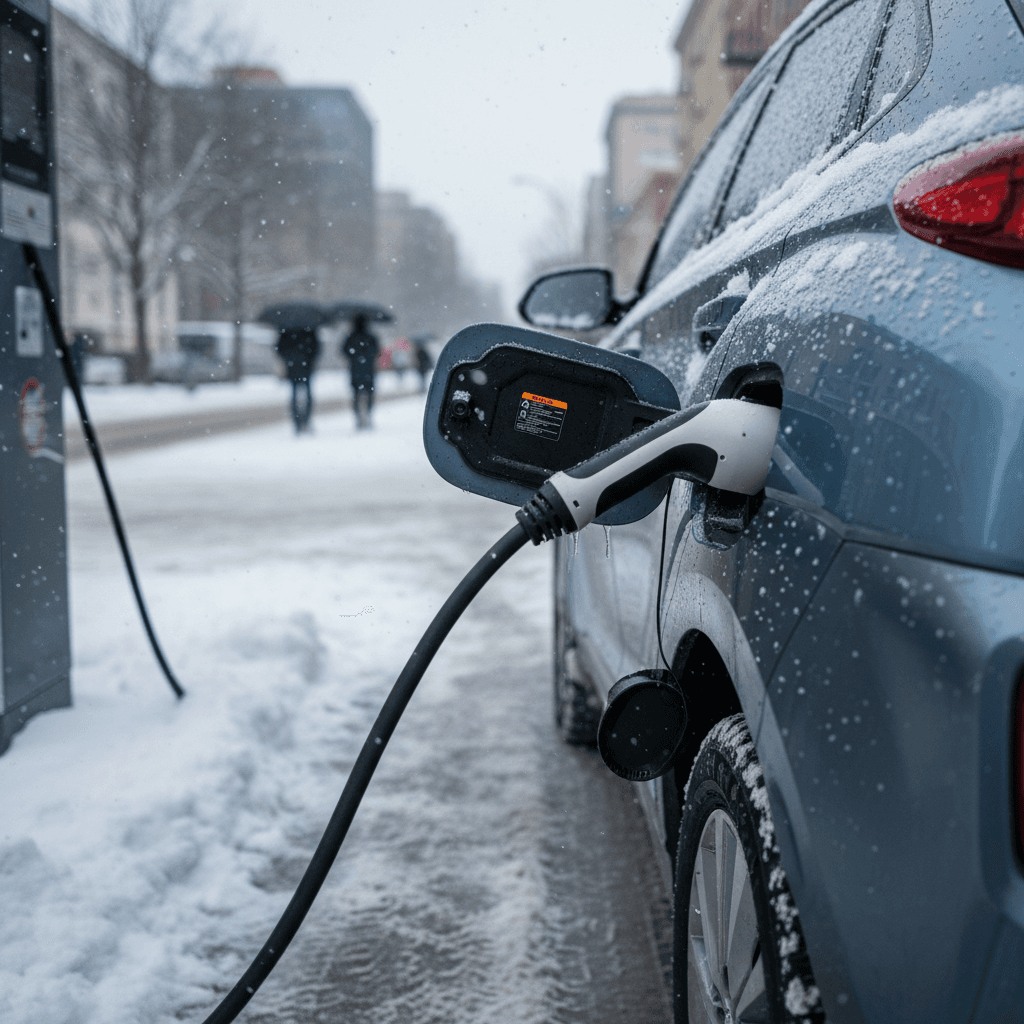
Cold affects charging almost as much as driving. A chilly battery resists fast charging, so your Ariya may pull far less power from a DC fast charger in winter than in summer, especially if you start immediately after a cold soak.
- Expect slower DC fast charging: If the battery is cold, the Ariya’s software limits charge power to protect the pack. A session that takes 25–30 minutes in summer may stretch significantly longer in deep winter.
- Drive before you DC fast charge: If possible, drive 15–30 minutes before a high‑power fast‑charge stop. The battery will warm under load, allowing higher charging speeds.
- Use navigation to the charger (if preconditioning is supported): Many modern EVs, including newer Ariyas, pre‑warm the battery when you set a DC fast charger as your navigation destination, helping you hit the plug at a better temperature.
- Home Level 2 is your winter best friend: Overnight Level 2 charging keeps the battery topped off and often a bit warmer, smoothing out cold‑weather performance day to day.
Avoid DC Fast Charging a Frozen Battery If You Can
Protecting Long-Term Battery Health in Cold Climates
Short‑term winter range loss is mostly about temperature and heating loads. Long‑term battery health is more about how deeply you cycle the pack and how often you fast charge. Cold climates can actually slow calendar degradation, but they also create new stress points if you charge aggressively when the pack is frigid.
Cold-Climate Habits That Help Your Ariya’s Battery Age Gracefully
Balance convenience and long‑term value, especially if you plan to keep, or resell, your Ariya for many years.
Use a Moderate Daily Charge Target
When possible, charge to 70–80% for daily use and save 90–100% for road trips or truly cold snaps where you need maximum buffer. Staying away from 0% and 100% most of the time is kinder to the pack.
Keep It Plugged In During Cold Spells
Leaving the Ariya plugged into a Level 2 charger during extreme cold lets it manage the battery more effectively and reduces deep cold soaks. It also means you start each day with a warm pack and cabin pre‑heated from the grid.
Ease Up Right After a Cold Start
Avoid repeated hard launches and high speeds until you’ve driven a few miles and the battery has warmed up. Gentle early driving is easier on cold cells and can slightly improve efficiency.
Monitor Software Updates and Service Bulletins
Nissan periodically issues software updates that can tweak thermal management, charging behavior, and efficiency. Keeping your Ariya updated ensures you benefit from the latest winter refinements.
Buying a Used Nissan Ariya? Winter Range Checklist
If you’re shopping for a used Nissan Ariya in a cold‑weather market, winter range should be on your inspection list alongside tires and brakes. The right questions now can save you surprises when the first real cold front hits.
Used Nissan Ariya Winter-Readiness Checklist
Confirm Battery Size and Trim
Ask for the exact trim and battery pack (63 kWh vs. 87 kWh) and whether it has a heat pump. Bigger pack + heat pump is ideal for harsh winters.
Review Battery Health Documentation
Look for a <strong>third‑party battery report</strong> or a detailed health summary. On Recharged, every used EV includes a <strong>Recharged Score battery health report</strong> so you can see how much capacity remains before you buy.
Test Drive in Real Conditions
If possible, schedule a drive on a cold day. Note energy use (mi/kWh), heater performance, and how quickly range drops on your normal routes.
Inspect Tires and Wheels
Check if the car has proper winter or all‑weather tires. Old or mismatched tires can hurt both range and safety on snow and ice.
Ask About Charging Habits
Previous owners who mainly used Level 2 home charging and moderate daily charge limits tend to leave the battery in better long‑term shape.
Plan Your Charging Setup
Before signing, make sure you have a home or reliable public charging plan that works in winter. Recharged can help you think through Level 2 options and everyday charging costs.
How Recharged Helps Winter Shoppers
Ready to find your next EV?
Browse VehiclesFAQ: Nissan Ariya Winter Range Loss
Frequently Asked Questions About Nissan Ariya Winter Range
Key Takeaways for Ariya Winter Range
Cold weather will cut your Nissan Ariya’s winter range, but it doesn’t have to be a deal‑breaker. Plan on a 20–35% hit in typical freezing conditions, with more loss in deep cold and lots of short trips. The trims with the larger 87 kWh battery and a heat pump handle winter best, especially in e‑4ORCE form for snowbelt drivers.
If you precondition while plugged in, lean on seat heaters, keep your tires inflated, and give the battery a little time to warm up before long highway runs, the Ariya remains a capable year‑round EV. And if you’re shopping used, a verified battery health report plus realistic winter‑range expectations will help you buy with confidence, something Recharged was built to deliver.