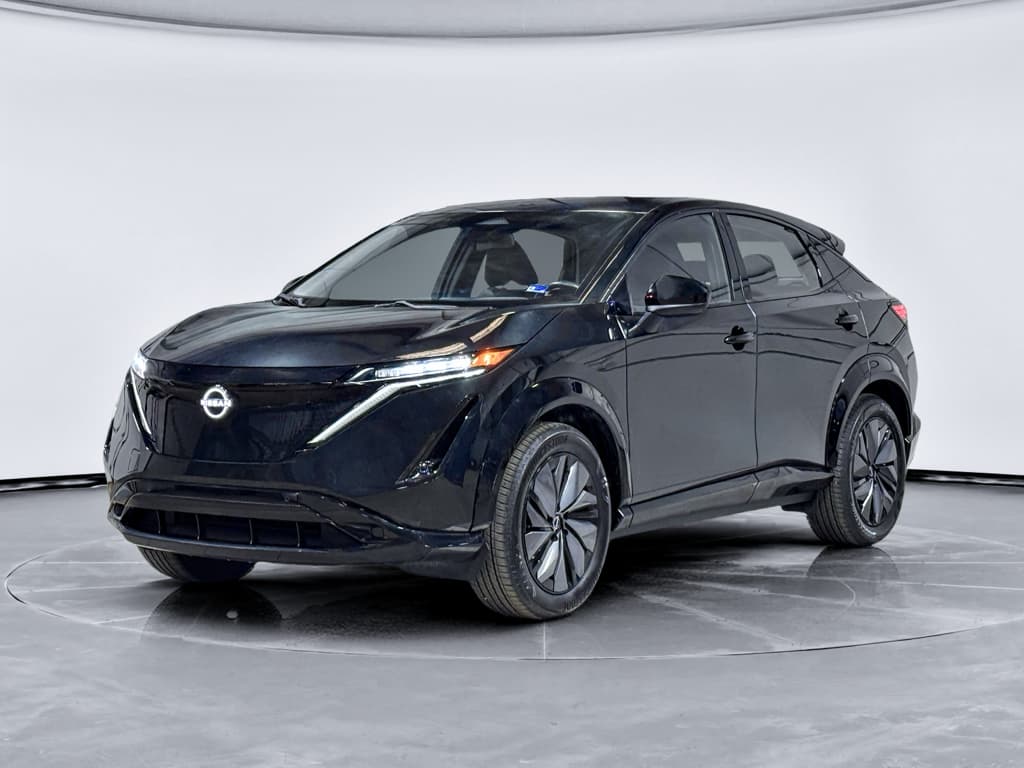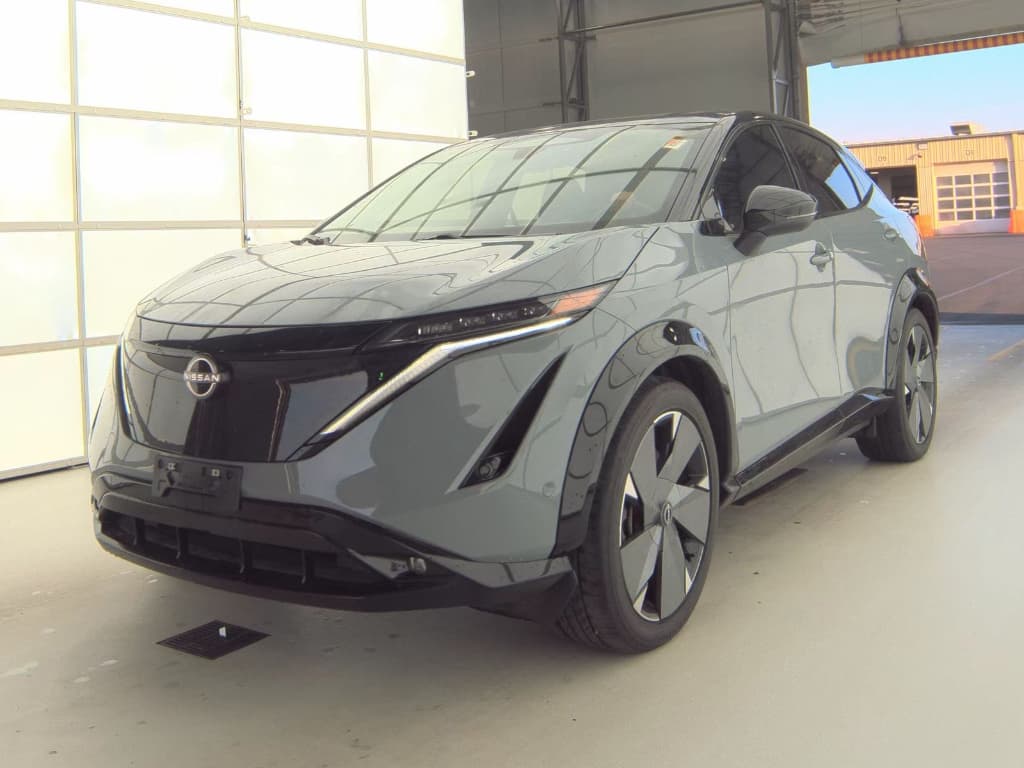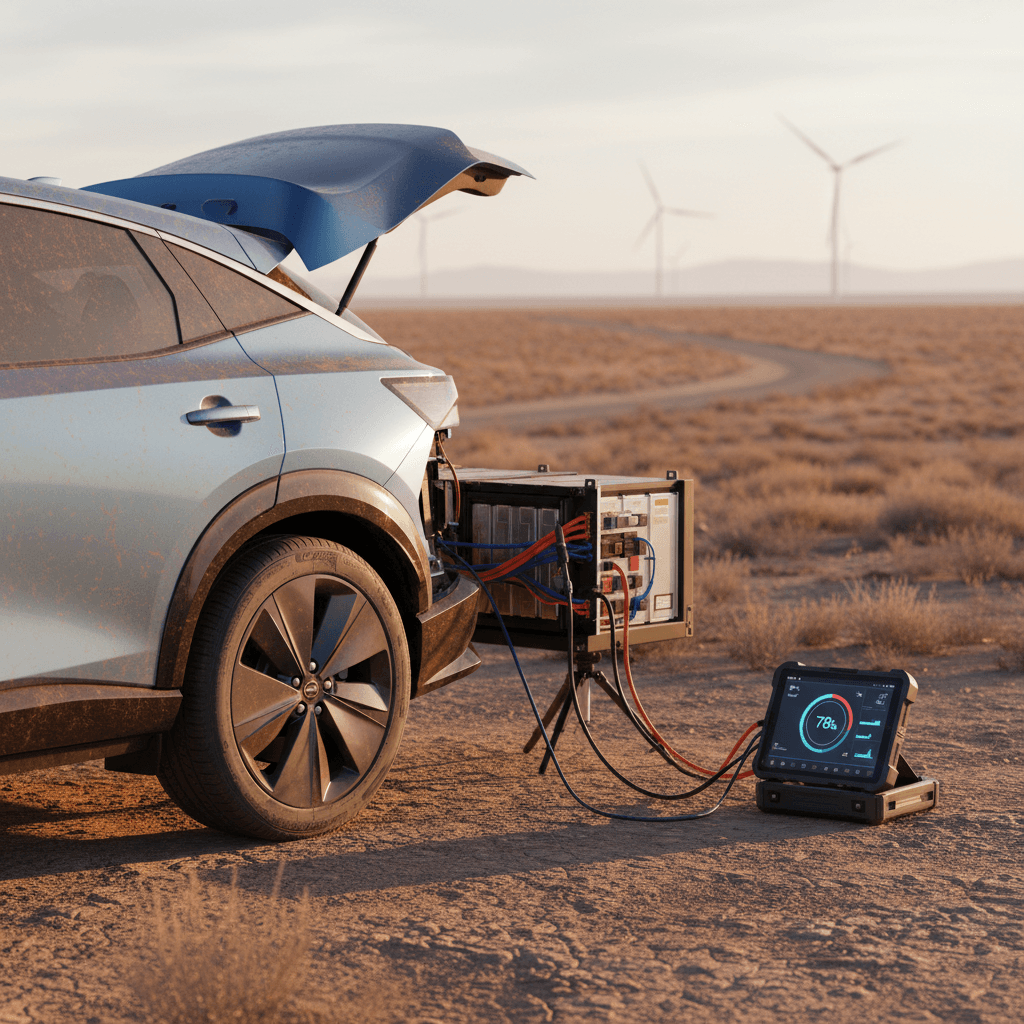
You don’t drive a window sticker, you drive a route. When people search for “Nissan Ariya real world range 2026”, what they actually want to know is simple: will this sleek electric crossover cover their commute in February, their weekend highway slog, and the occasional road trip – without white‑knuckle math along the way.
Quick takeaway
Nissan Ariya range basics for 2026
By 2026, the Nissan Ariya lineup in the US still revolves around two battery packs and two drivetrains. The numbers have been tweaked slightly on paper, but the real‑world picture is consistent with earlier model years:
- 63 kWh pack (Engage trims) – smaller battery, lighter weight, lower price, shorter range; best for urban and shorter‑commute drivers.
- 87 kWh pack (Evolve+, Empower+, Venture+, Platinum+ trims, names vary by year) – long‑range pack; these are the cars that flirt with 280–290 miles EPA in FWD form.
- FWD (single‑motor) – the efficiency champ. If you care about range first, this is the configuration you want.
- e‑4ORCE AWD (dual‑motor) – terrific traction, strong acceleration, but 10–20% worse efficiency in the real world.
Paper vs pavement
EPA range vs real‑world: where the Ariya actually lands
EPA range estimates blend city and highway driving, moderate temperatures, and a relatively gentle right foot. On that test cycle, the bigger‑battery FWD Ariya trims live around the high‑200‑mile mark, while the smaller pack and AWD trims fall into the 200‑mile and under crowd. In owner hands and independent testing, the Ariya behaves like a modern mainstream EV: usually within shouting distance of the rating around town, more fragile at 70–75 mph and in winter.
EPA vs real‑world Ariya range (2026 snapshot)
Highway tests at a steady 70 mph tend to put the 87 kWh Ariya e‑4ORCE trims in the 195–215‑mile zone on a full charge in mild temperatures. FWD versions usually do better, flirting with the low‑ to mid‑200s in the same conditions. Around town at 35–55 mph, those numbers climb; on a bitter January morning with the heat blasting, they slide.
Beware the guess‑o‑meter
Real‑world range by battery size and drivetrain
Let’s put some realistic brackets around what you can expect from each common Ariya configuration in 2026. These are not lab numbers; they’re ballpark expectations for a healthy battery, temperatures around 60–75°F, and a mix of city and highway driving. Think of these as the “no drama” ranges for planning your life.
Typical real‑world range by Ariya configuration (mild weather)
Approximate usable range for a healthy 2023–2026 Nissan Ariya, starting from 100% charge, in mixed driving and moderate temperatures. Real‑world numbers vary with speed, terrain, and climate use.
| Configuration | Battery | EPA rating (approx) | Real‑world mixed driving | Highway‑heavy (70–75 mph) |
|---|---|---|---|---|
| Engage FWD | 63 kWh | ~215–220 mi | 160–180 mi | 140–160 mi |
| Engage e‑4ORCE AWD | 63 kWh | ~200–205 mi | 145–170 mi | 130–150 mi |
| Long‑range FWD (87 kWh, Venture+/Evolve+/Empower+) | 87 kWh | ~280–290 mi | 210–240 mi | 180–210 mi |
| Long‑range e‑4ORCE AWD (Evolve+/Platinum+) | 87 kWh | ~250–265 mi | 190–215 mi | 170–200 mi |
Use this as a planning tool, not a promise. Aim to arrive at chargers with 10–20% in reserve.
Which Ariya goes farthest?
City, highway, and mixed driving: how much range you’ll see
City and suburban driving
In stop‑and‑go traffic, the Ariya’s regenerative braking does its best work. If your life is mostly 30–50 mph driving with frequent slowing and gentle acceleration, you can often land surprisingly close to the EPA number in mild weather.
- 87 kWh FWD: 220–250 miles on a full charge is realistic.
- 87 kWh e‑4ORCE AWD: expect 200–220 miles.
- 63 kWh trims: think 160–190 miles, depending on climate use.
Highway and interstate driving
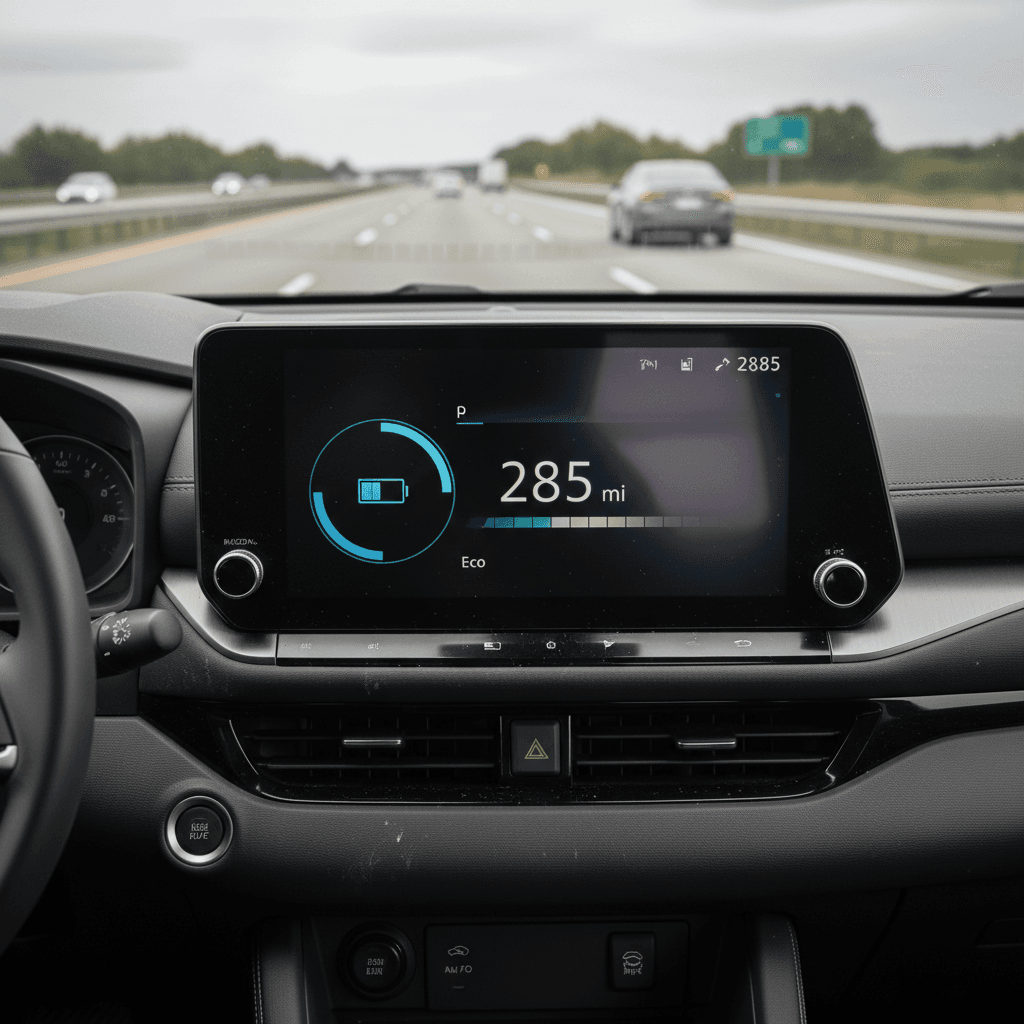
EVs are most vulnerable at sustained high speeds, and the Ariya is no exception. Aerodynamic drag climbs with the square of speed, so bumping from 65 to 75 mph quietly taxes the battery.
- At a steady 65 mph, long‑range FWD cars can deliver 210–230 miles.
- At 70–75 mph, plan around 180–210 miles (FWD) and 170–200 miles (AWD).
- Add headwinds, hills, or big wheels and that drops another 5–10%.
A simple road‑trip rule of thumb
Winter range: what happens when it gets cold
Cold is where the romance ends and the math begins. Like every modern EV, the Ariya loses range in winter because the battery chemistry slows down and the cabin heater is energy‑hungry. Owners in colder US states routinely report 20–35% less range around 20–35°F, and more in deep cold or on many short trips.
What winter does to Ariya range
Assuming a healthy 87 kWh battery and a full charge
Cool autumn day (~45–55°F)
Hit: ~10–15% off summer range.
You’ll still see 190–220 miles on an 87 kWh FWD car if you drive moderately.
Typical winter day (~20–30°F)
Hit: ~20–35% less than summer.
Now we’re talking 160–200 miles in real‑world mixed driving for the long‑range trims.
Deep cold (single digits °F)
Hit: 35–50% loss is possible.
Plan around 130–160 miles on the same car, especially with lots of short hops and heavy heater use.
Biggest winter range killers
Four habits that tame winter range loss
Pre‑heat while plugged in
Use the NissanConnect / MyNISSAN app to warm the cabin and battery <strong>before</strong> you unplug at home. That energy comes from the wall, not the pack, and it pays you back in better efficiency and faster DC charging.
Use seat and wheel heaters first
The Ariya’s seat and steering‑wheel heaters sip power compared with air heating. Set the cabin a few degrees lower and let the contact heat do more of the comfort work.
Avoid lots of very short trips
If you can batch errands into fewer, longer drives, your battery warms up and the heater stops running flat‑out. Do four 5‑mile trips in the cold and you’ll think the sky is falling.
Give yourself extra buffer
If you normally arrive home with 15–20% in summer, target 25–30% on the coldest days. It costs you nothing but peace of mind.
How driving style and load shrink (or boost) range
Range isn’t just battery chemistry and weather; it’s you. Compared with a calm driver on all‑season tires at 65 mph, an aggressive driver at 78 mph with a roof box can erase 30% of their range without ever seeing snow.
- Speed: every 5 mph over 65 is a quiet tax on your battery. The Ariya’s boxy crossover shape means 75 feels much thirstier than 65.
- Acceleration: the dual‑motor e‑4ORCE cars are hilariously quick; use that power constantly and your watt‑hours per mile will look like a sports car’s fuel bill.
- Wheels and tires: big 20‑inch wheels and aggressive all‑season or winter tires look great, but they usually cost a few percentage points of efficiency.
- Weight and roof boxes: cargo, bikes, and roof pods add both mass and drag. On a long trip, a full pod can skim another 5–10% off your highway range.
- Climate settings: auto climate at 70°F is your friend; manual max‑heat, max‑fan cycling all winter is not.
Watch watts, not miles
Range on a used Ariya (2022–2025): what to expect
Shopping used in 2026? The good news is that early Ariyas have generally aged well when it comes to battery health. Most real‑world range loss so far appears to come from weather, tires, and driving style rather than extreme degradation, assuming the car hasn’t been abused.
Real‑world range expectations for a used Ariya
Assuming normal use and no major battery issues
2–3 year old 87 kWh FWD
Think of these as very close to new. In 2026, a 2023–2024 long‑range FWD Ariya with a healthy pack will still comfortably deliver 200–230 miles in mixed mild‑weather driving.
On a Recharged vehicle, the Recharged Score battery health report will quantify this for you instead of making you guess from a dashboard estimate.
Early AWD and 63 kWh cars
AWD Ariyas and smaller‑pack trims do show their compromises sooner if the previous owner fast‑charged constantly or lived on the interstate. Still, you’re usually talking about a small haircut, not a buzz‑cut.
Plan around maybe 10% less peak range than the day it rolled off the lot, then adjust for your climate and routes.
How Recharged de‑mystifies used Ariya range
Stretch your range: practical setup tips
You can’t change physics, but you can work with it. A few minutes of setup and a couple of driving‑style tweaks will do more for your Nissan Ariya real‑world range than any magic accessory on the internet.
Seven smart ways to get more real‑world range
1. Set an efficiency‑friendly cruise speed
On long trips, lock cruise control around <strong>65–70 mph</strong> instead of flowing with the fastest lane. On an Ariya, that alone can be the difference between one stop and two.
2. Use Eco mode intelligently
Eco mode softens throttle response and can nudge range upward, especially in city driving. Try it for a week; if you hate it on on‑ramps, you can always flick back to Normal.
3. Learn and use e‑Pedal / strong regen
Once you’re acclimated, one‑pedal‑style driving turns every slowdown into a tiny recharge instead of wasting energy as heat in the brakes. It’s particularly effective around town and in rolling suburbs.
4. Check your tire pressures monthly
Low tires quietly eat both range and ride quality. Set them to the door‑jamb recommendation when cold, and don’t let them sag during seasonal changes.
5. Strip the roof when you’re not using it
Roof crossbars and boxes are like permanent headwinds. If you don’t need them this week, take them off and give your battery a break.
6. Pre‑plan fast‑charge stops
Use apps like PlugShare plus your Ariya’s built‑in navigation to pick <strong>reliable 100–150 kW DC stations</strong> on your route. Aim to arrive with 10–20% and leave around 70–80% for the best combination of speed and range.
7. Keep software updated
Nissan has been quietly improving energy‑use logic and charging behavior via software. Make sure your Ariya is up to date; on a used car, have a dealer or EV‑savvy shop confirm it.
Is the Ariya right for your range needs?
Ariya is a great fit if…
- Your daily round‑trip commute is under about 120 miles, even in winter.
- You’re comfortable stopping every 120–160 miles on road trips in a long‑range FWD car.
- You value comfort, quiet, and design as much as outright efficiency.
- You’re moving from a gasoline SUV and want something familiar but electric.
You may want to look harder if…
- You regularly drive 200+ miles in deep cold with no fast chargers in between.
- You live at high speed limits (80+ mph) and refuse to slow down.
- You need to tow near the Ariya’s limit frequently; that’s a range killer in any EV.
- You must match or beat the very best‑in‑class highway range numbers from newer rivals, no exceptions.
Matching the Ariya to your life
Ready to find your next EV?
Browse VehiclesFAQ: Nissan Ariya real‑world range in 2026
Frequently asked questions about Nissan Ariya real‑world range
The Nissan Ariya is not a hyper‑miler’s science project; it’s a comfortable, quietly stylish crossover that happens to be electric. If you understand that your real‑world range in 2026 will live south of the EPA window sticker – especially at 75 mph in February – you can choose the right battery, drivetrain, and routes and enjoy the thing the way Nissan intended. And if you’re shopping used, a Recharged Ariya with a full Recharged Score battery health report lets you skip the guesswork and go straight to the part where an EV just works for your life.