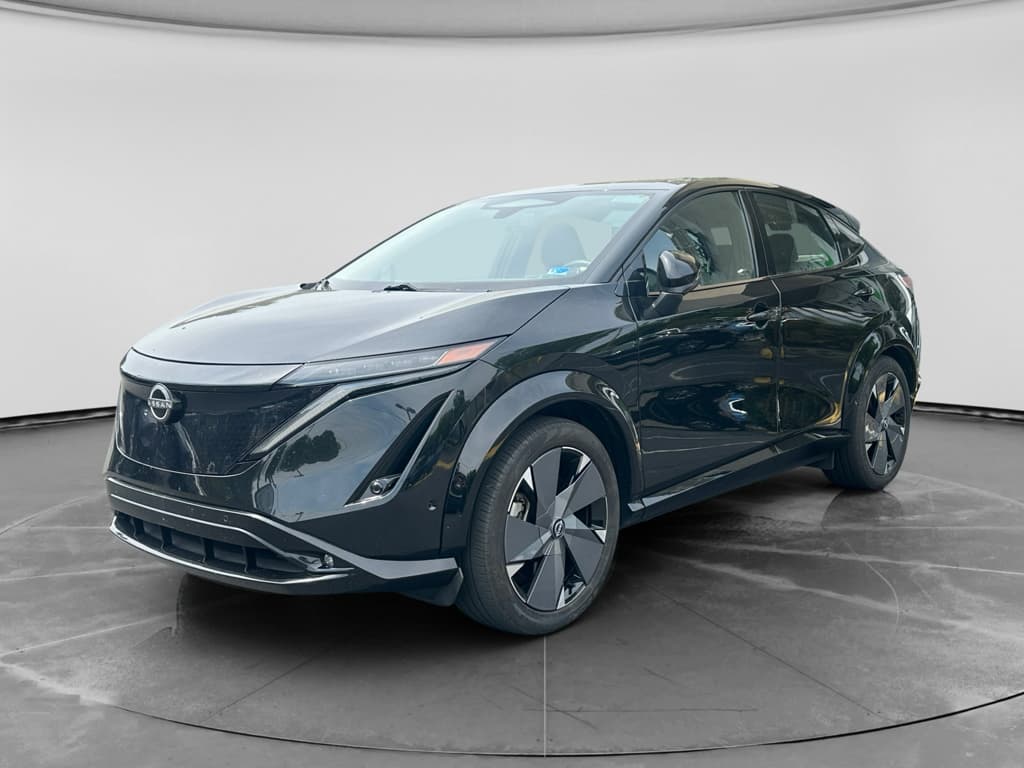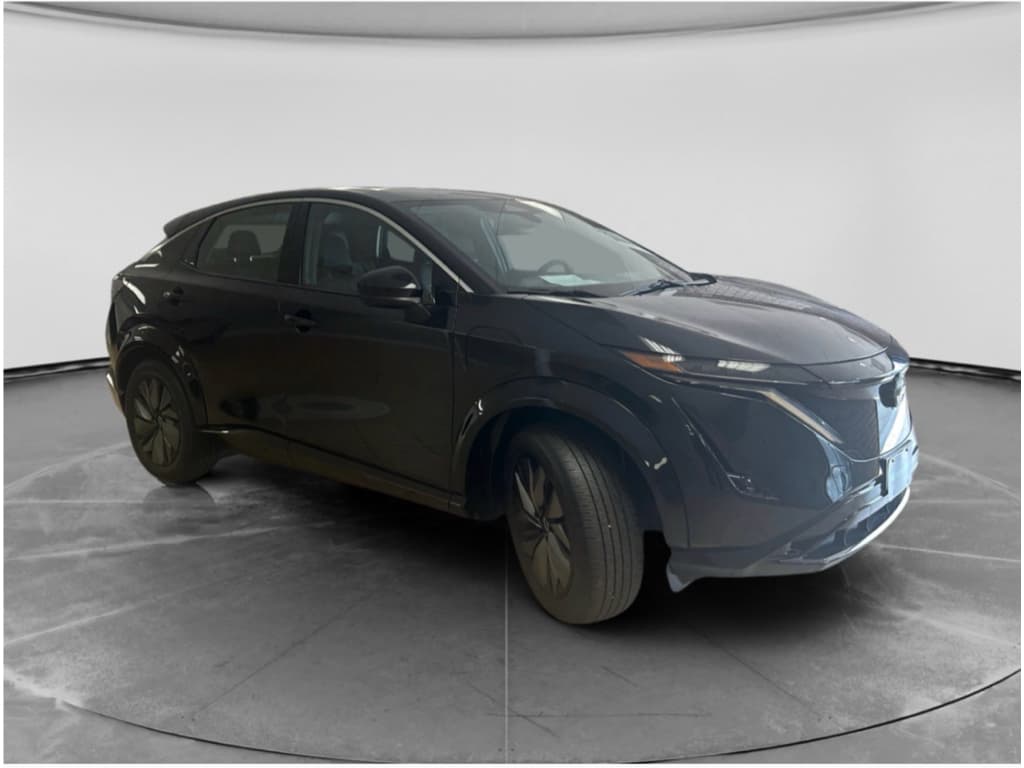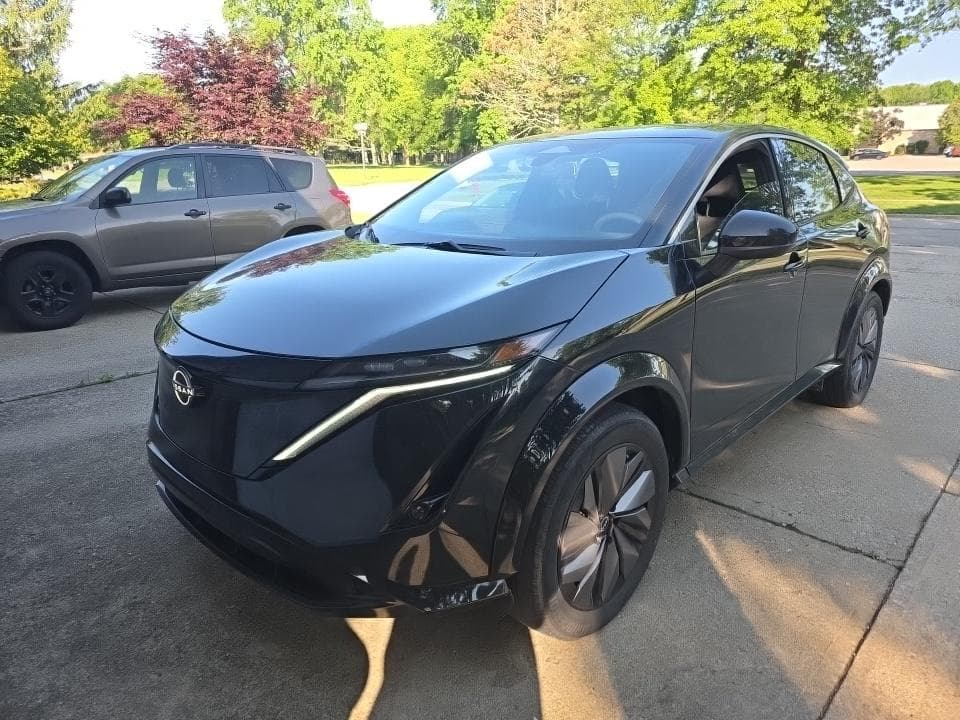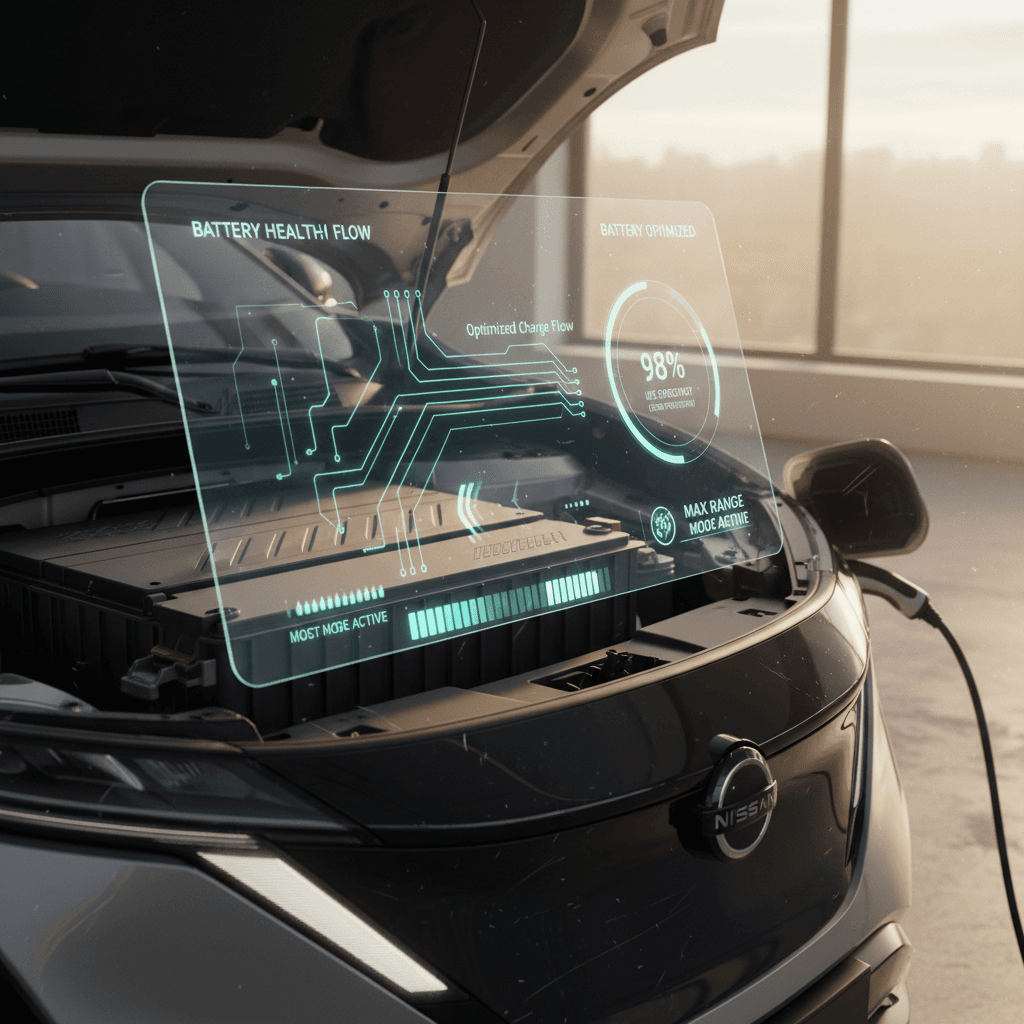
If you drive a Nissan Ariya, you already have one of the better‑engineered battery systems in the mainstream EV market. But even good hardware can be shortened, or stretched, by how you use it. Understanding Nissan Ariya how to maximize battery life comes down to a handful of repeatable habits around charging, temperature, and driving, not constantly babysitting your car.
The short version
Why Nissan Ariya battery care actually matters
Lithium‑ion batteries don’t “wear out” overnight, they slowly lose capacity over thousands of charge cycles. That’s true of every EV, including the Ariya. The good news is that real‑world data from owners and early diagnostics shows Ariyas holding up well so far, often with minimal degradation after the first few years. The bad news is that abuse, especially lots of heat and aggressive fast charging, can still shave years off the useful life of the pack.
Nissan Ariya battery life in context
Your goal isn’t to “freeze” the battery at 100% state of health forever, that’s not realistic. The goal is to keep the degradation curve shallow enough that, 8–12 years in, the car still comfortably fits your daily use case and holds its value if you sell or trade into another EV.
What makes the Nissan Ariya battery different
Key design choices that help Ariya battery life
Why Ariya owners can be a bit less paranoid than early‑Leaf drivers
Liquid‑cooled pack
Built‑in buffer
Gentle fast‑charge curve
Relax compared with older EVs
Daily charging habits that maximize Ariya battery life
This is where “Nissan Ariya how to maximize battery life” usually starts: should you charge to 80% or 100%, and how often? Here’s how to think about daily charging on an Ariya specifically.
Smart daily charging habits for Nissan Ariya owners
1. Use Level 2 as your default
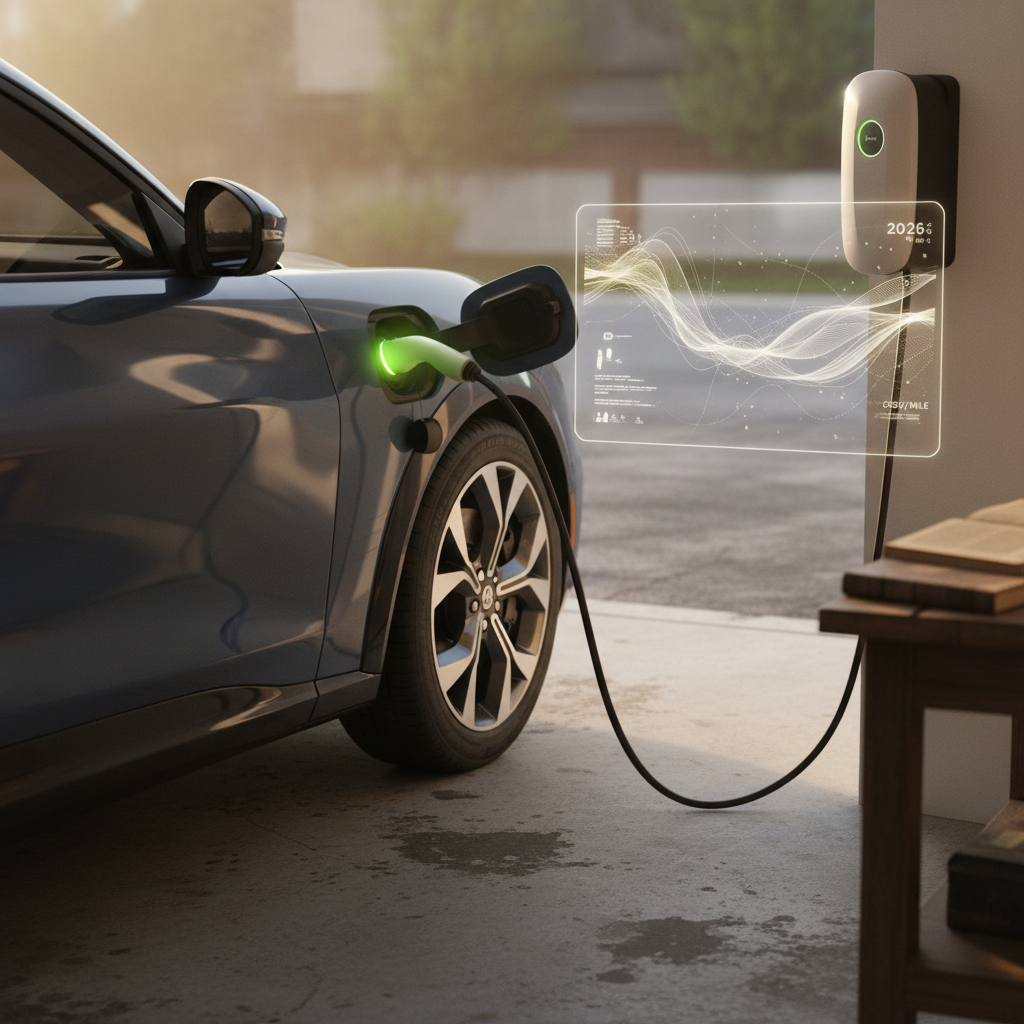
Nissan explicitly recommends AC Level 2 “normal charging” for regular use. A 240‑volt home charger or reliable public Level 2 will top you up overnight without the thermal stress of repeated DC fast charging.
2. Don’t fear 100%, just don’t park full for days
Because of the buffer, charging to 100% for a normal commute is fine. The key is avoiding letting the car sit at or near 100% for days or weeks. Finish charging close to your departure time when you need a full pack.
3. Avoid living near empty
Lithium‑ion is also unhappy near 0%. Try not to drop below ~10% regularly, and avoid parking the Ariya near empty for long stretches. If you’ll leave it parked for more than a week, aim for roughly 40–60% state of charge.
4. Minimize “just-in-case” top‑ups
Topping from 80% to 100% every night when you only drive 20–30 miles the next day doesn’t help you and does keep the cells at a higher average state of charge. Let the car cycle a bit: charge when you’re down around 30–60% instead.
5. Prefer timers over plugging and forgetting
If your schedule is predictable, use the Ariya’s charge timer (or your EVSE’s scheduling) to finish charging shortly before you leave. That naturally reduces time spent at high state of charge and may line up with off‑peak electricity rates.
6. Don’t rely on Level 1 long‑term
Trickle charging at 120V is safe, but it’s slow and inefficient. It also keeps the pack in a narrow band for a long time. It’s fine for occasional use, but a dedicated Level 2 setup is healthier for the pack and your time.
Watch long-term storage behavior
How to use DC fast charging without killing your Ariya’s pack
DC fast charging is where owners do the most damage, or worry the most. The Ariya’s pack and thermal management can absolutely handle road‑trip use, but there are clear patterns that accelerate wear if you’re not mindful.
Ariya DC fast charging: good, better, best
How different habits impact your battery over the long term
| Scenario | Typical use pattern | Impact on battery life | What to do instead |
|---|---|---|---|
| Good | Road‑trip fast charging a few times a month; mostly Level 2 at home | Minor additional wear; well within what Nissan designed for | Keep doing this. Arrive around 10–30%, charge to ~70–80%, and continue your trip. |
| Borderline | DC fast charging several times a week because home charging is inconvenient | Noticeable extra heat and wear over many years | Try to shift more energy to Level 2 at work or home, and use fast charging mainly when you truly need the speed. |
| Risky | Daily DC fast charging from very low (under 5%) to 100% in hot weather | Much greater stress on the pack; likely faster degradation | Plan shorter sessions: arrive with some buffer, stop around 70–90%, and avoid stacking multiple hot charging sessions back‑to‑back. |
| Best practice | Pre‑condition battery in cold, avoid hot battery + high SOC, don’t chase 100% at a fast charger | Balances your time and battery longevity | Accept that the last 10–15% is slow. Unplug once you have enough range plus a comfortable buffer. |
Use this as a road‑trip playbook rather than a set of hard rules.
Think in “sessions,” not percentages
Driving habits that protect your Ariya’s battery
Your right foot and climate settings change two things at once: how much energy you use today, and how hot the battery gets over time. The Ariya can absolutely handle full‑power launches and high‑speed interstate runs, but day‑to‑day smoothness pays off for both range and long‑term health.
- Use ECO mode in city driving to soften throttle response and reduce power spikes that heat the pack.
- Take advantage of regenerative braking via B mode and the e‑Pedal‑style features rather than abrupt mechanical braking; you’ll waste less energy as heat.
- Avoid extended, high‑speed runs well above typical freeway limits, both the motor and battery warm up more quickly at those loads.
- When merging or overtaking, short bursts of power are fine; the pack is designed for this. Just don’t treat every green light like a drag strip.
- If you’re towing or hauling a full cabin on a very hot day, keep an eye on energy usage and give the car a break if you see repeated power‑limit warnings.
Heat is the real enemy
Temperature, storage, and long‑term parking
The Ariya’s thermal management is robust, but physics still wins: extreme heat and deep cold change how the pack ages and performs. Nissan’s own manuals call out temperature and storage as key factors in long‑term battery life.
Temperature do’s and don’ts for your Ariya battery
Simple choices that add up over years of ownership
Hot‑weather tips
- Park in shade or indoors when possible; cabin and pack temperatures follow ambient heat.
- Avoid leaving the car fully charged in direct sun on 95°F+ days, time your charge so it finishes close to departure.
- After long highway drives in heat, let the car cool for a bit before immediately fast charging if you don’t urgently need the speed.
- If your climate is extremely hot for months, expect somewhat more degradation over the years; your habits matter more there.
Cold‑weather tips
- Cold hurts range and charging speed more than long‑term health, but avoid storing the car empty in sub‑freezing temps.
- Use scheduled departure or pre‑conditioning while plugged in; the car warms the battery and cabin without hammering the pack.
- If you must fast charge in deep cold, enable any available battery‑warming features before you arrive at the charger.
- Don’t panic about temporary winter range loss, it’s not the same thing as permanent battery degradation.
Long-term storage basics
Winter driving: battery health vs. winter range
A lot of owners confuse winter range drop with “my battery is degrading.” In reality, cold weather primarily affects how much of the pack’s energy is available right now and how efficiently the car uses it, especially for cabin heat. The long‑term damage from cold alone is relatively modest compared with heat and fast charging.
What winter does to range
- Slows down chemical reactions in the battery, so usable capacity temporarily shrinks.
- Thickens lubricants and increases rolling resistance, especially on winter tires.
- Forces more energy into cabin and battery heating, not just moving the car.
- Can dramatically slow DC fast charging until the pack warms up.
What winter does to battery life
- Cold by itself is not nearly as harmful as high heat at high state of charge.
- Brief exposures to sub‑freezing temps aren’t a big deal if you don’t store the pack empty.
- Using pre‑conditioning and driving soon after charging helps keep the pack in its comfort zone.
- If your range pops back up when temperatures rise, that’s a good sign your long‑term health is fine.
How to monitor battery health in your Nissan Ariya
You don’t need to obsessively track State of Health (SoH), but a rough sense of how your pack is aging is useful, especially as the car gets older or if you’re shopping used.
- Dash behavior over time: If your real‑world highway range at similar speeds and temperatures has barely changed over a few years, your pack is aging normally.
- Dealer diagnostic tools: Nissan dealers can pull detailed battery health data with their factory scan tools, which is particularly helpful before warranty milestones.
- Third‑party apps and OBD2: Some owners use OBD2 dongles and apps to read battery metrics. Treat those numbers as directional, not absolute, they can be noisy or misinterpreted.
- Behavioral clues: Sudden, severe range loss or persistent charging faults are worth a trip to a qualified EV technician or Nissan dealer for deeper diagnosis.
How Recharged evaluates Ariya batteries
Ready to find your next EV?
Browse VehiclesBattery life tips when you’re buying a used Ariya
If you’re shopping for a used Ariya, the same fundamentals apply, but you’re trying to infer how the previous owner treated the pack. You can’t see every past charging session, but you can stack the odds in your favor.
Used Nissan Ariya battery life checklist
1. Ask about charging habits
Look for answers like “mostly Level 2 at home, fast charging for trips.” Heavy daily DC fast charging, especially in very hot climates, is a yellow flag.
2. Match range claims to reality
On a test drive, reset the trip computer and see how projected range lines up with EPA numbers at your typical speeds. Modest deviation is normal; massive gaps may warrant more questions.
3. Get a battery health report
Ask for recent dealer diagnostics or, if you’re buying online, look for a third‑party battery report like the Recharged Score. This is especially valuable once the car is 5+ years old.
4. Consider climate history
An Ariya that spent its life in a scorching desert climate and lived on DC chargers is likely to have aged faster than one from a milder region with abundant Level 2 options.
5. Check software and service history
Up‑to‑date software can include battery‑management tweaks, and a clean service record suggests the car hasn’t been limping along with unresolved charging or thermal issues.
Nissan Ariya battery life FAQ
Frequently asked questions about maximizing Nissan Ariya battery life
Key takeaways for maximizing Ariya battery life
- The Ariya’s liquid‑cooled, buffered pack is robust, you don’t need to baby it like an early Leaf, but your habits still matter.
- Use Level 2 charging as your default, with DC fast charging reserved for trips and genuine time pressure.
- Charging to 100% is okay when you drive soon after; avoid storing the car full or empty for long periods, especially in heat.
- Temperature is a silent killer: parking in shade, timing charges, and letting the pack cool before stacking fast‑charge sessions all help.
- Winter hurts range more than long‑term health; focus on pre‑conditioning and realistic expectations, not panic about “instant degradation.”
- If you’re buying used, prioritize vehicles with documented battery health and sane charging histories, exactly what you get when a used Ariya comes with a Recharged Score battery‑health report.
Treat your Nissan Ariya’s battery like what it is: a long‑lived, industrial component, not a fragile smartphone. You don’t need elaborate rituals to keep it healthy. Stick to Level 2 for most charging, don’t marinate the pack at 0% or 100%, respect heat, and use fast charging thoughtfully. Do that, and your Ariya should deliver useful range, and strong resale value, for many years, whether you keep it or eventually trade into your next EV through Recharged.