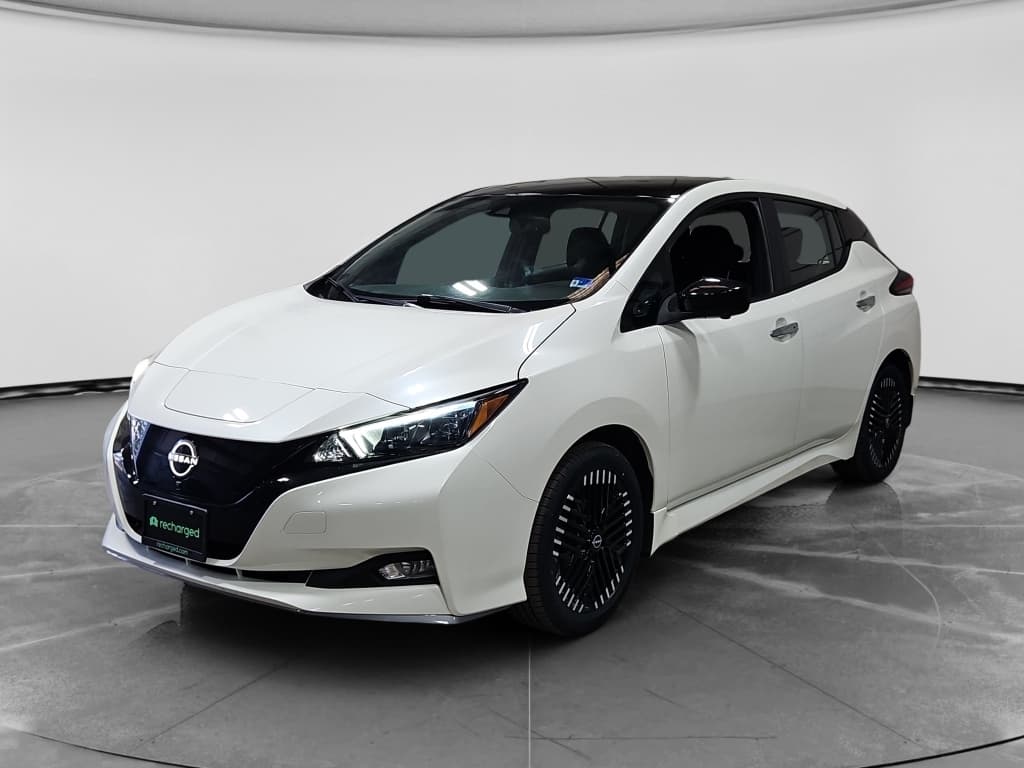
Hit 60,000 miles in your Nissan and you’ll hear a lot about the “major service” your car supposedly needs. Some shops will pitch big bundles, others will barely explain what they’re doing. This guide breaks down the Nissan 60,000-mile service in plain English so you know what’s essential, what’s optional, and what a fair price looks like.
Quick takeaway
Why the Nissan 60,000-mile service matters
By the time you reach 60,000 miles, your Nissan has seen thousands of heat cycles, brake applications, and gear changes. Fluids absorb moisture and break down, filters clog, rubber components age, and small issues can start to grow. The 60k visit is designed as a deep refresh to keep the car reliable into the second half of its life, and it’s also a mileage point used by buyers and lenders to judge how a vehicle has been cared for.
Why staying on top of 60k service pays off
Used-car advantage
What a typical Nissan 60,000-mile service includes
Nissan dealers publish service-interval charts that are broadly similar across models. At 60,000 miles (or about 72 months), the common pattern looks like this:
Typical Nissan 60,000-mile service checklist
This reflects what many U.S. Nissan dealers list at 60,000 miles. Always confirm against your manual for your exact model and year.
| System | Service at ~60,000 miles | Notes |
|---|---|---|
| Engine oil & filter | Replace | Same as your regular oil change, but part of the 60k bundle. |
| Tires | Rotate & inspect | Look for uneven wear; may need alignment or replacement. |
| Engine air filter | Replace | Often first changed at ~30k; many shops swap again at 60k. |
| Cabin (in-cabin) microfilter | Replace | Keeps HVAC clean and reduces odors; usually every 15k–30k. |
| Brake fluid | Replace | Commonly due by time if not yet done; moisture and heat break it down. |
| Brake pads/rotors | Inspect (replace if worn) | May be near end of life depending on driving style. |
| CVT fluid (if equipped) | Inspect (dealer schedule) | Some manuals say change at 60k; more on this below. |
| Suspension & steering | Inspect | Check for play, wear, torn boots, leaks. |
| Exhaust & fuel lines | Inspect | Looking for leaks, corrosion, loose hangers. |
| Belts & hoses | Inspect | Cracks, glazing, or tension issues may call for replacement. |
Items marked “replace” are usually done every 30,000–60,000 miles; “inspect” items are checked and serviced only if needed.
Watch out for “flush everything” quotes
Fluids to service around 60,000 miles
Fluids are the lifeblood of your Nissan. By 60,000 miles, several are ready for attention based on age, mileage, or both. Here’s how to think about each one.
Major fluids at the 60,000-mile mark
Which ones truly matter now, and which can wait depends on your model and conditions.
Engine oil
Oil changes keep your engine protected from heat and wear. By 60k you’ve done many already, but one is typically bundled with the 60k service. Stick to the viscosity and interval recommended in your manual.
Brake fluid
Brake fluid absorbs moisture over time. Many Nissan schedules call for a brake fluid replacement around 40k–60k miles or 3–5 years. If it’s dark or never been changed, don’t skip it.
CVT transmission fluid
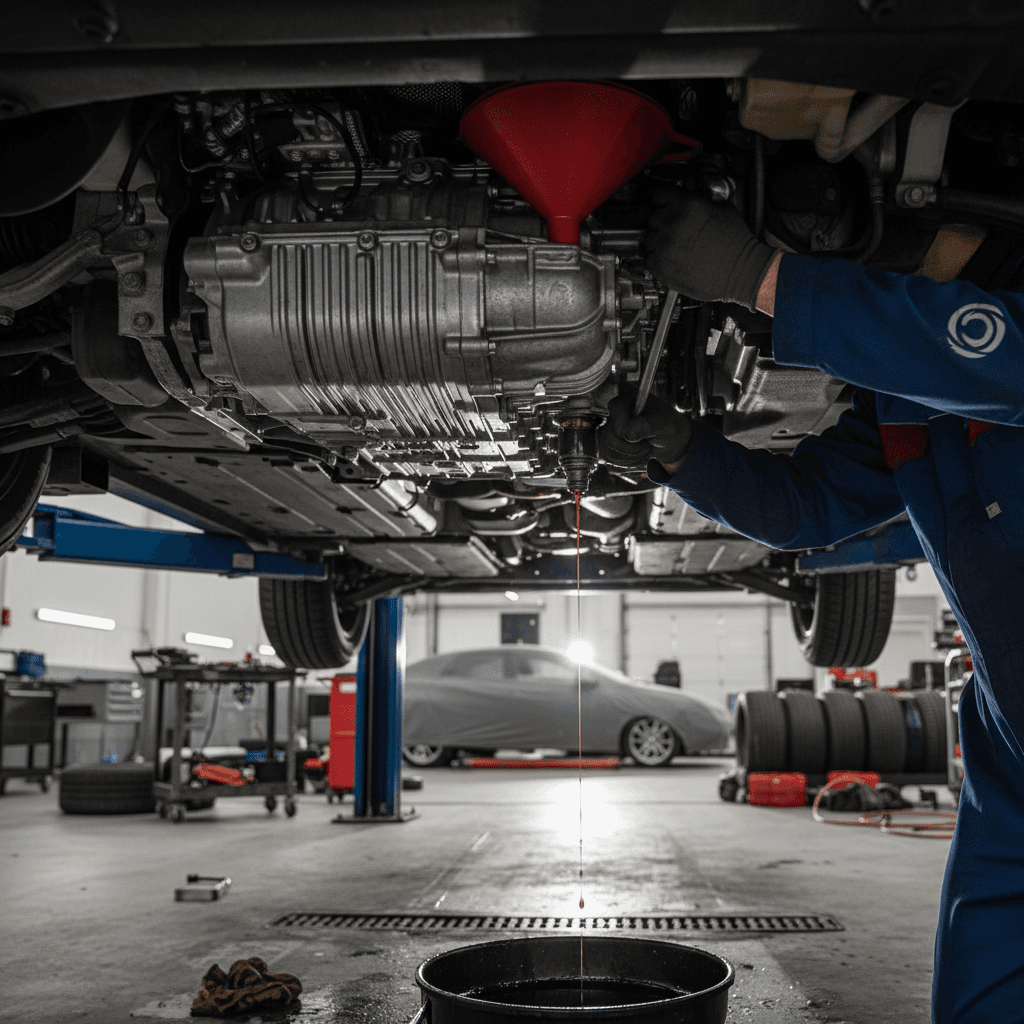
If you own a Nissan with a CVT, fluid care is critical for longevity. Some manuals reference a change around 60,000 miles under severe service. Enthusiast and mechanic communities often recommend partial drain-and-fill as frequently as every 30k miles.
Coolant (antifreeze)
Many modern Nissans use long‑life coolant. The first replacement often falls closer to 100,000 miles or a specific year mark, then shorter intervals afterward. If you’re at 60k and the coolant is original but several years old, have it tested and inspected for contamination or low protection level.
Power steering & differential fluids
On most late‑model Nissans with electric power steering, there’s no power steering fluid to service. If your vehicle has a traditional hydraulic system or separate differential fluid, the manual will spell out when to change it, sometimes earlier than 60k in towing or off‑road use.
How to sanity‑check a fluid recommendation
Key inspections and wear items at 60,000 miles
A good 60k service is more than just new fluids and filters. The inspection checklist is where an experienced technician can spot emerging problems before they become breakdowns.
Essential inspection points at 60,000 miles
1. Brakes (pads, rotors, lines)
Technicians should measure pad thickness, look for rotor grooves or warping, and inspect brake hoses and hard lines for corrosion or leaks.
2. Tires, alignment, and suspension
Uneven tire wear, cupping, or feathering can point to worn shocks, struts, or misalignment. Catching this early saves tires and improves safety.
3. Steering components & boots
Tie‑rod ends, ball joints, and steering rack boots should be checked for play or tears, common wear points as mileage climbs.
4. Belts and hoses under the hood
Accessory belts can crack or glaze; coolant and vacuum hoses can soften or split. Replacing them pre‑emptively is cheap insurance against breakdowns.
5. Battery and charging system
Around 5–7 years, many original batteries are living on borrowed time. A simple load test can tell you if it’s wise to replace now instead of waiting to be stranded.
6. Exhaust, fuel lines, and underbody
Especially in rust‑prone climates, an underbody inspection can reveal leaks, corrosion, or damaged heat shields before they become noisy, or dangerous.
Nissan CVT service at 60,000 miles
If your Nissan has a CVT (continuously variable transmission), common in Sentra, Altima, Rogue, and others, 60,000 miles is an important checkpoint. Nissan owner’s manuals often mention CVT fluid at this mileage, especially under “severe service” (frequent stop‑and‑go, hot or cold climates, towing, or hilly driving). Many owners and independent Nissan specialists consider proactive CVT service one of the best ways to extend transmission life.
What Nissan’s schedule usually says
- Dealer maintenance charts commonly list CVT fluid as an inspection item at many intervals, with a change recommended under severe usage around 60,000 miles or earlier.
- Some manuals suggest longer intervals in light use, but that assumes ideal conditions that most real‑world drivers don’t meet.
What many Nissan specialists recommend
- Perform a drain‑and‑fill (not a harsh “power flush”) roughly every 30,000 miles, especially if you drive in traffic, heat, or hills.
- At or before 60,000 miles, changing the fluid is considered cheap insurance compared with the cost of a CVT replacement.
Avoid aggressive CVT flushes
If you’re not sure what your Nissan needs, ask specifically for a CVT drain‑and‑fill using the correct Nissan‑spec fluid (typically NS‑3 for newer models) and confirm that the shop is familiar with proper fill level procedures.
How much a Nissan 60,000-mile service costs
Pricing varies with location, engine type, and how much is bundled into the visit, but in the U.S. you’ll typically see dealer quotes for a 60,000-mile service in the $500–$900 range. Independent shops with Nissan experience may land somewhat lower for the same core work.
Typical cost ranges for 60,000-mile services
Ballpark pricing in U.S. dollars for common 60k items on a gasoline-powered Nissan. Electric models differ, covered later.
| Service item | Typical price range (parts + labor) | Notes |
|---|---|---|
| Oil & filter change | $60–$120 | Synthetic oil on newer models, plus disposal and shop fees. |
| Engine air filter | $30–$70 | Often cheaper if you buy the filter and install yourself. |
| Cabin air filter | $40–$90 | Quick DIY on many Nissans; some require glovebox removal. |
| Brake fluid replacement | $120–$200 | Includes fluid and system bleed; often time‑based more than mileage‑based. |
| CVT drain-and-fill | $200–$400 | Depends on fluid type, quantity, and labor rate. |
| Full 60k "major" service | $500–$900+ | Bundle price can be good value if it includes all required items without unnecessary extras. |
These are estimates only. Always get a written quote and line‑item breakdown from any shop before approving work.
How to compare quotes the smart way
Dealer vs independent shop for 60,000-mile service
You’re not required to visit a Nissan dealer for the 60,000-mile service, even if your car is still under powertrain warranty, what matters is that maintenance is done correctly and documented. Each option has strengths.
Choosing where to do your 60k service
Dealers offer factory familiarity; independents can deliver strong value.
Nissan dealership
- Factory‑trained techs and access to Nissan technical bulletins.
- OEM parts and fluids by default.
- Easy documentation in Nissan’s system, helpful for warranty and resale.
- Higher hourly labor rates and more aggressive upsell in some markets.
Independent shop
- Often lower labor rates for the same core services.
- Flexibility to use quality aftermarket parts where appropriate.
- Can specialize in Nissan/Asian imports, ask about experience with your model.
- You’ll need to keep your own receipts and records organized.
Protect your resale value
If you drive a Nissan EV: how 60,000-mile service is different
If you own a Nissan Leaf or another Nissan EV, the 60,000-mile conversation is simpler: you have no engine oil, spark plugs, or traditional transmission fluid to worry about. But that doesn’t mean you can skip maintenance altogether.
- Cabin air filter replacement (for HVAC performance and air quality).
- Brake fluid change based on time/mileage, it still absorbs moisture, even with regenerative braking.
- Brake inspections to ensure calipers slide freely and rotors aren’t rusted or uneven.
- Tire rotation and alignment (EV torque can be hard on front tires).
- Coolant checks for the inverter/battery system if your model uses liquid cooling.
- General chassis and suspension inspections for bushings, boots, and corrosion.
On EVs, battery health becomes a key part of the 60k story. A detailed battery report, like the Recharged Score used on every EV sold through Recharged, helps you understand real‑world range, degradation, and how your charging habits have affected the pack. That’s valuable whether you plan to keep the car or sell it.
Smart ways to save on your 60,000-mile service
You don’t have to choose between overpaying and neglecting your Nissan. With a little planning, you can hit the important items at 60k miles without letting the bill spiral.
Money‑saving tips that don’t sacrifice reliability
1. Do easy items yourself
Engine and cabin air filters are often easy DIY jobs on Nissans and can save $50–$150 versus dealer pricing. Just be sure to use quality parts.
2. Bundle what’s truly due
If you’re paying shop fees anyway, it’s efficient to combine scheduled services, like brake fluid and a CVT drain‑and‑fill, into one visit instead of several smaller appointments.
3. Use the manual, not the menu
Treat your owner’s manual as the master checklist. Consider dealer “menu” recommendations as optional upgrades you can accept or decline based on budget and plans for the car.
4. Get competing quotes
Call at least two shops, including one independent with Nissan experience. Ask each for a written, line‑item estimate for the 60,000-mile service before you schedule.
5. Plan ahead for bigger work
If brakes, tires, or suspension are borderline, ask for measurements and a timeline. You may be able to safely delay some bigger costs for a few months if you know where you stand.
Thinking about your next car?
Frequently asked questions about Nissan 60,000-mile service
Nissan 60,000-mile service FAQ
Bottom line: focus on value, not a checklist
The phrase “Nissan 60,000-mile service” can mean different things at different shops, but the core idea is simple: refresh key fluids, replace clogged filters, and thoroughly inspect the systems that keep you safe. Let your owner’s manual be your compass, and don’t be afraid to ask questions or trim non‑essential add‑ons.
If you’re approaching 60k miles and wondering whether to invest in your current Nissan or move on, think in terms of the next 3–5 years. A well‑executed 60,000-mile service can be cheaper than replacing a neglected car, and it makes your vehicle more attractive if you decide to sell. And when you’re ready to explore efficient, low‑maintenance EV options, Recharged can help you compare used electric vehicles with verified battery health, fair pricing, and flexible financing so your next 60,000 miles are even more affordable.